The Comprehensive Guide to Skin Cleansing Brushes: Technology, Benefits, and Selection
A skin cleansing brush is a handheld electronic device designed to provide a deeper, more thorough cleaning of the facial skin than manual washing. By utilizing sonic vibrations or mechanical rotation, these tools remove deep-seated im...
A skin cleansing brush is a handheld electronic device designed to provide a deeper, more thorough cleaning of the facial skin than manual washing. By utilizing sonic vibrations or mechanical rotation, these tools remove deep-seated impurities, excess sebum, and environmental pollutants, ultimately preparing the skin for better absorption of serums and moisturizers.
Contents
While the basic concept of a facial brush has existed for decades, the landscape in 2026 has shifted toward sophisticated, multi-functional tools. Modern devices are no longer just about scrubbing; they incorporate smart sensors, medical-grade materials, and integrated therapeutic technologies like LED light or microcurrents. Understanding the nuances of these devices is essential for achieving professional-level results at home without compromising the integrity of the skin barrier.
Understanding the Technology: Sonic vs. Rotating Brushes
The efficacy of a skin cleansing brush is primarily determined by its movement mechanism. In 2026, the market is predominantly split between two distinct technologies: sonic oscillation and mechanical rotation.
Sonic Oscillation Technology
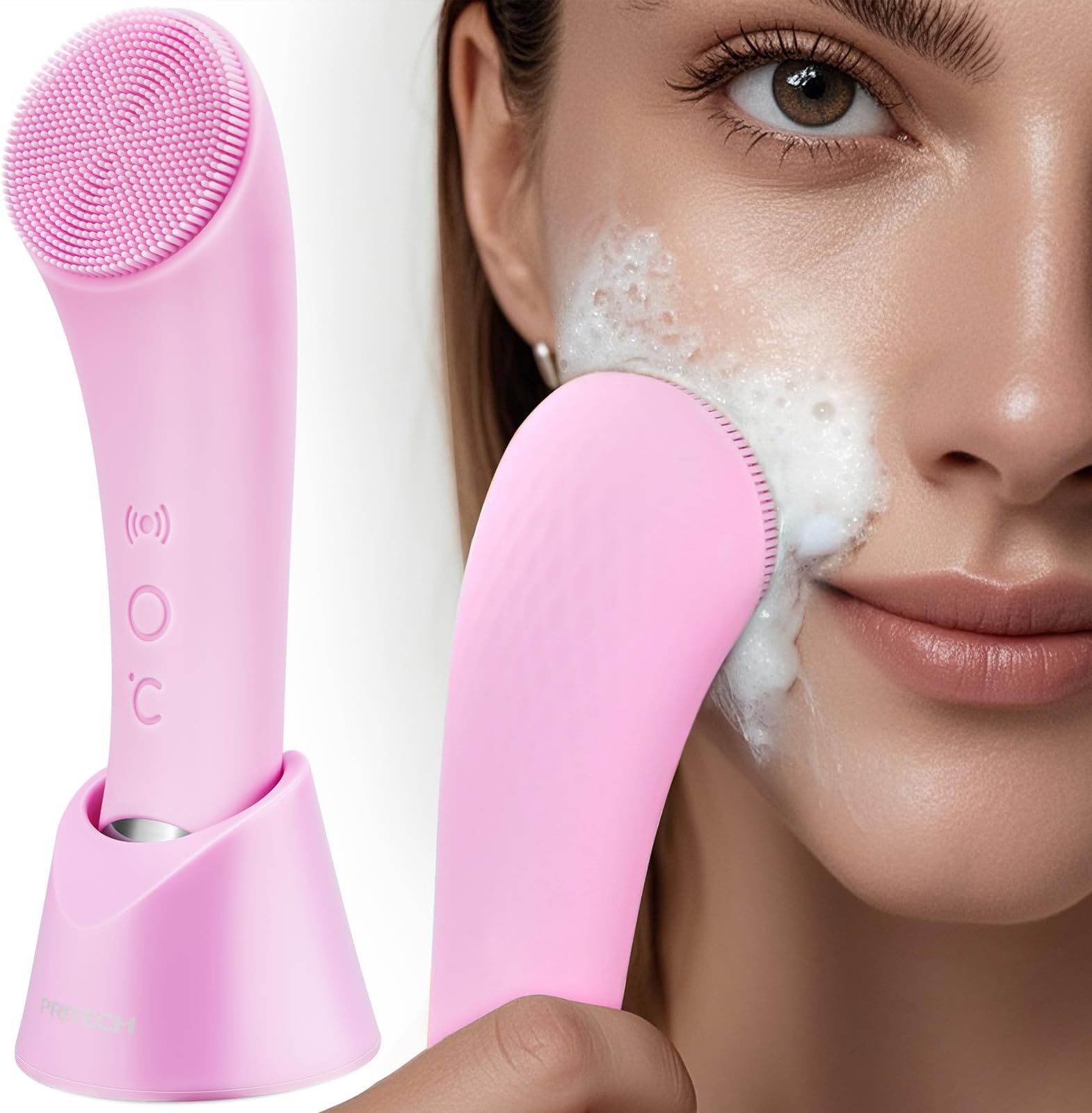
Sonic brushes do not rotate in a full circle. Instead, they use high-frequency vibrations—often exceeding 300 oscillations per second—to shake dirt and oil out of the pores. This technology is generally considered superior for facial use because it does not "tug" or pull on the skin. The vibrations create a phenomenon known as fluid dynamics, where water and cleanser are pushed deep into the pores to flush out debris. Research into sonic skin care suggests that this method is significantly more effective than manual cleansing at removing long-wear makeup and atmospheric pollutants (PM2.5).
Mechanical Rotation
Rotating brushes use a circular motion to physically scrub the surface of the skin. While these devices are often more affordable, they carry a higher risk of over-exfoliation. In 2026, rotating technology is more commonly reserved for body-cleansing brushes, where the skin is thicker and less prone to the micro-tears that can occur on the delicate facial epidermis. If using a rotating facial brush, it is imperative to use the softest bristle attachment available and avoid applying any downward pressure.
Material Matters: Silicone vs. Nylon Bristles
The interface between the device and your skin is the second most critical factor in your selection process. The choice between silicone and nylon impacts both hygiene and skin health.
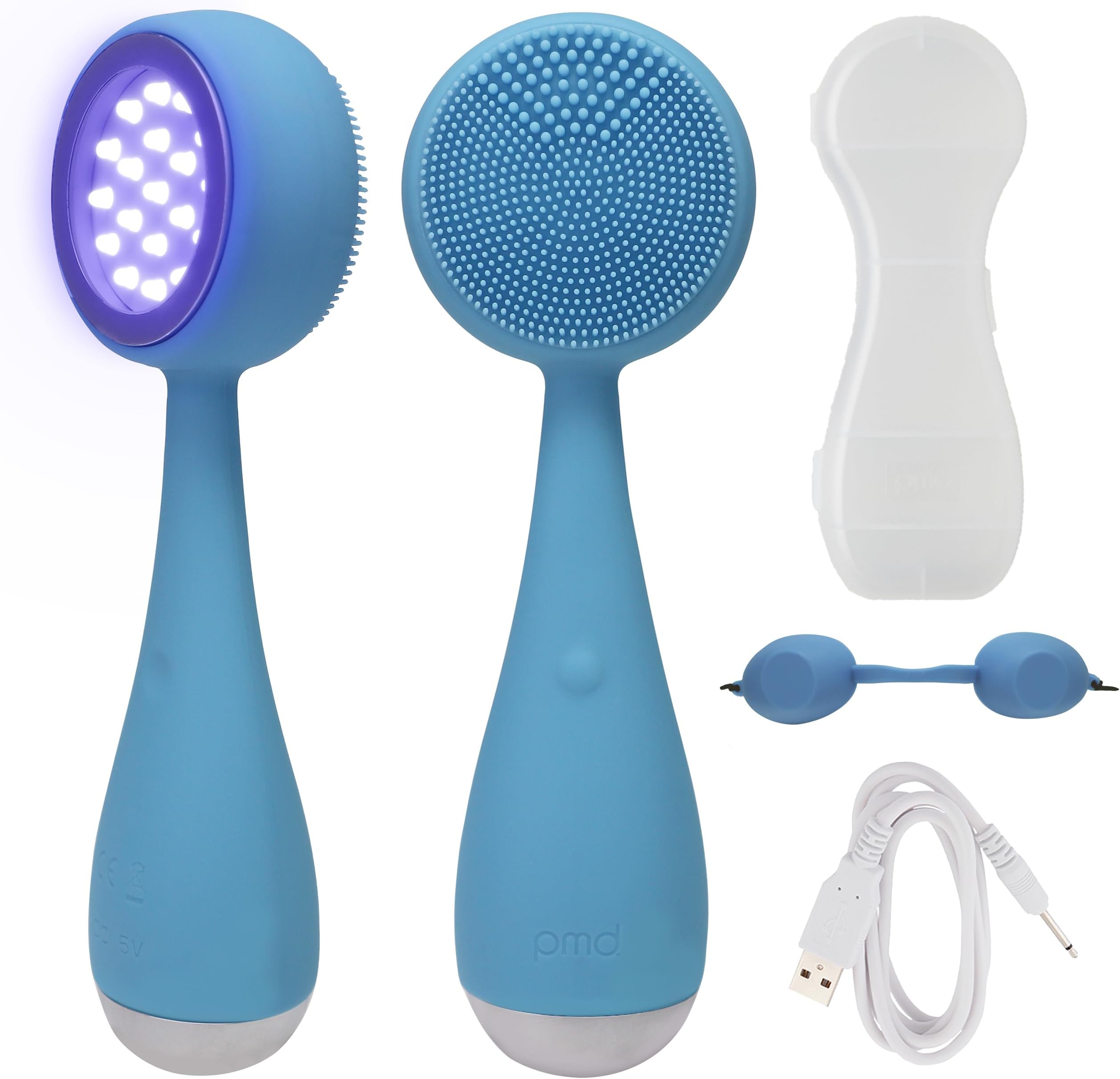
Medical-Grade Silicone
Silicone brushes, popularized by brands like Foreo, have become the industry standard for hygiene. Silicone is non-porous, meaning it does not absorb water, cleanser, or bacteria. In the humid environment of a bathroom, this is a significant advantage. Furthermore, silicone "touchpoints" are rounded and soft, making them suitable for daily use on most skin types. They do not require replacement heads, which reduces the long-term cost and environmental impact of the device.
Nylon Bristles
Traditional nylon bristle brushes offer a more customizable experience through interchangeable heads (e.g., sensitive, deep pore, or exfoliating). However, nylon is porous and can harbor bacteria if not dried properly. Users of nylon brushes must adhere to a strict replacement schedule—typically every three months—to ensure the bristles remain effective and hygienic. As of 2026, many high-end nylon brushes now feature silver-infused bristles to provide antimicrobial properties, though manual cleaning is still required.
Key Benefits for Specific Skin Types
The primary goal of a skin cleansing brush is to enhance the health of the skin barrier, but the specific benefits vary depending on individual skin concerns.
- Oily and Acne-Prone Skin: For individuals with high sebum production, a cleansing brush provides a level of pore decongestion that hands alone cannot achieve. By removing the "plug" of oil and dead skin cells, these devices can prevent the formation of comedones.
- Dry and Flaky Skin: Brushes act as a gentle physical exfoliant, removing dead skin cells that can make the complexion look dull. Removing this layer allows hydrating ingredients in moisturizers to penetrate more effectively.
- Mature Skin: Many 2026 models include "anti-aging" modes that use lower-frequency pulsations. These are intended to stimulate blood flow and provide a facial massage effect, which can temporarily improve skin tone and reduce the appearance of puffiness.
- Sensitive Skin: Those with rosacea or extreme sensitivity should approach these tools with caution. However, modern "ultra-sensitive" silicone brushes or extra-fine "cashmere" nylon heads are designed to be used just once or twice a week to assist with skin turnover without causing inflammation.
How to Integrate a Cleansing Brush into Your 2026 Routine
Using a skin cleansing brush incorrectly is a common cause of skin irritation. To maximize the benefits, follow a structured approach that respects the skin’s natural protective layer.
1. Preparation and Cleanser Selection
Always remove heavy makeup with a micellar water or oil cleanser first. Use a water-based, non-foaming, or low-foaming cleanser with your brush. Avoid using physical scrubs or cleansers with "beads" in conjunction with a brush, as this creates an abrasive effect that can lead to redness and sensitivity.
2. The Cleansing Process
Wet both your face and the brush head. Apply the cleanser to the brush or directly to your skin. Turn the device on and move it in small, circular motions across the face. Most devices in 2026 feature a built-in timer (usually 60 seconds) divided into zones: 20 seconds for the forehead, 20 seconds for the nose and chin, and 10 seconds for each cheek.
3. Post-Cleansing Care
Rinse your face with lukewarm water and pat dry with a clean towel. Immediately apply a hydrating serum or toner. Because the brush has removed the surface layer of debris, your skin is now highly receptive to active ingredients like hyaluronic acid or vitamin C.
| Feature | Sonic Silicone Brush | Rotating Nylon Brush | Manual Cleansing |
|---|---|---|---|
| Primary Mechanism | High-frequency vibration | Mechanical circular motion | Physical friction |
| Hygiene Level | Extremely High (Non-porous) | Moderate (Requires drying) | High (If hands are clean) |
| Exfoliation Type | Gentle/Sonic | Physical/Abrasive | Minimum |
| Maintenance | Low (No head changes) | High (Replace every 3 months) | None |
| Best For | All skin types, including sensitive | Oily skin, body exfoliation | Very sensitive or compromised skin |
| Average Device Lifespan | 5–8 years | 2–4 years | N/A |
Maintenance and Hygiene Requirements
A skin cleansing brush is only as effective as it is clean. Neglecting maintenance can turn a beneficial tool into a source of breakouts.
- Daily Cleaning: After every use, wash the brush head with warm water and a mild soap. If using a silicone device, ensure you rinse between the touchpoints to remove any cleanser residue.
- Drying: Never store a damp brush in a closed cabinet or a travel case. Airflow is essential to prevent the growth of mold and mildew.
- Charging and Battery Health: Modern 2026 lithium-ion batteries are durable, but you should avoid "deep discharging." Charge your device when it indicates low battery rather than waiting for it to die completely.
- Replacement Cycles: If you use a nylon brush, mark your calendar. Worn-out bristles lose their shape and become sharp, which can cause micro-abrasions on the skin.
Potential Risks and Troubleshooting
While skin cleansing brushes are generally safe, they are not a "one-size-fits-all" solution. The American Academy of Dermatology (AAD) emphasizes that aggressive scrubbing can worsen conditions like acne and rosacea.
- Over-Cleansing: If your skin feels "tight" or looks shiny (but not oily) after use, you are likely over-cleansing. Reduce usage to every other day.
- The "Purging" Phase: Some users experience a slight increase in breakouts when they first start using a brush. This is often the skin "purging" trapped debris. However, if the breakouts persist for more than two weeks, or if they occur in areas where you don't normally break out, it is likely irritation, not purging.
- Broken Capillaries: Applying too much pressure, especially around the nose and cheeks, can cause small blood vessels to burst. Let the device do the work; your hand should only guide it.
Frequently Asked Questions
Can I use a skin cleansing brush every day?
Yes, most people with normal or oily skin can use a silicone or soft-bristle sonic brush once daily, preferably in the evening. However, if you have sensitive skin or use strong actives like prescription retinoids, you should limit use to 2–3 times per week to avoid compromising the skin barrier.
Do I still need to exfoliate chemically if I use a brush?
A cleansing brush provides physical exfoliation. If you also use chemical exfoliants (like AHAs or BHAs), be careful not to overlap them too frequently. Many users find that they can reduce their use of chemical peels once they integrate a sonic brush into their routine.
Are expensive smart brushes worth the investment?
In 2026, many high-end brushes sync with apps to track skin moisture levels and customize vibration intensity. These are beneficial if you have changing skin needs, but the core technology of a standard high-quality sonic brush is sufficient for most users to see significant results.
Can I share my cleansing brush with a partner?
It is not recommended to share brush heads, especially nylon ones, due to the risk of transferring bacteria, skin cells, and oils. If using a silicone device, it should be thoroughly sanitized with a medical-grade device cleaner or alcohol-free soap between users.
Should I use a brush if I have active cystic acne?
Generally, no. Brushes can irritate active inflammatory cysts and potentially spread bacteria across the skin. It is best to wait until the inflammation has subsided or consult a dermatologist before using mechanical tools on cystic acne.
Final Recommendation
For most consumers in 2026, a sonic silicone cleansing brush represents the best balance of hygiene, efficacy, and long-term value. It provides a deep clean that manual washing cannot replicate while remaining gentle enough for the majority of skin types. If you are new to skin tech, start by using the device three times a week in your evening routine, and always follow up with a high-quality moisturizer to seal in the benefits of your newly purified skin.
Image Gallery