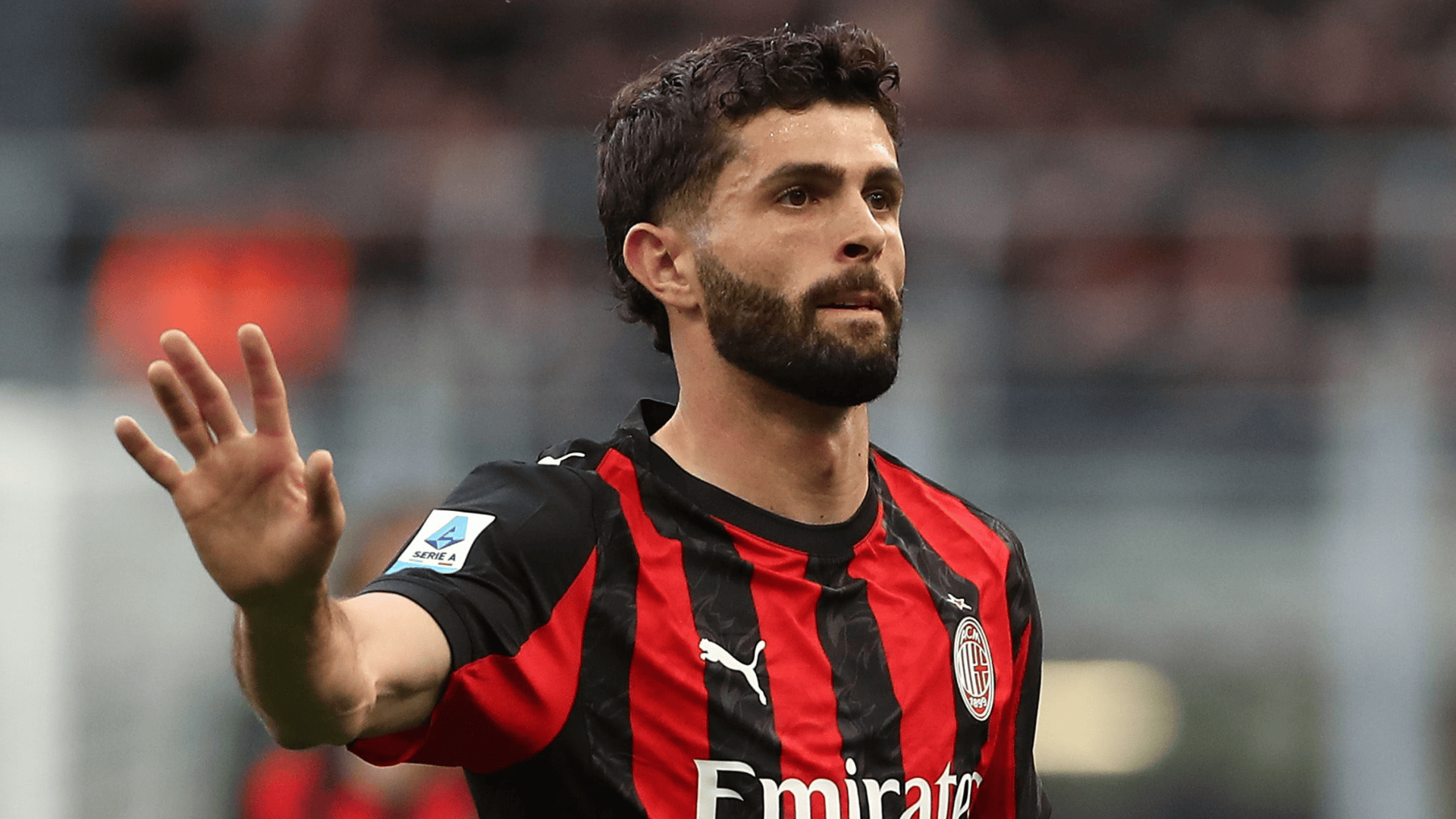
Understanding the Role of Christian Pulisic’s Faith in His Professional Career
Christian Pulisic’s religious beliefs serve as a private but foundational element of his personal life, offering a framework for his discipline, resilience, and perspective amidst the high-pressure environment of professional European...
Christian Pulisic’s religious beliefs serve as a private but foundational element of his personal life, offering a framework for his discipline, resilience, and perspective amidst the high-pressure environment of professional European and international soccer. While he does not publicly leverage his faith as a professional branding tool, his background informs the character traits—such as humility, perseverance, and emotional regulation—that sustain his career at the highest levels of the sport.
Contents
The Intersection of Personal Belief and Professional Athletics
In the high-stakes world of elite professional soccer, athletes often turn to various support systems to manage the intense physical and psychological demands of their careers. For many players, including Christian Pulisic, religious faith serves as a grounding force. Pulisic, who rose to prominence with Borussia Dortmund and later played for Chelsea and AC Milan, has grown up in the public eye. His journey from a youth prospect in Pennsylvania to a global star is a testament to immense technical talent, but his longevity in the sport relies equally on his psychological fortitude.
Faith, for athletes, often manifests as an "internal locus of control." This concept suggests that rather than being entirely consumed by the volatile nature of the sport—where transfer rumors, benching, and injuries are common—the athlete focuses on the elements they can command: their work ethic, their preparation, and their conduct. While Pulisic has maintained a reserved stance regarding the specific details of his religious practice, he has acknowledged the importance of his upbringing and the values instilled in him by his family, which are rooted in a traditional Christian background.
Psychological Resilience and Professional Discipline
Professional soccer is a career defined by extreme highs and crushing lows. The physical toll of the sport, coupled with the scrutiny of international media and fans, requires a robust mental framework. Pulisic has faced significant injury setbacks throughout his tenure in the Premier League and Serie A. Recovery from these injuries is not merely a physical process; it is a mental battle against frustration and impatience.
Studies in sports psychology often highlight that athletes with a firm sense of purpose—frequently derived from religious or spiritual grounding—tend to navigate periods of rehabilitation with more stability. For Pulisic, this manifests as a stoic approach to his profession. He has frequently spoken about his desire to prove himself, but he does so with an understated demeanor. His faith serves as a silent anchor, allowing him to disconnect from the external noise of the transfer market and social media criticism, and instead focus on the immediate, tangible requirements of his training regimen.
Comparison of Coping Mechanisms in Elite Soccer
The following table categorizes common methods used by elite athletes to manage career stress, highlighting where personal values—including religious faith—fit into the broader spectrum of athlete welfare.
| Coping Mechanism | Focus Area | Application in Soccer |
|---|---|---|
| Religious Faith | Internal/Personal | Provides a moral compass, humility, and perspective during injury or poor form. |
| Sports Psychology | Behavioral/Cognitive | Uses visualization and routine to optimize performance during matches. |
| Media Management | External/Public | Strategic interaction with press to control narrative and reduce personal pressure. |
| Support Networks | Relational | Relying on family and teammates for grounding and emotional support. |
The Role of Family and Upbringing
Christian Pulisic’s development was deeply influenced by a family of educators who valued both academic and athletic achievement. His parents, Mark and Kelley Pulisic, provided a stable environment that allowed him to move to Germany at a young age to pursue a professional contract. This move required immense trust and belief—not only in his own abilities but in a broader sense of providence.
In many Christian households in the United States, faith is treated as a foundational element of character development rather than a public performative act. This explains why Pulisic’s public persona is not overtly religious in a proselytizing sense. Instead, his faith is observable through his consistency. He avoids the typical pitfalls of fame that often derail young athletes, such as excessive ego or lack of professional focus. This stability is the outward sign of an inward conviction, and it has undoubtedly influenced his career by making him a desirable teammate and a reliable professional in the eyes of his managers.
Managing the Public Spotlight
As one of the most recognizable faces in United States soccer, Pulisic is subject to intense scrutiny. Every touch of the ball, every goal, and every transfer saga is dissected by millions. When players are forced to live under such constant observation, the risk of "identity diffusion"—where an individual forgets who they are outside of their profession—is high.
Pulisic’s ability to remain composed in post-match interviews, even after disappointing results, suggests a detachment that is often the byproduct of a strong personal identity. By anchoring his self-worth in personal values rather than solely on match statistics or transfer valuations, he protects his long-term career viability. This is a critical factor for any professional athlete. When the game ends, the athlete must still exist as a person, and having a bedrock of faith or core values prevents the "post-retirement" or "post-match" crash that many athletes face.
Ethical Conduct and Professionalism
The professional sports landscape is fraught with ethical challenges, from contract negotiations to public image maintenance. Pulisic has maintained a clean image, consistently avoiding off-field scandals or public disputes with clubs. This alignment with professional and personal integrity is a marker of someone guided by a structured set of values.
While it would be reductive to say his religion dictates his contract decisions, it is accurate to say that his background informs his decision-making process. He prioritizes the opportunity to play, the competitive environment, and the potential for growth. His move to Italy to play for AC Milan, for instance, demonstrated a willingness to step outside of his comfort zone, prioritizing the challenge of a new league over the familiarity of the Premier League. This willingness to embrace difficulty is consistent with a person who views their career not just as a series of paychecks, but as a path to be walked with diligence.
Frequently Asked Questions
Does Pulisic speak about his faith in interviews?
Christian Pulisic is notably private regarding his personal religious life. While he has acknowledged his upbringing, he does not generally use his platform to discuss specific religious doctrines or practices, preferring to focus his public communication on soccer and his professional goals.
Is his career trajectory linked to his religious beliefs?
There is no evidence suggesting his career choices—such as his transfer from Chelsea to AC Milan—are dictated by religious organizations or leaders. However, his professional demeanor, discipline, and handling of setbacks are consistent with the values often associated with a grounded, faith-based background.
How does he handle the stress of elite soccer?
Pulisic utilizes a mix of physical training, tactical study, and a strong personal support network. His internal discipline and ability to remain humble during successes and resilient during injuries are traits that many observers associate with his firm personal values and stable family upbringing.
Why do some fans associate him with a "clean-cut" image?
His avoidance of social media controversy, his respectful attitude toward coaches and opponents, and his lack of high-profile off-field incidents contribute to a "clean-cut" perception. This aligns with a professional standard that many associate with his upbringing in Hershey, Pennsylvania, where traditional values are prevalent.
Does he participate in team-based religious activities?
Like many international teams, locker room culture can vary. While some teams feature organized player-led chapels or prayers, these are typically private events. Whether Pulisic participates in such activities remains a matter of personal choice and team chemistry, rarely disclosed to the public.
Next Steps for Fans and Analysts
For those observing Christian Pulisic’s career, the most meaningful takeaway is not whether he follows a specific religious doctrine, but how he sustains the level of performance required for elite international soccer over a decade. Fans interested in the mental health and longevity of athletes should look toward his approach to recovery and his ability to navigate changing roles within different club systems. Pulisic represents the evolution of the American soccer player: technically adept, mentally resilient, and grounded by a strong sense of personal identity that persists despite the shifting tides of the global sports market.
Image Gallery