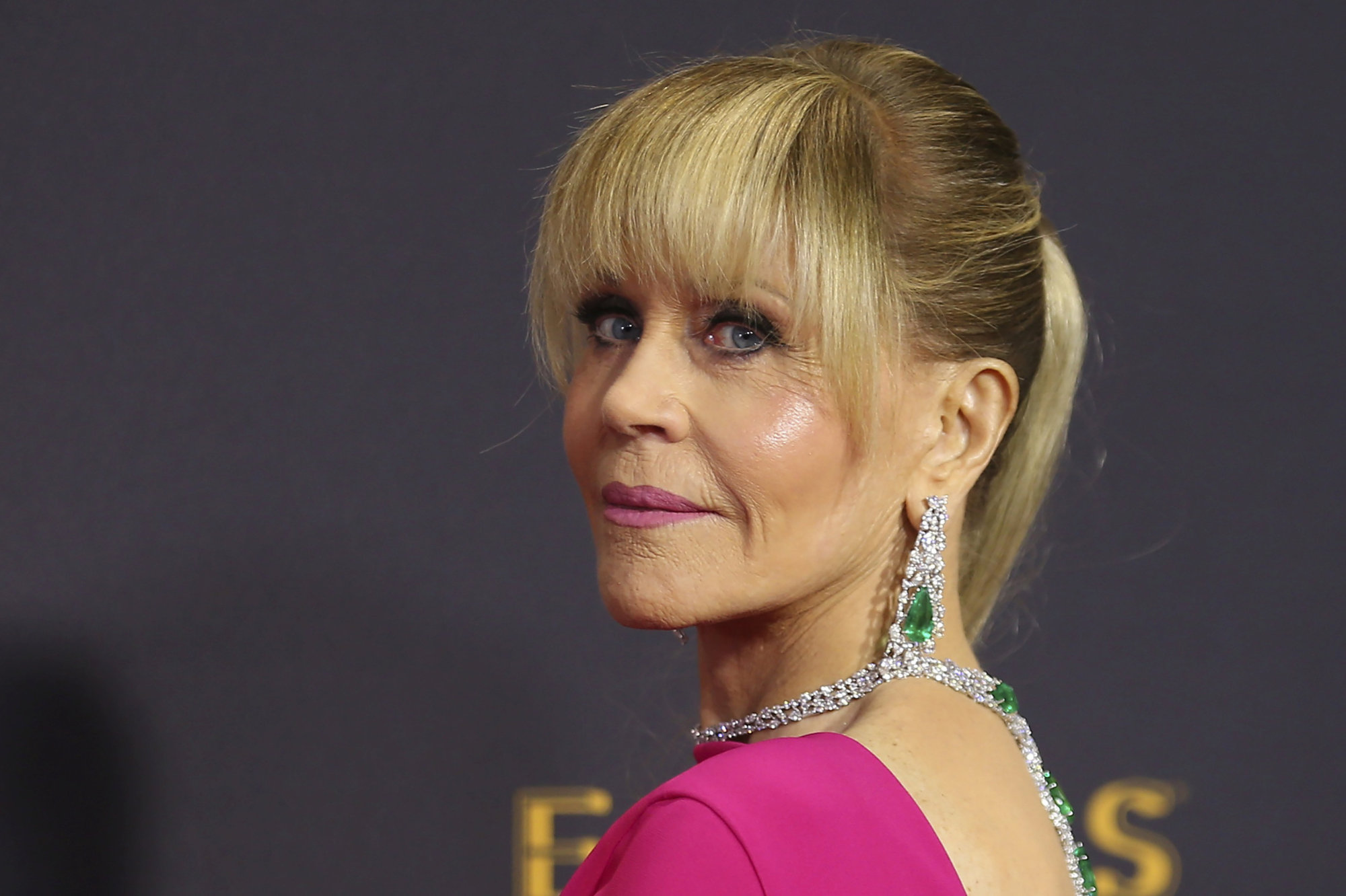
Jane Fonda at the Emmys: Analyzing Her Bold Fashion Statements and Cultural Impact
Jane Fonda’s appearances at the Primetime Emmy Awards have consistently served as a intersection point between high-fashion elegance and deliberate, symbolic messaging. Throughout her long-standing career, Fonda has utilized the red ca...
Jane Fonda’s appearances at the Primetime Emmy Awards have consistently served as a intersection point between high-fashion elegance and deliberate, symbolic messaging. Throughout her long-standing career, Fonda has utilized the red carpet not merely as a venue for promotional display, but as a calculated platform to underscore her personal values, environmental advocacy, and a lifelong commitment to social discourse. When she makes a "bold statement" at the Emmys, it is rarely an accidental stylistic choice; rather, it is a curated effort to communicate with the public on topics ranging from sustainability to the subversion of traditional Hollywood ageism.
Contents
The Evolution of the Red Carpet as a Political Forum
For decades, the red carpet at the Primetime Emmy Awards functioned primarily as a showcase for luxury couture and seasonal fashion trends. However, as cultural discourse shifted toward more intersectional topics, celebrities began using their presence to signal allegiances to specific causes. Jane Fonda represents one of the most prominent figures in this transition. Her history of activism, rooted in the political movements of the 1960s and 1970s, has imbued her red-carpet appearances with a weight that few other stars possess.
When analysts discuss Fonda making a "bold statement" at the Emmys, they often reference her refusal to buy new clothing for high-profile events. This practice serves as a direct critique of the "fast fashion" cycle that has dominated the entertainment industry for years. By intentionally repeating iconic looks or selecting vintage pieces from her own archives, Fonda creates a visual argument for sustainability. In an industry defined by the expectation of constant renewal, her defiance is both a technical fashion choice and a deliberate act of environmental advocacy.
Technical and Aesthetic Prerequisites of a "Bold Statement"
A bold statement at an event as heavily covered as the Emmys requires a precise understanding of visual language. For Fonda, this usually involves a combination of three primary components: color theory, silhouette, and context.
- Color Theory: Fonda frequently opts for saturated, high-contrast colors—such as vibrant reds, electric blues, or monochromatic whites—that command attention in high-definition broadcasts. These choices are designed to pop against the neutral backgrounds of press walls and stage lighting.
- Silhouette and Architecture: By choosing structured garments, Fonda highlights a physical presence that challenges societal expectations of how a woman of her generation should appear. These silhouettes are often classic, echoing the golden age of cinema, yet updated with modern materials.
- Contextual Narrative: The "boldness" often stems from the backstory of the garment. Whether it is a piece she has held onto for three decades or a repurposed accessory, the narrative context is what transforms an aesthetic choice into a public statement.
Comparative Analysis: Traditional Fashion vs. Conscious Curation
The following table compares the typical approach to red-carpet styling with the methodology employed by Jane Fonda in her more recent Emmy appearances.
| Feature | Traditional Industry Standard | Jane Fonda’s Conscious Curation |
|---|---|---|
| Garment Lifecycle | Single-use; returned after the event | Repeated use; archival repurposing |
| Design Priority | Trend-driven; seasonal influence | Longevity; personal archival value |
| Primary Goal | Maximizing media impressions | Communicating values; sustainability |
| Material Sourcing | Fast-fashion high-end collaborations | Vintage, recycled, or pre-owned |
| Economic Stance | Promotes consumption cycles | Rejects hyper-consumption |
The Impact of Ageism and Defiance in Hollywood
Beyond environmentalism, Fonda’s statements at the Emmys often address the systemic issue of ageism in Hollywood. By maintaining a sharp, confident, and unapologetic public persona, she implicitly critiques the industry’s tendency to sideline women as they age. Every Emmy appearance acts as a counter-narrative to the idea that relevance is synonymous with youth.
When she chooses to display natural aging—embracing gray hair or wearing makeup that highlights rather than hides her features—she creates a tangible, relatable impact. This is not merely about fashion; it is about visibility. Her ability to stand on stage among younger contemporaries while occupying the same level of authority and grace serves as a form of non-verbal leadership that resonates with audiences across multiple generations.
Addressing the Logistics of "Bold" Fashion
For those following Fonda’s lead in their own professional or public lives, the logistics of conscious dressing involve significant effort. It is far easier to procure a new garment than it is to curate a wardrobe that functions as an archive. The process requires:
- Proper Storage: Archiving formal wear requires climate-controlled environments to prevent fabric degradation.
- Tailoring: As body shapes change over time, the ability to re-tailor high-quality vintage garments is a critical technical skill. Fonda frequently utilizes expert tailors to ensure that archival pieces fit as intended, maintaining the integrity of the design while adjusting for current comfort.
- Accessory Pairing: Often, the "boldness" comes from pairing a long-held gown with contemporary accessories, bridging the gap between historical significance and modern aesthetic.
Common Misconceptions Regarding Celebrity Advocacy
One common error in interpreting Fonda’s red-carpet choices is the assumption that the clothing serves only a political purpose. In reality, these choices are dual-purpose. The clothing must still succeed as high fashion for the event to be successful. If a statement piece does not meet the visual standards of the Emmys, the message risks being lost in the discourse. Fonda excels at balancing this dichotomy, ensuring that her commitment to the planet does not supersede her commitment to the artistic standards of the medium in which she works.
Frequently Asked Questions (FAQ)
1. Why does Jane Fonda prioritize repeating outfits at major events like the Emmys? Fonda uses repeated outfits to challenge the industry standard of "one-time wear," which encourages excessive consumption. By showing that a high-end, classic garment can be worn multiple times over several decades, she highlights the environmental benefits of garment longevity.
2. Is there a specific "look" that defines Jane Fonda’s bold style? While her style is diverse, she frequently leans toward monochromatic, bold-colored gowns with clean lines. These choices emphasize a silhouette of strength and authority, rather than relying on transient trends that might lose relevance by the next awards season.
3. Does Jane Fonda work with stylists to plan these statements? Yes, while the impetus for the messaging comes from Fonda, she works with professional stylists who specialize in sustainable fashion. These professionals assist in the technical aspects of archival research, restoration, and tailoring to ensure the garments maintain their structural integrity.
4. How does Fonda’s activism influence the fashion industry? Her prominence helps normalize the practice of "conscious dressing." When an icon of her stature refuses to participate in the cycle of hyper-consumption, it puts pressure on fashion houses to consider the environmental impact of their production and marketing strategies.
5. How can I implement a more sustainable fashion approach based on Fonda's principles? The most effective approach is to invest in high-quality, timeless pieces that can be easily repurposed or tailored. Focus on garments that transcend seasonal trends and prioritize maintenance, such as proper dry cleaning and storage, to extend the life of your wardrobe.
Next Steps for Advocacy Through Fashion
If you are looking to emulate the "bold statement" philosophy, start by auditing your current collection of formal or professional wear. Instead of purchasing new items for your next major event, consider how an existing, high-quality garment could be updated with new accessories or minor tailoring adjustments. By treating your clothing as a long-term asset rather than a disposable commodity, you align yourself with the ethos that has made Jane Fonda a central figure in the conversation about the future of fashion and red-carpet representation.
Image Gallery