How Much Gold Is in an iPhone: A Realistic Look at Precious Metal Recovery
An iPhone typically contains between 0.03 and 0.05 grams of gold, depending on the model, age, and internal component configuration. While gold is an essential, highly conductive material used on circuit boards and connectors, the tota...
An iPhone typically contains between 0.03 and 0.05 grams of gold, depending on the model, age, and internal component configuration. While gold is an essential, highly conductive material used on circuit boards and connectors, the total mass is remarkably small. Extracting this gold is a complex, industrial-scale process that is rarely profitable for individual consumers or small-scale hobbyists.
Contents
The Role of Gold in Modern Consumer Electronics
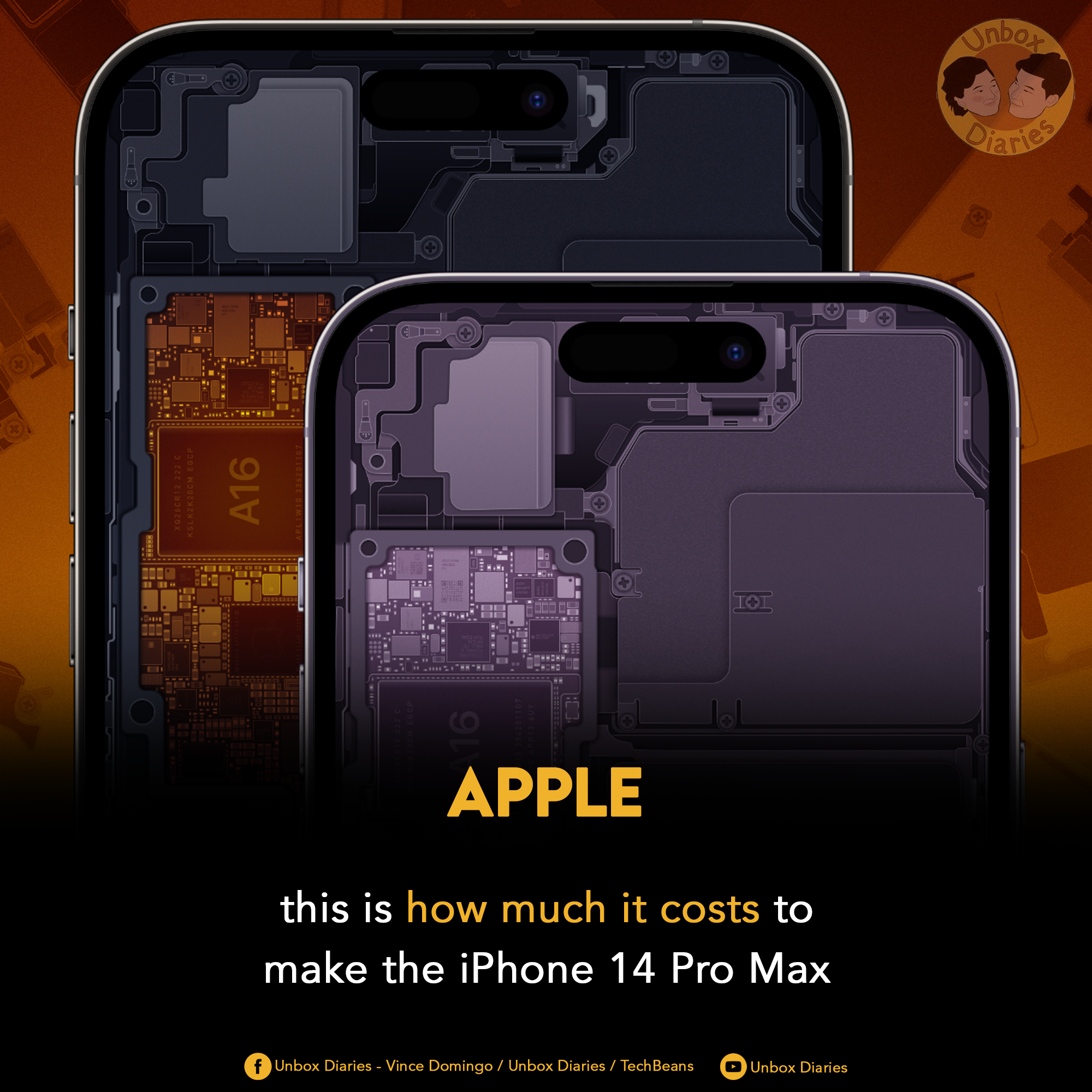
To understand why gold is present in an iPhone, one must first recognize its unique physical and chemical properties. Gold is an exceptional conductor of electricity, but its primary value in electronics lies in its resistance to corrosion. Unlike copper or silver, gold does not oxidize when exposed to air or moisture. This stability makes it the ideal material for plating connectors, pins, and critical points on printed circuit boards (PCBs).
In a high-performance device like an iPhone, thousands of micro-connections must maintain perfect electrical integrity over several years of use. Even a microscopic amount of corrosion could lead to signal degradation or hardware failure. By utilizing thin layers of gold, manufacturers ensure that these contact points remain reliable despite the heat generated by processors and the environmental stressors a phone encounters daily.
Breaking Down the Precious Metal Content
While the presence of gold is essential, the absolute quantity remains minuscule. Modern manufacturing processes emphasize material efficiency, using sophisticated "gold plating" or "gold bonding" techniques that deposit only a few microns of the metal onto base materials like copper or nickel.
When you consider the average iPhone—ranging from the smaller form-factor models to the larger Pro Max variants—the gold content remains remarkably consistent in terms of mass, usually falling well below the 0.05-gram threshold. Beyond gold, these devices also contain other precious and semi-precious metals, including:
- Silver: Used in various solder joints and conductive paths.
- Copper: The primary metal used for the bulk of the internal wiring and board circuitry.
- Palladium and Platinum: Frequently found in multi-layer ceramic capacitors (MLCCs).
- Rare Earth Elements: Used in speakers, microphones, and the vibration motor assembly.
The Myth of Home Extraction
A common misconception—often fueled by viral social media videos—is that an individual can easily "melt down" an old iPhone to retrieve a significant amount of gold. These videos often omit the technical realities, logistical hurdles, and extreme safety hazards associated with the process.
Extracting gold from electronic waste (e-waste) requires an industrial metallurgical approach. The process involves multiple stages:
- Mechanical Shredding: The device must be dismantled and pulverized into a fine powder.
- Chemical Leaching: The powder is subjected to strong acids (such as aqua regia) or cyanide-based solutions to dissolve the metals.
- Refinement: The resulting liquid must undergo complex precipitation and purification steps to isolate the gold from other base metals.
For the average person, this process is not only impractical but dangerous. The chemicals required are highly corrosive, toxic, and produce hazardous fumes that can cause severe respiratory damage if not managed in a professional laboratory setting with specialized ventilation and waste-handling equipment.
Economic Realities: Is It Worth the Effort?
When evaluating whether to recover gold from an iPhone, the economic math rarely favors the individual. The market value of 0.03 to 0.05 grams of gold—at current 2026 market prices—is negligible, usually worth only a few dollars. When you factor in the cost of chemicals, the specialized equipment required, and the significant time investment, the "cost per gram" of recovered gold far exceeds the market price of the metal itself.
The following table summarizes the typical components found in an iPhone that contain precious metals and the relative difficulty of recovery.
| Component | Precious Metal Content | Recovery Difficulty | Industrial Value |
|---|---|---|---|
| Motherboard/PCB | Gold, Silver, Palladium | High (Chemical) | Moderate |
| Connectors/Pins | High-purity Gold Plating | Moderate (Mechanical) | Low |
| Capacitors | Palladium, Tantalum | Extreme | High (Volume dependent) |
| Housing/Casing | Trace amounts | Negligible | None |
Environmental Impact and Circular Economy
While home extraction is inefficient and ill-advised, the professional recycling of iPhones is a critical component of the global circular economy. Professional e-waste recyclers use closed-loop systems that prioritize the recovery of high-value materials. These facilities are designed to capture hazardous materials like lead, cadmium, and mercury, ensuring they do not leak into the environment while simultaneously reclaiming gold, copper, and rare earth elements for use in future manufacturing.
Apple, like many major electronics manufacturers, maintains "take-back" programs. These programs are far more efficient than individual recovery. By returning a device through official channels, you ensure that the materials are processed in facilities that adhere to stringent environmental and labor standards, maximizing the recovery rate of all valuable components.
Common Questions Regarding iPhone Gold
Is the gold in an iPhone real 24-karat gold? The gold used in electronic plating is often alloyed to increase its hardness and durability for manufacturing purposes. While it is authentic gold, it is rarely "pure" in the sense of being 24-karat bullion.
Does an older iPhone contain more gold than a new one? Historical trends show that manufacturers are constantly optimizing their designs to use fewer materials. While early mobile phones from the 1990s and early 2000s often had thicker gold plating, modern iPhones use highly optimized, thin-film deposition techniques, meaning newer phones generally contain less gold by weight than their predecessors.
Can I sell my broken iPhone for its gold value? No. A broken iPhone is almost never worth its "precious metal" value alone. Its value as a source of spare parts (like the screen, cameras, or buttons) for repair shops is significantly higher than the melt value of the metals inside it.
Why don't recyclers pay me more for my old iPhone? Recyclers must account for the high cost of the automated sorting, chemical processing, and environmental remediation required to keep the process safe and compliant with regulations. These operational costs consume the vast majority of the potential profit from the tiny amount of gold present.
Are there other valuable materials in an iPhone? Yes. While gold gets the most attention, materials like cobalt (used in lithium-ion batteries), tungsten (used in the haptic engine), and rare earth elements (in magnets) are arguably more critical to the electronics supply chain than the small amount of gold present.
Moving Forward with Your Old Device
If you are currently holding onto an old iPhone with the hope of extracting gold, the most practical and environmentally sound recommendation is to utilize official recycling or trade-in programs. Attempting to disassemble, crush, or chemically treat the internal circuitry at home poses a significant health risk and will almost certainly result in a net financial loss.
If the device is still functional, consider donating it, trading it in for credit on a new model, or selling it to a professional refurbisher. These options extend the useful life of the device, which is the most effective way to offset the environmental cost of the raw materials used in its construction. If the device is beyond repair, place it in an e-waste collection bin managed by a certified professional recycler to ensure the precious metals are recovered through safe, industrial-grade methods.
Image Gallery