Recognizing the Behavioral and Digital Signs of Infidelity in 2026
Identifying if a girlfriend is cheating requires a careful analysis of sudden shifts in emotional intimacy, unexplained changes in daily routines, and a heightened level of digital secrecy. While no single behavior guarantees infidelit...
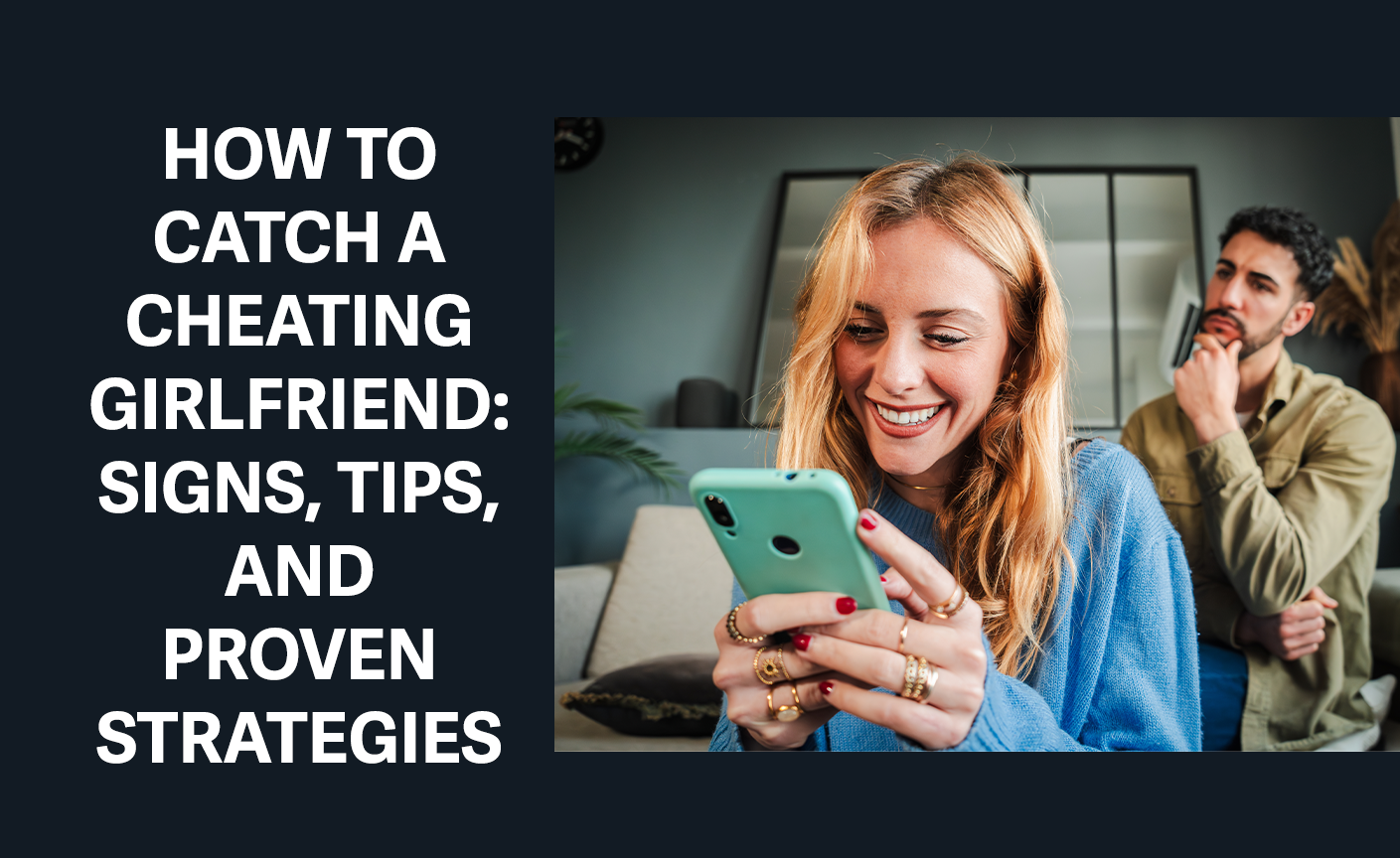
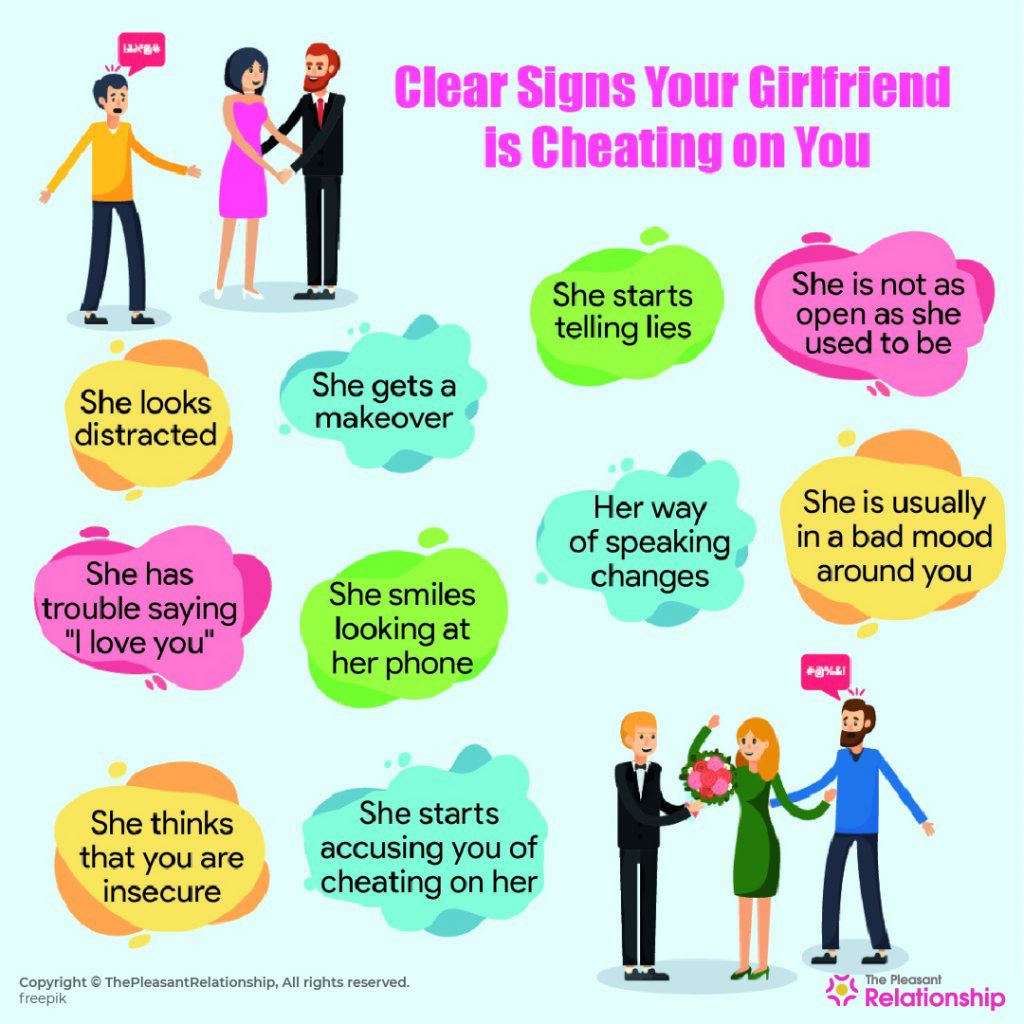
Identifying if a girlfriend is cheating requires a careful analysis of sudden shifts in emotional intimacy, unexplained changes in daily routines, and a heightened level of digital secrecy. While no single behavior guarantees infidelity, a consistent pattern of defensiveness, physical withdrawal, and "gatekeeping" her personal devices often suggests a breach of trust or the presence of a third party in the relationship.
Contents
The Evolution of Infidelity Detection in 2026
As we navigate the social landscape of 2026, the ways people connect—and disconnect—have become more complex. Relationships are now deeply integrated with digital ecosystems, making the signs of a girlfriend cheating more subtle than they were a decade ago. Infidelity is rarely a spontaneous event; it is usually preceded by a period of emotional "de-coupling" or "micro-cheating," where the boundaries of the relationship are slowly eroded.
To understand the signs, one must look past simple suspicion and analyze the psychological and tactical shifts in a partner's behavior. In the current year, digital privacy is a standard expectation, but there is a distinct line between a desire for personal space and the active concealment of information. Understanding this distinction is the first step in assessing the health of your partnership.
Digital Red Flags: The Privacy vs. Secrecy Boundary
In 2026, digital interactions are the primary frontier for infidelity. While everyone deserves a degree of privacy, sudden changes in how a partner manages their devices are often the most reliable early indicators of a problem.
Unusual Smartphone Habits
If your girlfriend has suddenly become inseparable from her phone, it may indicate more than just a new social media obsession. Look for the following specific behaviors:
- The Downward Face: Placing the phone face-down every time you enter the room or sit nearby.
- Notification Silencing: Using "Focus Modes" or "Do Not Disturb" exclusively when she is with you to prevent unexpected messages from appearing on the lock screen.
- Biometric Changes: Adding new facial recognition profiles or changing long-standing passcodes without a clear reason.
- Reactionary Movement: Taking the phone into the bathroom or other rooms for short durations, whereas previously she would leave it on the counter.
Concealed Communication Platforms
Traditional SMS and mainstream social media are often bypassed by those engaging in infidelity. In 2026, the use of encrypted messaging apps or "disappearing message" features is common. If you notice she has downloaded apps like Signal, Telegram, or specialized privacy folders that were never part of her routine before, it warrants a calm conversation about why her communication needs have changed.
Emotional and Psychological Shifts
Infidelity often creates a psychological "split" in the person cheating. They must maintain two different versions of their life, which inevitably leads to emotional leakage and behavioral inconsistencies.
Increased Defensiveness and Gaslighting
One of the most common signs is a sudden shift in how she responds to simple questions. If asking "How was your day?" or "Who were you talking to?" triggers an aggressive response or accusations that you are "controlling" or "paranoid," this is often a defense mechanism known as projection. By making you the "problem," she diverts attention away from her own actions.
The "Pick-Me" or "Over-Correction" Phase
Conversely, some women experience a surge of guilt that manifests as an unusual increase in affection or gift-giving. If she is suddenly over-attentive or buying you expensive gifts without a special occasion, it may be an attempt to compensate for the emotional distance she feels elsewhere. This "over-correction" is an attempt to stabilize the relationship and alleviate the internal pressure of a secret.
Emotional Withdrawal and Lack of Conflict
Surprisingly, a complete lack of arguments can be a red flag. If she has stopped complaining about things that used to bother her, it may mean she has emotionally checked out. When a partner is no longer invested in the future of the relationship, they stop trying to fix the problems within it. This state of "apathy" is often more concerning than active conflict.
Changes in Routine and Physical Intimacy
Physical signs and schedule changes are the "logistical" indicators of infidelity. Maintaining an affair requires time and energy, which must be stolen from the primary relationship.
Unexplained Gaps in the Day
In 2026, with the prevalence of flexible work environments and remote roles, "working late" has become a less common excuse. Instead, look for:
- New Hobbies: Suddenly taking up a time-consuming hobby that she prefers to do alone or with a new group of "friends" you’ve never met.
- Errand Inflation: Simple tasks like going to the grocery store or gym taking three times longer than usual.
- Gym Habits: A sudden, intense focus on physical appearance or a new workout routine that didn't exist before, especially if she is buying a new wardrobe or lingerie that you never see her wear.
The Shift in Physical Intimacy
Infidelity does not always mean a total cessation of sex. In some cases, the excitement of an affair can temporarily increase the libido. However, more often, there is a noticeable change in the quality of intimacy.
- Mechanical Interaction: Intimacy feels like a chore or a routine rather than an emotional connection.
- New Techniques: Suddenly introducing new "moves" or preferences in the bedroom that seem out of character or unprompted by your shared experiences.
- Physical Aversion: Recoiling from non-sexual touch, such as holding hands or hugging, because the physical proximity feels "wrong" due to the emotional bond they are forming with someone else.
Comparison: Healthy Autonomy vs. Potential Infidelity
It is vital to distinguish between a partner who is simply growing as an individual and one who is hiding something. The following table provides a breakdown of these differences based on relationship standards in 2026.
| Feature | Healthy Autonomy / Growth | Potential Sign of Infidelity |
|---|---|---|
| Phone Usage | Occasionally texts friends; respects shared time. | Obsessive checking; hides screen; panics if you touch the device. |
| Work Schedule | Clear communication about deadlines or new projects. | Vague "meetings" or "events" with no specific details or colleagues mentioned. |
| Appearance | Gradual changes for self-confidence or health. | Sudden, drastic overhaul of style and grooming for no apparent reason. |
| Arguments | Focuses on resolving the specific issue at hand. | Deflects by attacking your character or bringing up unrelated past mistakes. |
| Friendships | You know her friends or are invited to meet them. | Mentions "new friends" or "coworkers" but keeps them strictly separated from you. |
| Intimacy | Fluctuates based on stress and life events. | Feels performative, absent, or strangely inconsistent with her usual behavior. |
Financial Indicators and "Paper Trails"
While many people in 2026 use digital wallets and split-payment apps, financial movements still leave traces. If you share finances or have a general idea of her spending, look for anomalies:
- ATM Withdrawals: An increase in cash usage. Cash is the preferred method for "offline" dating, as it leaves no digital footprint on bank statements.
- Hidden Subscriptions: Small, recurring charges for premium versions of apps that aren't for work or entertainment (e.g., premium dating site features often appear as generic parent company names).
- Ride-Share Histories: Frequent trips to locations that don't align with her stated destination, or "ghost trips" where she stops sharing her location during the transit.
How to Address the Signs with Maturity and Authority
If you have identified multiple signs from the sections above, your next steps must be handled with a focus on clarity rather than confrontation.
1. Document Your Observations
Before speaking, ensure your concerns are based on a pattern, not a single bad day. Write down dates and specific behaviors. This isn't for "courtroom evidence," but to help you stay grounded if she attempts to gaslight you during the conversation.
2. Choose the Right Environment
Avoid discussing your suspicions when either of you is tired, stressed from work, or in a public setting. Choose a neutral, private space where you can have an uninterrupted conversation for at least an hour.
3. Use "I" Statements
Instead of saying, "You are cheating on me," try: "I have noticed that we haven't been as close lately, and the changes in your schedule and privacy have made me feel insecure about our connection. Can we talk about what's going on?" This reduces defensiveness and opens the door for her to be honest.
4. Observe the Response
A partner who is faithful but perhaps going through a personal crisis will usually respond with concern or a logical explanation. A partner who is cheating will often respond with anger, redirection, or a "word salad" intended to confuse you.
The Psychological Impact of Discovery
Infidelity is a form of relational trauma. In 2026, therapists emphasize that the "betrayal blindness"—the period where you see the signs but refuse to believe them—is often the most painful part of the process. If your suspicions are confirmed, prioritize your mental health. Seeking professional guidance from a relationship counselor can help navigate the complexities of "staying and repairing" versus "leaving and healing."
Frequently Asked Questions
Is checking her phone ever justified if I suspect cheating?
While privacy is a right, transparency is a requirement for a healthy relationship. If there is a severe breach of trust, some experts suggest "consensual transparency" where both partners agree to share access. However, snooping secretly often damages the relationship further, even if you find nothing. It is better to ask for the information directly and gauge her reaction.
What if she says she just needs "more space"?
"Needing space" is a valid human need, but it should be accompanied by an explanation of what that space looks like and why it’s necessary. If "space" includes being unreachable for hours and a total shutdown of digital communication, it is often a euphemism for distancing herself emotionally to facilitate an affair.
Can a relationship survive infidelity in 2026?
Yes, but it requires a "radical honesty" framework. Both partners must be willing to dismantle the old relationship and build a new one from scratch. This involves the cheating partner ending all contact with the third party and the betrayed partner eventually moving toward a place of forgiveness, which can take years of professional work.
What is "micro-cheating" and is it a real sign?
Micro-cheating refers to behaviors that border on infidelity, such as engaging in flirtatious comments online, maintaining a "work spouse" with inappropriate boundaries, or hiding the fact that she is in a relationship from new acquaintances. In 2026, micro-cheating is often the gateway to physical or deep emotional affairs.
Why would she cheat if our relationship seems fine?
Infidelity is often more about the cheater's internal state than the quality of the relationship. It may stem from a need for validation, a fear of aging, or an inability to handle conflict. A "perfect" relationship on the surface does not provide immunity against a partner's personal insecurities or poor decision-making.
Moving Forward with Clarity
Trust is the foundation of any partnership, and once it is called into question, the dynamic of the relationship changes permanently. Whether the signs you are seeing lead to a confirmation of infidelity or reveal a different underlying issue—such as depression or job stress—addressing them is the only way to find peace.
If the evidence points toward cheating, remember that your value is not defined by your partner's choices. You deserve a relationship characterized by transparency, respect, and mutual effort. By recognizing these signs early, you empower yourself to make the best decision for your future, whether that involves healing the bond or moving on to a healthier chapter.
Image Gallery