Unlocking the World’s Most Unique Airbnbs: Extraordinary Stays, Booking Realities, and What to Expect
Finding the most unique Airbnbs involves looking beyond standard hotel rooms and typical suburban rentals to discover architectural marvels, remote ecological retreats, and whimsical concept properties that redefine short-term lodging....
Finding the most unique Airbnbs involves looking beyond standard hotel rooms and typical suburban rentals to discover architectural marvels, remote ecological retreats, and whimsical concept properties that redefine short-term lodging. These extraordinary spaces range from suspended treehouses in deep rainforests to restored historical lighthouses, underground earth homes, and floating architectural wonders.
Contents
Booking an unconventional property requires a different approach than reserving a standard city apartment. Travelers must navigate complex logistical prerequisites, manage unique environmental conditions, and evaluate property-specific operational limitations before confirming a reservation. While these stays offer unforgettable experiences, they often demand greater flexibility, higher maintenance awareness, and careful adherence to host rules regarding remote locations, fragile ecosystems, and specialized amenities.
Understanding the Landscape of Exceptional Short-Term Rentals
The short-term rental market has evolved far beyond basic spare bedrooms and urban studio apartments. Platforms and individual hosts now capitalize on experiential travel, transforming unusual architecture, reclaimed industrial sites, and untouched natural landscapes into habitable works of art. This shift responds to a growing consumer demand for immersive travel, where the accommodation itself serves as the primary destination rather than a mere place to sleep.
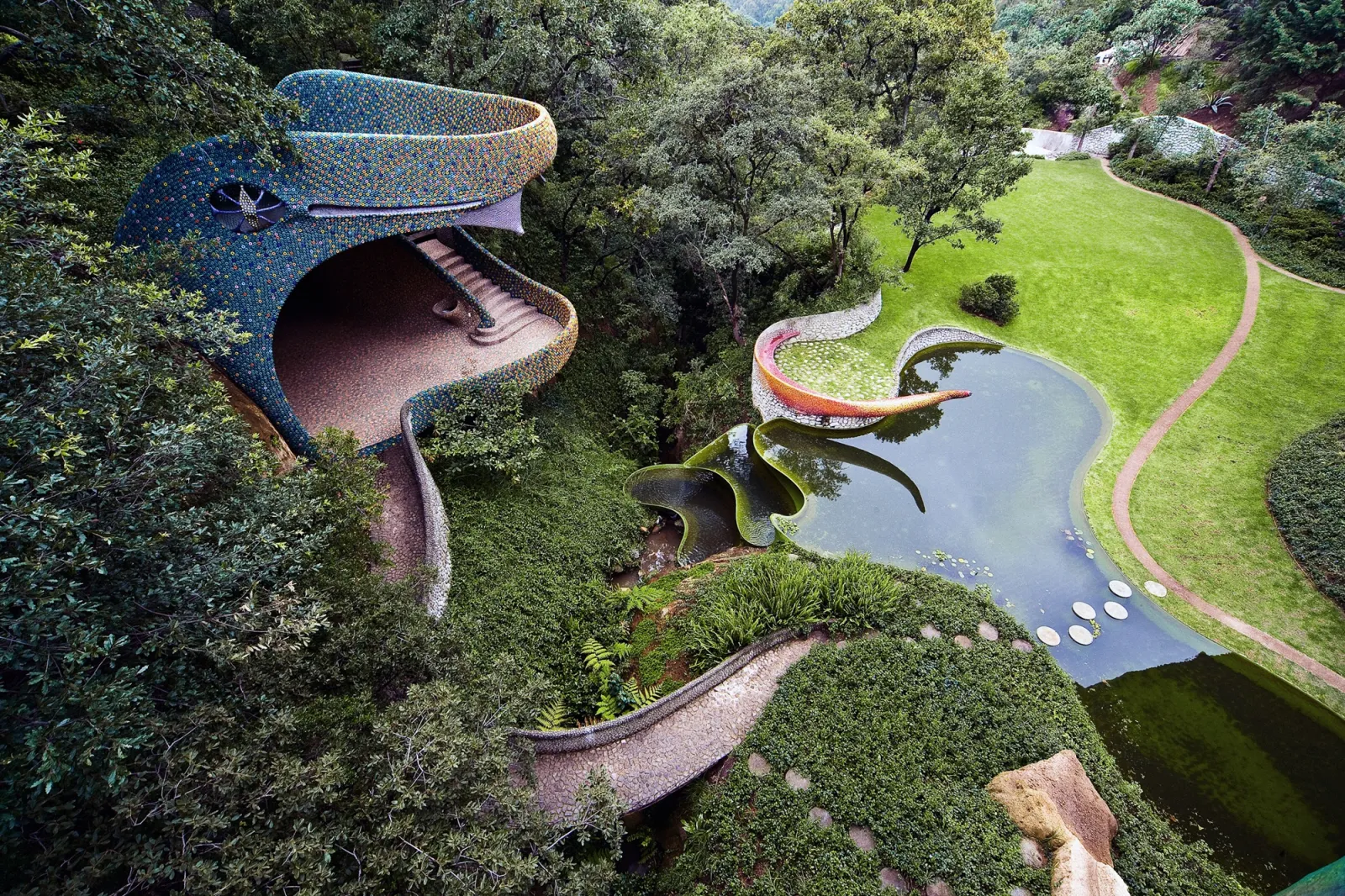
Properties categorized as unique generally fall into distinct architectural or environmental archetypes. Understanding these categories helps travelers align their expectations with the realities of staying in remote, historical, or experimental structures.
- Architectural Concept Homes: Modernist masterpieces, glass pavilions, and minimalist brutalist structures designed by notable architects.
- Immersive Nature Retreats: Treehouses, forest cabins, off-grid yurts, and cliffside geodesic domes built into rugged topographies.
- Historical and Adaptive Reuse: Converted lighthouses, abandoned windmills, vintage railway carriages, and repurposed grain silos.
- Subterranean and Geological Dwellings: Cave homes, earth-sheltered dugouts, and desert rock formations retrofitted with modern utilities.
Evaluating these options requires looking past striking photography to examine structural integrity, accessibility, and seasonal livability. A glass-walled desert pavilion may offer breathtaking sunset views, but extreme thermal fluctuations require robust climate control systems that older or purely experimental builds might lack.
Key Categories of Extraordinary Stays
To help prospective guests navigate the vast array of unconventional listings, properties can be grouped by their core structural and experiential characteristics. Each category presents distinct advantages, engineering marvels, and operational challenges.
| Category | Primary Appeal | Common Operational Challenge |
|---|---|---|
| Architectural Marvels | Cutting-edge design, aesthetics | Strict house rules, fragile finish |
| Off-Grid Wilderness Retreats | Complete isolation, nature | Limited power, connectivity gaps |
| Adaptive Reuse Structures | Local history, industrial charm | Compact layouts, unusual plumbing |
| Subterranean & Earth Homes | Natural insulation, novelty | Humidity control, limited windows |
Architectural Marvels and Modernist Sanctuaries
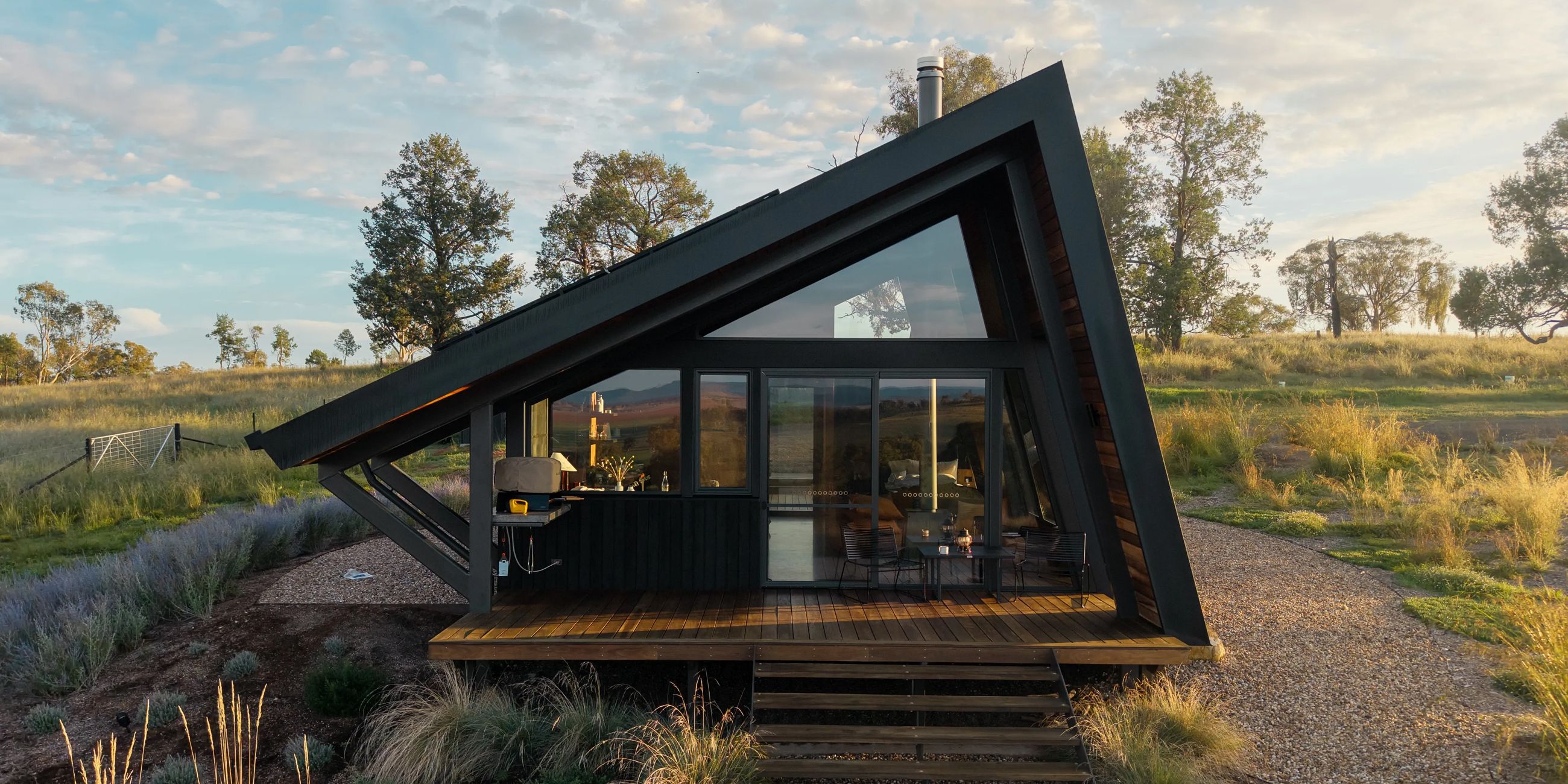
Architectural concept homes often feature cantilevered steel frames, floor-to-ceiling glass walls, and innovative spatial layouts. Located in scenic isolation or integrated into dramatic urban settings, these homes appeal to design enthusiasts. However, they frequently enforce strict usage policies. Hosts may prohibit events, require specialized shoe removal, or mandate caution around custom-built furniture and delicate interior finishes.
Off-Grid Wilderness Retreats
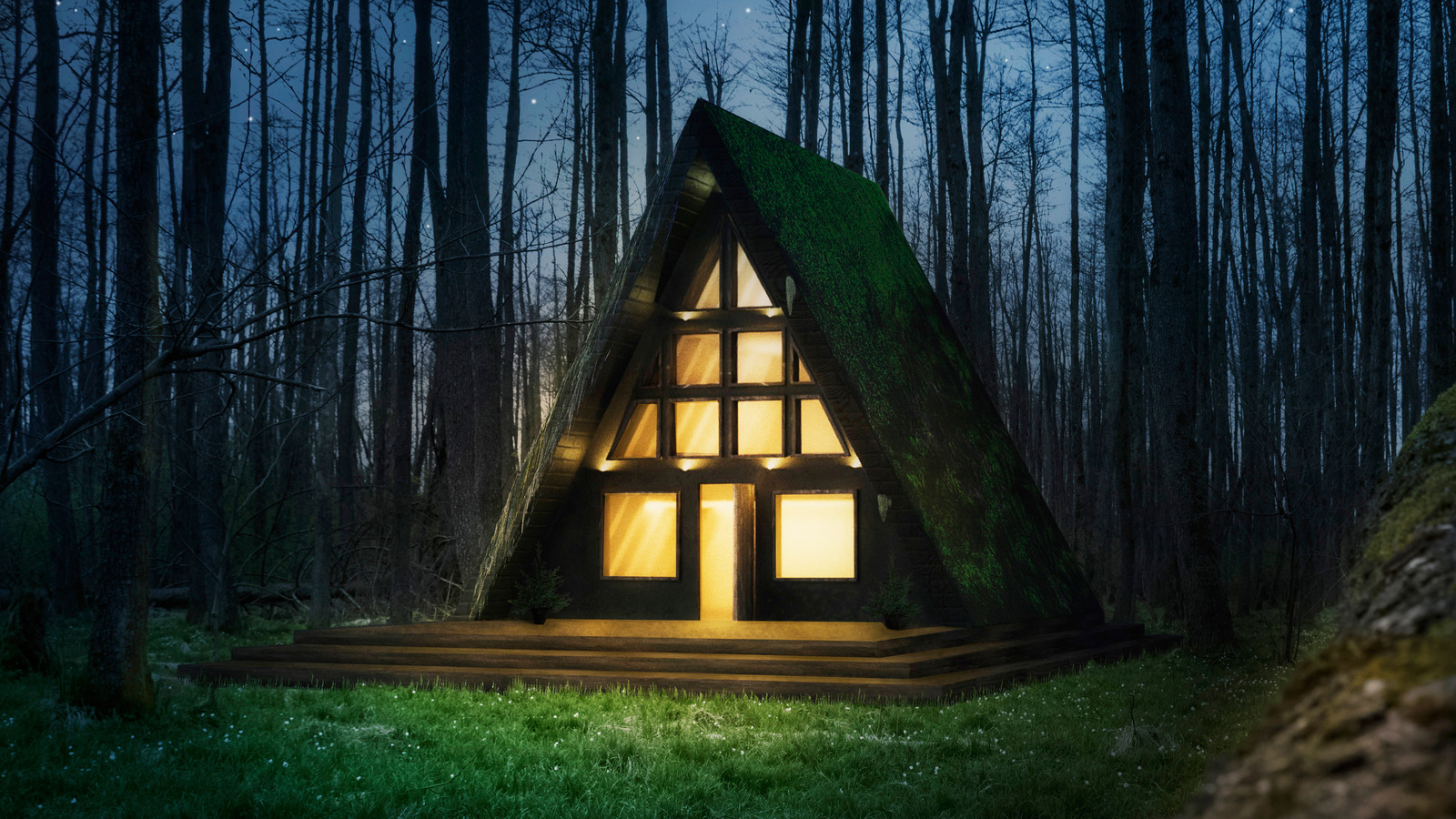
Treehouses, remote forest cabins, and mountain domes prioritize immersion in nature. These stays often rely on alternative energy sources, such as solar panels, rainwater catchment systems, and composting toilets. While offering tranquility and dark sky views for stargazing, guests must accept potential trade-offs in power reliability, heating capacity, and cellular connectivity.
Adaptive Reuse and Historical Conversions
Breathing new life into obsolete infrastructure creates deeply memorable stays. Sleeping inside a decommissioned lighthouse on a rugged coast or a restored 19th-century water tower connects guests to local industrial and maritime heritage. Because these structures were never originally designed for domestic habitation, interior layouts can be vertical, stairways exceptionally steep, and plumbing configurations unconventional.
Essential Prerequisites and Booking Considerations
Reserving a specialty property demands meticulous preparation. Unlike standard hotel rooms or cookie-cutter urban apartments, unconventional stays often involve logistical hurdles that can disrupt a trip if overlooked during the planning phase.
Accessibility and Physical Demands
Many extraordinary properties are situated in challenging topographies—steep mountain ledges, dense woodlands, coastal cliffs, or isolated islands. Guests must carefully review the listing description for physical access requirements. A cliffside villa might require navigating dozens of uneven stone steps with heavy luggage, while a jungle treehouse may involve climbing vertical suspension ladders. Travelers with mobility limitations or young children must verify whether the structural design accommodates their needs.
Utilities, Climate Control, and Infrastructure
Off-grid or remote properties operate differently from standard urban homes. Reviewing the heating, ventilation, and air conditioning (HVAC) setup is vital.
- Power Supply: Determine whether the property relies entirely on solar generators or battery banks, which may limit the use of high-draw appliances like hair dryers or electric kettles.
- Water Systems: Understand water conservation rules. Some rural properties use cisterns or well water that requires careful monitoring.
- Connectivity: Confirm Wi-Fi availability and mobile network coverage if continuous internet access is required for work or communication.
Transportation and Last-Mile Logistics
Reaching a truly unique property often requires specialized transportation. Standard economy rental cars may struggle on unpaved logging roads, steep gravel driveways, or muddy mountain tracks. Some island or mountain rentals require secondary transfers via water taxis, snowmobiles, or four-wheel-drive vehicles arranged well in advance.
Financial Realities: Costs, Fees, and Value Assessment
The financial investment required for the world's most unique Airbnbs often exceeds standard lodging rates. Understanding how these costs break down ensures travelers avoid unexpected budget overruns.
Base Nightly Rates vs. Operating Expenses
Unconventional properties frequently carry higher nightly tariffs due to specialized construction, architectural exclusivity, and intensive maintenance requirements. Furthermore, cleaning fees for remote properties are often elevated because service providers must travel significant distances to service the location.
Additional Property Fees and Security Deposits
Hosts of high-end design homes or fragile historical structures frequently require security deposits or hold agreements to cover potential damage to custom furnishings or sensitive environmental systems. Guests should also verify whether local occupancy taxes, resort fees, or pet surcharges—if animals are permitted—are included in the initial booking total.
Insurance and Liability Coverage
Standard travel insurance policies may exclude adventurous activities or remote wilderness stays. Reviewing personal health and travel coverage to ensure it includes emergency medical evacuation from remote areas is a prudent step when booking off-the-grid or high-altitude properties.
Common Mistakes and Troubleshooting Potential Issues
Even meticulously planned trips to unconventional properties can encounter operational hiccups. Recognizing common pitfalls helps guests mitigate risks before arrival.
- Overlooking Seasonal Weather Vulnerabilities: Booking a geodesic dome in a high-wind mountain pass or an uninsulated glass cabin during winter without checking heating capacity can lead to uncomfortable conditions. Always cross-reference the local climate profile with the property's insulation and heating specs.
- Ignoring Strict Cancellation Policies: Due to high demand and specialized upkeep, unique properties often enforce stringent cancellation terms. Reviewing these policies prior to payment protects against non-refundable losses if travel plans change unexpectedly.
- Failing to Clarify Supply Provisions: Remote rentals rarely sit around the corner from a grocery store or pharmacy. Failing to verify whether basic provisions like drinking water, firewood, cooking oil, and toiletries are provided can result in inconvenient emergency supply runs.
Frequently Asked Questions
How do I find the most unique Airbnbs on the platform?
While Airbnb features curated categories like "OMG!" and "Design," travelers can also refine searches using specific architectural keywords such as "treehouse," "earth home," "lighthouse," or "dome" combined with targeted geographic regions. Reviewing Superhost profiles and guest photo reviews provides additional verification of the property's actual condition.
Are unique Airbnbs safe for families with young children?
Safety varies significantly by property type. Architectural homes with open staircases, sharp edges, unfenced water features, or high balconies may present hazards for toddlers. Always inspect listing photos for safety features and message the host directly regarding child suitability before booking.
What should I do if essential utilities fail at a remote property?
Because remote and off-grid properties rely on specialized systems, minor technical interruptions can occur. Contact the host immediately via the platform's messaging system to report the issue. Review the listing guide for emergency shut-off valves, generator instructions, or backup contact numbers provided in the welcome binder.
Can I host events or photo shoots at architectural Airbnbs?
Most hosts strictly prohibit unauthorized commercial photo shoots, weddings, or private events. Hosting gatherings requires explicit written permission, often accompanied by specialized commercial agreements, additional insurance verification, and higher event-specific fees.
Strategic Next Actions for Booking Your Stay
Securing an extraordinary rental requires early planning due to limited inventory and high demand from global travelers. Begin by establishing a firm travel budget that accounts for base rates, remote transport logistics, and specialized cleaning or security fees.
Next, shortlist properties that match your physical comfort level, transportation capabilities, and desired aesthetic. Message hosts directly to clarify any ambiguities regarding utilities, road conditions, or house rules before confirming your reservation. By approaching the booking process with careful due diligence, you ensure that your stay in an exceptional architectural or natural wonder remains memorable for all the right reasons.
Image Gallery