The Reality of Kardashian Jets: Private Aviation, Ownership, and Public Fascination
Kim Kardashian’s custom-built Gulfstream G650ER, often valued near $150 million, represents the pinnacle of ultra-luxury private aviation and has become a frequent subject of public curiosity, environmental debate, and aviation trackin...
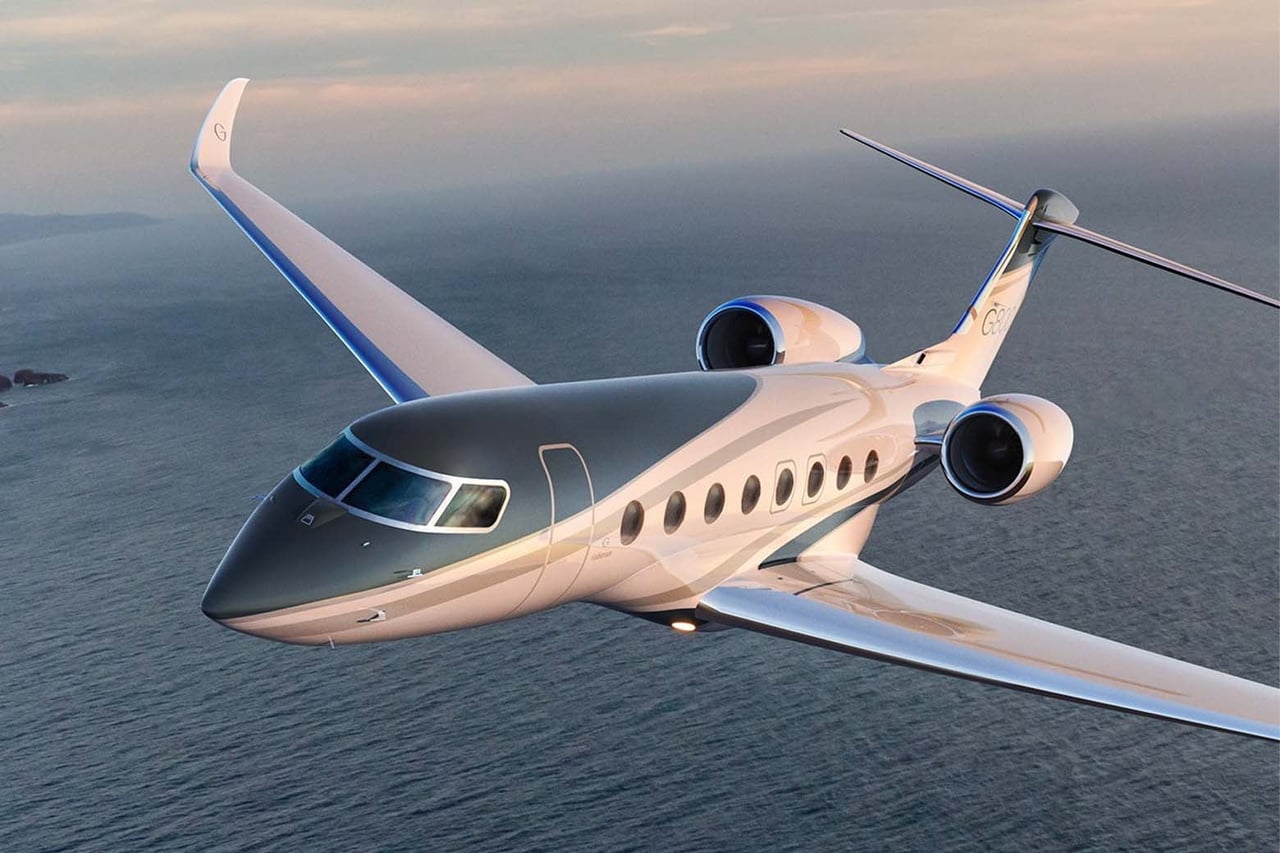
Kim Kardashian’s custom-built Gulfstream G650ER, often valued near $150 million, represents the pinnacle of ultra-luxury private aviation and has become a frequent subject of public curiosity, environmental debate, and aviation tracking.
Contents
Private aviation represents the ultimate intersection of ultra-high-net-worth lifestyle management, heavy capital expenditure, and complex regulatory compliance. Among public figures, few names draw as much intense scrutiny regarding their private aircraft as the Kardashian-Jenner family. From custom interior design choices to the environmental controversies surrounding short-haul flights, the fleet associated with the family—most notably Kim Kardashian’s custom Gulfstream G650ER—serves as a case study in modern celebrity asset ownership, private aircraft operations, and public accountability.
Understanding how these aircraft are acquired, maintained, and operated requires moving past tabloid headlines to examine the logistics of private jet ownership, the economics of ultra-long-range aircraft, and the regulatory frameworks governing private aviation.
The Anatomy of Celebrity Private Aviation
Private jets are not merely luxury transport; they are highly sophisticated, heavily regulated corporate and personal assets. For public figures with global business empires, high-net-worth aviation provides secure, flexible, and efficient transit that commercial airlines cannot match. However, maintaining a private aircraft involves multi-million-dollar commitments that extend far beyond the initial purchase price.
Aircraft Acquisition and Customization
Purchasing a private jet is a multi-year process involving manufacturers like Gulfstream, Bombardier, or Dassault Falcon. When Kim Kardashian acquired her Gulfstream G650ER, the aircraft underwent extensive bespoke customization. Industry reports and public filings indicate that the interior design features minimalist aesthetic choices matching her real estate portfolio, utilizing high-end cashmere, leather, and custom lighting fixtures.
Customization of this scale requires specialized completion centers. These facilities strip the greenhouse cabin down to its aluminum frame to install custom cabinetry, advanced entertainment systems, satellite communication hardware, and specialized soundproofing to ensure a quiet cabin environment during long intercontinental flights.
Operational Logistics: Crew, Management, and Hangars
Owning a private jet requires a dedicated support ecosystem. High-net-worth owners typically do not manage their aircraft directly; instead, they contract specialized aviation management companies. These firms handle:
- Flight Crew Staffing: Employing certified captains, first officers, and cabin crew who undergo regular simulator training and medical evaluations.
- Maintenance and Airworthiness: Ensuring compliance with Federal Aviation Administration (FAA) or international regulatory standards, scheduling routine inspections, and managing unexpected mechanical repairs.
- Hangar Space and FBOs: Securing secure hangar space at private airports (Fixed-Base Operators) to protect the aircraft from weather and unauthorized public viewing.
Financial Realities: Acquisition, Maintenance, and Operating Costs
The financial commitment of owning a luxury private jet involves substantial upfront capital alongside continuous operational overhead. While exact figures fluctuate based on fuel prices, insurance rates, and maintenance schedules, industry standards provide a clear picture of the costs associated with aircraft like the Gulfstream G650ER.
| Expense Category | Estimated Annual or One-Time Cost | Description |
|---|---|---|
| Initial Purchase Price | $65M – $150M+ (Depending on age and customization) | Base aircraft acquisition cost plus bespoke interior and avionics upgrades. |
| Fixed Annual Costs | $1.5M – $3.5M | Crew salaries, hangar fees, comprehensive hull and liability insurance, and recurrent training. |
| Variable Operating Costs | $3,500 – $6,000 per flight hour | Jet fuel (Jet-A), engine reserves, landing fees, handling charges at FBOs, and catering. |
| Scheduled Maintenance | Varies by flight hours (e.g., 500/1,000-hour checks) | Heavy airframe inspections, avionics updates, and mandatory safety service bulletins. |
These figures highlight why many high-net-worth individuals utilize fractional ownership or dry-lease agreements rather than sole ownership. However, for elite public figures requiring absolute privacy, strict security protocols, and total schedule control, sole ownership remains the preferred model.
Environmental Scrutiny and Flight Tracking Culture
In recent years, celebrity private jet usage has faced unprecedented public scrutiny, largely driven by open-source intelligence (OSINT) flight trackers. Automated social media accounts and flight-tracking platforms utilize public transponder data—specifically Automatic Dependent Surveillance-Broadcast (ADS-B) signals—to monitor aircraft movements globally.
The Controversy of Short-Haul Flights
Public backlash frequently targets private jet owners when flight logs reveal short-duration trips—sometimes lasting under twenty minutes—between regional airports. Critics and climate advocacy groups point to the disproportionate carbon footprint of private aviation compared to commercial alternatives.
Aviation analysts note that short flights often represent repositioning legs, where an aircraft must fly empty from one airfield to another to pick up passengers or access specific maintenance facilities. Nevertheless, the optics of frequent private jet travel have made celebrity aircraft a focal point in broader discussions surrounding corporate and personal carbon emissions.
Regulatory and Privacy Responses
In response to security concerns and public tracking, aircraft owners frequently utilize privacy programs such as the FAA’s Limiting Aircraft Data Displayed (LADD) program or the Privacy ICAO Aircraft Address (PIA) program. These initiatives allow aircraft owners to mask their tail numbers from real-time consumer tracking websites, balancing public safety and personal privacy against the demand for flight transparency.
Frequently Asked Questions
What specific model of private jet is owned by Kim Kardashian?
Kim Kardashian owns a custom-built Gulfstream G650ER, widely recognized as one of the world's most advanced and capable ultra-long-range private business jets. The aircraft is capable of flying nearly 7,500 nautical miles without refueling, allowing for direct intercontinental travel.
How much does it cost to maintain a private jet like a Gulfstream G650ER?
Annual fixed costs typically range between $1.5 million and $3.5 million, covering crew salaries, insurance, and hangar fees. Variable costs add several thousand dollars per flight hour, driven primarily by fuel consumption, maintenance reserves, and landing fees.
Can anyone track the flight path of celebrity private jets?
Yes and no. While international aviation law requires transponders for air traffic control safety, owners can enroll in FAA privacy programs like LADD or PIA to restrict public-facing flight-tracking websites from displaying real-time movement data. However, dedicated aviation enthusiasts often track aircraft using unencrypted radio frequencies and visual sightings.
Why do private jets take empty flights, known as repositioning legs?
Repositioning flights occur when an aircraft needs to fly without passengers from its current location to a different airport to pick up passengers, clear customs, or access specialized maintenance and hangar facilities that are not available at the departure airfield.
Do celebrities own their jets outright, or do they lease them?
Ownership structures vary widely. Some high-net-worth individuals purchase aircraft outright through single-purpose LLCs, while others utilize leasing arrangements, corporate fleet sharing, or fractional jet ownership programs to optimize tax liabilities and operational flexibility.
Operational Best Practices and Future Outlook
For those navigating the ultra-luxury private aviation sector, compliance with international aviation safety standards, tax optimization, and transparent asset management are paramount. Regulatory bodies such as the Federal Aviation Administration (FAA) and the European Union Aviation Safety Agency (EASA) continue to tighten environmental standards and noise restrictions, pushing manufacturers toward sustainable aviation fuels (SAF) and more efficient engine designs.
As the industry evolves, public fascination with celebrity aircraft like the Kardashian fleet will likely persist. Balancing the operational demands of global enterprise with shifting environmental expectations remains one of the defining challenges for private aviation in the modern era.
Image Gallery