Complete Guide to Performing a Family Court Case Lookup in 2026
Conducting a family court case lookup requires navigating specific local jurisdictions, understanding privacy protocols, and knowing whether records are accessible online or require an in-person visit to the courthouse. Depending on th...
Conducting a family court case lookup requires navigating specific local jurisdictions, understanding privacy protocols, and knowing whether records are accessible online or require an in-person visit to the courthouse. Depending on the state and county, public access to domestic relations, divorce, custody, and child support files is governed by strict state laws and administrative rules.
Contents
Understanding Family Court Case Records and Public Access
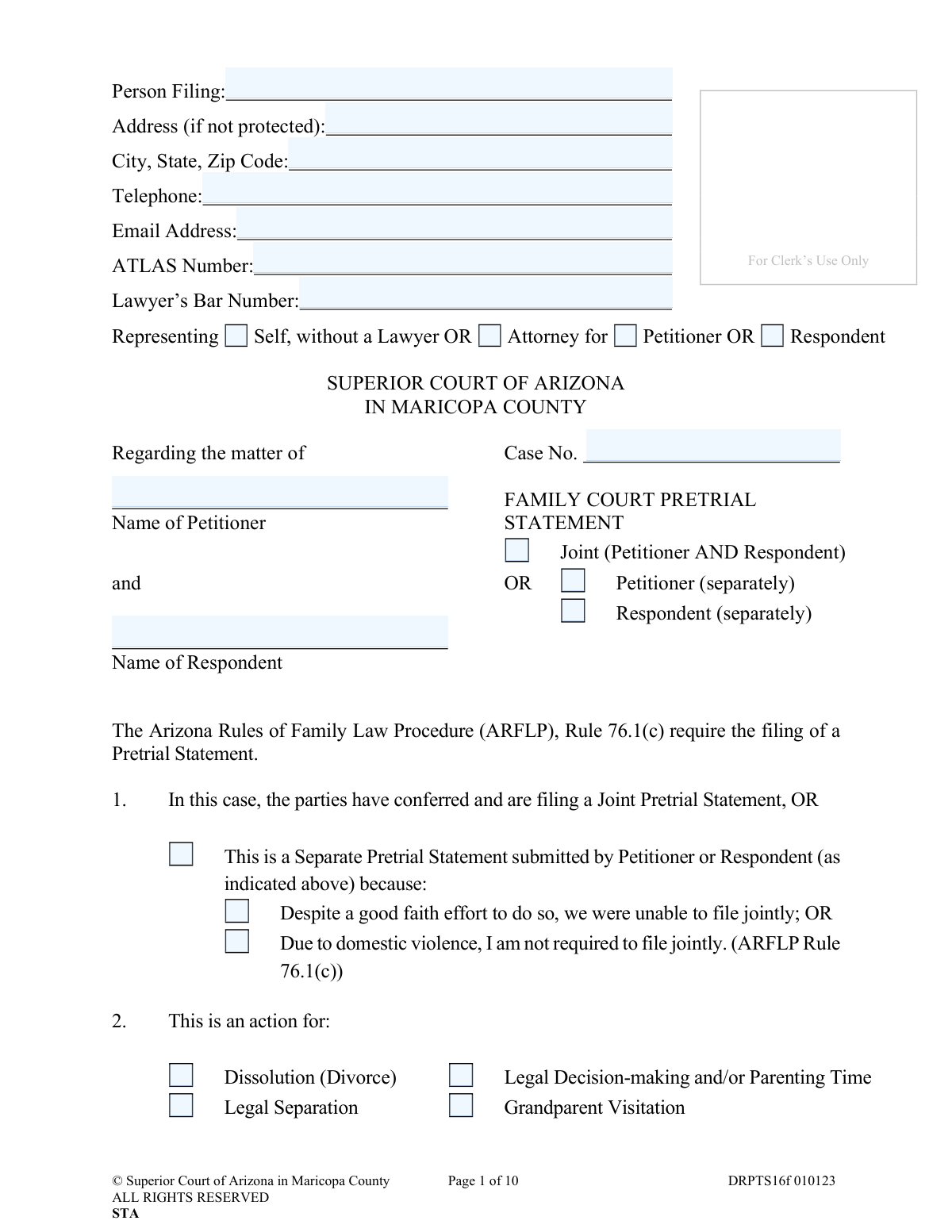
Family court records encompass a wide range of legal proceedings, including divorce, legal separation, child custody, visitation rights, paternity determinations, adoption, and domestic violence protective orders. Unlike criminal courts, where almost all documents are fully open to the public, family courts handle sensitive personal data, financial disclosures, and minor children's welfare. Consequently, access levels vary significantly compared to civil or criminal dockets.
Most modern jurisdictions separate court records into two primary categories: public information and restricted or sealed information. Understanding this division prevents wasted time when searching for case details.
- Publicly Accessible Information: Generally includes docket numbers, names of the parties involved, filing dates, presiding judges, lists of motions filed, and final judgments or decrees.
- Restricted or Sealed Information: Often includes financial affidavits, tax returns, social security numbers, psychological evaluations, guardian ad litem reports, and specific documents concerning minor children.
Prerequisites and Information Needed Before You Begin
Before initiating a family court case lookup, gathering precise identifying details ensures a successful search. Searching court databases with common names frequently yields hundreds of unrelated results, making accurate filtering essential.
To streamline the search process, ensure you have collected the following data points:
- Full Legal Names: The complete first, middle, and last names of either the petitioner (plaintiff) or the respondent (defendant). Maiden names should also be checked if a divorce is involved.
- Case Number: If known, this is the most direct identifier and bypasses name-search variations entirely.
- Filing Date or Approximate Year: Narrowing down the timeframe reduces the number of matching records to review.
- Geographic Location: The specific state, county, and judicial district or courthouse where the petition was originally filed. Family law is handled at the state and local municipal levels, not at the federal level.
Step-by-Step Guide to Searching Family Court Records Online
Many court systems utilize online case management portals to provide remote access to dockets. While some states offer statewide searchable databases, others operate on a county-by-county basis.
Step 1: Identify the Correct Jurisdiction
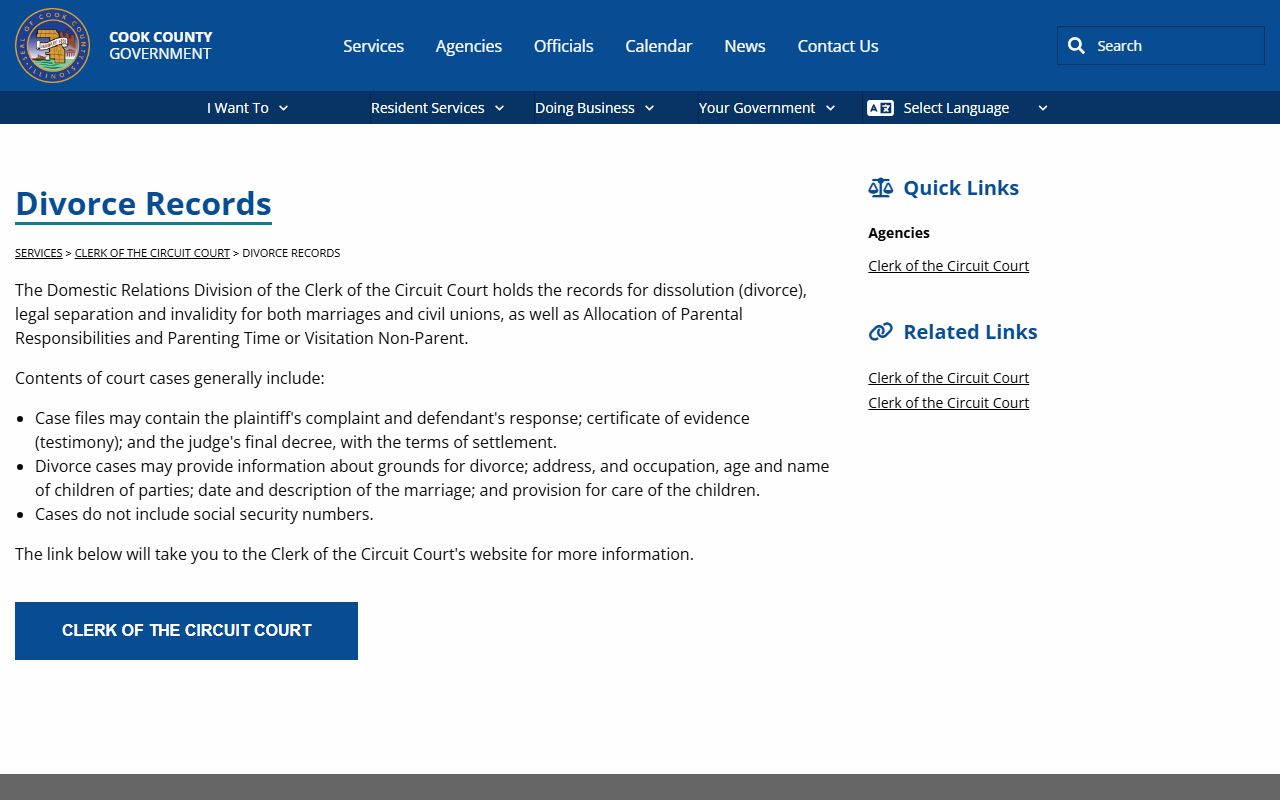
Determine the exact county and court where the case was filed. If a couple resided in Cook County, Illinois, but the divorce was filed in DuPage County, searching Cook County records will yield no results.
Step 2: Access the Official Court Portal
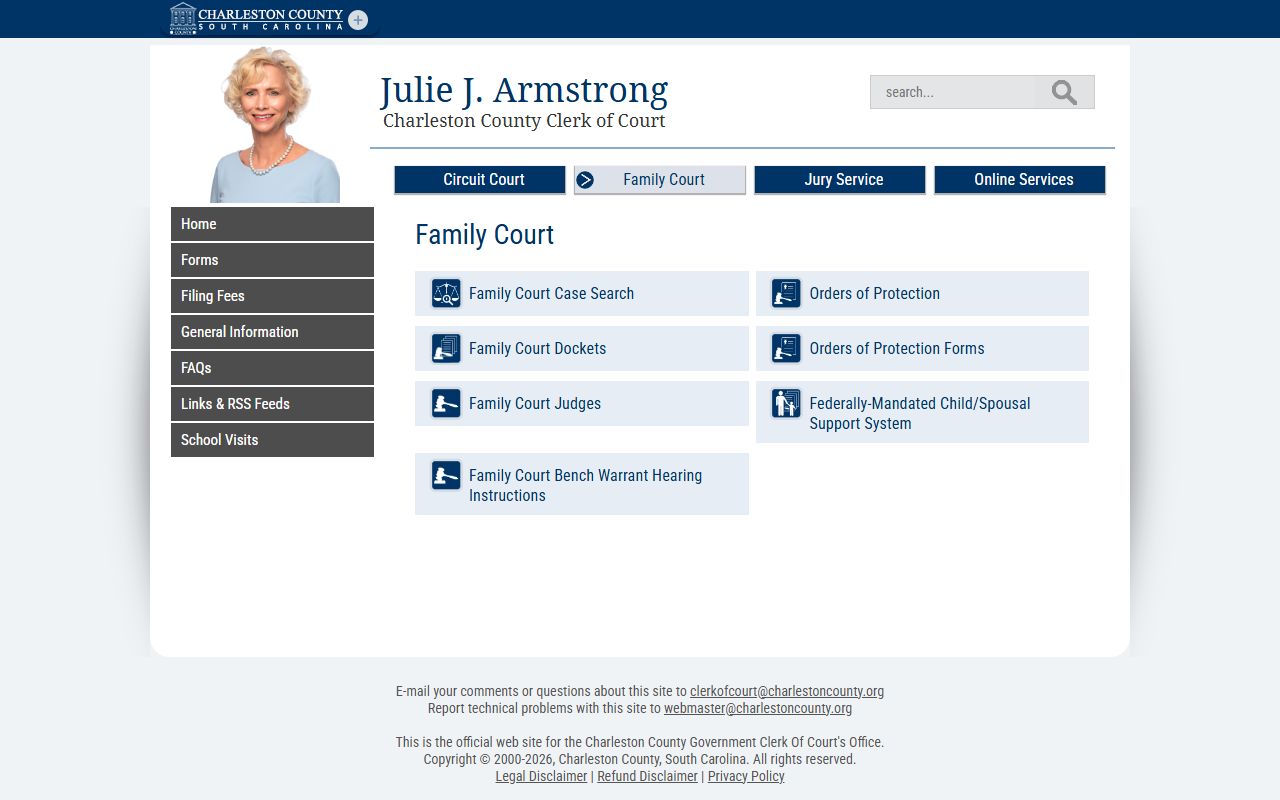
Navigate to the official website of the state judicial branch or the specific county clerk of courts. Be cautious of third-party data aggregator websites that charge fees for public records; official court portals are typically hosted on government domains ending in .gov or managed through verified state judicial networks.
Step 3: Select the Family Law or Domestic Relations Division
Within the court portal, select the case category search tool. Choose "Family," "Domestic Relations," or "Civil Family" rather than criminal or probate, as this isolates the correct database.
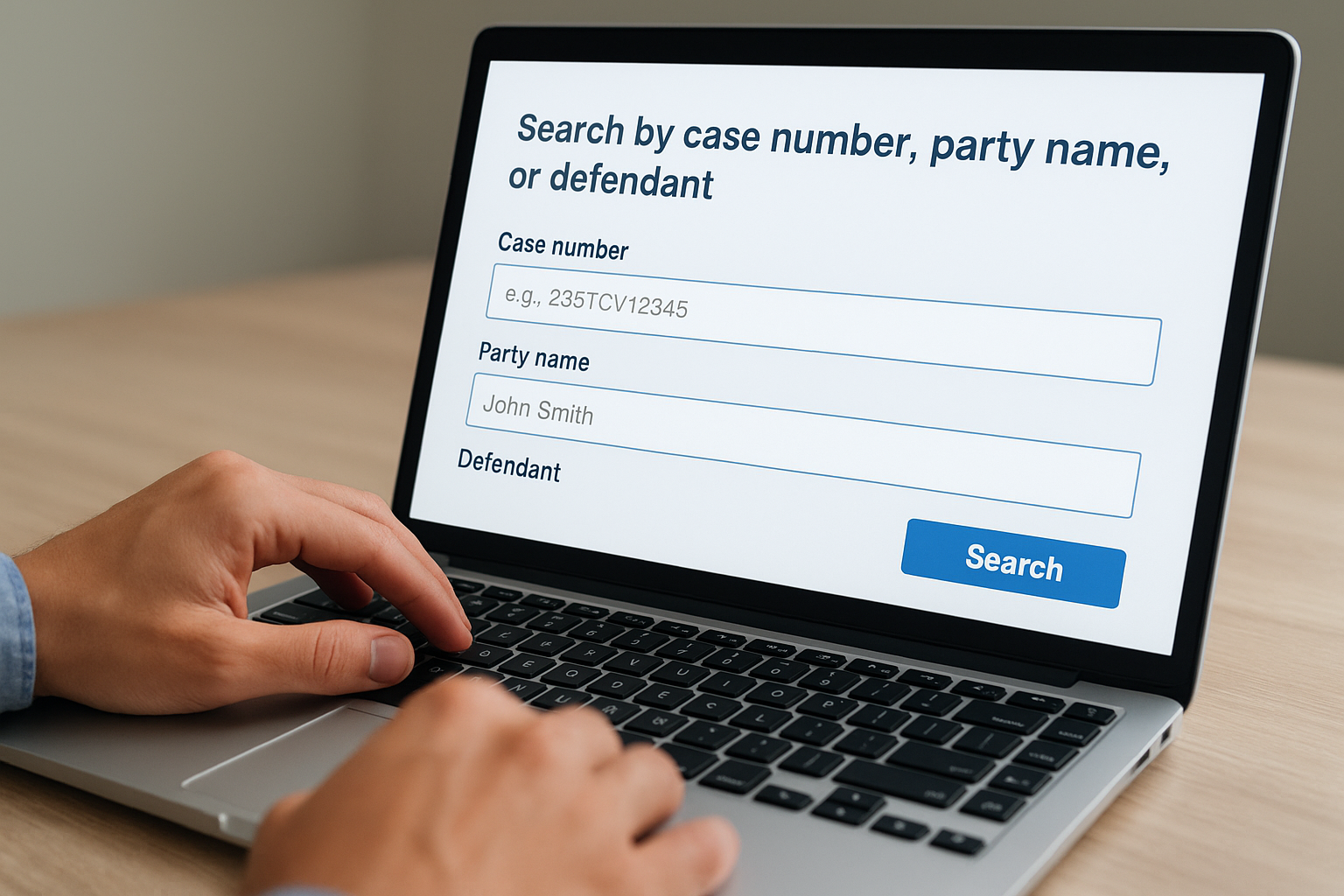
Step 4: Enter Search Parameters
Input the party names (usually formatted as Last Name, First Name) and the date range if required. Review the search results list, matching middle initials, addresses, or attorney names to confirm you have identified the correct case.
Step 5: Review Docket Entries and Available Documents
Click on the specific case number to view the docket history. This ledger lists every document filed in the case chronologically. Depending on local rules, you may be able to view and download PDF copies of public orders directly, or you may only see the docket titles without document viewing rights.
Methods for Accessing Sealed or Non-Digital Records
When online databases do not display a case, or when specific documents are restricted from public web viewing, alternative access methods are required. Many older cases predating digital archiving systems exist exclusively on physical paper or microfilm.
- In-Person Courthouse Research: Visit the clerk of family court office during standard business hours. Most courthouses provide public computer terminals dedicated to searching restricted local area network databases that contain more detailed records than the public internet portal.
- Mail-In and Written Requests: Submit a formal records request form to the court clerk along with the required search fees. This method is common for historical genealogical research or certified copies of divorce decrees.
- Motion to Unseal Records: If you are a party to the case or possess a recognized legal interest, and a file or specific document has been sealed by judicial order, your attorney must file a formal motion asking a judge to open the record for inspection.
Comparing Family Court Lookup Methods
| Access Method | Availability | Cost | Document Access Level | Best Used For |
|---|---|---|---|---|
| Official County Portal | 24/7 Online | Usually Free (some charge per download) | Varies (dockets always; PDFs sometimes restricted) | Quick verification of active or recent cases. |
| Statewide Judicial Search | 24/7 Online | Varies by state subscription model | High-level docket summaries across multiple counties | Locating cases when the exact county is uncertain. |
| In-Person Clerk Terminal | Court Business Hours | Free to search; per-page printing fees | Full access to non-sealed public files and local archives | Finding older, pre-digital cases or verified decrees. |
| Mail-In Clerk Request | Processing Time Varies | Search and certification fees apply | Certified physical or digital copies mailed to requester | Obtaining official certified copies for legal or administrative use. |
Common Challenges and Troubleshooting Tips
Users frequently encounter obstacles during a family court case lookup. Addressing these common issues ensures more accurate results:
- Common Names: If the search returns hundreds of individuals with identical names, use secondary filters such as filing year, presiding judge, or attorney of record to narrow the results.
- Privacy Protections for Minors: Modern court portals automatically redact or completely hide names of minor children and sensitive financial account numbers to comply with privacy regulations. Do not assume a case does not exist simply because children's names are omitted from public search summaries.
- Account Registration Requirements: Many municipal court systems require users to create a free or paid user account before viewing document images. Ensure you follow all portal authentication steps to unlock full search capabilities.
Frequently Asked Questions
Can I look up family court cases online for free?
Yes, most official county and state court portals allow public searching of dockets and case summaries at no cost. However, some jurisdictions charge nominal fees per page to download or print actual document PDFs.
Why is a family court case not showing up in the online search?
Cases may be omitted from online portals if they are sealed by judicial order, involve juvenile matters, or occurred in a county different from the one being searched. Additionally, older cases predating digital record-keeping systems may only exist in physical courthouse archives.
Are divorce records entirely public?
Divorce docket summaries, filing dates, and final judgments are generally public record. However, attached financial disclosures, personal identification numbers, tax documents, and records involving custody evaluations or abuse allegations are frequently restricted or sealed.
How do I obtain a certified copy of a divorce decree?
You must submit a request directly to the clerk of the court where the divorce was finalized, either in person or via mail. You will need to provide the case number, names of the parties, and payment for the statutory certification fees.
Can anyone access domestic violence restraining order records?
While protective order dockets are generally public, courts frequently restrict remote internet access to these files to protect the safety and privacy of petitioners. In-person verification at the courthouse may be required to view specific protective order documents.
Image Gallery