Understanding the "Wheel of Fortune Butt" Phenomenon: Context and Media Documentation
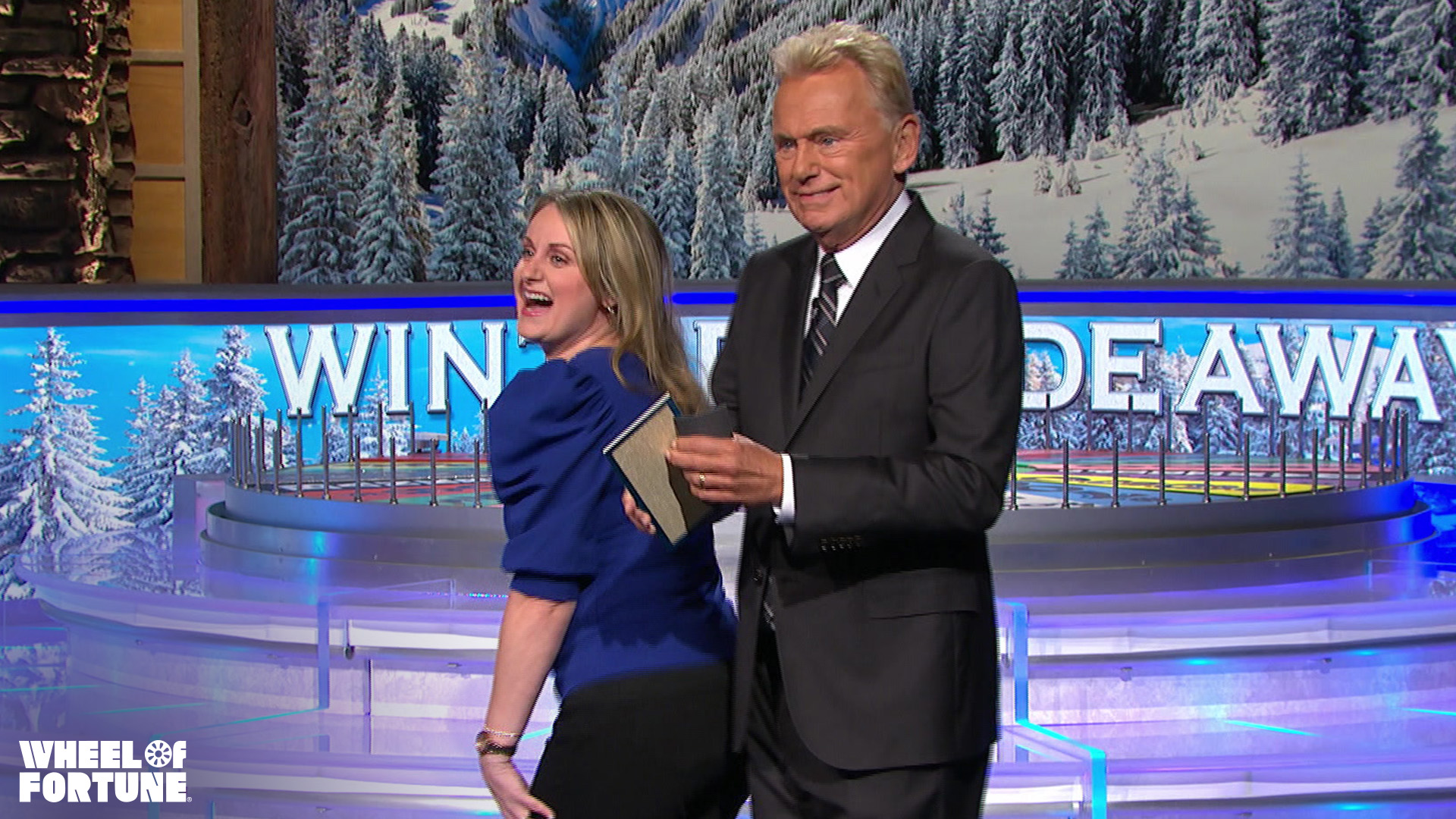
The viral search term regarding a "Wheel of Fortune butt" refers to an unintentional, widely circulated blooper from a 2011 episode of the long-running game show Wheel of Fortune. During the broadcast, a contestant’s skirt appeared to...
The viral search term regarding a "Wheel of Fortune butt" refers to an unintentional, widely circulated blooper from a 2011 episode of the long-running game show Wheel of Fortune. During the broadcast, a contestant’s skirt appeared to malfunction or shift in a manner that caused a brief, accidental moment of wardrobe exposure that was captured on television and subsequently popularized through social media and GIF-sharing platforms.
Contents
The Cultural Impact of Television Bloopers
Television bloopers have transitioned from niche "outtake" reels seen on late-night clip shows to permanent digital artifacts. In the digital era, even a fraction of a second of unintended broadcast content can be captured, isolated, and shared globally within minutes. The Wheel of Fortune incident became a notable case study in how live television—or pre-taped segments aired without further editing—interacts with the hyper-observant nature of modern internet culture.
When viewers encounter such moments, the reaction is often twofold: a genuine curiosity regarding the "unfiltered" nature of the mistake and the rapid dissemination of the footage as a meme. Unlike scripted television, game shows provide a unique environment where the tension of winning money, the presence of physical puzzles, and the need for contestants to move around the studio create opportunities for wardrobe malfunctions or awkward physical positioning.
Dissecting the Incident: Technical Context
The specific event occurred during a standard episode of the syndicated series. From a technical production standpoint, Wheel of Fortune is recorded with multiple high-definition cameras covering various angles—wide shots of the set, tight shots of the puzzle board, and individual shots of contestants.
In the television industry, the process of "live-to-tape" recording implies that while the show is not broadcast live, it is edited in a way that minimizes post-production intervention to maintain the spontaneity of the game. If an editor or producer misses a subtle wardrobe issue during the post-production review process, it remains in the final master file sent to local affiliates. This incident serves as an example of the "human element" in broadcast television, where complex production workflows occasionally fail to flag minor visual errors before they reach a national audience.
Media Consumption and the Digital Archive
Once a blooper appears on television, the "second screen" phenomenon—where viewers use their mobile devices while watching broadcast TV—ensures that such moments are recorded and archived. Platforms like YouTube, Reddit, and various GIF-hosting sites have acted as the primary archives for this footage.
For the viewer, the interest usually stems from the contrast between the highly professional, polished environment of the Wheel of Fortune set and the sudden, unscripted reality of a wardrobe malfunction. This dissonance is a common driver for viral content. Over the years, the clip has been analyzed by internet users as a quintessential "blink-and-you-miss-it" moment of television history.
Comparative Overview of Game Show Bloopers
Not all viral moments are identical in nature. Below is a categorization of common "unexpected" occurrences on game shows and their typical reception.
| Category | Typical Cause | Viewer Reception | Impact on Production |
|---|---|---|---|
| Wardrobe Malfunction | Physical movement during play | Viral curiosity | Low (rarely affects gameplay) |
| Puzzle Misreads | High-pressure environment | Humor/Empathy | Minimal (often leads to re-taping) |
| Technical Glitches | Equipment or software failure | Confusion/Technical interest | Medium (requires pauses/re-takes) |
| Contestant Outbursts | Emotional intensity | Engagement/Social sharing | Variable (content dependent) |
The Role of Production Standards in 2026
In 2026, the standards for broadcast quality control have become more rigorous. Major networks utilize automated visual AI monitoring tools that scan for unintended visual artifacts or potential FCC violations before a broadcast feed is finalized. However, even with these advancements, human-interest moments often bypass these filters because they do not technically violate broadcasting standards; they simply represent the reality of human movement.
Producers of long-standing shows now balance the desire for "authentic" player reactions with the need to ensure the broadcast remains suitable for all audiences. When a moment like the one described occurs, the focus of the production staff is usually on immediate mitigation—ensuring the segment can proceed without further distraction to the game’s core mechanics.
Navigating Viral Media Responsibly
For those interested in this specific historical footnote of television, it is important to distinguish between legitimate historical interest and the invasive nature of viral content. The following considerations are relevant for users engaging with such media:
- Privacy Considerations: While the moment occurred on public television, the individuals involved were private citizens who signed up for a game show, not an explicit entertainment production.
- Contextual Accuracy: Many viral clips are edited or zoomed in to emphasize the "malfunction." Viewing the footage in its original broadcast context often reveals that the incident was minor and fleeting.
- Digital Permanence: Once a video is uploaded, it is difficult to remove. Users should exercise discretion when sharing footage that highlights a private citizen’s embarrassing moment.
Frequently Asked Questions
Why did this specific clip become so popular?
The popularity of the clip stems from the juxtaposition of a highly sanitized, long-running game show and a rare moment of human error. The internet naturally amplifies "glitches in the matrix" where a professional production environment fails to hide a minor, relatable mistake.
Was the incident intended to be part of the broadcast?
No. Television productions strive for polish. This was an oversight in the editing and quality assurance phase, which is tasked with catching visual anomalies before the master file is distributed to broadcast affiliates.
Has the show changed its dress code policies since?
While specific internal changes are rarely publicized, shows like Wheel of Fortune typically provide contestants with wardrobe guidelines. These guidelines are designed to ensure that clothing is comfortable, camera-friendly, and secure enough to prevent wardrobe issues during the physical activity required to play the game.
Does this blooper affect the outcome of the game?
Generally, no. In the context of game shows, minor physical mishaps rarely lead to a "stop-down" of the game unless the contestant is injured or if the issue prevents them from physically reaching the wheel or the puzzle board.
Where can I find original airings of such episodes?
Original broadcasts are usually held in the archives of the production company (Sony Pictures Television) or the network (CBS). While some clips circulate on social media, the most accurate versions are those found in the show’s official licensed streaming archives.
Conclusion and Next Actions
The incident surrounding the Wheel of Fortune wardrobe malfunction is a classic example of how television history is documented in the digital age. It serves as a reminder of the intersection between massive broadcast infrastructure and the unpredictable nature of live movement.
For those researching this topic, the most productive path is to view it as a case study in media history. If you are interested in the production side of game shows, consider researching how producers manage contestant movement and the "live-to-tape" editing process. If you are interested in the digital archiving of television, consider exploring how the Library of Congress or similar archival bodies preserve these cultural snapshots of 21st-century media.
Image Gallery