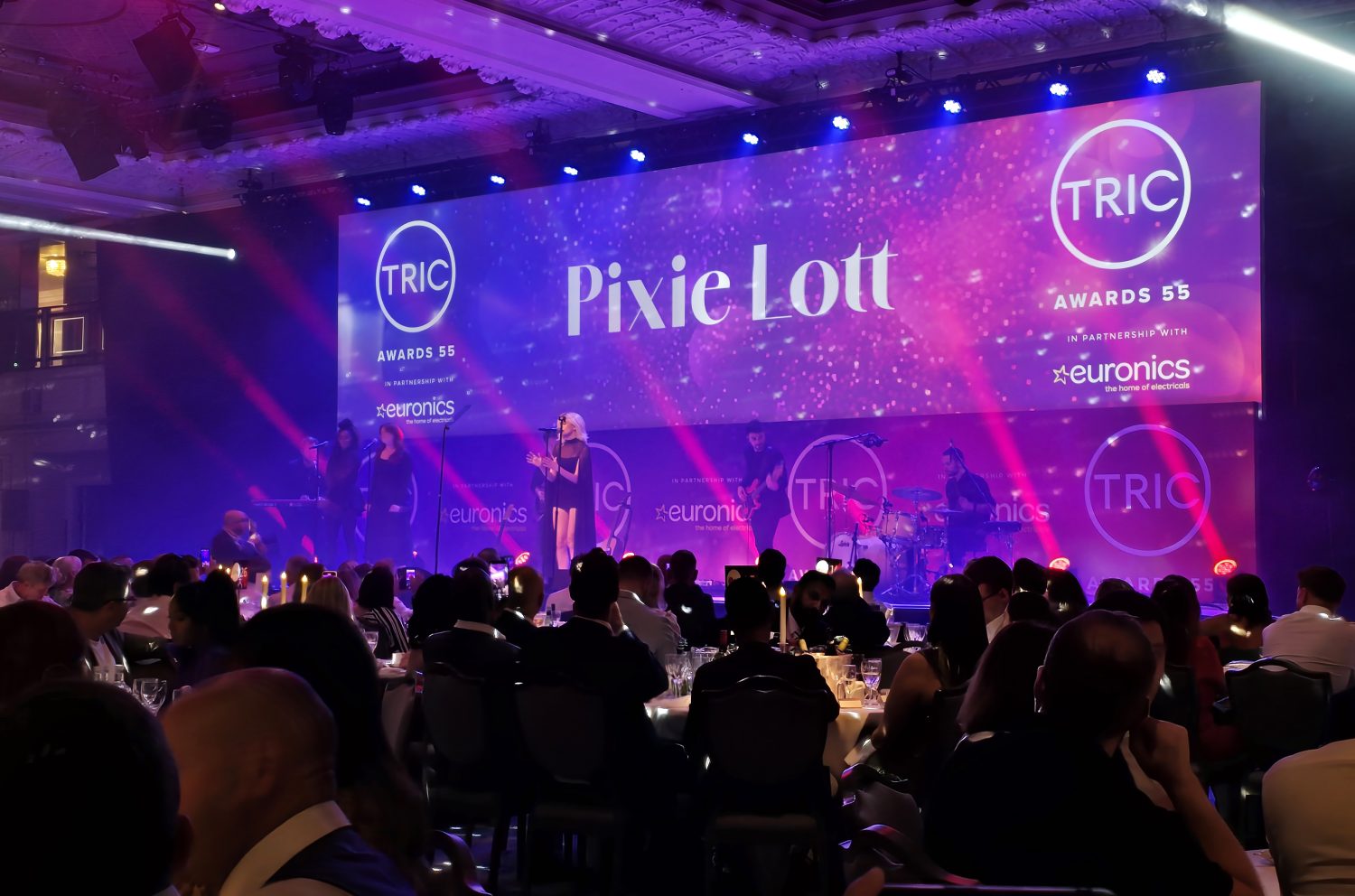
A Star Studded Event Highlights Smart Home Tech: The Evolution of Intelligent Living
The integration of high-profile celebrity influence into the smart home sector has transformed consumer perception, shifting intelligent technology from a niche hobbyist domain to a central pillar of modern luxury lifestyle. By leverag...
The integration of high-profile celebrity influence into the smart home sector has transformed consumer perception, shifting intelligent technology from a niche hobbyist domain to a central pillar of modern luxury lifestyle. By leveraging star-studded events to demonstrate interoperability and intuitive design, industry leaders are successfully demystifying complex automation systems, making advanced connectivity an accessible standard for the contemporary household.
Contents
The Intersection of Celebrity Culture and Automation
For years, the smart home industry struggled with a "complexity gap." While technical enthusiasts embraced early home automation, the average consumer remained skeptical, often viewing devices like automated lighting, smart climate control, and advanced security sensors as overly complicated or prone to technical failure. To bridge this divide, major technology manufacturers have increasingly turned to high-profile events to showcase their ecosystems.
These gatherings act as experiential showrooms. By placing industry-leading smart devices in the hands of influencers and celebrities, brands demonstrate that the technology is not merely functional—it is aspirational. When a public figure demonstrates how a singular voice command can adjust room ambiance, secure an entryway, and regulate HVAC systems, it removes the "fear factor" associated with the technical installation and management of these systems. The event environment proves that the user interface is intuitive enough for daily use, effectively repositioning the smart home as a lifestyle upgrade rather than a difficult IT project.
Core Technologies Driving Modern Smart Homes
To understand why these events garner such attention, one must look at the specific advancements currently being highlighted. As of 2026, the industry has moved past the era of disparate, non-communicative gadgets. The current focus is on the "Unified Ecosystem," where hardware from different manufacturers functions cohesively.
Interoperability Standards
The adoption of universal connectivity standards, such as Matter and Thread, has been a critical turning point. Previously, consumers were often locked into a single brand’s ecosystem (such as Apple Home, Google Home, or Amazon Alexa). Today, star-studded showcases emphasize that a smart lock from one vendor can seamlessly interact with a lighting system from another, provided they support the same underlying communication protocols.
Predictive Artificial Intelligence
Modern smart homes are shifting from reactive to predictive. Instead of requiring a user to manually trigger a "Good Morning" routine, AI-driven sensors now analyze occupant behavior patterns. Through machine learning, these systems gradually automate temperature adjustments, window shade positioning, and energy-efficient lighting without constant input. During demonstrations, celebrities highlight how these systems anticipate their needs before they are explicitly requested.
Key Components of an Integrated Smart Home
Building an efficient smart home requires a hierarchy of components. The following table summarizes the primary categories currently featured in top-tier demonstrations and their primary functions.
| Technology Category | Primary Function | Key Requirement |
|---|---|---|
| Central Hub/Controller | Bridges devices and manages logic | Stable Wi-Fi 7/Thread connectivity |
| Climate Control | Regulates energy use and comfort | HVAC system compatibility |
| Smart Security | Monitors perimeters and access | Redundant power/Local storage |
| Automated Lighting | Enhances ambiance and security | Proper neutral wire installation |
| Energy Management | Optimizes grid and solar usage | Smart circuit monitoring |
The Value Proposition: Why Invest in Smart Tech?
The primary goal of adopting smart technology is the optimization of three key pillars: convenience, security, and sustainability. During these high-profile events, the narrative consistently focuses on these tangible benefits rather than the technical specifications of the chips powering the devices.
Sustainability and Energy Efficiency
With rising energy costs, the most compelling case for home automation is environmental and financial efficiency. Smart thermostats, such as those integrated with utility-grade smart meters, can reduce heating and cooling costs by learning when a house is unoccupied. These systems adjust the output to prevent wasteful energy consumption, a point frequently emphasized by advocates of "green" tech.
Enhanced Security and Peace of Mind
Modern security goes beyond simple alarm triggers. Integration with visual verification systems allows homeowners to view, talk to, and even provide temporary access to visitors via a smartphone app. In a luxury context, this is often showcased through sophisticated video doorbells and biometric locking mechanisms that provide a clear audit trail of who enters and exits the premises.
Overcoming Barriers: What Consumers Need to Know
Despite the glitz and glamour of event showcases, the transition to a smart home is not without challenges. Consumers must navigate several practical hurdles before achieving a fully integrated environment.
- Network Resilience: A smart home is only as reliable as its internet connection. Many installations fail because the Wi-Fi network cannot handle the increased device density. Upgrading to a mesh-based network system is often a prerequisite for a stable experience.
- Privacy and Data Security: As more devices monitor the home, data protection becomes paramount. Users should prioritize devices that offer local processing rather than relying solely on cloud-based operations. Always verify the manufacturer’s data retention policy.
- Physical Compatibility: Not every home is ready for "smart" hardware. Older structures may lack the necessary neutral wiring for smart switches, requiring an electrician to evaluate the electrical infrastructure before purchase.
Common Mistakes to Avoid
In the rush to adopt the latest technologies seen at industry events, many consumers overlook the importance of a phased approach. A common error is buying "smart" devices from too many different manufacturers without checking for cross-compatibility, which leads to "app fatigue"—a state where the user must juggle five different interfaces just to turn off the lights.
Another pitfall is the failure to consider the long-term support cycle of a product. A smart device that receives no firmware updates is a security liability. When selecting components, prioritize established brands that have a history of providing long-term software support and regular security patches for their hardware.
Frequently Asked Questions
Are smart home devices expensive to install? Costs vary significantly based on scale. A basic smart lighting setup might cost a few hundred dollars, while a whole-home integration involving HVAC, security, and energy management can run into the thousands. It is best to start with a central hub and expand as needs arise.
Do I need a professional installer for a smart home? Simple devices, such as plug-in smart switches or battery-operated sensors, are DIY-friendly. However, replacing hardwired lighting switches, installing smart locks, or integrating high-voltage HVAC systems typically requires a professional electrician to ensure safety and code compliance.
How do I protect my privacy in a smart home? Ensure all devices use strong, unique passwords and enable two-factor authentication. Regularly check for firmware updates and, if possible, place your smart devices on a separate "guest" Wi-Fi network to isolate them from your primary computers and sensitive data.
What happens if the internet goes down? Modern high-end systems are designed with local control, meaning that if the internet cuts out, the hub can still communicate with devices locally. However, cloud-based features will be disabled until connectivity is restored. Always ensure critical security devices have battery backups.
Next Steps for Implementation
If you are planning to modernize your home, start by identifying the most significant "pain point" in your daily life. If your energy bills are high, prioritize a smart thermostat and energy-monitoring system. If security is your concern, focus on upgrading your locks and video surveillance. Do not attempt a total overhaul in one weekend. Choose a compatible ecosystem, verify that your home's infrastructure can support the hardware, and build your smart environment incrementally.
Image Gallery