Understanding the Benefits of Combined Whole Life Insurance
Combined whole life insurance provides permanent coverage for two individuals under a single policy or integrates "living benefits" like long-term care into a traditional death benefit structure. These policies offer cost efficiencies,...
Combined whole life insurance provides permanent coverage for two individuals under a single policy or integrates "living benefits" like long-term care into a traditional death benefit structure. These policies offer cost efficiencies, simplified estate planning, and guaranteed cash value accumulation that serves as a multi-generational financial asset in 2026.
Contents
Defining Combined Whole Life Insurance in 2026
To understand the benefits of combined whole life insurance, one must first resolve a common ambiguity in the term. "Combined" typically refers to two distinct structures in the insurance market: Joint Whole Life Insurance, which covers two lives (usually spouses or business partners) under one contract, and Hybrid/Combination Policies, which combine permanent life insurance with long-term care (LTC) or chronic illness riders.
As of 2026, these products have become cornerstones of sophisticated financial planning. Unlike term insurance, which provides temporary protection, combined whole life is permanent. It remains in force for the duration of the insureds' lives, provided premiums are paid. The "combined" nature of these products is designed to solve complex problems—such as estate tax liquidity or the rising cost of elder care—more efficiently than purchasing multiple separate policies.
The Strategic Advantages of Joint Whole Life (First-to-Die)
A Joint First-to-Die policy is a type of combined whole life insurance that pays out the death benefit upon the passing of the first individual covered by the policy. Once the benefit is paid, the policy terminates. This structure is particularly beneficial for specific family and business scenarios.
Mortgage and Debt Protection
For many households in 2026, the primary concern is the immediate loss of income when one spouse passes away. A joint first-to-die policy ensures that the surviving spouse receives a lump sum to retire the mortgage or settle outstanding debts. Because the insurance company is only obligated to pay one death benefit rather than two, the premiums for a joint policy are often significantly lower than the combined cost of two individual whole life policies with the same face value.
Business Continuity and Buy-Sell Agreements
In the corporate world, combined whole life insurance is a standard tool for "Buy-Sell" agreements between two primary partners. If one partner dies, the surviving partner receives the death benefit, which provides the liquidity necessary to buy out the deceased partner's shares from their heirs. This prevents the business from being liquidated or forced into an unwanted partnership with the deceased’s family members, ensuring operational stability.
The Benefits of Survivorship (Second-to-Die) Insurance
While first-to-die policies focus on immediate income replacement, Survivorship Whole Life Insurance (also known as Second-to-Die) pays the death benefit only after both insured individuals have passed away. This is arguably the most common form of "combined" life insurance used in high-net-worth estate planning.
Estate Tax Liquidity
In 2026, estate tax thresholds remain a significant concern for families with substantial assets. Federal and state taxes can claim a massive percentage of an estate’s value, often forcing heirs to sell illiquid assets like real estate or family businesses to pay the tax bill. A survivorship policy provides a tax-free cash influx exactly when it is needed—at the death of the second spouse—to cover these liabilities, preserving the actual assets for the next generation.
Funding Special Needs Trusts
For parents of children with disabilities, survivorship insurance is a vital tool. Because the benefit is paid only after both parents are gone, it can be used to fund a Special Needs Trust. This ensures that the child has a financial safety net for the remainder of their life without disqualifying them from government assistance programs, as the trust manages the funds rather than the individual.
Hybrid Policies: Combining Life Insurance with Long-Term Care
The second major interpretation of "combined" whole life insurance involves the integration of Living Benefits. In 2026, the traditional distinction between "dying too soon" (life insurance) and "living too long" (long-term care insurance) has blurred through the use of hybrid products.
Asset Preservation Against Healthcare Costs
The primary benefit of a hybrid whole life policy is the "use it or lose it" solution. Traditional long-term care insurance is often criticized because if the policyholder never needs care, the premiums are effectively lost. A combined policy solves this by allowing the policyholder to accelerate a portion of the death benefit to pay for qualified long-term care expenses. If they never need care, their beneficiaries receive the full death benefit.
Guarantees and Inflation Protection
Hybrid whole life policies provide a level of certainty that stand-alone LTC policies often lack. Most hybrid policies have guaranteed premiums, meaning the insurance company cannot raise the rates later. Furthermore, the cash value within the whole life component continues to grow, providing a secondary source of emergency funds that can be accessed through policy loans or withdrawals if needed.
Cash Value Accumulation and the "Banking" Benefit
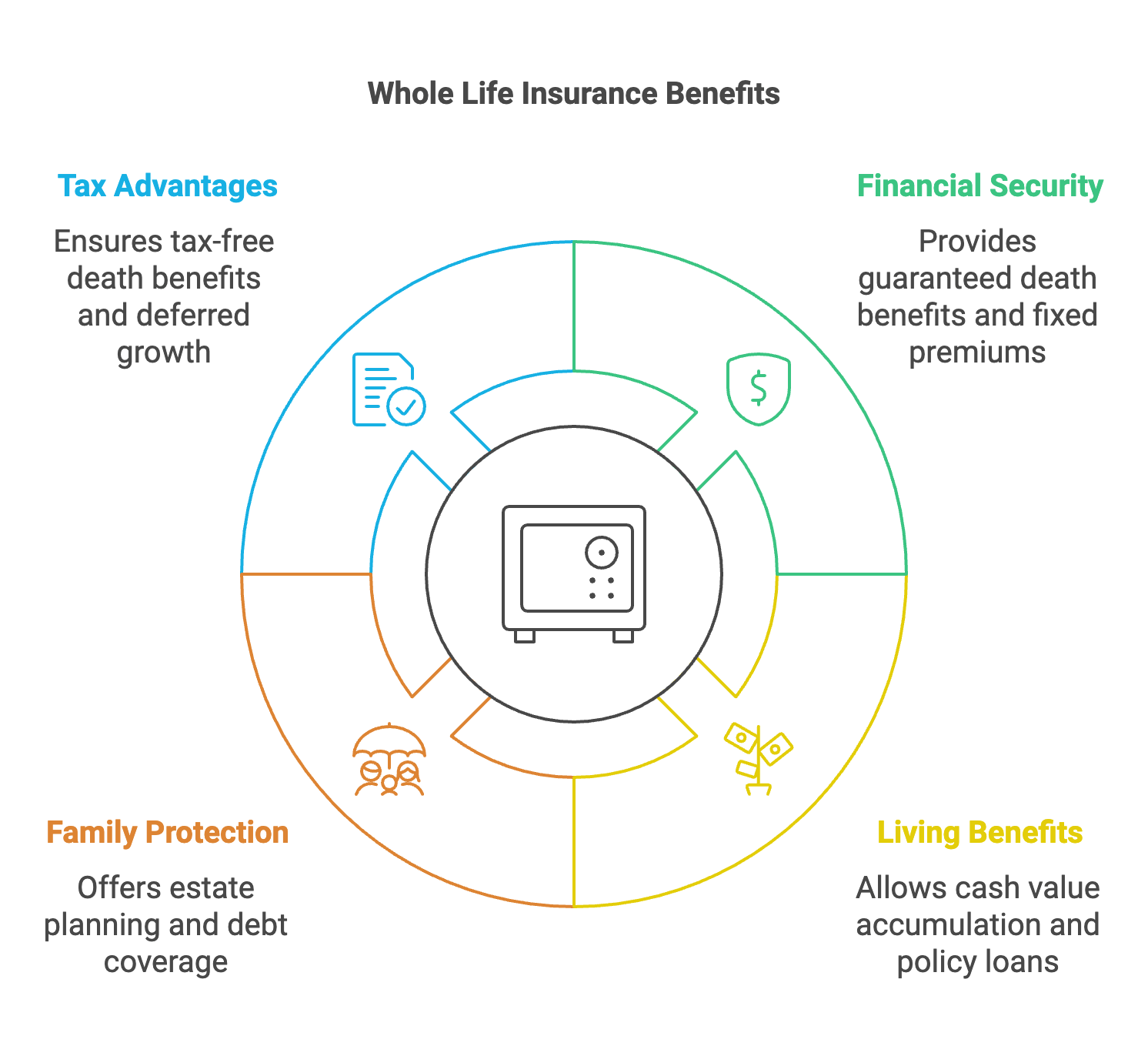
Every combined whole life policy includes a cash value component that grows over time on a tax-deferred basis. This is not merely a side savings account; it is a fundamental part of the policy’s structure that offers several mechanical benefits.
- Dividend Participation: If the policy is issued by a "mutual" insurance company, the policyholders are eligible to receive annual dividends. In 2026, these dividends are frequently used to purchase "Paid-Up Additions," which increase both the death benefit and the cash value without requiring further medical underwriting.
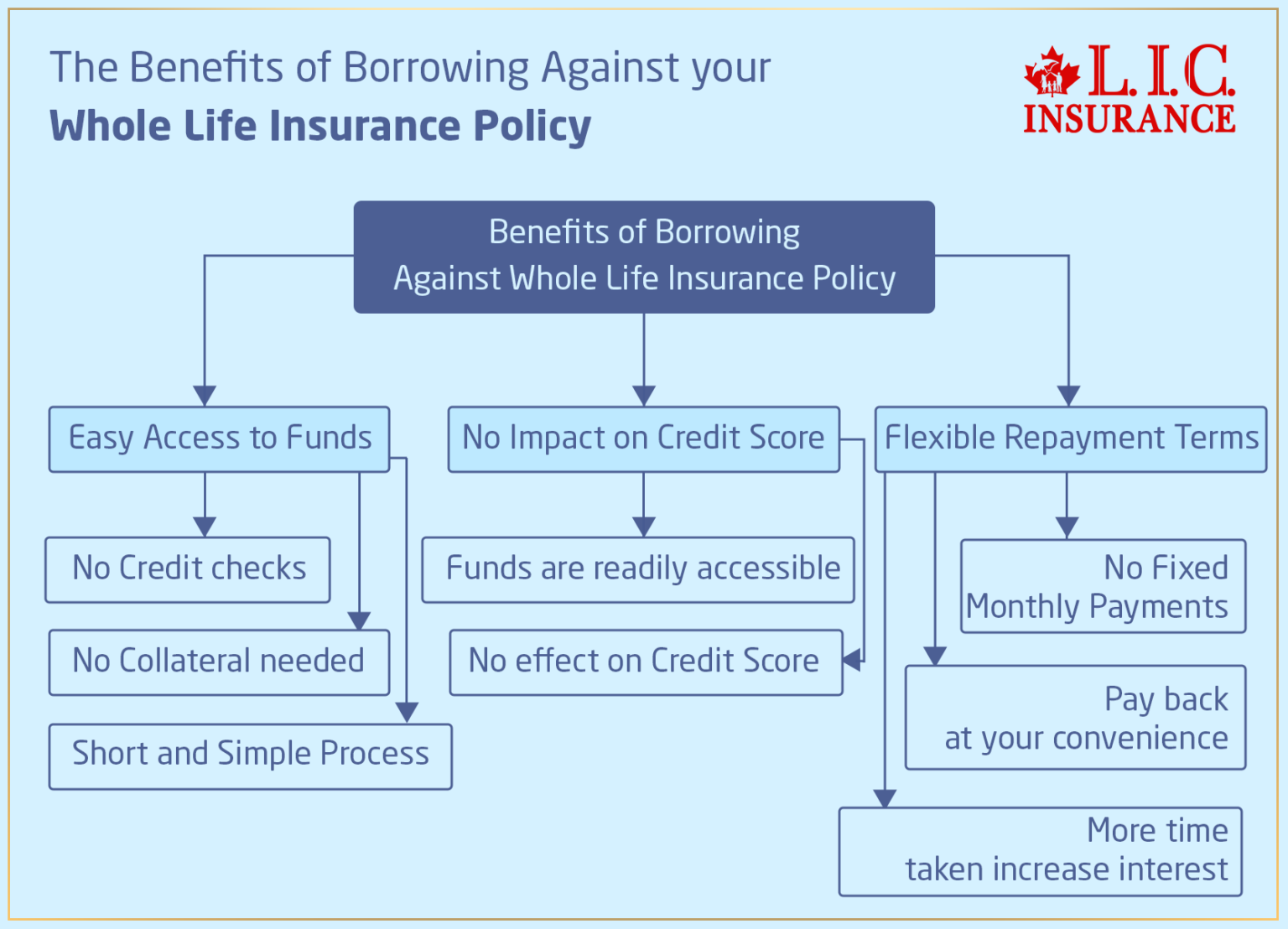
- Policy Loans: Policyholders can borrow against their cash value at competitive interest rates. Unlike bank loans, there is no credit check, and the loan does not necessarily have to be repaid during the insured's lifetime (though unpaid loans reduce the final death benefit).
- Non-Forfeiture Options: If a policyholder can no longer afford premiums, the "combined" value allows them to convert the existing cash into a "Reduced Paid-Up" policy, ensuring some level of permanent coverage remains in place without further payments.
Comparing Combined Whole Life Options
The following table outlines the key differences between the various types of combined whole life insurance structures available in 2026.
| Feature | Joint First-to-Die | Survivorship (Second-to-Die) | Hybrid (Life + LTC) |
|---|---|---|---|
| Payout Trigger | Death of the first insured | Death of the second insured | Death or Long-Term Care need |
| Primary Goal | Income/Debt replacement | Estate planning/Tax liquidity | Healthcare & Asset protection |
| Premium Cost | Moderate (Cheaper than 2 policies) | Lower (Based on joint life expectancy) | Higher (Includes LTC rider) |
| Cash Value | Single account for both | Single account for both | Standard whole life accumulation |
| Typical User | Young families/Business partners | High-net-worth/Special needs | Retirees/Pre-retirees |
Tax Advantages and Legal Framework
Combined whole life insurance operates under specific sections of the Internal Revenue Code (IRC), most notably Section 7702. This code defines what qualifies as "life insurance" for tax purposes. Policies that meet these requirements enjoy several tax advantages that are highly relevant in 2026.
- Tax-Free Death Benefit: Under IRC § 101(a), death benefits are generally received by beneficiaries free of federal income tax. This makes combined policies an incredibly efficient vehicle for transferring wealth.
- Tax-Deferred Growth: The internal build-up of cash value is not taxed annually. This allows for compound growth that is more efficient than a taxable brokerage account.
- Tax-Free LTC Benefits: For hybrid policies, the funds used for long-term care are typically received tax-free under IRC § 7702B, provided the insured meets the "chronically ill" definition (inability to perform two of the six Activities of Daily Living).
Common Limitations and Considerations
While the benefits are extensive, combined whole life insurance is not a universal solution. It requires a significant long-term financial commitment.
- Complexity of Separation: In the event of a divorce or a business partnership dissolution, "splitting" a joint policy can be legally and contractually difficult. Some policies include a "divorce exchange rider," but without it, the policy might need to be surrendered, potentially triggering a tax event.
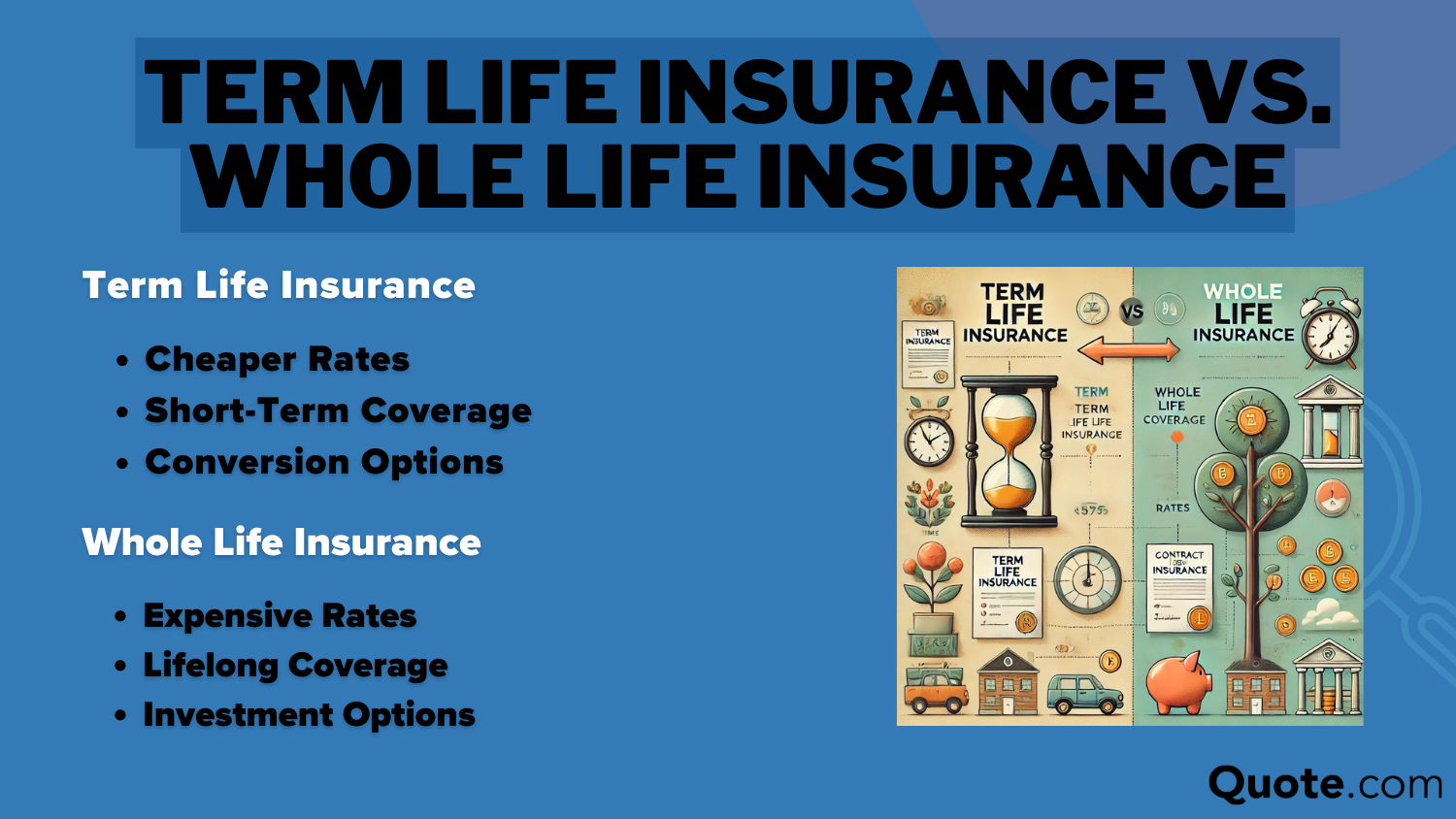
- Cost vs. Term Insurance: Whole life is significantly more expensive than term insurance. For individuals who only need coverage for a 20-year period (e.g., until children are grown), the permanent nature and cash value of a combined policy may not justify the higher premium.
- Underwriting Sensitivity: For joint policies, the health of both individuals is evaluated. If one individual is uninsurable or has significant health issues, it can drive the premium up for the entire policy or result in a declination.
Frequently Asked Questions
Can I change a Joint First-to-Die policy to a Second-to-Die policy later? Generally, no. These are fundamentally different contract structures. However, some insurance carriers offer "conversion riders" or "exchange options" at the time of purchase that allow for some flexibility. It is crucial to determine the primary goal—income replacement vs. estate planning—before the policy is issued.
What happens to the cash value if one person dies in a Joint First-to-Die policy? The cash value is technically part of the death benefit payout. When the first person dies, the insurance company pays the face amount of the policy (which includes the cash value) to the beneficiary, and the policy is closed. The surviving insured no longer has coverage under that specific contract.
Are dividends guaranteed in a combined whole life policy? No. Dividends are never guaranteed; they are a reflection of the insurance company’s financial performance, mortality experience, and investment returns. However, many major mutual insurers have paid dividends consistently for over 100 consecutive years, including through the economic shifts leading up to 2026.
Does a hybrid policy reduce the inheritance for my children? Yes, if you use the "Living Benefits" for long-term care, the amount paid out for your care is deducted from the final death benefit. For example, if you have a $500,000 policy and use $200,000 for nursing home care, your beneficiaries will receive the remaining $300,000.
Is combined whole life insurance a good investment? Financial professionals typically view whole life as a "non-correlated asset" or a volatility buffer rather than a high-growth investment. Its primary value in 2026 lies in its guarantees, tax advantages, and the fact that it provides a known death benefit regardless of market conditions.
Final Recommendation
To maximize the benefits of combined whole life insurance, you must first identify your primary "pain point." If you are a business owner or a primary breadwinner in a dual-income household, a Joint First-to-Die policy offers the most efficient way to protect against the immediate loss of income. If you are focused on legacy preservation and estate taxes, a Survivorship (Second-to-Die) policy is the standard tool for the job. For those concerned about the catastrophic costs of elder care, a Hybrid/Combination policy provides a dual-purpose safety net. Consult with a qualified financial advisor to ensure the policy is structured to meet the 7702 tax compliance standards and aligns with your overall 2026 estate strategy.
Image Gallery