The Role of Eastern Waste Systems in Sustainable Travel
Effective waste management is the cornerstone of sustainable travel, particularly in Eastern regions where rapid tourism growth meets fragile ecosystems. Eastern waste systems encompass the specialized infrastructure, regulatory framew...
Effective waste management is the cornerstone of sustainable travel, particularly in Eastern regions where rapid tourism growth meets fragile ecosystems. Eastern waste systems encompass the specialized infrastructure, regulatory frameworks, and technological innovations—ranging from Japan’s hyper-efficient sorting to Singapore’s waste-to-energy plants—that allow travel destinations to minimize their environmental footprint while hosting millions of visitors.
Contents
As we move through 2026, the integration of circular economy principles into tourism logistics has transformed waste from a byproduct of travel into a resource for local development. For the modern traveler and the hospitality industry, understanding these systems is essential for navigating local regulations, reducing plastic dependency, and supporting regenerative tourism initiatives.
The Evolution of Waste Management in Eastern Tourism
In the past decade, the "East"—encompassing East Asia, Southeast Asia, and the Middle East—has shifted from reactive waste disposal to proactive resource management. This evolution is driven by the realization that the primary assets of tourism (beaches, historical sites, and pristine forests) are the most vulnerable to waste mismanagement.
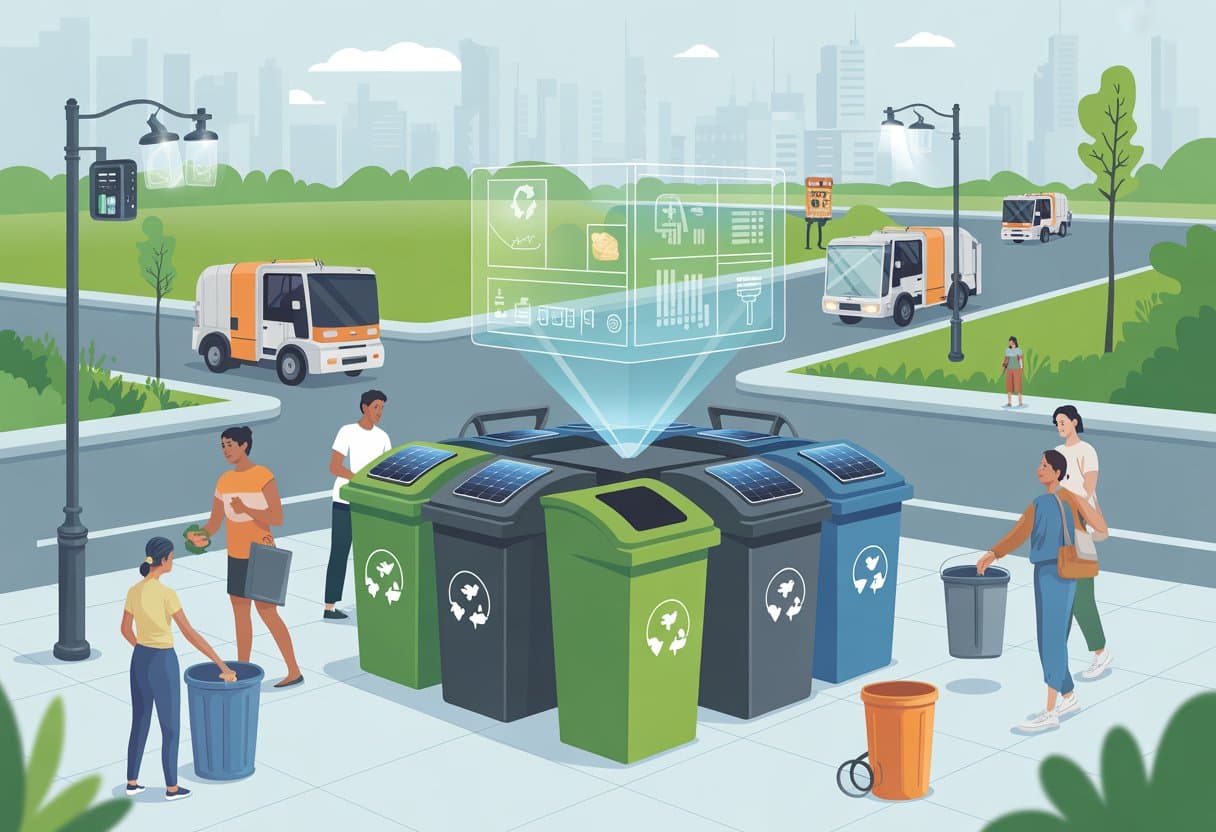
By 2026, the concept of sustainable travel has matured. It is no longer just about "leaving no trace" but about participating in systems that actively improve the destination. Eastern waste systems have adapted by implementing smart logistics, such as IoT-enabled bins in high-traffic tourist zones in Seoul and Tokyo, and centralized composting for organic waste in the luxury resorts of the Maldives and Thailand. These systems ensure that the surge of waste generated during peak travel seasons does not overwhelm municipal infrastructure.
The success of these systems relies on a "whole-of-society" approach. In many Eastern destinations, waste management is no longer a hidden utility but a visible part of the travel experience. For example, visitors to certain Japanese prefectures are expected to participate in meticulous waste separation, a practice that fosters a deeper connection to the local environment and its conservation efforts.
Key Regional Leaders and Their Waste Infrastructure
Different regions within the East have developed distinct models of waste management that cater to their unique geography and tourism profiles. These systems provide the blueprint for how large-scale travel can coexist with environmental preservation.
Japan’s Zero-Waste Philosophy and the Circular Economy
Japan remains a global leader in waste precision. The "Mottainai" philosophy (regret over waste) is embedded in the tourism sector. In towns like Kamikatsu, which has gained international fame for its goal of becoming zero-waste, travelers are integrated into a system that separates waste into over 40 categories.
For the travel industry, this means hotels and "ryokans" have largely eliminated single-use plastics, replacing them with high-quality, reusable alternatives or sophisticated recycling programs. By 2026, the Japanese government has further tightened the Resource Circulation Strategy for Plastics, making it mandatory for all major tourism operators to provide transparent data on their waste diversion rates.
Singapore’s Integrated Waste-to-Energy (WTE) Model
Singapore, a primary transit hub and destination, faces extreme land constraints. Its waste system is a marvel of engineering, centered on the Semakau Landfill and a network of high-efficiency Waste-to-Energy plants. In this system, non-recyclable waste is incinerated at high temperatures, reducing its volume by 90% while generating electricity for the city-state’s grid.
For a sustainable traveler, this means that even residual waste contributes to the power grid that runs the hotels and transport systems they use. Singapore’s Green Plan 2030 has reached a critical milestone in 2026, with the opening of the Tuas Nexus, which co-locates waste treatment and water reclamation to achieve maximum energy synergy.
The Middle East: Smart Cities and Zero-Landfill Targets
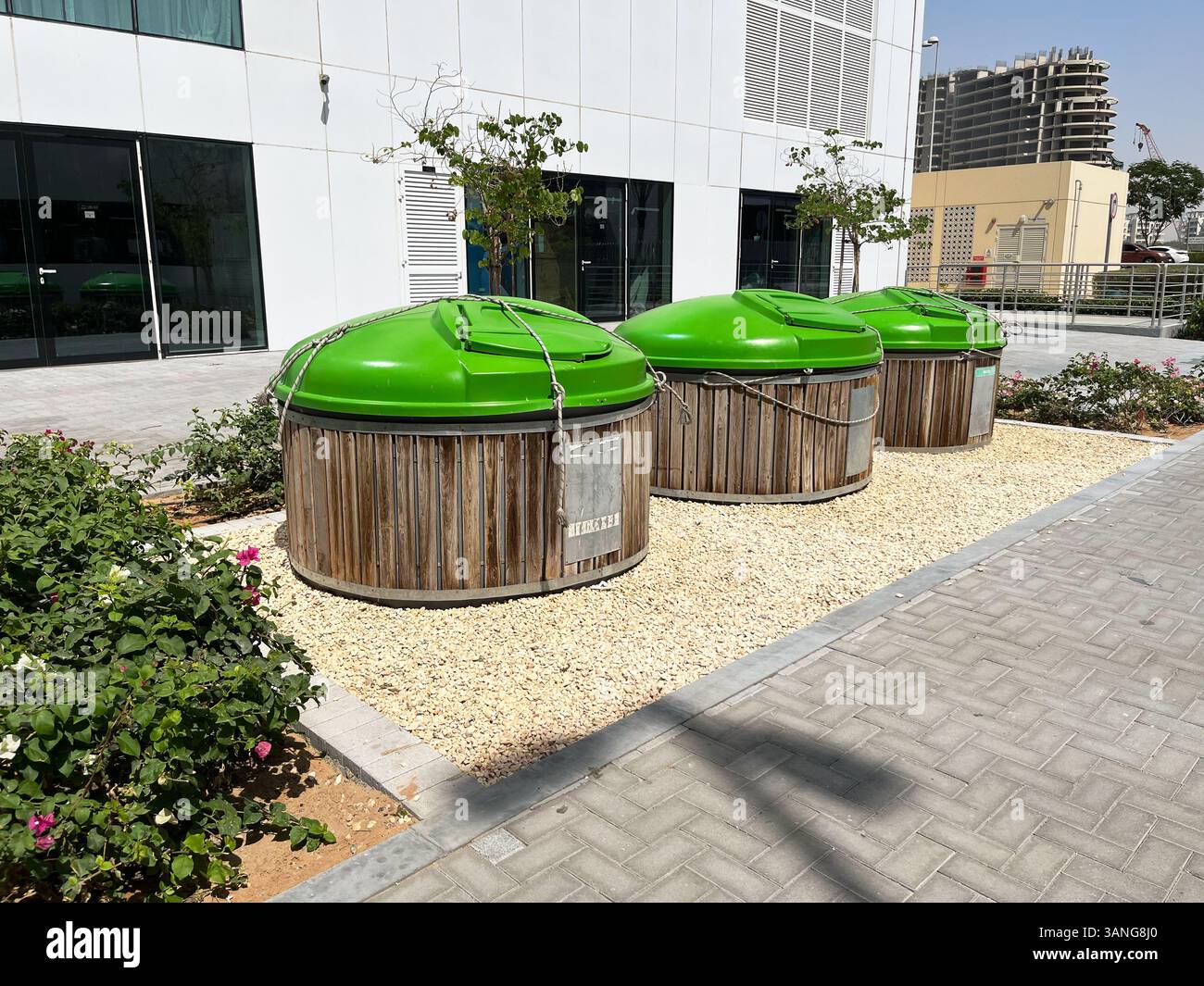
In the Middle East, particularly the UAE and Saudi Arabia, sustainable travel is being built into the DNA of "giga-projects" like NEOM and the Red Sea Project. These regions are leapfrogging traditional landfill methods in favor of fully automated waste collection systems (AWCS). These systems use pneumatic tubes to transport waste from hotels and residential areas to central processing facilities, keeping the streets clean and reducing the carbon footprint of waste collection trucks.
Technical Components of Modern Eastern Waste Systems
To achieve the goals of sustainable travel, Eastern waste systems utilize several technical pillars that differentiate them from traditional models. These components ensure that waste is handled efficiently, even in remote or high-density locations.
- AI-Driven Sorting Facilities: Many Eastern hubs have invested in Material Recovery Facilities (MRFs) that use artificial intelligence and robotics to sort recyclables with a higher degree of purity than manual sorting. This increases the market value of the recycled materials and ensures they actually stay in the circular economy.
- Organic Waste Decentralization: In Southeast Asian island destinations, transporting waste to the mainland is costly and carbon-intensive. Modern systems now utilize on-site anaerobic digesters or industrial composting units. These units turn food waste from resorts into nutrient-rich soil for local agriculture, closing the loop on the food-to-waste cycle.
- Digital Traceability: By 2026, blockchain and QR-code tracking are frequently used to monitor waste from the point of generation (the hotel or restaurant) to the point of processing. This transparency allows travel companies to verify their "green" claims and provides travelers with data on the impact of their stay.
- Micro-Waste Infrastructure: This refers to small-scale, community-led initiatives that handle specific waste streams, such as cigarette butts or micro-plastics on beaches. These systems often involve "citizen science" where tourists help collect and categorize waste as part of an educational experience.
Practical Implications for Travelers and Operators
Understanding local waste systems is no longer optional for those involved in the travel sector. It impacts everything from operational costs to brand reputation.
For Travel Operators and Hotels
In 2026, compliance with local waste systems is a major factor in obtaining sustainability certifications like the Global Sustainable Tourism Council (GSTC) criteria. Operators must invest in:
- Employee Training: Ensuring staff understand the nuances of local recycling laws.
- Procurement Shifts: Choosing suppliers who use minimal packaging or provide "take-back" schemes for empty containers.
- Waste Audits: Conducting regular assessments to identify which areas of the operation generate the most landfill waste.
For the Sustainable Traveler
Travelers are now expected to be active participants in these systems. This includes:
- Adhering to Sorting Rules: Many Eastern cities impose fines for improper waste disposal.
- Reducing On-Site Waste: Carrying reusable water bottles and shopping bags is standard, especially as more destinations implement "plastic-free" zones.
- Supporting Local Initiatives: Choosing to stay in accommodations that can prove their waste is processed through high-standard regional systems.
Comparison of Waste Management Efficiency in Key Eastern Hubs (2026)
The following table compares the waste management characteristics of four major Eastern travel destinations based on current 2026 infrastructure data and policy targets.
| Destination | Primary Waste System | Key Strength | Challenge for Travelers | Target (2026-2030) |
|---|---|---|---|---|
| Tokyo, Japan | High-precision sorting & WTE | 95% + recycling/recovery | Complex sorting categories | 25% reduction in single-use plastic |
| Singapore | Integrated WTE & Semakau | Minimal land usage | High reliance on incineration | 70% overall recycling rate |
| Bali, Indonesia | Community-led & MRFs | Grassroots engagement | Infrastructure gaps in rural areas | 30% reduction in marine plastic debris |
| Dubai, UAE | Smart Bins & Automated Tubes | Aesthetic & efficient logistics | High per-capita waste generation | 75% diversion from landfill |
Challenges and Unresolved Issues
Despite the technological advancements of 2026, several challenges remain. The "Eastern waste systems" are not uniform, and significant disparities exist between wealthy urban centers and rural or developing areas.
One major issue is the transboundary movement of waste. While a traveler may be diligent in a high-end resort, the regional infrastructure might still struggle with the ultimate disposal of certain materials, leading to "waste leakage" into the ocean. Furthermore, the rise of "biodegradable" plastics has created confusion. Many Eastern waste systems are not yet equipped to handle these materials, which require specific industrial composting conditions to break down, often ending up in landfills where they produce methane.
Another challenge is the informal waste sector. In many Southeast Asian countries, waste pickers play a vital role in recycling. Integrating these workers into formal, safe, and sustainable travel waste systems remains a complex socio-economic hurdle that requires sensitive policy-making.
Frequently Asked Questions
How do tourist taxes contribute to waste systems in the East?
Many destinations, such as Bali and several Japanese prefectures, have implemented tourist taxes or "sustainability fees." By 2026, these funds are increasingly earmarked specifically for waste infrastructure. This includes funding for more frequent collection in tourist hotspots, the construction of modern Material Recovery Facilities, and cleaning programs for natural heritage sites.
Can I trust the "Zero-Waste" claims made by hotels in Southeast Asia?
Verification is key. Look for hotels that provide transparent waste audits or are certified by reputable third parties like EarthCheck or Green Globe. In 2026, many leading resorts use digital dashboards to show guests exactly how much waste was diverted from landfills during their stay.
What is the most common mistake travelers make with Eastern waste systems?
The most common mistake is assuming that "recyclable" packaging from home is recyclable in the destination. Waste systems are highly localized. For example, a specific type of plastic might be recycled in Singapore but not in a remote island in the Philippines. Always follow the local bin signage rather than your own previous knowledge.
Are waste-to-energy plants actually sustainable for travel destinations?
Waste-to-energy (WTE) is considered a "bridge technology." While it is better than landfilling—especially in land-scarce regions—it is less sustainable than reduction and recycling. In 2026, the focus has shifted toward ensuring WTE plants have ultra-low emission filters and that they only process truly non-recyclable residual waste.
How has the ban on single-use plastics changed in 2026?
By 2026, most major Eastern destinations have moved beyond banning plastic bags to banning "hidden" plastics, such as those in tea bags, coffee pods, and hotel toiletry miniatures. Travelers will find that high-end hospitality now focuses on bulk dispensers and compostable plant-based materials.
Strategic Recommendations for Sustainable Travel
To effectively navigate and support Eastern waste systems, stakeholders should prioritize reduction over processing. For travelers, this means auditing their luggage to remove potential waste before it even enters a destination—a practice known as "pre-cycling."
For travel businesses, the next step is moving toward regenerative models. This involves partnering with local waste management firms to not only handle the hotel's waste but to help improve the waste infrastructure of the surrounding local community. By 2026, the most successful sustainable travel brands are those that treat waste management as a core part of their guest experience, educating visitors and leaving the destination cleaner than they found it.
Image Gallery