Mastering the Stacked Bob Curly: Ultimate Cutting, Styling, and Maintenance Guide
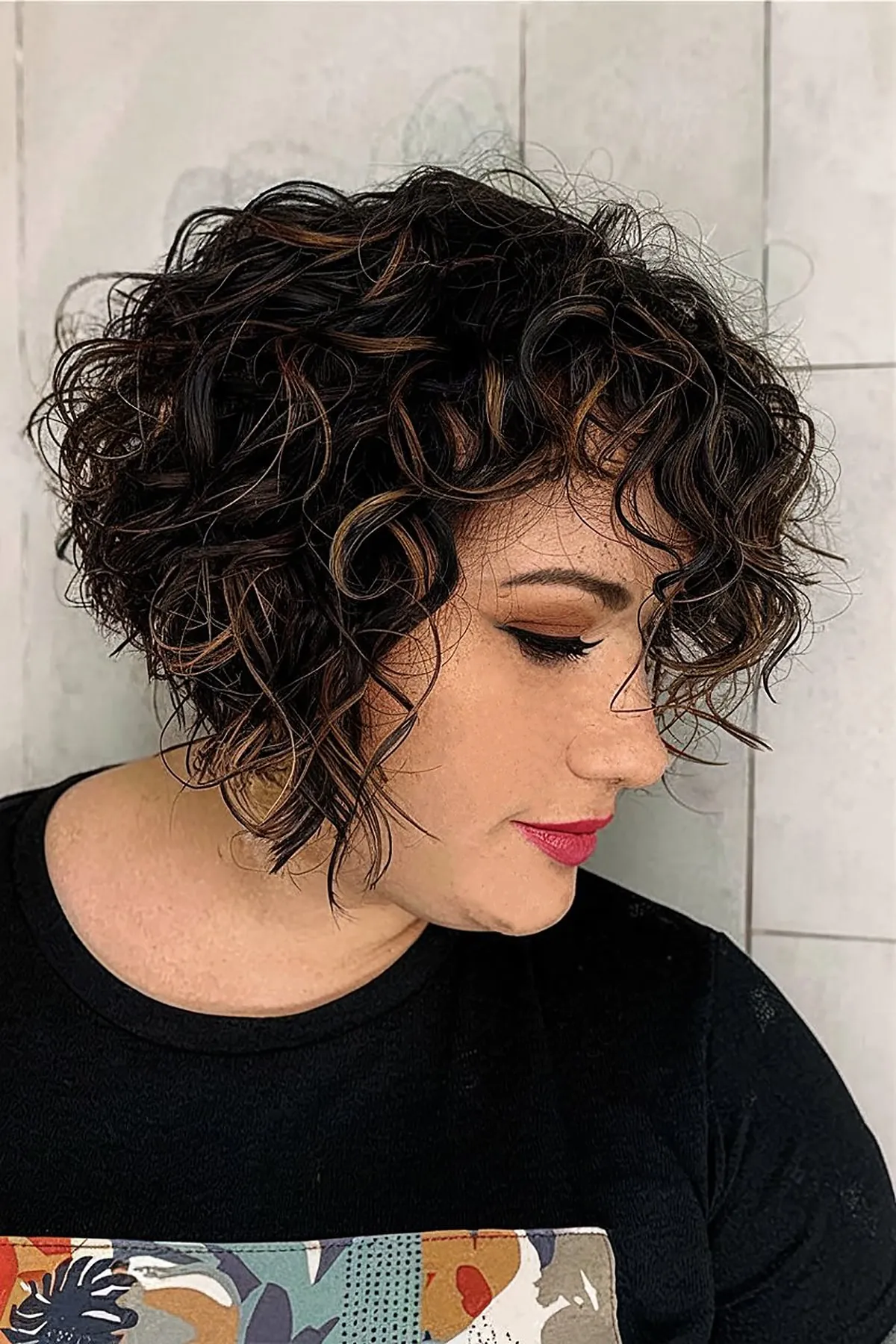
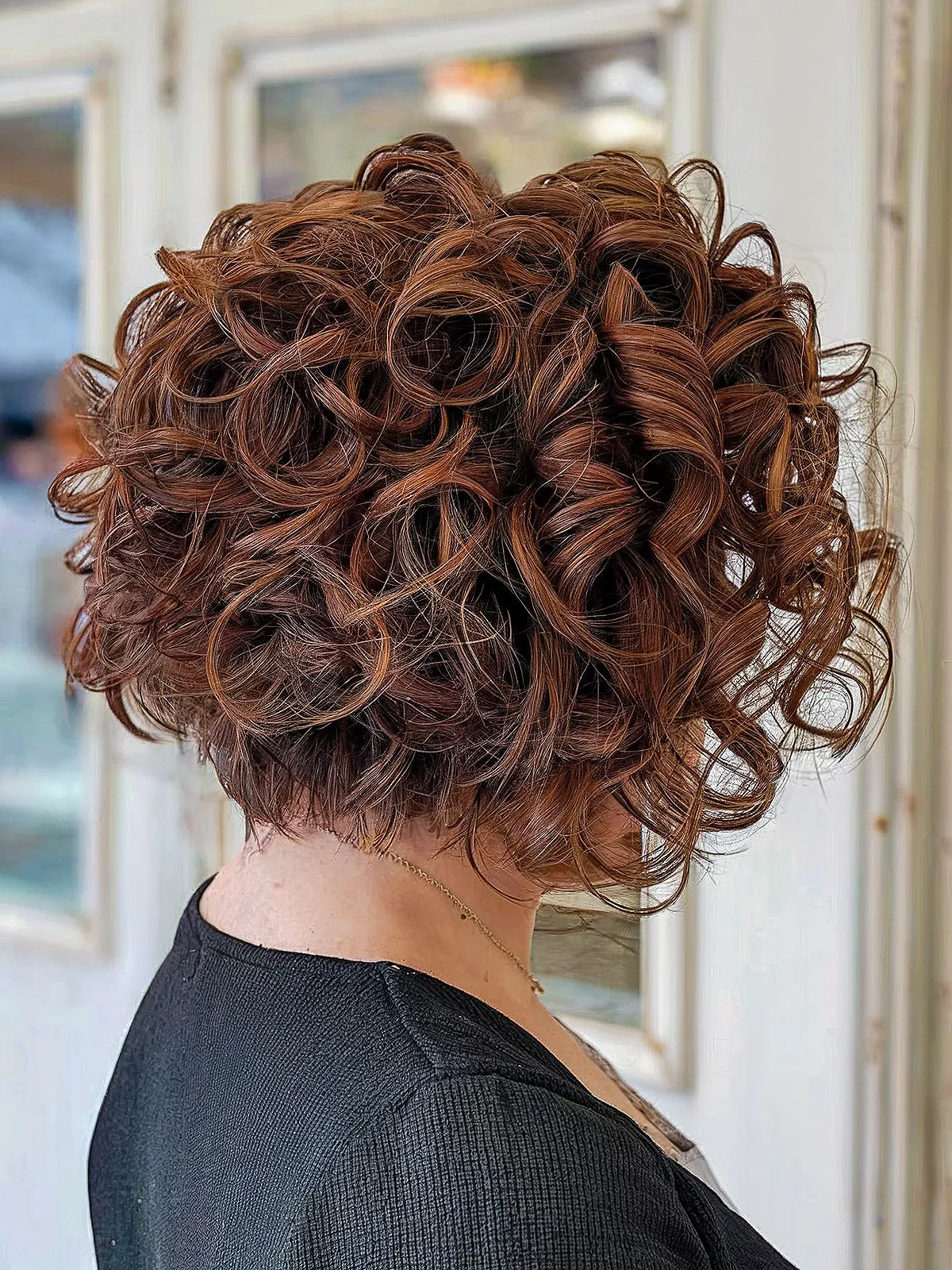
A stacked bob curly cut is a dynamic, volumetric hairstyle featuring shorter, graduated layers in the back that build height and volume, tapering down into longer, textured curls framing the face. This cut modernizes traditional bob ge...
A stacked bob curly cut is a dynamic, volumetric hairstyle featuring shorter, graduated layers in the back that build height and volume, tapering down into longer, textured curls framing the face. This cut modernizes traditional bob geometry, making it an exceptional choice for natural wave, curl, and coily patterns seeking effortless shape and bounce.
Contents
Understanding the Anatomy of a Curly Stacked Bob
The foundation of any successful stacked bob lies in its precision geometry and understanding of curl shrinkage. Unlike straight hair, where cutting lines fall exactly as measured, curly hair springs upward, requiring a customized approach to layering and graduation.
Key Structural Elements
- The Stack (Nape Graduation): Short, tightly packed layers cut at a steep angle at the back of the head. This creates a natural cushion or shelf that pushes the curls outward and upward, eliminating flat spots at the crown.
- The Perimeter Line: The outer boundary of the cut, which can be tailored to sit at the nape, jawline, or slightly grazing the collarbone depending on face shape and curl tension.
- Internal Weight Removal: Strategic thinning or channel cutting performed within the bulk of the hair to prevent the dreaded "triangle head" effect common with shorter curly cuts.
| Zone | Primary Function |
|---|---|
| Nape/Crown | Builds volume, height, and shape |
| Sides/Front | Frames face, balances symmetry |
| Internal Layers | Removes bulk, enhances spring |
Determining Your Curl Type and Texture Suitability
Before committing to a stacked bob, analyzing your specific curl pattern and strand density is essential. Not all curls react identically to extreme graduation.
Wave and Curl Categories
- Wavy (Type 2A - 2C): Responds well to a stacked bob, though the stack may need to be softer to prevent the ends from looking stringy. Lightweight mousses and sea salt sprays help define the graduation.
- Curly (Type 3A - 3C): The ideal candidate for this cut. The natural spring of Type 3 curls creates built-in volume at the stack without requiring excessive styling manipulation.
- Coily (Type 4A - 4C): Requires a modified, rounded stack. Because Type 4 hair experiences significant shrinkage, cutting on dry hair is mandatory to control the exact shape and prevent the back from sitting too high.
Step-by-Step Cutting Technique for Stylists
Executing a curly stacked bob requires a specialized technical methodology, predominantly utilizing dry-cutting or freehand shaping techniques to honor individual curl clumps.
Preparation and Dry Cutting Protocol
- Consultation and Assessment: Evaluate the client's dry curl pattern, density, and natural parting. Determine the maximum height of the stack and the desired front length.
- Dry Baseline Cut: Perform the initial shape and length reduction on dry, unmanipulated hair in its natural state. This ensures you see exactly how the curls fall and spring.
- Establishing the Nape Graduation: Section the hair into a classic horseshoe parting. Working from the bottom up, elevate the sections at a 45-degree to 90-degree angle to build the stack, taking micro-trims curl by curl.
- Refining the Sides: Bring the side sections forward, blending them smoothly into the shorter back. Ensure the perimeter sits evenly around the jawline or chin, depending on the client's facial structure.
- Detailing and Shape Balancing: Shake out the hair and assess for weight distribution. Clip away stray hairs that disrupt the curved silhouette of the stacked wedge.
Essential Styling Products and Tools
Achieving salon-quality results at home with a curly stacked bob requires an intentional arsenal of moisture-rich styling agents and diffusers.
Recommended Product Regimen
- Hydrating Cleanser and Conditioner: Curls need maximum elasticity. Use sulfate-free formulas that infuse moisture into the cuticle before styling.
- Curl Cream or Leave-In Conditioner: Apply evenly to soaking wet hair to clump curls together and eliminate frizz before adding hold.
- Strong-Hold Gel or Mousse: Scrunch into damp hair to lock the stack in place and prevent the shorter crown layers from expanding into unwanted frizz throughout the day.
- Diffuser Attachment: Essential for drying the stacked area without disturbing curl clumps. Use a low-speed, medium-heat setting to encourage the nape curls to stack neatly upward.
Daily Maintenance and Refreshing Routines
Maintaining the sharp silhouette of a stacked bob requires a proactive maintenance schedule both day-to-day and over the course of the year.
Troubleshooting Common Styling Hurdles
- The Triangle Effect: If your cut begins looking too wide at the bottom and flat at the top, your internal layers are likely too heavy. Visit your stylist for targeted weight removal.
- Cowlicks at the Nape: Short stacked bobs often expose stubborn growth patterns at the neckline. Use a strong-hold styling gel and a fine-toothed comb while damp to direct these hairs downward.
- Frizz at the Crown: The shorter layers in the back experience the most friction against clothing and pillows. Sleep on a silk or satin pillowcase and utilize a satin bonnet to preserve the stack overnight.
Comparing Cutting Methods for Curly Bobs
| Cutting Method | Best For | Advantages | Potential Drawbacks |
|---|---|---|---|
| Dry Cutting | Type 3 & 4 Curls | Shows true shrinkage and shape instantly; highly accurate | Takes longer; requires precise styling before the cut |
| Wet Cutting | Type 2 Waves | Clean parting lines; faster initial length removal | Curls spring up unpredictably once dry, risking a shorter-than-expected result |
| Deva/Rezo Cut | All Curl Types | Specialized shaping tailored to curl dynamics | Requires certified specialists trained in specific methodologies |
Frequently Asked Questions
Can fine curly hair support a stacked bob?
Yes, fine curly hair actually benefits greatly from a stacked bob because the graduation at the nape creates the illusion of thickness and volume where hair is naturally sparse. Use lightweight volumizing foams rather than heavy butters to avoid weighing the strands down.
How often do I need to trim a curly stacked bob?
To maintain the sharp geometric angle of the stack and prevent split ends from tangling the shorter layers, plan for maintenance trims every 6 to 8 weeks. Waiting longer can cause the back to lose its lift and turn into an undefined bulb shape.
Will a stacked bob make my face look rounder?
It depends on how the front pieces are cut. If you have a round face shape, ask your stylist to keep the front pieces longer—grazing the collarbone or hitting just below the chin—to elongate your facial structure. Avoid blunt bangs that stop right at the cheekbones.
How do I refresh my stacked curls on day two?
Lightly mist the dry areas with water and a leave-in conditioner spray, focusing heavily on the crown and nape stack. Scrunch a dime-sized amount of curl gel into the damp sections and diffuse or air-dry to reactive the product cast from day one.
Is a stacked bob difficult to manage for beginners?
While short curly hair requires a learning curve regarding shrinkage and product application, a well-executed stacked bob is surprisingly low-maintenance once you establish a reliable wash-and-go or diffusing routine. The cut does the heavy lifting by maintaining its built-in shape.
Can I wear a curly stacked bob in a ponytail?
Depending on how short the nape stack is, you may be able to pull the front and crown sections into a half-up, half-down style or a mini-pineapple. However, very aggressive short stacks will naturally let shorter nape curls fall free, which adds to the edgy, textured aesthetic of the cut.
Professional Recommendation for Your Next Salon Visit
When booking your appointment for a curly stacked bob, ensure your stylist specializes in textured hair and requests a consultation to evaluate your curl elasticity. Bring reference photos that match your exact curl tightness rather than straight-haired stacked bobs to guarantee realistic expectations for your daily styling routine.
Image Gallery