Ultimate Guide to BBS License Look Up in 2026: Verifying Mental Health Practitioners
Note: This article specifically addresses the California Board of Behavioral Sciences (BBS) license lookup procedures for mental health professionals, including Marriage and Family Therapists, Clinical Social Workers, Professional Clin...
Note: This article specifically addresses the California Board of Behavioral Sciences (BBS) license lookup procedures for mental health professionals, including Marriage and Family Therapists, Clinical Social Workers, Professional Clinical Counselors, and Educational Psychologists.
Contents
Navigating the regulatory landscape of mental health care requires absolute precision, particularly when verifying the credentials of practicing clinicians. For employers, insurance panels, and everyday consumers alike, executing a reliable license look up through the California Board of Behavioral Sciences (BBS) serves as the primary safeguard against unlicensed practice and professional misconduct. As regulatory standards tighten across the state in 2026, understanding how to effectively query the Department of Consumer Affairs (DCA) license verification portal ensures that you can rapidly distinguish between active, suspended, and expired credentials.
Understanding the California Board of Behavioral Sciences Regulatory Framework
The California Board of Behavioral Sciences functions as the state regulatory agency responsible for licensing, examining, and disciplining over 130,000 mental health professionals. These practitioners include Licensed Marriage and Family Therapists (LMFTs), Licensed Clinical Social Workers (LCSWs), Licensed Professional Clinical Counselors (LPCCs), and Licensed Educational Psychologists (LEPs), along with their respective associate tiers and trainees.
The mandate of the BBS centers on public protection. Consequently, the public licensing database is maintained in real-time to reflect disciplinary actions, public reprovals, probations, and license revocations. In 2026, the integration of advanced digital verification systems allows users to cross-reference professional standing instantly, ensuring complete transparency within the mental health sector.
Step-by-Step Instructions for Performing a BBS License Look Up
Executing a successful query on the official DCA and BBS license verification portal requires specific identifying details. To optimize your search results and avoid common pitfalls like common-name confusion, follow this structured procedural framework.
- Navigate to the official California Department of Consumer Affairs (DCA) License Search portal or the direct link hosted on the California BBS website.
- Select "Board of Behavioral Sciences" from the drop-down menu of regulatory boards and bureaus to narrow the search parameters.
- Choose the specific license type from the available options, such as Marriage and Family Therapist, Clinical Social Worker, Professional Clinical Counselor, or Educational Psychologist.
- Input the practitioner's exact legal first name and last name. Alternatively, you can search strictly by the license number if it is already known, which eliminates ambiguity.
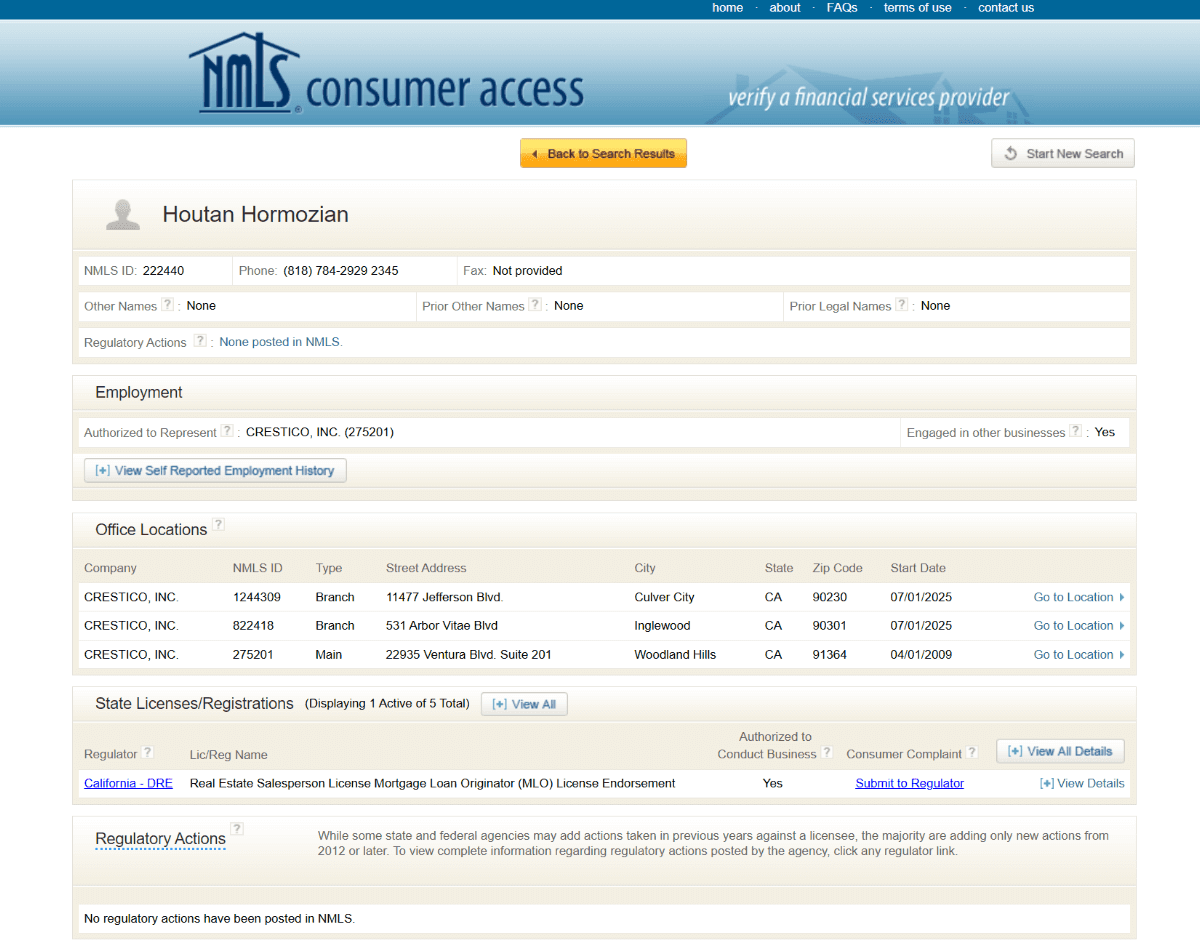
- Review the resulting status summary page, checking critical data points including expiration date, address of record, and any associated public disciplinary documents.
Pro-Tip for Complex Searches: If a practitioner has recently married or legally changed their name, searches using their former surname may yield historical records or pending update flags. Always verify both maiden and married names if initial queries return no active results for a known clinician.
Deciphering License Status Categories and Disciplinary Indicators
When conducting a license look up, understanding the precise statutory definition of each status category is vital for risk mitigation. The BBS employs specific nomenclature to describe a practitioner's legal right to practice psychotherapy and clinical counseling within the state of California.
- Active: The practitioner has met all continuing education requirements, paid all renewal fees, and holds full legal authorization to practice psychotherapy independently.
- Delinquent: The license has expired due to non-renewal. Practicing under a delinquent status is illegal and constitutes a misdemeanor offense under California business and professions law.
- Cancelled: The license has been permanently terminated, typically due to non-renewal over an extended statutory window, and cannot be renewed without re-examination.
- Revoked or Surrendered: The license has been stripped due to disciplinary actions or voluntarily given up by the licensee during an active investigation, permanently revoking the right to practice.
- Probation: The practitioner retains an active license, but is subject to strict operational oversight, mandatory supervision, or ethical re-training as mandated by a disciplinary order.
| License Status Category | Legal Authorization to Practice | Continuing Education Compliance | Public Disciplinary Records |
|---|---|---|---|
| Active | Full Authorization | Verified Current | None, or Viewable Separately |
| Delinquent | Prohibited | Lapsed / Pending | May Include Past Actions |
| Cancelled | Permanently Terminated | Void | Historical Records Retained |
| Revoked | Permanently Prohibited | N/A | Active Disciplinary Order |
| Probationary | Conditional Authorization | Subject to Board Audit | Mandatory Public Disclosure |
Comparative Analysis: Independent Licensure Versus Associate Tiers
When reviewing provider credentials, stakeholders often encounter individuals operating under associate registration numbers rather than full independent licenses. Understanding the structural differences between these tiers ensures appropriate clinical oversight and administrative compliance.
| Feature / Requirement | Licensed Clinician (LMFT, LCSW, LPCC, LEP) | Associate Clinician (AMFT, ASW, APCC) |
|---|---|---|
| Independent Practice | Authorized to practice independently and open private practices. | Legally prohibited from independent practice; must work under supervision. |
| Supervision Requirement | None required for independent practice. | Mandatory clinical supervision by a board-approved supervisor. |
| Billing and Insurance | Can be paneled directly with commercial insurance and managed care networks. | Typically cannot bill insurance independently; billed under supervisor NPI. |
| Expiration Constraints | Renewable every two years with Continuing Education (CE). | Subject to statutory registration limits (typically capped at 6 years maximum). |
Essential Troubleshooting and Verification Error Remedies
Users frequently encounter challenges when searching the BBS database due to minor data entry errors or system limitations. If your initial search yields no results, apply these troubleshooting protocols to ensure an accurate evaluation.
- Broaden Name Criteria: Remove middle names or initials, as database entries frequently omit middle identifiers unless specifically entered during initial application filings.
- Verify Board Jurisdiction: Ensure the practitioner is not regulated by the California Board of Psychology (psychologists) or the Medical Board of Psychiatrists, as cross-board confusion is common among consumers.
- Check Associate Prefixes: Remember that associate registrations carry specific prefixes (e.g., AMFT for Associate Marriage and Family Therapist), which must be selected correctly in the search filter.
- Contact the Board Directly: If a credential cannot be verified electronically due to system maintenance or recent administrative processing delays, contact the BBS licensing unit via telephone or email for manual confirmation.
Frequently Asked Questions Regarding BBS License Look Up
What information do I need to perform a successful BBS license look up?
You need either the practitioner's exact legal first and last name or their unique license/registration number. Knowing their city of practice or license type can also help filter common names.
Can an associate clinician legally operate an independent private practice in California?
No. Associate clinicians (AMFTs, ASWs, APCCs) are legally required to practice under the direct supervision of a licensed mental health professional and cannot own or operate independent private practices.
How often are disciplinary actions updated on the BBS verification portal?
Disciplinary actions, citations, and public reprovals are updated in real-time or within 24 to 48 hours of a final administrative decision being rendered by the Board of Behavioral Sciences.
What should I do if a practitioner's license status shows as "Delinquent"?
You should immediately cease clinical engagement or billing operations with that provider, as practicing with a delinquent license violates state law and invalidates professional liability coverage.
Are continuing education (CE) records visible during a standard BBS license search?
While the public lookup confirms whether a license is active, specific CE course completion certificates are typically audited upon renewal rather than displayed itemized on the public search screen.
How can I verify if an out-of-state therapist can legally provide telehealth in California?
California law generally requires mental health practitioners to be fully licensed by the California BBS to treat clients located within the state, regardless of where the provider resides. Always verify the California license status directly.
Ensuring Compliance and Professional Integrity
Maintaining rigorous oversight of mental health credentials protects both consumers and healthcare organizations from legal and ethical liabilities. By regularly utilizing the official California Board of Behavioral Sciences verification tools and carefully cross-referencing license statuses, stakeholders uphold the highest standards of clinical safety and regulatory compliance across the state.
Image Gallery