Philadelphia Museum Slavery Exhibit Changes: Historical Context, Institutional Decisions, and Public Access
Reports regarding a Philadelphia museum removing a slavery exhibit stem from distinct institutional actions across several major Philadelphia heritage organizations. These changes include the Penn Museum's removal and repatriation of h...
Reports regarding a Philadelphia museum removing a slavery exhibit stem from distinct institutional actions across several major Philadelphia heritage organizations. These changes include the Penn Museum's removal and repatriation of human remains of enslaved individuals, the physical closure and digital collection transfer of the Philadelphia History Museum, and ongoing structural updates to outdoor exhibits at the President's House site.
Contents
Disambiguating Philadelphia Museum Exhibit Removals and Curatorial Revisions
Public discussion surrounding the removal or alteration of slavery exhibits in Philadelphia often conflates three separate institutional events that occurred across different historic sites and academic bodies in the city. Because Philadelphia serves as a central hub for early American national history, African American history, and colonial studies, changes to historical displays frequently draw substantial public interest and media coverage.
Understanding the context behind each event requires examining the specific institutions, the nature of the materials removed, and the historical motivations behind these curatorial shifts.
Philadelphia Museum Exhibit Revisions:
- Penn Museum (Morton Collection)
- Removed human remains of enslaved people
- Commenced formal repatriation & burial programs
- Philadelphia History Museum (Atwater Kent)
- Closed physical museum facility in 2018
- Transferred 130,000+ artifacts to Drexel University for loan and digital access
- President's House Site (NPS & City)
- Replaced aging multimedia panels
- Preserved structural commemorative layout honoring 9 enslaved individuals
1. Penn Museum: Removal and Repatriation of Enslaved Human Remains
The most prominent removal of slavery-related historical materials in Philadelphia occurred at the Penn Museum (University of Pennsylvania Museum of Archaeology and Anthropology). For decades, the museum housed the Samuel George Morton Cranial Collection, a 19th-century collection of over 1,300 human skulls gathered by physician Samuel George Morton to promote scientific racism and racial hierarchy theories.
The collection included the physical remains of enslaved Black individuals from Philadelphia and plantations in Cuba. Following extensive internal reviews, community advocacy, and ethical evaluations, the Penn Museum officially removed the Morton Collection from public view and educational display. In April 2021, the museum issued a formal public apology and committed to repatriating or reburying the remains. By 2023 and 2024, legal approvals were secured to rebury the remains of 19 Black Philadelphians at the historic Eden Cemetery, marking a permanent removal of these remains from museum storage and exhibition space.
2. Philadelphia History Museum at the Atwater Kent: Facility Closure and Collection Transfer
Another major shift involved the Philadelphia History Museum at the Atwater Kent, located at 15 South 7th Street. Established in 1938, the museum housed over 130,000 artifacts detailing the city's civic, industrial, and social history, including comprehensive displays on colonial slavery, the Underground Railroad, and free Black institutions in Philadelphia.
Due to persistent budgetary shortfalls and declining municipal funding, the physical museum permanently closed its doors to the public in 2018. The closure physically removed its extensive slavery and abolition exhibits from public view. To safeguard the heritage materials, stewardship of the entire collection was transferred to Drexel University under the Atwater Kent Collection at Drexel. While the physical exhibits were uninstalled, Drexel established online collection databases and a community lending program to allow other regional cultural institutions to display the items.
3. The President's House Site: Maintenance and Panel Replacement
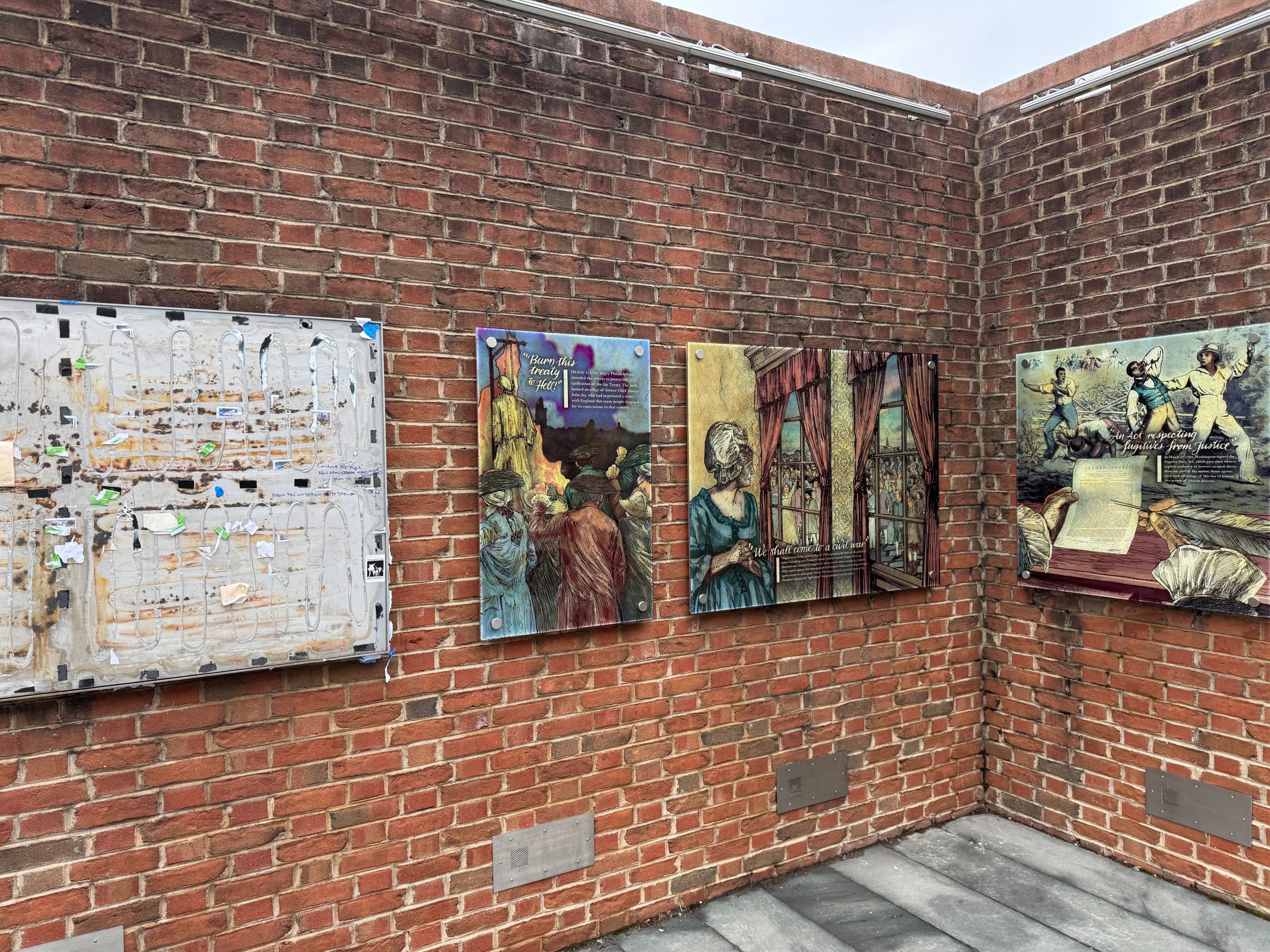
Located at 6th and Market Streets within Independence National Historical Park, The President's House: Freedom and Slavery in the Making of a New Nation is an open-air exhibit managed jointly by the National Park Service (NPS) and the City of Philadelphia. Opened in 2010, the site marks the location of George Washington's executive mansion, explicitly honoring the nine enslaved Black individuals—including Oney Judge, Hercules Posey, Austin, Giles, Richmond, Moll, Paris, Christopher, and Joe—who lived and labored there under Washington's presidency.
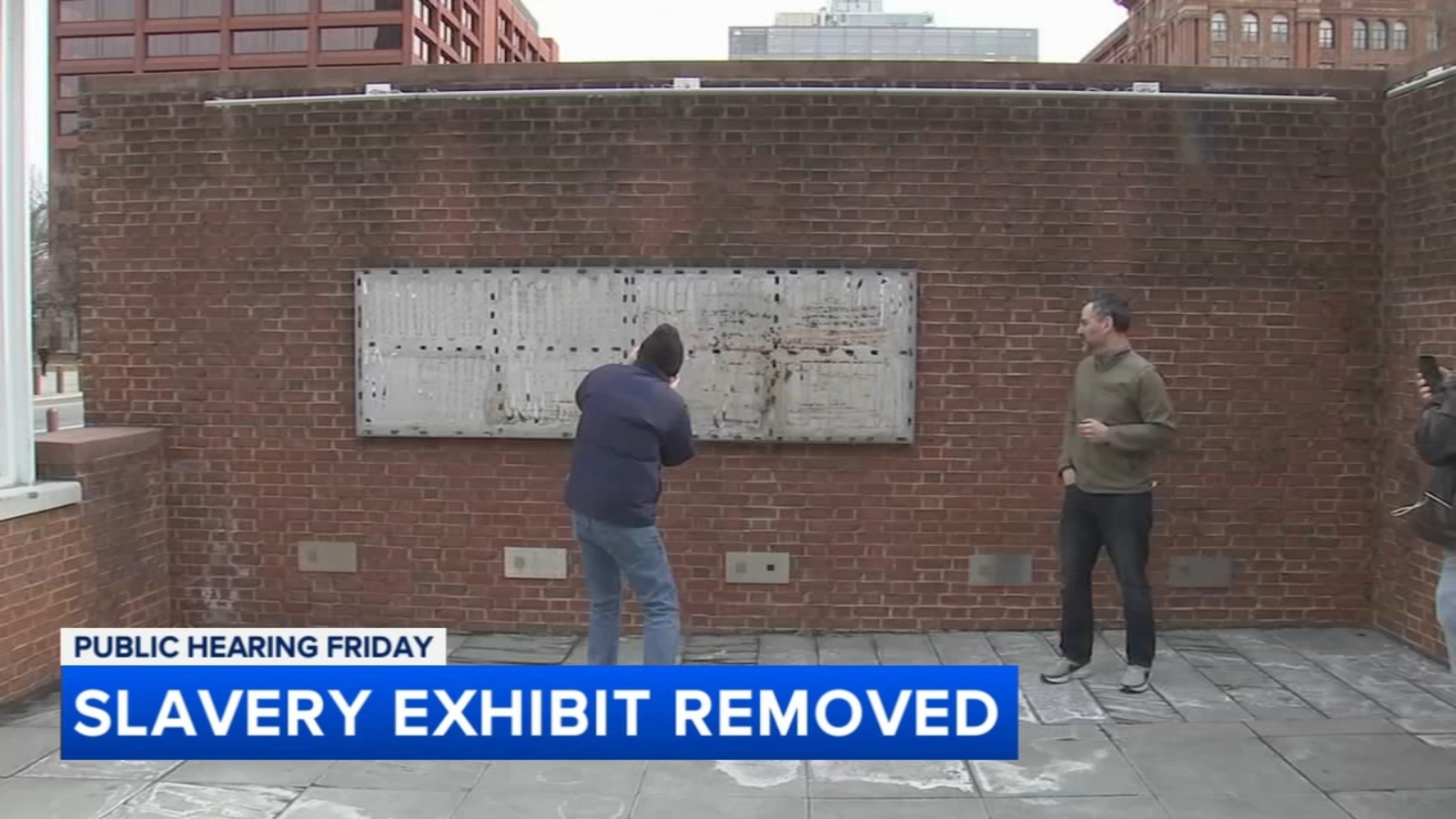
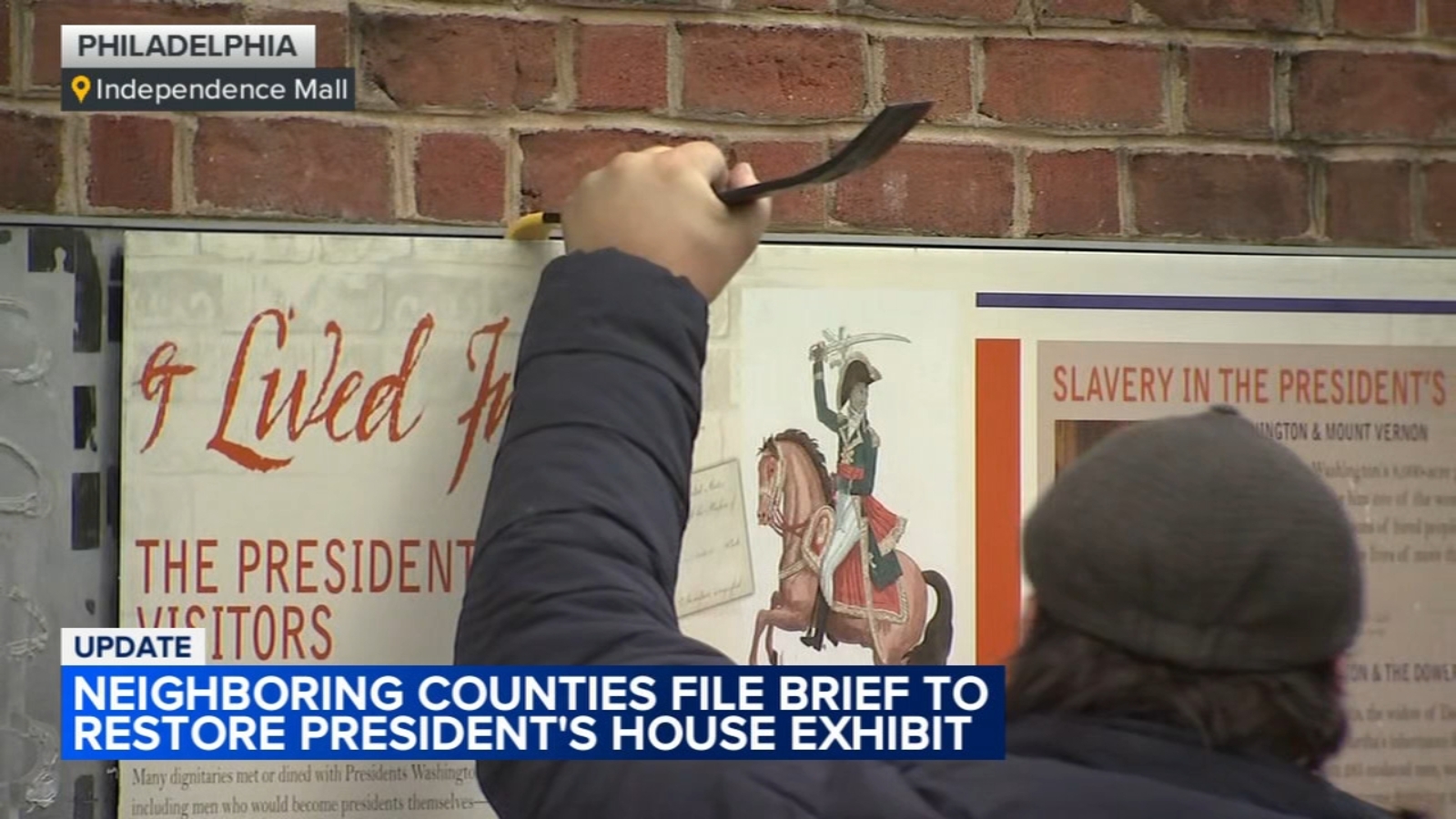
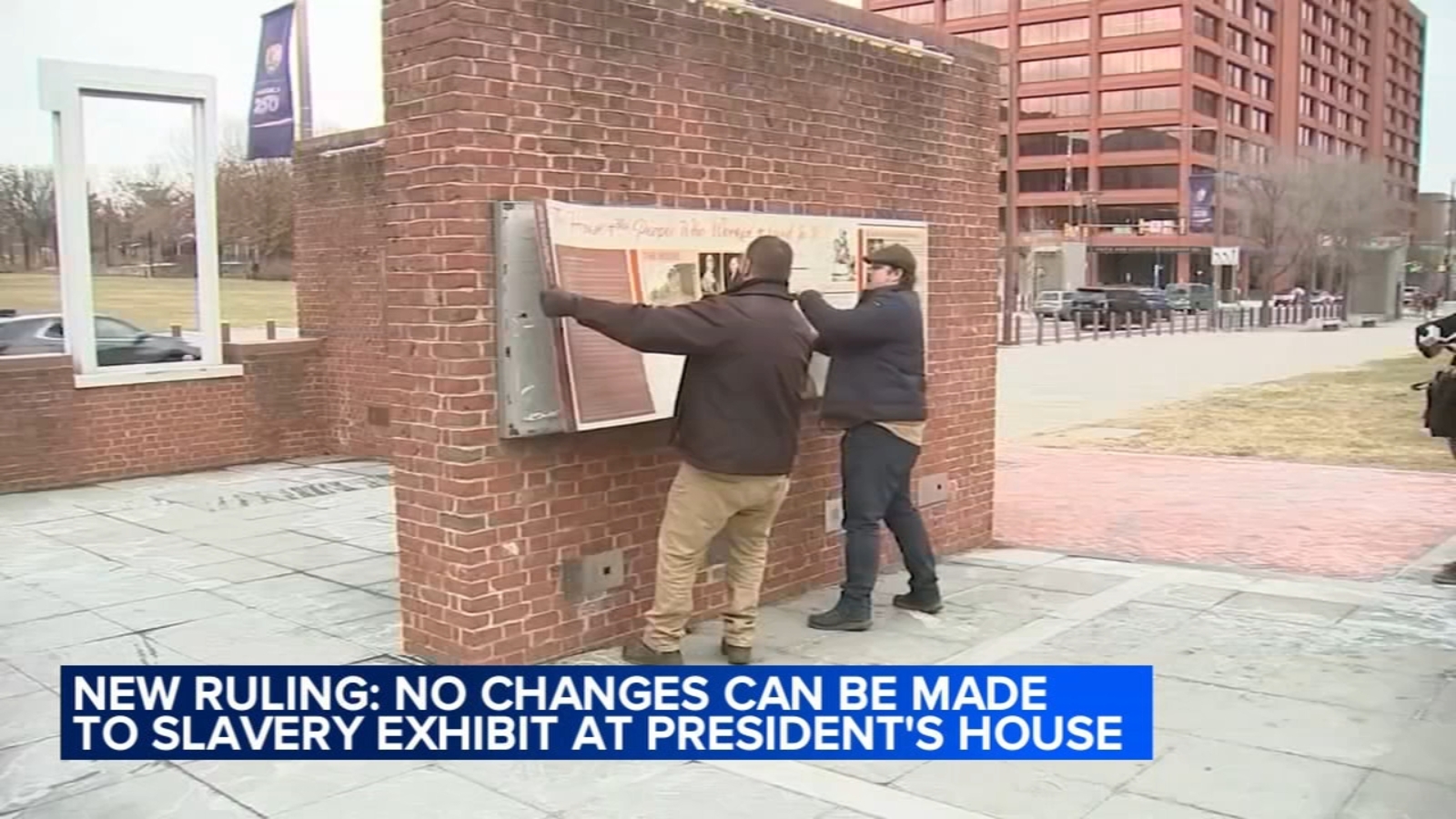
Over the years, public confusion arose when several interactive video monitors and exhibit panels detailing the reality of enslavement were temporarily removed or turned off. These removals were driven by weather damage to outdoor digital screens and routine structural updates, rather than a decision to censor historical content. The National Park Service and community oversight organizations, such as the Avenging The Ancestors Coalition (ATAC), have continuously worked to maintain and update the interpretive signage to ensure the lives of the enslaved individuals remain central to the memorial layout.
Ethical Frameworks and Repatriation Mandates Driving Display Changes
The modification and removal of exhibits concerning historical slavery reflect broader shifts in museum ethics, legal mandates, and archival standards across the United States. Modern museum curation increasingly prioritizes ethical stewardship over permanent static display.
Drivers of Museum Curatorial Shifts:
- Ethical Stewardship
- Phasing out human remains displays
- Re-evaluating past acquisition methods
- Community Advocacy
- Direct descendant and community input
- Grassroots historic preservation activism
- Collection Modernization
- Transition to open-access digital repositories
- Collaborative lending to regional heritage sites
Decolonization and Ethical Stewardship of Human Remains
For generations, American and European museums exhibited human remains and sacred artifacts collected without consent from marginalized communities. Contemporary ethical guidelines established by the American Alliance of Museums (AAM) mandate that cultural institutions reassess the provenance of their holdings.
The removal of the Morton Collection at the Penn Museum represents a direct application of these principles. Museums are increasingly recognizing that displaying the physical remains of enslaved human beings violates basic human dignity and perpetuates historical harm.
Deaccessioning and Digital Preservation
When municipal or private museums face financial collapse—as occurred with the Philadelphia History Museum—institutions must execute formal deaccessioning and collection transfer protocols. Rather than liquidating assets, modern museum governance requires partnering with academic institutions to digitize holdings.
This model shifts historical access away from traditional brick-and-mortar exhibits toward decentralized digital archives, allowing researchers worldwide to examine court records, bill-of-sale documents for enslaved people, and abolitionist manuscripts.
Community-Led Historical Representation
In historical urban centers like Philadelphia, public monuments and exhibit installations are heavily shaped by community activism. The development of the President's House site was heavily influenced by public protests demanding that the city acknowledge slavery at the site where George Washington resided.
When exhibit elements require maintenance or revision, local advisory panels work alongside government agencies to ensure that historical accuracy is preserved during any physical redesign or panel replacement.
Summary of Philadelphia Institutions and Slavery Exhibit Status
The following matrix outlines the primary Philadelphia institutions, the specific actions taken regarding their slavery-related exhibits or collections, the timeframe of those decisions, and their current access status:
| Institution Name | Primary Exhibit or Collection | Key Decision / Action Taken | Primary Driver | Current Access Status (2026) |
|---|---|---|---|---|
| Penn Museum | Samuel George Morton Cranial Collection | Removed human remains of enslaved people from display; initiated formal repatriation and reburial | Ethical collection review and public apology | Exhibits permanently removed; remains transitioning to historic burial grounds |
| Philadelphia History Museum (Atwater Kent) | Civic History Collection (Colonial Slavery & Free Black History) | Closed physical facility permanently; uninstalled all permanent exhibitions | Financial insolvency and municipal budget reallocation | Physical exhibits closed; collection managed by Drexel University via online database and regional loans |
| President's House Site (NPS) | Freedom and Slavery in the Making of a New Nation | Temporarily removed and updated weather-damaged multimedia panels and screens | Structural maintenance and hardware modernization | Fully open public outdoor site; active interpretive signage maintained by NPS |
| African American Museum in Philadelphia (AAMP) | Audacious Freedom: African Americans in Philadelphia 1776–1876 | Retained, expanded, and updated permanent core exhibition | Core educational mission expansion | Open to the public; fully accessible core and temporary exhibits |
| Museum of the American Revolution | Exhibits on Enslaved Patriots, Phillis Wheatley, and James Forten | Integrated and expanded permanent displays detailing Black revolutionary history | Inclusive historical interpretation standards | Open to the public; integrated across main gallery spaces |
Where to View Active Slavery and African American History Exhibits in Philadelphia
While certain historical exhibits have been uninstalled due to institutional restructuring or ethical repatriation, Philadelphia remains one of the premier cities in North America for researching and viewing the history of slavery, abolition, and African American freedom struggles.
The African American Museum in Philadelphia (AAMP)
Located at 7th and Arch Streets, The African American Museum in Philadelphia was founded in 1976 and was the first institution built by a major U.S. city to preserve and display African American history. Its core exhibition, Audacious Freedom: African Americans in Philadelphia 1776–1876, provides a thorough, evidence-based look at how enslaved and free Black Philadelphians navigated bondage, fought for abolition, and established resilient civic institutions during the nation's founding era.
Recommended Historical Sites in Philadelphia:
- African American Museum (AAMP)
- Core exhibit on free & enslaved Philadelphians
- Interactive multimedia timeline
- President's House Site (NPS)
- Outdoor open-air memorial on presidential enslavement
- Free public access
- Museum of the American Revolution
- Gallery displays on enslaved patriots, James Forten, and abolitionist origins
- Primary documents
Independence National Historical Park: The President's House
Situated just steps from Liberty Hall, the President's House site offers an outdoor, open-air educational installation managed by the National Park Service. Visitors can examine structural remnants of the original executive house while reading detailed biographies of the nine enslaved individuals forced to serve George Washington during his presidency. The installation explicitly addresses the contradiction between national ideals of liberty and the legal reality of chattel slavery.
Museum of the American Revolution
Located at 3rd and Chestnut Streets, the Museum of the American Revolution features comprehensive gallery displays detailing the experiences of Black Americans—both free and enslaved—during the Revolutionary War. Notable installations highlight the story of James Forten, a free Black Philadelphian and abolitionist who served aboard a privateer ship, as well as documents depicting how enslaved individuals navigated British and Continental military lines to secure personal emancipation.
Historic Germantown: Johnson House Historic Site
The Johnson House Historic Site, located in the Germantown neighborhood of Philadelphia, is a preserved 18th-century station on the Underground Railroad. Operating as a house museum, the site offers guided tours detailing how Quaker abolitionists and formerly enslaved people collaborated to provide shelter, food, and safe transportation to freedom seekers fleeing southern plantations.
Practical Action Plan for Researchers, Educators, and Visitors
If you are planning an educational visit, academic research project, or field trip centered on Philadelphia's history of slavery and abolition, follow these operational steps:
- Verify Facility Status Before Visiting:
- Confirm operating hours and ticketing requirements for indoor facilities like AAMP and the Museum of the American Revolution. Outdoor sites like the President's House are accessible 24/7 without tickets.
- Access Digital Archives for Closed Collections:
- To research items formerly held by the Philadelphia History Museum at Atwater Kent, access the online public portal maintained by the Atwater Kent Collection at Drexel University.
- Review Repatriation Statements for Academic Research:
- Researchers studying physical anthropology or the history of scientific racism should consult the official statement and archival documentation published on the Penn Museum Morton Collection portal.
- Utilize Primary Source Repositories:
- For primary colonial documents, bills of sale, and abolitionist records in Philadelphia, schedule research appointments at the Historical Society of Pennsylvania (HSP) or the Library Company of Philadelphia.
Frequently Asked Questions
Did a Philadelphia museum remove a slavery exhibit due to censorship?
No. The primary decisions involving exhibit removals or closures in Philadelphia were driven by ethical repatriation standards (such as the Penn Museum removing human remains from display), permanent facility closures caused by financial restructuring (the Philadelphia History Museum), or routine maintenance on outdoor interactive displays (the President's House site).
What happened to the human remains in the Penn Museum's Morton Collection?
The Penn Museum removed the Samuel George Morton Cranial Collection from public display and storage as part of an institutional review of unethically acquired human remains. Following legal and judicial approvals, the museum initiated formal repatriation and reburial proceedings, including reinterment at Eden Cemetery in Delaware County, Pennsylvania.
Is the President's House exhibit in Philadelphia still open to the public?
Yes. The President's House outdoor exhibit at 6th and Market Streets remains open to the public. While specific video monitors or outdoor text panels occasionally undergo maintenance or hardware replacement, the core structural memorial honoring the nine enslaved individuals living in Washington's household remains active.
Where did the artifacts from the closed Atwater Kent Museum go?
After the Philadelphia History Museum at the Atwater Kent closed in 2018, its collection of over 130,000 artifacts was placed under the stewardship of Drexel University. The collection is preserved and made accessible through a comprehensive online digital database and a loan program for regional cultural institutions.
Where is the best place in Philadelphia to learn about Underground Railroad history?
The Johnson House Historic Site in Germantown is one of the premier preserved Underground Railroad stations in Philadelphia, offering guided educational tours. Additionally, the African American Museum in Philadelphia and the National Constitution Center provide extensive exhibit materials on 19th-century abolitionist networks.
Final Recommendation
When researching or visiting Philadelphia's historic sites, distinguish between institutional facility closures, physical maintenance updates, and formal ethical repatriations. To view active, comprehensive exhibits on slavery and abolition, visit the African American Museum in Philadelphia, the President's House Site, and the Museum of the American Revolution. For digital access to deaccessioned historical artifacts, consult the online portal of the Atwater Kent Collection at Drexel University.
Image Gallery