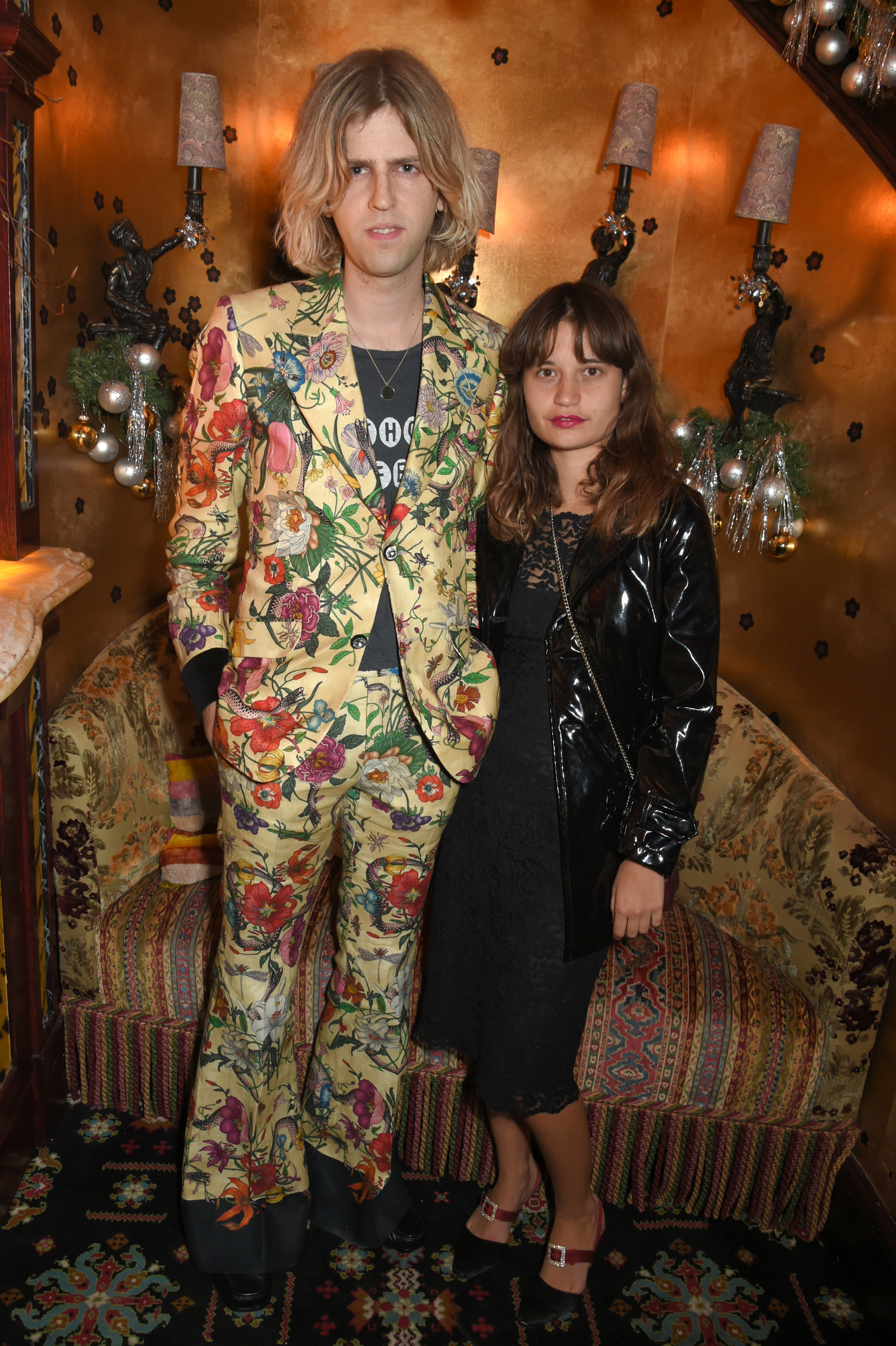
Tiger Lily Hutchence Net Worth: Estate Royalties, INXS Legacy, and Financial Profile
Heavenly Hiraani Tiger Lily Hutchence Geldof has an estimated net worth of $3 million to $4 million USD as of 2026. Her primary source of wealth stems from music publishing royalties and estate distributions derived from the catalog of...
Heavenly Hiraani Tiger Lily Hutchence Geldof has an estimated net worth of $3 million to $4 million USD as of 2026. Her primary source of wealth stems from music publishing royalties and estate distributions derived from the catalog of her late father, INXS frontman Michael Hutchence, alongside independent musical projects.
Contents
Financial Overview and Key Net Worth Indicators
Tiger Lily Hutchence has maintained a low-profile financial footprint compared to other high-profile descendants of rock icons. While early tabloid estimates frequently claimed she stood to inherit tens of millions of pounds, complex offshore trust structures, management disputes, and corporate legal battles significantly altered the ultimate distribution of the Michael Hutchence estate.
Her current asset valuation reflects a combination of private trust payouts unlocked upon her adulthood, ongoing songwriting and publishing royalties from INXS’s recorded catalog, and her personal endeavors within independent music and visual arts.
| Financial Metric | Estimated Value (USD) | Primary Drivers & Source Notes |
|---|---|---|
| Total Estimated Net Worth | $3.0M – $4.0M | Cumulative asset evaluation including royalties, investments, and personal property. |
| Annual Royalty Yield | $150,000 – $350,000 | Subject to music streaming volume, sync licensing deals, and back-catalog sales. |
| Primary Asset Class | Music Publishing & Intellectual Property | Shares in Michael Hutchence’s songwriting catalog rights. |
| Estate Distribution (Age 21 Milestone) | Undisclosed (Est. ~$1.5M - $2M lump sum) | Partial distribution from established estate trusts following legal resolution. |
| Geographic Residence | Western Australia | Low-overhead coastal living in Fremantle, Western Australia. |
The Michael Hutchence Estate and Royalty Legal Battle
To understand Tiger Lily Hutchence’s financial position, it is necessary to examine the complex structural arrangements of Michael Hutchence’s estate following his death in November 1997. At the time of his passing, the frontman was estimated to possess global assets worth between $10 million and $20 million AUD, generated during the peak commercial success of INXS during the late 1980s and early 1990s.
However, the liquidity of these assets proved exceptionally complicated due to offshore asset management strategies:
- Offshore Trust Network: Prior to his death, Hutchence’s finances were organized across complex trusts and shell entities located in tax-neutral jurisdictions, including the British Virgin Islands, Channel Islands, and Liberia. Entities such as Keyloc and Little Hills Investments held ownership over physical real estate, intellectual property rights, and luxury vehicles.
- The 1997 Will: Hutchence’s primary will allocated half of his estate to his daughter Tiger Lily, with the remaining half divided among his mother, father, brother, and partner Paula Yates. However, when executors liquidated known personal bank accounts, they claimed minimal tangible cash remained directly in the singer's name.
- Legal Battles Over Management: For decades, disputes persisted between the Hutchence family and former financial manager Colin Diamond regarding the control of rights to Michael's unreleased solo works, image rights, and trust ownership.
- Distribution Realization: When Tiger Lily turned 21 in July 2017, she acquired formal legal standing to receive trust distributions. Reports indicated that while the original physical assets had largely dissolved through legal fees and corporate maneuvers, stable income streams were successfully carved out from publishing royalties.
The management of legacy music catalogs often creates a divide between physical assets and long-term intellectual property. For heirs of 1980s music icons, master recording ownership and publishing rights provide sustainable recurring cash flows long after fixed physical assets are liquidated.
Income Streams: INXS Catalog Revenues and Sync Rights
The bedrock of Tiger Lily Hutchence’s net worth is her continuing interest in the INXS catalog. Unlike physical real estate, global music publishing rights generate passive revenue through multiple standardized media channels:
- Digital Streaming Services: Continued popularity on Spotify, Apple Music, and Amazon Music guarantees recurring quarterly payouts. Classic tracks like "Need You Tonight," "Never Tear Us Apart," and "What You Need" generate tens of millions of annual streams globally.
- Synchronization Licensing: INXS tracks are frequently licensed for international feature films, premium television series, commercial advertising campaigns, and video games. Sync licenses represent high-margin revenue spikes, often paying between $20,000 and $250,000 per placement depending on usage terms.
- Radio Broadcast and Performance Royalties: Distributed globally through performance rights organizations (PROs) such as APRA AMCOS in Australia, PRS for Music in the UK, and ASCAP/BMI in the United States, public performance of the band's repertoire provides consistent international income.
- Physical Vinyl and Special Box Set Reissues: The resurgence of physical vinyl sales and anniversary box-set masterings executed by record labels ensures steady physical catalog sales.
Family Background and Cross-Inheritance Factors
Tiger Lily Hutchence’s financial path was shaped not only by her biological father, but also by the estates of her mother, Paula Yates, and the protective custody of her adoptive father, Sir Bob Geldof.
Paula Yates Estate
Following the tragic death of British TV presenter Paula Yates in September 2000, her financial estate was modest due to ongoing legal and personal costs incurred during the late 1990s. The legacy left to Tiger Lily and her half-sisters (Fifi Trixibelle, Peaches, and Pixie Geldof) primarily comprised personal memorabilia and intellectual property from Yates’ television and writing career, rather than significant liquid capital.
The Stewardship of Sir Bob Geldof
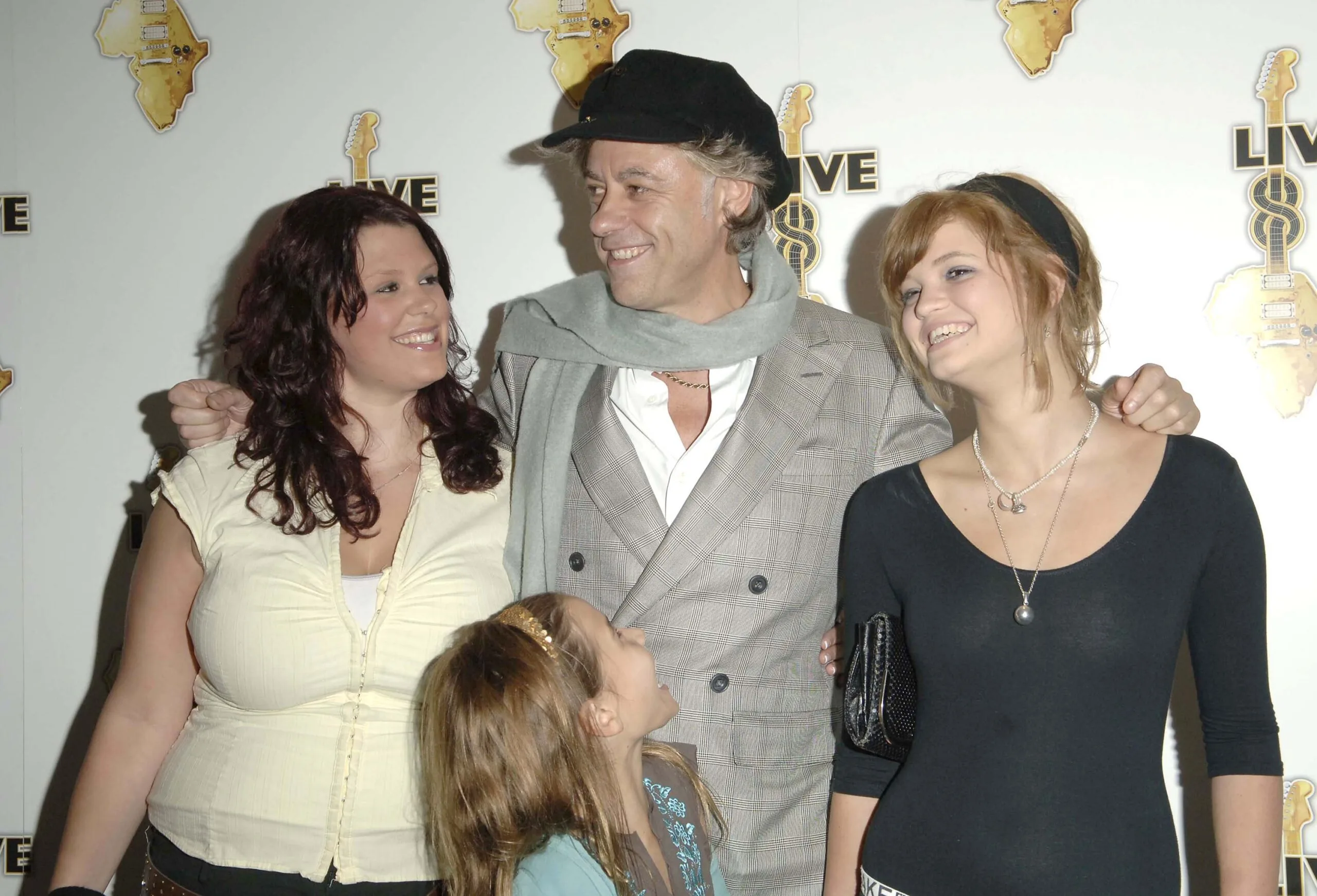
After the deaths of both her biological parents by age four, Tiger Lily was raised in the United Kingdom by Sir Bob Geldof, who legally adopted her to ensure she remained with her half-sisters.
Geldof, an accomplished musician, media entrepreneur, and co-founder of the Planet 24 television production business, held substantial personal wealth. His guardianship provided Tiger Lily with financial stability, high-tier private education, and security, preserving her inherited trusts until she reached legal maturity.
Independent Career and Modern Creative Endeavors
Rather than relying solely on inherited wealth or seeking high-visibility mainstream commercialization, Tiger Lily Hutchence has pursued an artistic career in independent music and visual arts.
- Musical Identity ("Heavenly"): Performing under the stage name Heavenly, she released her debut solo project, Tragic Lunar Response, in 2020. The project was distributed independently via Bandcamp and specialized cassette labels, prioritizing artistic experimentation over major-label commercial deals.
- Collaborations in Australia: After moving to Western Australia, she immersed herself in the vibrant Fremantle and Perth indie music scenes, collaborating with local musicians including members of bands like Pond and Tame Impala.
- Alternative Income Streams: Beyond music sales, she earns income through independent visual arts, low-budget film scoring, and niche design projects.
Financial Trajectory Summary ------------------------------------------------------------------------------- 1997–2000 : Biological parents pass; estate enters complex offshore trust disputes. 2000–2017 : Adopted by Bob Geldof; trust funds held under legal stewardship. 2017 : Reaches age 21; receives initial estate settlement and royalty access. 2020–2026 : Establishes independent music career in WA; sustained by INXS catalog yields. -------------------------------------------------------------------------------
Comparative Estate Analysis: Expected vs. Realized Net Worth
Public perception of celebrity inheritances often diverges sharply from financial reality. The table below illustrates the historical trajectory of the Michael Hutchence legacy and its final impact on Tiger Lily’s financial profile.
| Category | Initial Estimates (1997–2000) | Actual Realized Status (2026 Context) | Analytical Context |
|---|---|---|---|
| Gross Estate Valuation | $10M - $20M AUD | Undisclosed reduced lump sum | Reductions caused by legal fees, tax obligations, and third-party corporate trust ownership. |
| Physical Assets (Property/Cars) | Multiple luxury properties globally | Minimal direct transfer | Most offshore properties were held under complex company names, limiting direct inheritance. |
| Catalog Publishing Rights | High ongoing growth potential | Core income engine | Rights to songwriting catalog remain the single most reliable wealth-generating asset. |
| Personal Financial Philosophy | Expected high-society lifestyle | Low-overhead indie artist | Resides in Fremantle, WA, maintaining modest living expenses matched to passive earnings. |
Lifestyle, Property, and Financial Management
Tiger Lily Hutchence has deliberately avoided the high-consumption lifestyle associated with traditional media royalty. Her financial decisions reflect an emphasis on capital preservation and privacy:
- Fremantle Residence: Rather than acquiring high-value real estate in London, Sydney, or Los Angeles, she chose to settle in Fremantle, Western Australia. Local real estate valuations in this artistic hub allow for high quality of life without excessive property tax or debt leverage.
- Asset Protection: By maintaining a modest spending baseline, her annual royalty distributions from the INXS back catalog cover living expenses while leaving core capital intact inside private holding accounts.
- Partnership with Nicholas Allbrook: Her long-term relationship and creative partnership with musician Nicholas Allbrook (frontman of Pond) further aligns her lifestyle with the independent Australian music community rather than commercial entertainment circles.
Frequently Asked Questions
How much is Tiger Lily Hutchence worth in 2026?
Tiger Lily Hutchence’s net worth is estimated between $3 million and $4 million USD. Her wealth is backed by recurring INXS music catalog royalties and distributions from family trust allocations.
Did Tiger Lily Hutchence inherit all of Michael Hutchence's money?
No. Much of Michael Hutchence’s estimated wealth was tied up in complex offshore trusts, shell corporations, and legal challenges. While she was named a primary beneficiary in his 1997 will, substantial funds were absorbed by legal expenses and corporate management disputes before she received her payout.
How does Tiger Lily Hutchence earn money today?
Her primary income is passive revenue from songwriting and publishing royalties generated by the INXS music back catalog. Additionally, she earns modest independent income through her solo music project Heavenly, visual art commissions, and local creative collaborations.
Who legally raised Tiger Lily Hutchence after her parents died?
After the deaths of Michael Hutchence in 1997 and Paula Yates in 2000, musician and activist Sir Bob Geldof formally adopted Tiger Lily so she could be raised alongside her half-sisters, Fifi, Peaches, and Pixie Geldof.
Where does Tiger Lily Hutchence live now?
Tiger Lily Hutchence lives in Fremantle, Western Australia, where she actively participates in the local music and creative arts scene.
Image Gallery