The Ultimate Guide to the 2026 Pro Football Mock Draft Simulator
A pro football mock draft simulator is an interactive software tool that allows football enthusiasts, fantasy players, and analysts to simulate the multi-round player selection process of professional football leagues. By managing team...
A pro football mock draft simulator is an interactive software tool that allows football enthusiasts, fantasy players, and analysts to simulate the multi-round player selection process of professional football leagues. By managing team rosters, trading draft picks, and utilizing advanced algorithmic big boards, users can test draft strategies and predict upcoming rookie selections for the 2026 season.
Contents
Navigating the landscape of football roster construction requires precision, foresight, and a deep understanding of player valuations. Whether you are an avid fan tracking college prospects or a fantasy league commissioner preparing for rookie drafts, utilizing an advanced draft engine is essential. This guide explores the mechanics behind these tools, how modern algorithms evaluate prospects, and how you can optimize your simulation strategy for the 2026 draft class.
Understanding the Architecture of Modern Draft Engines
Modern sports simulation software relies on complex data models to replicate real-world front office behavior. Unlike simple randomized list generators, a sophisticated simulator processes thousands of data points, including team positional needs, scheme fits, historical draft trends, and individual player grades compiled from collegiate performance metrics and athletic testing.
When you configure a simulation, the underlying engine evaluates active rosters to identify glaring weaknesses. If a franchise lacks depth at edge rusher or offensive tackle, the algorithm heavily weighs those positions for early-round selections.
- Big Board Integration: Simulators pull prospect rankings from industry consensus boards, weighting player talent against positional scarcity.
- Trade Logic Algorithms: Advanced engines feature dynamic trade offers from computer-controlled general managers, factoring in draft pick value charts similar to those used by real NFL front offices.
- Randomness and Variance: To prevent every simulation from playing out identically, engines incorporate probability factors that simulate unexpected draft-day slides or reaches.
Key Features to Look for in a High-Performance Simulator
Not all draft tools are created equal. The most effective platforms provide robust customization options that mirror the complexities of actual professional football management. When selecting a platform for your 2026 draft preparations, evaluate the software based on specific operational capabilities.
Customization Depth: Comprehensive League Control A top-tier simulator must allow users to edit draft orders, execute multi-team trades, customize player rankings, and override computer picks manually to test specific hypothetical scenarios for your favorite franchise.
To help you compare different approaches to draft simulation, the following breakdown highlights the primary categories of tools available to enthusiasts and analysts.
| Simulator Type | Primary Focus | Customization Level | Best Suited For |
|---|---|---|---|
| Algorithmic Web Simulators | Fast, automated multi-round execution | Moderate to High | Casual fans and quick mock generation |
| Custom Spreadsheet Models | Deep statistical modeling and custom weights | Maximum | Advanced analysts and dynasty fantasy players |
| Franchise Mode Video Games | Immersive visual gameplay and multi-year team building | Low (regarding pure draft logic flexibility) | Interactive gamers seeking career progression |
Step-by-Step Guide to Executing Your First Simulation
Running an effective mock draft requires a disciplined approach. Hitting the auto-draft button immediately without establishing parameters yields unrealistic results. Follow this systematic workflow to ensure an authentic and useful simulation experience.
- Configure League Settings: Select your target team, input the current 2026 draft order, and adjust settings for trade difficulty and speed.
- Import or Customize Your Big Board: Review the default prospect rankings. Adjust player values based on your personal scouting evaluations or specific team needs.
- Establish Positional Priorities: Identify your team's immediate needs versus long-term luxury picks. Decide whether you want to draft strictly by Best Player Available (BPA) or fill positional voids.
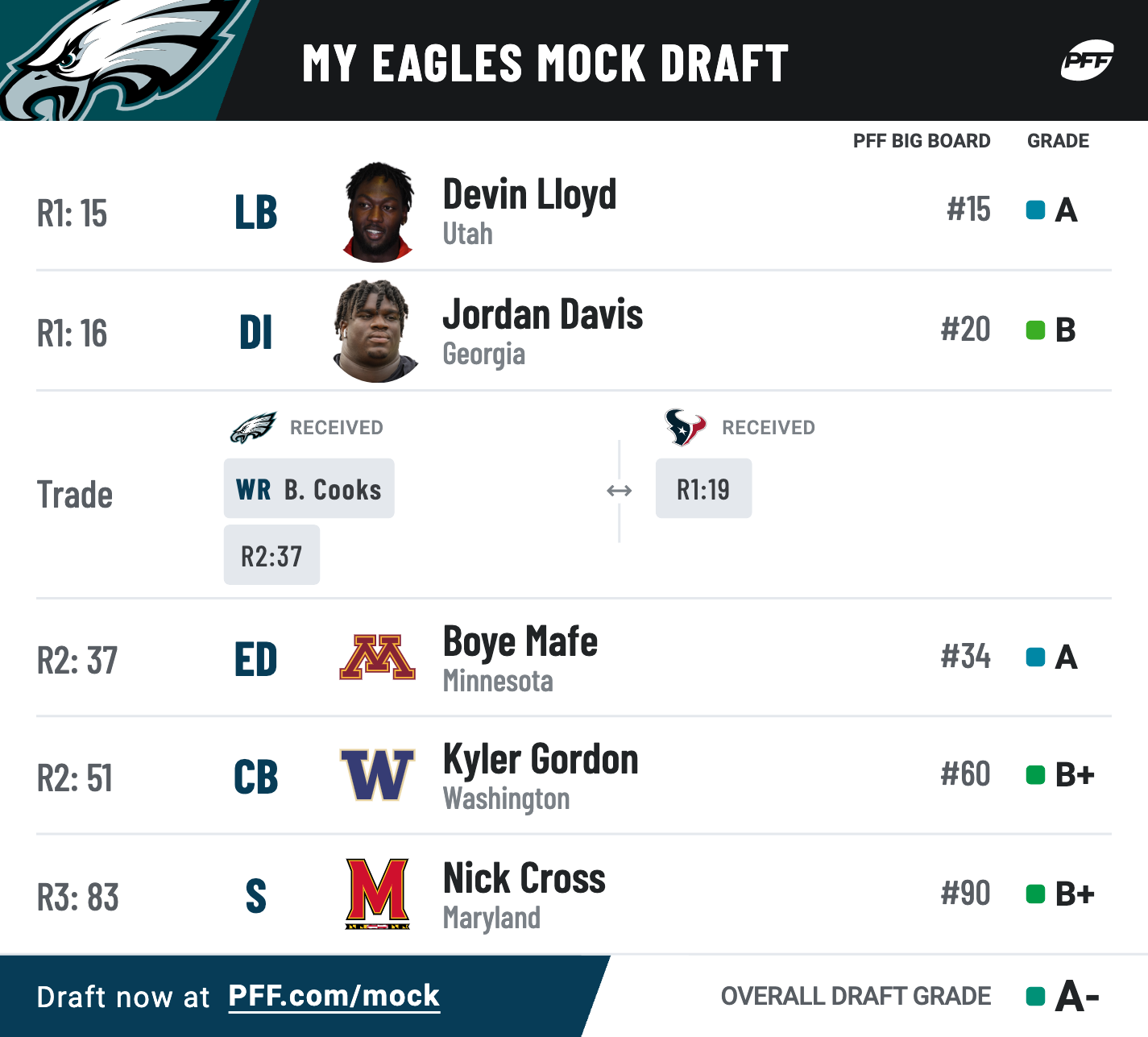
- Execute the First Round: Monitor the board as selections roll in. Look for value picks where high-tier prospects slide past their projected range.
- Manage Trade Offers: Evaluate incoming trade requests from rival teams. Consider moving back to accumulate future capital or moving up to secure a franchise-altering talent.
- Complete Late Rounds and Evaluate: Focus on depth pieces, developmental prospects, and special teams value in the later rounds. Review your final draft grade and roster impact.
Evaluating Draft Success: Metrics and Common Pitfalls
Assessing the outcome of a simulation goes beyond simply looking at the big names selected in the first round. A truly successful draft addresses both immediate starting lineup deficiencies and long-term salary cap health.
Common Mistakes to Avoid
- Ignoring Positional Value: Reaching for low-value positions (such as running back or interior linebacker) in the early first round typically harms overall roster optimization.
- Hoarding Late-Round Picks: Accumulating too many late-round selections can lead to roster congestion, as developmental prospects often fail to make the final 53-man cut.
- Failing to Account for Scheme Fits: Drafting a technically gifted prospect who does not fit your team's offensive or defensive system often results in underperformance.
Frequently Asked Questions
What is a pro football mock draft simulator?
A pro football mock draft simulator is an interactive software application that allows users to act as a general manager, making draft selections and executing trades against a computer-controlled league. These tools help predict player landings and test various draft strategies.
How do simulators determine which player a team will draft?
Simulators use a combination of team need assessments, consensus big board rankings, positional value matrices, and randomized probability factors to replicate realistic front-office decision-making.
Can I customize draft pick trades in a simulator?
Most advanced simulators feature interactive trade logic that allows you to offer picks to other teams, respond to incoming trade proposals, and execute complex multi-team swaps during the draft.
Are mock draft simulators accurate for predicting real-world drafts?
While simulators provide realistic outcomes based on current consensus boards and team needs, real-world drafts are heavily influenced by private workouts, medical evaluations, and last-minute front-office decisions that algorithms cannot fully predict.
Do I need to pay to use a quality draft simulator?
Many of the most popular and feature-rich draft simulators are available for free via web browsers, though some platforms offer premium tiers with advanced customization, deep historical data, and ad-free interfaces.
Optimize Your Draft Strategy Today
Mastering the intricacies of roster building and prospect evaluation transforms how you experience professional football. By leveraging a high-performance pro football mock draft simulator, you gain actionable insights into player valuations and team-building dynamics. Dive into a simulation today, test your boldest trade scenarios, and prepare your franchise for success.
Image Gallery