Frazer's Funeral Home: Services, Costs, and Arrangement Guide
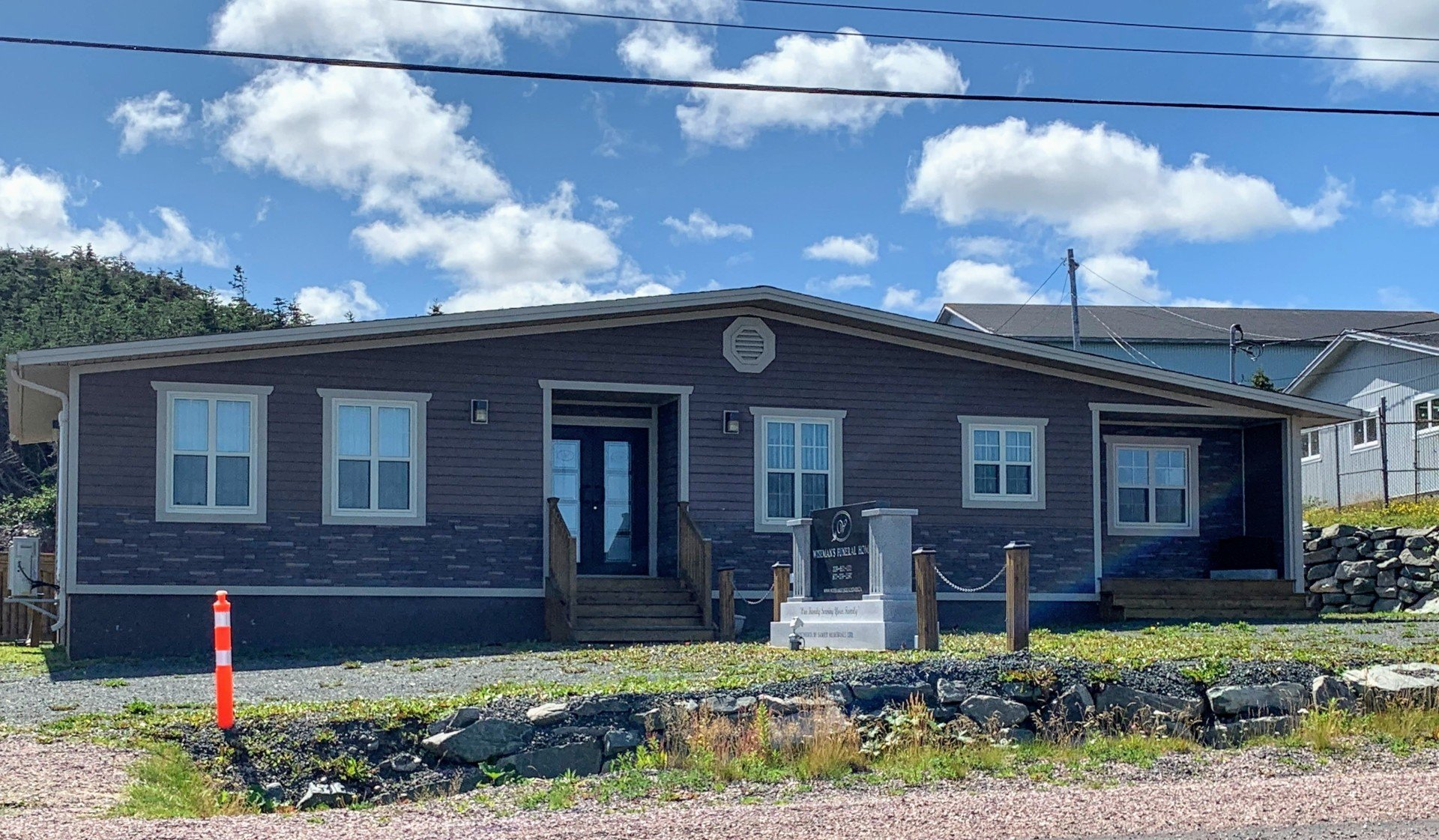
Frazer's Funeral Home in Warren, Arkansas, provides comprehensive deathcare services—including traditional burials, direct cremation, memorial celebrations, and pre-need planning—to Bradley County and surrounding Southeast Arkansas com...
Frazer's Funeral Home in Warren, Arkansas, provides comprehensive deathcare services—including traditional burials, direct cremation, memorial celebrations, and pre-need planning—to Bradley County and surrounding Southeast Arkansas communities. Operating under federal and state consumer standards, the establishment coordinates immediate transfers of care, obituary publications, vital statistics filings, and personalized committal services for families facing bereavement.
Contents
Operational Distinction While this guide focuses primarily on Frazer's Funeral Home located at 305 South Main Street in Warren, Arkansas, families seeking information regarding similarly named regional chapels across the United States should confirm their municipal jurisdiction to verify specific local licensing, cemetery regulations, and regional transit fees.
Core Funeral and Cremation Arrangements at Frazer's Funeral Home
Navigating end-of-life logistics requires an understanding of the primary arrangement categories available to Southeast Arkansas residents. Funeral providers operate under standardized logistical paths designed to accommodate religious customs, personal values, and practical financial parameters.
Traditional Ground Burial Services
A complete traditional funeral arrangement encompasses several sequential phases:
- Initial Intake and Custodial Care: Transfer of the deceased from local health systems—such as the Bradley County Medical Center in Warren or the Drew Memorial Health System in Monticello—into the mortuary facility.
- Embalming and Preparation: Professional sanitary washing, chemical arterial embalming, restorative art, cosmetology, dressing, and casketing.
- Public or Private Visitation: A scheduled viewing period held in the funeral home chapel or a family church before the formal ceremony.
- Chapel or Church Liturgy: The guided funeral service conducted by clergy, celebrants, or family members.
- Graveside Committal and Procession: Motor escort to regional resting grounds, including Oakland Cemetery in Warren, Union Cemetery, or rural church plots throughout Bradley, Cleveland, and Drew counties.
Cremation Service Options
Families opting against ground burial can choose from distinct cremation pathways tailored to their memorial preferences:
- Direct Cremation: The simplest disposition method, involving transport, required administrative authorizations, housing in refrigeration, placement in an alternative container, and individual reduction in an authorized retort without public viewing or preliminary embalming.
- Cremation with Memorial Gathering: A direct cremation followed by a scheduled service where the cremated remains (contained within an urn) are present for family and friends.
- Full Traditional Service Preceding Cremation: A complete visitation and ceremonial service utilizing a rental or ceremonial casket, after which the physical cremation occurs rather than cemetery entombment.
Military Veteran Memorial Honors
For honorably discharged military veterans residing in Bradley County, funeral establishments coordinate directly with the Department of Veterans Affairs and regional military branches. These provisions include:
- Application for a standard government-furnished headstone, marker, or medallion.
- Presentation of a United States burial flag to next of kin during graveside ceremonies.
- Coordination of military branch honor guards for the playing of "Taps" and ceremonial flag folding.
- Interment options at federal or state veteran cemeteries, such as the Arkansas State Veterans Cemetery.
Consumer Rights and Funeral Regulations in Arkansas
Understanding the legal landscape of funeral purchases prevents unauthorized charges and protects surviving family members from emotional overspending during vulnerable moments.
Compliance with the FTC Funeral Rule
Under the Federal Trade Commission (FTC) Funeral Rule, all funeral providers must maintain clear consumer disclosures. Key provisions include:
- The General Price List (GPL): A completely itemized, written schedule of all individual goods and services that must be presented immediately whenever in-person discussions about pricing, selections, or logistics begin.
- Itemized Purchasing Independence: Consumers have the federal right to purchase only the individual goods and services they desire. Funeral homes cannot mandate unbundled package requirements that force clients to purchase unwanted services, except for mandatory basic service fees.
- Freedom of Merchandise Sourcing: Families may purchase caskets, urns, or outside burial containers from any third-party retailer without incurring handling fees, surcharges, or processing penalties from the funeral establishment.
Arkansas Embalming and Public Health Laws
Misconceptions regarding embalming often generate unnecessary expenses. In the State of Arkansas, administered under the regulatory oversight of the Arkansas Department of Health and the Arkansas State Board of Embalmers and Funeral Directors:
- Embalming is not legally required for all deceased persons by state law.
- Embalming becomes legally necessary only under specific scenarios, such as when disposition does not take place within a prescribed statutory timeframe and acceptable refrigeration is unavailable, or if the human remains are transported across state boundaries via common carrier.
- Public visitations with an open casket typically mandate embalming or mechanical refrigeration due to municipal public health and facility sanitation standards.
Step-by-Step Guide: Protocol Following a Death in Bradley County
When an unexpected or hospice death occurs in Southeast Arkansas, navigating the initial 72 hours requires systematic execution of administrative, medical, and practical steps.
Step 1: Procuring the Pronouncement of Death
Before any funeral home can take legal custody of human remains, an official pronouncement of death must occur:
- Anticipated Home or Hospice Death: If the individual was under active palliative care, notify the attending hospice nurse immediately. The nurse will visit the residence, complete the pronouncement protocol, and contact the chosen funeral director.
- In-Hospital Death: If the individual passes away at Bradley County Medical Center or another medical facility, staff physicians manage official documentation and alert the mortuary team once release paperwork is processed.
- Unattended, Sudden, or Accidental Passing: Dial 911 immediately. Emergency medical technicians and the Bradley County Sheriff's Department or local municipal police will secure the scene and dispatch the Bradley County Coroner. The coroner performs preliminary inquiries and issues formal custodial release.
Step 2: The Initial Transfer (First Call)
The designated legal next of kin contacts the funeral establishment to initiate transfer of the deceased. During this conversation, the funeral staff collects preliminary data:
- Exact physical location of the deceased.
- Name, contact information, and relationship of the calling party.
- Name of the attending physician or hospice service.
- Immediate confirmation of organ donation status, if applicable.
- Confirmation of authorization to perform physical transport.
Step 3: Preparing for the Family Arrangement Conference
During the formal meeting with the licensed funeral director, the family determines final arrangements and submits necessary legal records. To ensure an efficient arrangement conference, families should gather the following documentation in advance:
- Full legal name, Social Security number, and residential address of the deceased.
- Date and place of birth, along with parents' legal names (including mother's maiden name).
- Highest level of completed education and primary civilian occupation/industry.
- Certified military discharge papers (Form DD-214) if veteran benefits apply.
- Pre-need contract paperwork, burial insurance certificates, or assignable life insurance policies.
- Chosen clothing, undergarments, eyewear, and a high-resolution portrait for cosmetic matching and obituary publication.
Step 4: Coordinating Death Certificates and Vital Statistics
The funeral provider files vital statistics data with the Arkansas Department of Health Vital Records. A licensed physician or the county coroner electronically signs the medical cause of death certification.
Securing certified death certificates—typically between five and ten copies—is necessary for closing financial accounts, transferring property titles, vehicle registrations, processing estate filings through the Bradley County Probate Court, and accessing survivor funds from the Social Security Administration.
Funeral Service Packages and Operational Breakdown
The costs associated with end-of-life care fall into three main categories: non-declinable professional services, optional preparation and logistics, and third-party cash advance charges (e.g., permits, cemetery gravedigging, obituaries, and officiant fees).
| Service Configuration | Key Inclusions | Regulatory & Itemized Disclosures | Best Suited For |
|---|---|---|---|
| Traditional Burial Service | Full custodial intake, professional embalming, cosmetic dressing, public visitation, funeral chapel/church service, hearse transfer, and cemetery committal. | Requires casket purchase; cemetery plot, vault, and opening/closing fees billed separately. | Families prioritizing traditional religious structures, full viewings, and family gatherings. |
| Cremation with Memorial Service | Custodial transport, required refrigeration, cremation container, cremation processing, chapel/gathering service, and commemorative urn. | Embalming not required; excludes private graveside committal charges unless cemetery interment is elected. | Families seeking religious or personal gatherings without the expense of a casket or burial vault. |
| Direct Cremation | Immediate transport, basic administrative filing, sheltered refrigeration, non-ceremonial alternative container, and primary retort operation. | Completely excludes public viewing, ceremony coordination, embalming, and cosmetics. | Families wanting minimal overhead, simplified logistics, or the freedom to scatter ashes privately. |
| Immediate Ground Burial | Rapid intake, basic professional services, direct hearse transport to the cemetery, and unceremonious burial. | No public gathering or embalming included; cemetery outer burial container (vault) may still be mandated by cemetery bylaws. | Families preferring natural or simplified ground burial without ceremonial chapel programming. |
Advance Planning and Pre-Need Funding in Arkansas
Pre-planning a funeral eliminates the burden of logistical decision-making from surviving family members during acute grief, while shielding household finances against future inflation.
Pre-Need Legal Framework Under Arkansas state statutes governing pre-need funeral contracts, all pre-funded arrangements must be secured through state-regulated funding mechanisms—either an irrevocable insurance policy or an approved financial trust. Funeral directors cannot retain customer deposits in general operating accounts.
Pre-Need Funeral Insurance vs. Dedicated Funeral Trusts
Consumers organizing future arrangements typically leverage one of two payment systems:
- Pre-Need Life Insurance Policies: Specialized life policies written for the exact value of the chosen funeral package. The policy benefit grows steadily to offset price increases for the selected goods and services over time.
- Irrevocable Funeral Trusts: Dedicated accounts managed by an authorized financial custodian. These funds remain untouchable by outside creditors, probate proceedings, and third-party claims.
Medicaid Spend-Down Compliance
When an aging family member requires skilled long-term nursing care under Arkansas Medicaid, state resource thresholds require assets to drop below strict statutory limits. Setting up an irrevocable pre-need funeral contract allows individuals to shelter liquid assets legally. Because the policy is irrevocable and designated solely for funeral and burial goods, Arkansas Medicaid counts the transaction as an exempt asset transfer, preserving designated resources for final dignity without delaying care eligibility.
Portability and Ownership Adjustments
If a family finalizes a pre-need agreement at a local mortuary in Warren and subsequently relocates, Arkansas law protects the portability of the underlying funding vehicle:
- The family retains ownership of the underlying life insurance policy or trust account.
- The designated death benefit can be reassigned to any licensed funeral home across the United States.
- Guaranteed-price pledges made by the original funeral establishment may not automatically transfer to the receiving firm, which will apply the accumulated cash balance toward its own independent General Price List charges.
Frequently Asked Questions
What should I do first when a death occurs at home in Warren, Arkansas?
Contact the hospice nurse immediately if the person was enrolled in palliative care; otherwise, call 911 to dispatch local emergency responders and the Bradley County Coroner. Once the medical authority issues an official pronouncement and release, contact the funeral home to begin the transfer process.
Following the initial phone call, the funeral team will dispatch a transport team to the residence to receive custody of the deceased. During this time, the primary family representative should locate any pre-planning contracts, identification documents, and medical provider details to prepare for the formal arrangement conference.
Does Arkansas state law require a burial vault or outer burial container?
State law does not mandate an outer burial container, but most municipal, religious, and private cemeteries enforce bylaws that require one to preserve surface ground stability.
These structures—typically fabricated from reinforced concrete, steel, or composite polymers—encase the casket beneath the soil surface. They prevent heavy commercial mowing equipment and ground settlement from collapsing the grave footprint, ensuring uniform landscaping throughout the memorial park.
Can our family purchase a casket online and have it delivered to the funeral home?
Yes, under the federal FTC Funeral Rule, you have the legal right to purchase a casket or urn from any third-party manufacturer and have it delivered directly to the funeral home.
The funeral service provider is legally prohibited from refusing third-party merchandise, cannot demand that a family member be present during package delivery, and cannot assess handling, administrative, or restocking fees for integrating outside merchandise into their funeral program.
How are certified copies of Arkansas death certificates obtained?
Certified death certificates are officially issued by the Arkansas Department of Health Vital Records division, typically ordered through the funeral home during the arrangement conference.
The funeral home gathers vital demographic records from the family, routes the certificate to the attending physician or coroner for medical certification, and files the package with the state registry. Families can also request extra certified copies directly through the Arkansas Department of Health website or via regional county health units.
How does Social Security assist with burial expenses?
The Social Security Administration provides a one-time lump-sum death payment of $255 to a surviving spouse or eligible dependent child who meets specific statutory requirements.
This federal benefit does not pay for funeral costs directly; it is paid to qualified surviving family members upon application. The funeral director usually handles the initial notification of death to the Social Security Administration as part of their standard administrative intake services.
Managing Final Arrangements with Clarity
Preparing for or managing the loss of a relative in Bradley County requires balancing personal remembrance with legal, logistical, and financial requirements. If you are facing an immediate need, contact your chosen funeral director to coordinate prompt transportation and custodial care. For those organizing arrangements in advance, request an itemized General Price List and consult an estate planning advisor to ensure that all pre-funded instruments meet Arkansas state guidelines and long-term care objectives.
Image Gallery