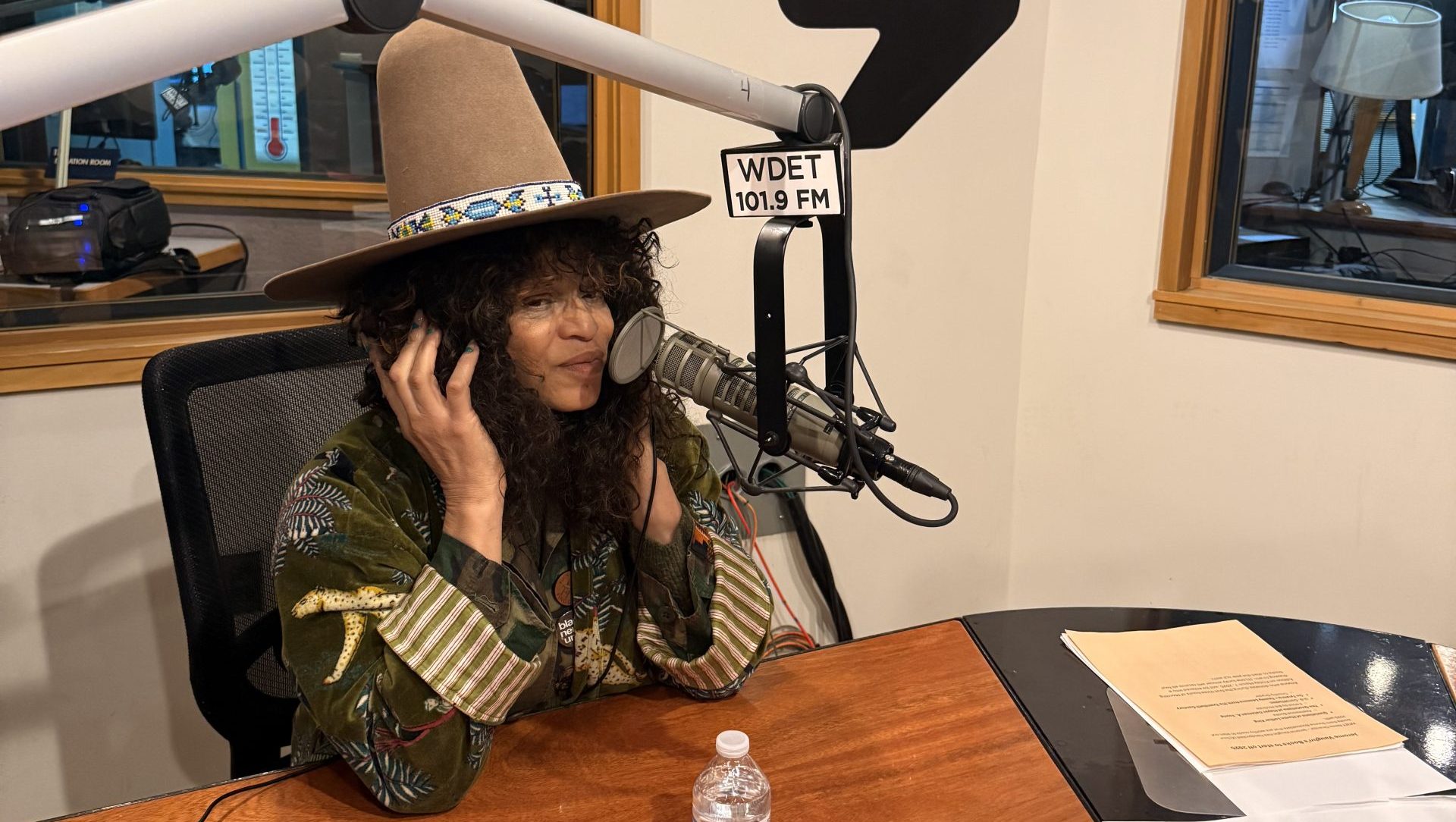
Aaron Sabrina and His Impact on Detroit Travel
Aaron Sabrina’s influence on Detroit travel represents a unique convergence of community advocacy, digital storytelling, and urban tourism development in Southeast Michigan. While mainstream tourism guides often focus exclusively on do...
Aaron Sabrina’s influence on Detroit travel represents a unique convergence of community advocacy, digital storytelling, and urban tourism development in Southeast Michigan. While mainstream tourism guides often focus exclusively on downtown revitalization projects, major sports arenas, and legacy automotive museums, independent figures like Sabrina have helped reshape how travelers experience Detroit’s diverse neighborhoods, local businesses, and cultural corridors. This dynamic has altered the city's tourism footprint, shifting focus from a single-narrative rust belt destination to a multifaceted cultural hub worth exploring block by block.
Contents
Understanding the Landscape of Detroit Travel and Tourism
Detroit has undergone a profound economic and cultural transformation over the past two decades. Historically, travel to the city was heavily commercial or strictly event-driven—visitors arrived for conventions, auto shows, or games at downtown stadiums before returning to suburban accommodations. However, a broader cultural renaissance has sparked interest in authentic urban exploration.
Independent creators, community leaders, and local advocates have played a vital role in dismantling lingering stigmas and safety anxieties associated with the city. By highlighting accessible neighborhood bistros, historic residential architecture, parks, and music venues outside the immediate downtown core, these voices have encouraged tourists to venture further into the urban fabric. Figures operating within digital spaces and grassroots movements have utilized their platforms to provide actionable guides, practical logistical advice, and first-hand perspectives that traditional tourism boards frequently overlook.
The Role of Digital Storytelling in Modern Urban Tourism
The shift in how people travel to and move through Detroit relies heavily on digital media. Modern travelers rarely depend solely on printed guidebooks or generic travel aggregator sites. Instead, they look for authentic peer recommendations, immersive visual documentation, and up-to-date practical insights regarding local establishments.
Bridging the Gap Between Downtown and the Neighborhoods
Traditional marketing campaigns often concentrate heavily on a few high-profile districts like Campus Martius, Midtown, and Corktown. While these areas are central to the visitor economy, they represent only a fraction of Detroit’s geographic and cultural identity. Digital storytellers and local influencers expand the tourist map by focusing attention on outer-ring commercial districts, art installations, and lesser-known historical landmarks.
- Highlighting Small Businesses: Showcasing independent coffee shops, bookstores, and eateries provides direct economic support to neighborhood entrepreneurs.
- Demystifying Logistics: Providing clear directions, parking tips, and public transit navigation reduces friction for out-of-town visitors who might be unfamiliar with the layout of Wayne County.
- Cultural Context: Explaining the historical background of specific neighborhoods deepens visitor appreciation and fosters respectful tourism practices.
Key Impacts on Visitor Behavior and Economic Footprint
The influence of grassroots advocates on Detroit travel manifests in measurable shifts in visitor behavior. Rather than clustering solely around hotel districts, contemporary travelers are increasingly dispersing across a wider geographic area, supporting a decentralized network of hospitality providers.
| Tourism Metric | Traditional Model (Pre-Renaissance) | Modern Influencer & Grassroots Model |
|---|---|---|
| Geographic Spread | Confined primarily to Downtown and Midtown | Expanded to neighborhoods like the Avenue of Fashion, Southwest Detroit, and the Eastside |
| Primary Attraction Drivers | Major corporate events, sports, and business travel | Culinary tourism, music history, street art, and community events |
| Information Source | Corporate brochures, hotel concierges, and legacy media | Independent digital platforms, social media guides, and local creators |
| Length of Stay | Shorter, single-purpose visits | Extended itineraries incorporating multi-neighborhood exploration |
This diversification benefits the local economy by distributing tourist spending more equitably among minority-owned businesses, independent artists, and neighborhood-level service providers who might otherwise miss out on convention-driven revenue.
Navigating Detroit: Practical Guidance for Modern Travelers
For visitors looking to experience Detroit beyond the standard corporate itinerary, adopting a structured approach ensures a safe, efficient, and deeply rewarding trip. Whether you are arriving for a weekend getaway or an extended cultural exploration, understanding the logistical realities of the city is essential.
Transportation and Mobility Considerations
Detroit is geographically vast, covering roughly 139 square miles. Relying entirely on walking is only feasible within specific concentrated districts like Downtown, Corktown, or Midtown.
- Rideshare and Rental Cars: Rideshare services like Uber and Lyft are widely available throughout the city and surrounding suburbs. Renting a car remains the most flexible option for travelers wishing to explore outer-ring commercial strips and cultural landmarks.
- Public Transit: The QLine streetcar operates along a 3.3-mile stretch of Woodward Avenue, connecting Midtown to Downtown. Regional bus services managed by DDOT (Detroit Department of Transportation) and SMART cover broader routes, though planning schedules in advance is recommended.
- Navigational Awareness: Utilizing offline map downloads and staying oriented via major arterial thoroughfares (such as Woodward, Michigan, Gratiot, and Jefferson Avenues) simplifies navigation.
Frequently Asked Questions
What makes independent travel guides valuable for visiting Detroit?
Independent guides offer unfiltered, hyper-local insights into Detroit's neighborhoods, highlighting authentic cultural experiences, hidden architectural gems, and independent businesses that corporate tourism boards frequently overlook.
How has Detroit’s tourism focus changed over the years?
Detroit has transitioned from a strictly business- and event-centric destination to a leisure tourism hotspot celebrated for its rich music history, culinary scene, design heritage, and resilient neighborhood communities.
Is it necessary to rent a car when visiting Detroit?
While you can navigate Downtown and Midtown using rideshares, walking, and the QLine, renting a car is highly recommended if you want to explore the full breadth of the city's diverse neighborhoods and cultural landmarks.
How do local digital creators support small businesses in Detroit?
Digital creators use their platforms to feature independent restaurants, retail shops, and community venues, driving foot traffic and raising awareness among both tourists and regional residents.
Recommendations for Experiencing Authentic Detroit
To maximize a trip to Detroit while engaging respectfully with the local community, travelers should prioritize immersive, community-supported itineraries. Start by researching independent cultural centers, attending local neighborhood markets, and dining at establishments owned by longtime residents and culinary innovators. By looking past surface-level stereotypes and embracing the city's complex history and vibrant present, travelers contribute to a sustainable, equitable urban tourism economy that honors Detroit's past while supporting its ongoing evolution.
Image Gallery