The Cheyenne Show Cast: A Comprehensive Guide to the Stars and Legacy of a Western Icon
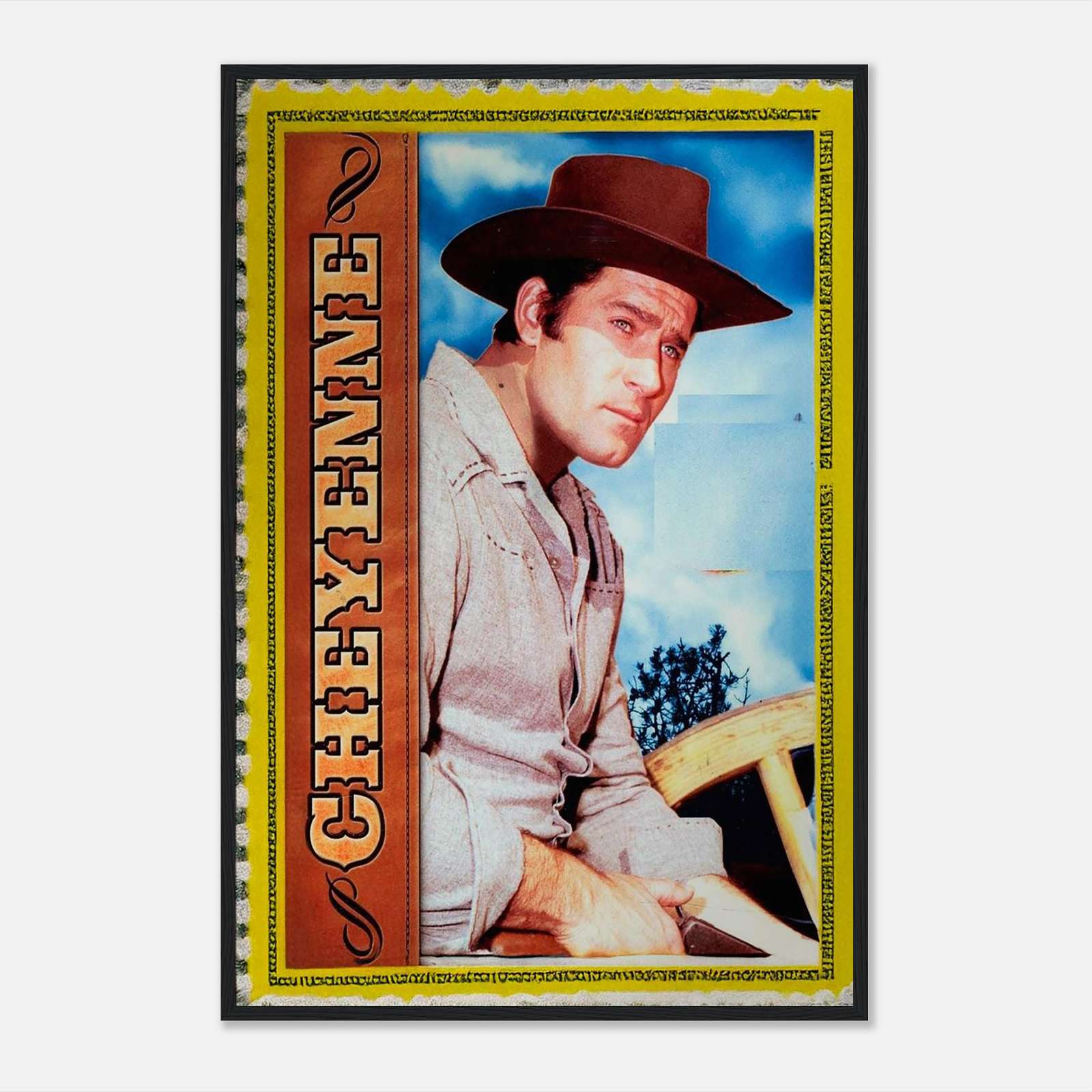
The cast of the Cheyenne show is headlined by the legendary Clint Walker, who portrayed the titular character, Cheyenne Bodie, from 1955 to 1963. This landmark television series was the first hour-long Western and relied heavily on Wal...
The cast of the Cheyenne show is headlined by the legendary Clint Walker, who portrayed the titular character, Cheyenne Bodie, from 1955 to 1963. This landmark television series was the first hour-long Western and relied heavily on Walker's physical presence and moral gravitas, occasionally featuring Ty Hardin during contract disputes.
Contents
As we evaluate the series from the perspective of 2026, Cheyenne remains a cornerstone of the Warner Bros. television legacy. While the show primarily functioned as a vehicle for a single protagonist, its revolving door of guest stars and the brief inclusion of alternate leads created a complex production history that continues to fascinate television historians and classic media enthusiasts alike. To understand the cast is to understand the shift from ensemble radio dramas to the era of the "television superstar."
Clint Walker: The Definitive Cheyenne Bodie
Clint Walker was not just the lead actor; he was the physical manifestation of the show’s success. Standing 6 feet 6 inches tall with a 48-inch chest, Walker brought a unique "gentle giant" archetype to the screen that differed from the more aggressive cowboys of the era. His character, Cheyenne Bodie, was a scout and drifter of mixed heritage, often caught between the encroaching civilization of the post-Civil War West and the indigenous cultures he respected.
Walker’s casting was a pivot point for Warner Bros. Television. Before Cheyenne, television stars were often seen as secondary to film stars. Walker proved that a single charismatic lead could carry an hour-long narrative for eight seasons. His portrayal emphasized quiet strength, a characteristic that became the blueprint for subsequent Western heroes. Despite his popularity, Walker’s tenure was marked by a famous walk-out in 1958 due to a contract dispute regarding royalties and appearance fees, which led to significant changes in the show's casting structure.
The Bronco Layne Era: Ty Hardin and the Cast Transition
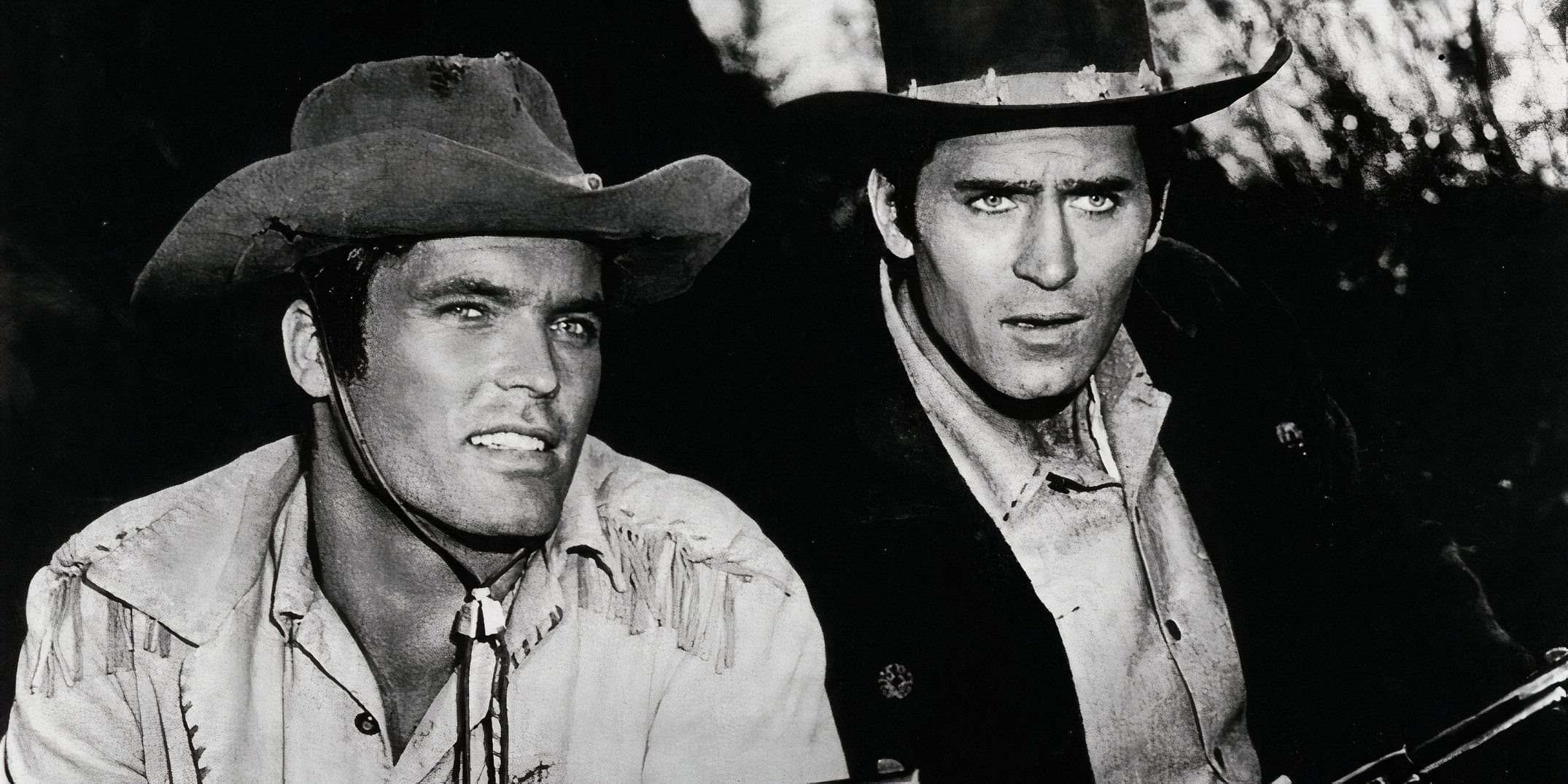
During Clint Walker’s absence in the 1958-1959 season, the production faced a crisis. Rather than cancelling the hit series, Warner Bros. introduced Ty Hardin as Bronco Layne. While Hardin was technically playing a different character, he occupied the same narrative space and even the same time slot under the Cheyenne banner.
This period is critical for viewers researching the "cast" because it represents one of the earliest examples of a "placeholder" lead in television history. When Walker eventually returned, the Bronco Layne character was spun off into his own successful series, Bronco. This era solidified the concept of the "Warner Bros. Western Universe," where actors from Cheyenne, Maverick, and Sugarfoot would frequently cross over, creating a shared cast experience that was decades ahead of its time.
Notable Guest Stars and Recurring Performers
Because Cheyenne followed a nomadic protagonist, it lacked a traditional "permanent" supporting cast. Instead, the show served as a training ground for some of the most famous names in Hollywood. The following actors provided the essential supporting performances that allowed the show to maintain its variety across 108 episodes.
- L.Q. Jones: Appearing as "Smitty" in the early episodes, Jones provided a sidekick dynamic that was later phased out to focus on Bodie’s solitary nature.
- James Garner: Before Maverick made him a household name, Garner appeared in multiple roles within Cheyenne, showcasing the versatility required of the Warner Bros. contract players.
- Adam West: Known later for Batman, West appeared in guest roles that highlighted the show's ability to cast future icons in rugged, dramatic roles.
- Michael Landon: Before Bonanza and Little House on the Prairie, Landon delivered early performances in the series, benefitting from the high-production values Warner Bros. provided.
Comparative Cast and Production Metrics
The following table outlines the primary cast members and the structural breakdown of the series as recognized in 2026 archival studies.
| Actor | Character | Primary Years | Episode Count (Approx.) | Role Significance |
|---|---|---|---|---|
| Clint Walker | Cheyenne Bodie | 1955–1963 | 107 | Central Protagonist |
| Ty Hardin | Bronco Layne | 1958–1959 | 11 (within Cheyenne) | Temporary Lead / Spin-off |
| L.Q. Jones | Smitty | 1955–1956 | 3 | Early Sidekick |
| Various | Guest Antagonists | 1955–1963 | N/A | Essential Narrative Conflict |
Technical Depth: The Warner Bros. Contract System
The casting of Cheyenne cannot be fully understood without discussing the "Contract System" of the 1950s and 60s. Actors like Clint Walker were essentially employees of the studio, often required to work long hours with little control over their roles or compensation. This led to the aforementioned 1958 strike.
From a technical SEO and historical perspective, the "cast" of Cheyenne is often searched alongside other Warner Bros. properties because the studio used the same backlots, costumes, and even scripts across different shows. This "recycled" casting approach meant that a guest actor might play a villain on Cheyenne on Tuesday and a hero on Lawman on Wednesday. For modern viewers in 2026, this creates a sense of a massive, interconnected stock company of actors.
The Evolution of the Western Hero in 2026
In 2026, the legacy of the Cheyenne cast is viewed through the lens of the "Modern Western" revival. Producers today look back at Clint Walker’s performance as a precursor to the "stoic hero" seen in contemporary dramas. The show's ability to tackle social issues—such as prejudice, land rights, and veterans' affairs—through its cast's interactions set a standard for the genre that persists in current high-budget streaming Westerns.
Expert Insight on Cast Longevity
The Walker Effect: Unlike ensemble Westerns like Gunsmoke, Cheyenne succeeded entirely on the shoulders of its lead. This "Single-Lead Hour" format was considered a massive risk in 1955, as industry experts doubted a single actor could sustain audience interest without a regular supporting cast.
Legacy Casting: In 2026, digital restoration projects have highlighted the nuance in Walker’s performance, particularly his ability to convey emotion through physicality rather than dialogue, a trait highly valued in modern cinematic storytelling.
Frequently Asked Questions
Who played the main character in the Cheyenne show?
Clint Walker played the main character, Cheyenne Bodie, for the duration of the series from 1955 to 1963. He was a 6'6" actor whose physical stature became synonymous with the role, though Ty Hardin briefly stepped in as a different character during a contract dispute.
Why did Ty Hardin replace Clint Walker in Cheyenne?
Ty Hardin did not technically replace Walker as "Cheyenne Bodie," but rather starred as "Bronco Layne" in the Cheyenne time slot when Walker walked out over a contract dispute in 1958. This was a tactical move by Warner Bros. to keep the show on the air until Walker's return, at which point Hardin received his own show, Bronco.
How many seasons was the cast of Cheyenne active?
The series ran for eight seasons, totaling 108 episodes. While Clint Walker was the star for nearly the entire run, the supporting cast changed in every episode because the character of Cheyenne Bodie was a drifter who moved from town to town.
Are there any crossovers with other Western shows?
Yes, the cast of Cheyenne frequently participated in the "Warner Bros. Presents" umbrella, leading to crossovers with shows like Sugarfoot and Bronco. This created a shared universe where actors from different series would appear in each other’s storylines.
What happened to Clint Walker after Cheyenne?
Following the show's conclusion, Clint Walker had a successful film career, most notably in The Dirty Dozen (1967). He remained a beloved figure in the Western community until his passing in 2018, and his work continues to be celebrated by fans in 2026.
Practical Guidance for Fans and Historians in 2026
For those looking to explore the Cheyenne cast's work today, the series is widely available in 4K remastered formats. When viewing, pay close attention to the early seasons (1 and 2) to see the transition from a "sidekick" format to the solo-hero format that defined Walker's career. Additionally, the Season 7 episodes are often cited by critics as having the highest dramatic quality, featuring a more mature Bodie and sophisticated guest performances.
If you are a researcher or a fan of the genre, the best way to appreciate the cast is to compare Walker's performance with the more "colorful" leads of Maverick. This contrast illustrates the range of the Warner Bros. Western era and why Cheyenne remains the foundational text for the 60-minute television Western.
Image Gallery