Effective Home Treatment for Plantar Warts: 2026 Clinical Guidelines and Safety Protocols
Treating a plantar wart at home effectively requires using over-the-counter salicylic acid or cryotherapy kits to systematically remove the viral lesion. Success depends on consistent application, proper skin debridement, and maintaini...
Treating a plantar wart at home effectively requires using over-the-counter salicylic acid or cryotherapy kits to systematically remove the viral lesion. Success depends on consistent application, proper skin debridement, and maintaining a sterile environment to prevent the Human Papillomavirus (HPV) from spreading. Most home treatments require 4 to 12 weeks for total resolution.
Contents
Understanding the Pathology of Verruca Plantaris in 2026
Plantar warts, medically known as verruca plantaris, are benign epithelial tumors caused by the Human Papillomavirus (HPV), specifically strains 1, 2, 4, 60, or 63. Unlike common warts found on the hands, plantar warts occur on the soles of the feet. Because of the pressure exerted by walking and standing, these warts are often pushed inward, growing beneath a thick layer of callus (hyperkeratosis).
As of 2026, clinical understanding emphasizes that the virus thrives in warm, moist environments such as locker rooms, public showers, and swimming pool decks. The virus enters the body through tiny cuts or abrasions on the bottom of the feet. While the body’s immune system eventually recognizes the virus and clears it, this process can take months or even years. Home treatments aim to accelerate this timeline by irritating the skin to trigger an immune response or by physically destroying the infected tissue.
Step-by-Step Guide to Salicylic Acid Treatment
Salicylic acid remains the most recommended first-line home treatment for plantar warts due to its high efficacy rate and safety profile. It is a keratolytic medication, meaning it dissolves the protein (keratin) that makes up both the wart and the thick layer of dead skin covering it.
1. Preparation and Softening
Before applying any medication, the wart must be softened. Soak the affected foot in warm water for 10 to 15 minutes. This hydration makes the tough skin more permeable to the acid.
2. Debridement
After soaking, use a disposable emery board or a dedicated pumice stone to gently file away the surface layer of dead skin.
Important Hygiene Protocol Never use the same filing tool on healthy skin or other parts of the body. HPV is highly contagious, and cross-contamination can lead to the development of new warts. Dispose of emery boards frequently or sterilize pumice stones in boiling water after each use.
3. Application of the Agent
Apply the salicylic acid (available in 17% liquid/gel or 40% medicated pads) directly to the wart. Avoid contact with the surrounding healthy skin, as the acid can cause chemical burns and irritation to non-infected tissue. You can protect the surrounding skin by applying a thin layer of petroleum jelly around the perimeter of the wart.
4. Occlusion
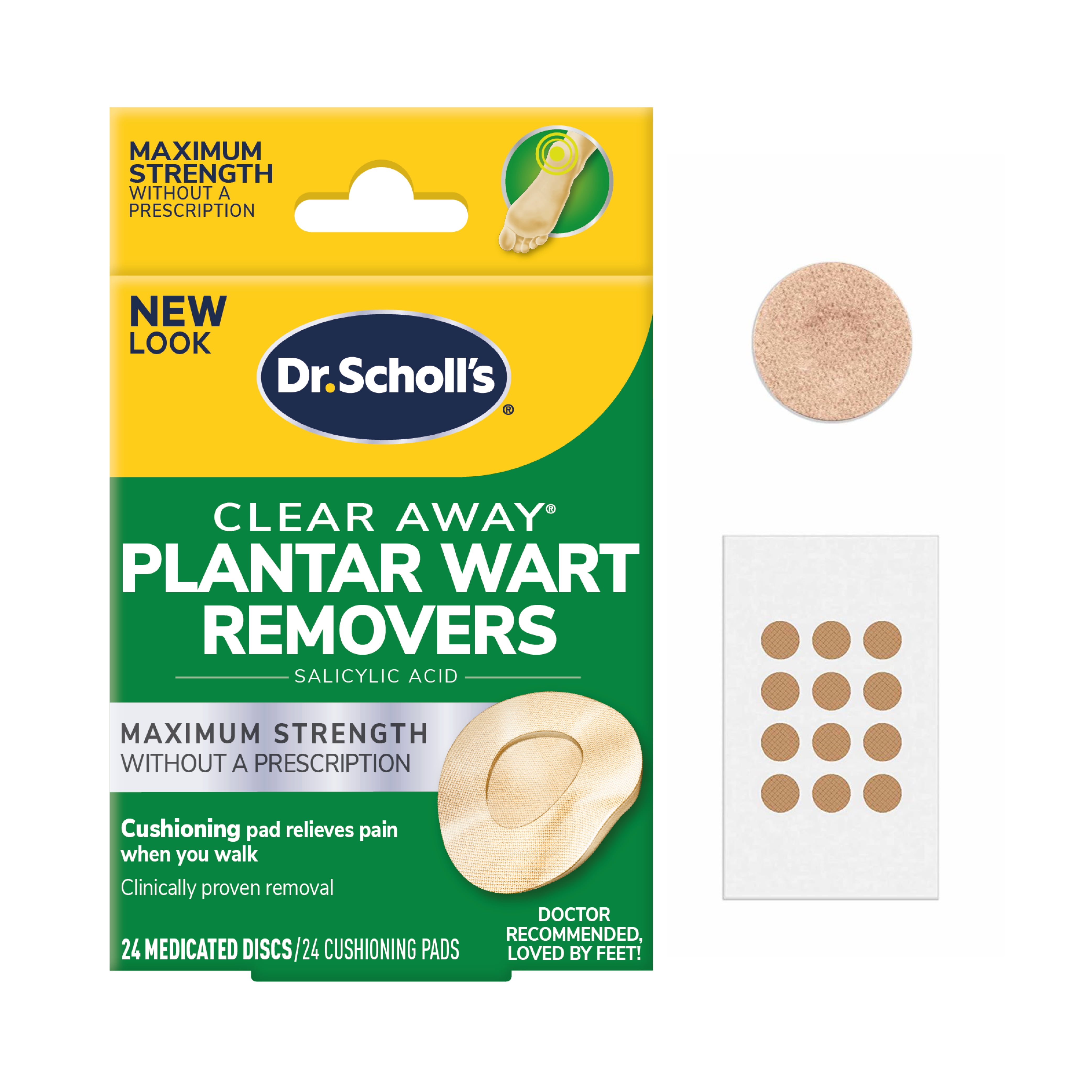
Cover the treated area with a bandage or specialized wart plaster. In 2026, many manufacturers offer hydrocolloid dressings infused with salicylic acid, which maintain the necessary moisture level to enhance the keratolytic effect while providing cushioning for more comfortable walking.
The Role of Over-the-Counter Cryotherapy
OTC cryotherapy kits utilize a mixture of dimethyl ether and propane (DMEP) to freeze the wart tissue. While professional liquid nitrogen used by podiatrists reaches temperatures of -196°C, home kits typically reach about -55°C.
- Mechanism of Action: The extreme cold creates an intracellular ice crystal formation that ruptures the cells infected with HPV. This local tissue destruction signals the immune system to attack the area.
- Application Method: Most 2026 kits feature precision-tip applicators. The foam tip is saturated with the refrigerant and pressed firmly against the wart for 10 to 40 seconds, depending on the size and location of the lesion.
- Recovery: A small blister may form under the wart within a few days. As the blister heals, the wart tissue should slough off. Often, multiple treatments spaced two weeks apart are necessary.
Comparison of Common Home Treatment Modalities
The following table compares the most prevalent home treatment options available in 2026 based on clinical efficacy, cost, and typical duration of treatment.
| Treatment Method | Active Mechanism | Typical Efficacy Rate | Duration to Resolution | Average Cost (USD) |
|---|---|---|---|---|
| Salicylic Acid (17-40%) | Keratolytic Peeling | 70% - 80% | 8 - 12 Weeks | $15 - $25 |
| OTC Cryotherapy | Thermal Tissue Necrosis | 50% - 60% | 4 - 8 Weeks | $30 - $50 |
| Duct Tape Occlusion | Irritation / Suffocation | 50% - 70% | 6 - 10 Weeks | $5 - $10 |
| Apple Cider Vinegar | Mild Acidity | 30% - 40% (Anecdotal) | 10+ Weeks | $5 |
The Duct Tape Occlusion Method (DTOT)
The use of duct tape for wart removal is a widely studied home remedy. While the exact mechanism is debated, it is believed that the tape creates a localized environment of irritation and oxygen deprivation that stimulates the immune system.
- Place a small piece of silver duct tape (which has better adhesive properties than clear tape) over the wart.
- Leave the tape in place for six days. If it falls off, replace it immediately.
- On the evening of the sixth day, remove the tape, soak the foot, and gently debride the wart with a pumice stone.
- Leave the wart uncovered overnight.
- Reapply the tape the next morning and repeat the cycle for up to two months.
Safety Constraints and Medical Contraindications
Not everyone is a candidate for home treatment. Because these treatments involve the destruction of skin tissue, certain populations face significantly higher risks of complications.
Absolute Contraindications for Home Treatment Diabetes Mellitus: Individuals with diabetes often suffer from peripheral neuropathy (loss of sensation) and poor circulation. A small chemical burn or blister from home treatment can quickly escalate into a non-healing ulcer or serious infection without the patient realizing it. Peripheral Vascular Disease: Poor blood flow to the extremities inhibits the healing process. Immune Compromise: Those with HIV/AIDS, patients undergoing chemotherapy, or those on immunosuppressant drugs should seek professional care, as their bodies may not be able to clear the virus even with assistance. Location Specifics: Never use home treatments on warts located on the face, genitals, or mucous membranes. These areas require specialized medical intervention.
Recognizing Secondary Infections
During the course of home treatment, it is vital to monitor the site for signs of bacterial infection. If any of the following symptoms occur, discontinue home treatment and consult a healthcare provider:
- Progressive redness or red streaks extending from the wart site.
- Increased swelling or warmth in the foot.
- Discharge of pus or a foul odor.
- Severe pain that interferes with sleep or mobility.
- Fever or chills.
Troubleshooting Common Treatment Failures
If a plantar wart persists after 12 weeks of consistent home treatment, it may be due to one of several factors. First, the "wart" might actually be a deep-seated corn or a different type of skin lesion, such as a porokeratosis or even a rare amelanotic melanoma. Second, the hyperkeratotic callus layer may be too thick for the medication to penetrate, requiring professional paring by a podiatrist. Finally, some HPV strains are more resistant to conservative treatments and may require advanced clinical options like laser therapy, immunotherapy (Candida antigen injections), or surgical curettage.
Prevention of Recurrence and Spread
Treating the current wart is only half the battle; preventing the spread to other family members or other areas of your own skin is essential for long-term resolution.
- Footwear in Public: Always wear flip-flops or shower shoes in communal environments.
- Daily Hygiene: Wash your feet daily with soap and dry them thoroughly, paying attention to the spaces between the toes.
- Disinfect Surfaces: Clean shower floors and bath mats with a bleach-based cleaner regularly.
- Do Not Pick: Picking at a wart releases viral particles and can lead to "mosaic warts," where a cluster of small warts forms around the original site.
- Sock Management: Change socks daily and wash them in hot water to kill any residual viral particles.
Frequently Asked Questions
Can I use a pair of scissors or a nail clipper to cut out a plantar wart?
No, you should never attempt "bathroom surgery" on a plantar wart. Warts are highly vascular, meaning they contain many small blood vessels. Cutting them often leads to significant bleeding and a high risk of bacterial infection. Furthermore, cutting the surface does not remove the virus living in the deeper layers of the skin, making recurrence almost certain.
How do I know if the plantar wart is finally gone?
A plantar wart is considered resolved when the normal skin lines (fingerprints or footprints) return to the area. If you see a "black dot" or a disruption in the skin's texture, the virus is likely still present. In 2026, some pharmacies offer digital dermatoscope attachments for smartphones that allow you to view the skin structure more clearly to confirm resolution.
Why do some plantar warts have black dots in them?
The black dots are often mistakenly called "seeds." In reality, they are tiny clotted capillaries (thrombosed capillaries) that have been pushed to the surface of the skin by the rapid growth of the wart. Their presence is a definitive sign that the lesion is a viral wart.
Is apple cider vinegar actually effective for warts?
While not an FDA-approved treatment, the acetic acid in apple cider vinegar acts similarly to a very mild version of salicylic acid. It can kill the virus and the infected skin over time, but it is generally less effective and more irritating to the surrounding skin than standardized pharmaceutical preparations.
Can a plantar wart go away on its own without treatment?
Yes, approximately 60% of warts will resolve spontaneously within two years as the immune system eventually identifies and destroys the HPV virus. However, for plantar warts that are painful or spreading, active treatment is generally recommended to improve quality of life and reduce the risk of transmission.
Are there any new vaccines in 2026 that prevent plantar warts?
While the Gardasil vaccine protects against several strains of HPV associated with cervical and genital warts, it does not currently provide immunity against the specific strains (HPV 1, 2, 4) that most commonly cause plantar warts. Research into a polyvalent cutaneous HPV vaccine is ongoing, but as of 2026, behavioral prevention and topical treatments remain the standard of care.
Professional Consultation and Next Steps
If home treatment is not yielding results or if you fall into a high-risk category, schedule an appointment with a podiatrist or dermatologist. Professionals have access to higher concentrations of acids (such as 70% Trichloroacetic Acid), precision cryosurgery, and advanced modalities like Swift Microwave Therapy, which has seen widespread adoption in 2026 for its ability to treat recalcitrant warts by heating the infected tissue to a precise temperature that triggers a systemic immune response.
Image Gallery