George H.W. Bush Was 64 When Elected: Historical Context and Presidential Age Analysis
George H.W. Bush was 64 years old when he was elected as the 41st President of the United States in November 1988. Having served two terms as Vice President under Ronald Reagan, Bush brought decades of diplomatic and executive experien...
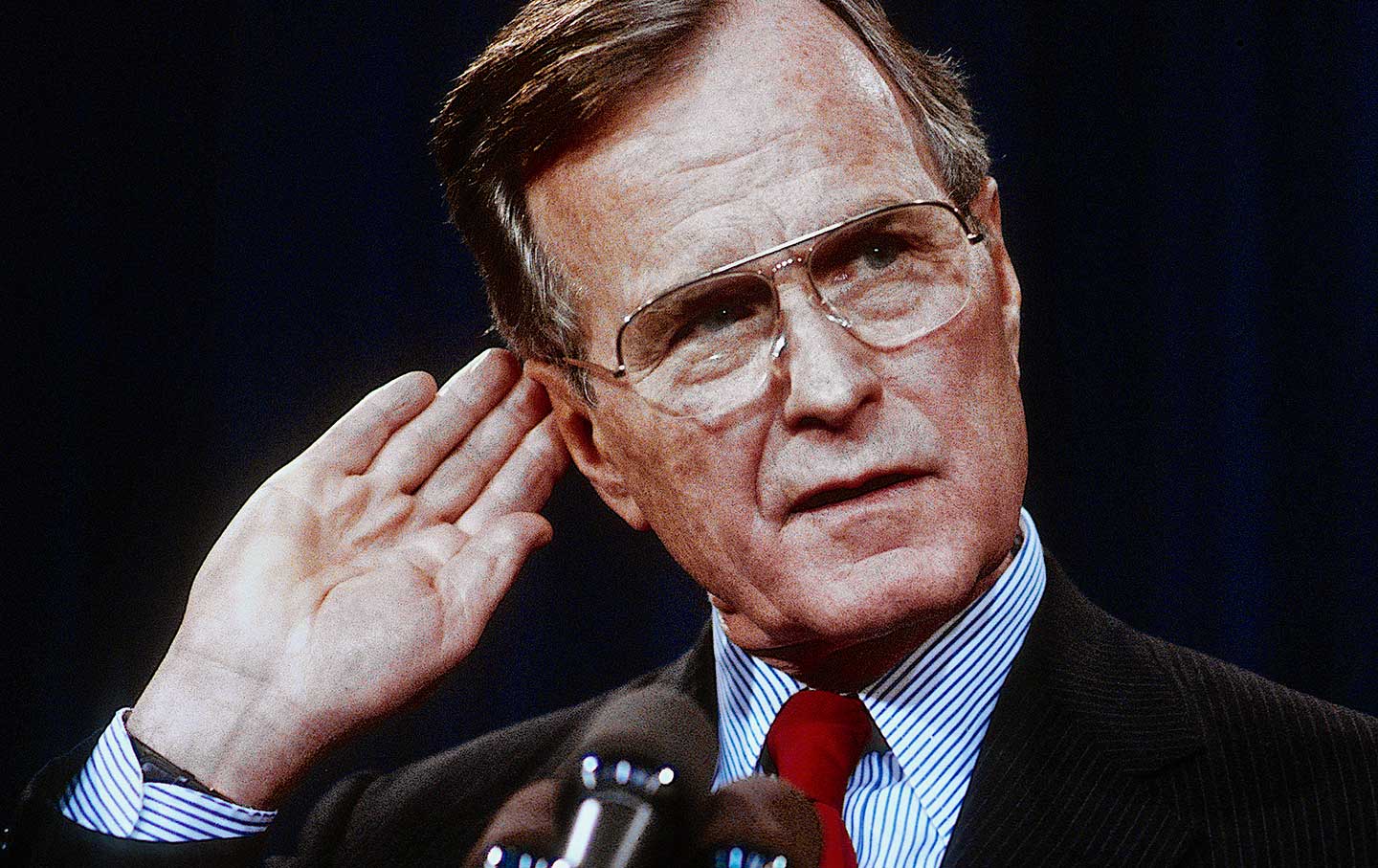
George H.W. Bush was 64 years old when he was elected as the 41st President of the United States in November 1988. Having served two terms as Vice President under Ronald Reagan, Bush brought decades of diplomatic and executive experience to the Oval Office. At the time of his inauguration in January 1989, he was 64 years and 222 days old, making him one of the most senior individuals to assume the presidency during that era.
Contents
The Significance of Age in the 1988 Presidential Election
When George Herbert Walker Bush campaigned for the presidency in 1988, his age was not a primary point of contention, largely because he was succeeding Ronald Reagan, who was 77 when he left office. At 64, Bush was viewed as a seasoned veteran of the Cold War era, possessing a "resume" that many historians still consider one of the most impressive in American political history.
The 1988 election pitted Bush against the Democratic nominee, Michael Dukakis, who was 55 at the time. Despite the nine-year age gap, the narrative focused more on "competence" versus "ideology" rather than physical or mental decline. Bush’s campaign successfully framed him as the steady hand needed to navigate the sunset of the Soviet Union. By the time he reached age 64, Bush had already served as a Navy pilot in World War II, a Congressman from Texas, Ambassador to the United Nations, Chairman of the Republican National Committee, Liaison to China, Director of Central Intelligence, and Vice President.
From the perspective of 2026, the age of 64 for a president-elect appears remarkably "average," if not young, given the subsequent trends in American demographics and leadership. However, in the late 1980s, 64 was firmly within the traditional "retirement age" window, and his election represented a continuation of the trend of selecting experienced, older statesmen for the executive branch.
Presidential Ages at Inauguration: A Comparative Overview
To understand where George H.W. Bush stands in the chronological history of the presidency, it is helpful to compare his age at election with other notable figures. While he was 64 when elected, he was significantly younger than his predecessor but older than several of his successors.
| President | Age at Inauguration | Year Elected | Contextual Age Standing |
|---|---|---|---|
| George H.W. Bush | 64 | 1988 | Above historical average at the time. |
| Ronald Reagan | 69 (First Term) | 1980 | Oldest elected president until 2016. |
| Bill Clinton | 46 | 1992 | Represented a generational shift (Baby Boomers). |
| George W. Bush | 54 | 2000 | Followed the "younger" trend of the 1990s. |
| Donald Trump | 70 | 2016 | Set a new record for oldest first-term president. |
| Joe Biden | 78 | 2020 | Oldest president to take the oath of office. |
| Theodore Roosevelt | 42 | 1901 | Youngest to serve (via succession). |
| John F. Kennedy | 43 | 1960 | Youngest elected president. |
As of 2026, the average age for a U.S. President at the time of inauguration remains approximately 55. George H.W. Bush’s age of 64 places him in the upper quartile of presidential ages, reinforcing the "elder statesman" persona that defined his single term in office.
The "Experience" Factor: Why 64 Was the Right Age for Bush
For George H.W. Bush, being 64 was an asset rather than a liability. In the late 1980s, the world was undergoing seismic geopolitical shifts. The Berlin Wall was nearing its fall, and the Soviet Union was on the brink of collapse. The American electorate was looking for a leader who would not require "on-the-job training."
Bush’s extensive background, cultivated over four decades of public service, allowed him to enter the presidency with an established network of world leaders. His age provided him with the gravitas necessary to manage the end of the Cold War without escalating tensions into a hot conflict. Historians often point to the 1990-1991 Gulf War as a prime example of Bush’s "mature" leadership; he leveraged his decades of diplomatic contacts to build a massive international coalition, a feat that a younger, less-connected leader might have struggled to achieve.
Health and Vitality at 64
Despite being 64, Bush was noted for his physical vitality during the 1988 campaign and his subsequent presidency. An avid jogger, tennis player, and horseshoe pitcher, he maintained an active lifestyle that countered any concerns about his age. This image of vigor was crucial in maintaining the momentum of the Reagan years while promising a "kinder, gentler nation."
The 1988 Campaign and the Road to Victory
The path to the presidency for the 64-year-old Bush was not without obstacles. After losing the 1980 Republican primary to Ronald Reagan, Bush spent eight years in the shadow of one of the most charismatic figures in American history. By 1988, he had to prove he could win on his own merits.
The 1988 campaign is often remembered for its sharp tactical maneuvers. Bush’s campaign team, led by Lee Atwater, focused on his opponent’s perceived weaknesses, such as the furlough of convicted felon Willie Horton and Dukakis’s veto of a law requiring teachers to lead the Pledge of Allegiance. While these tactics were controversial, they served to paint the 64-year-old Bush as the defender of traditional American values and national security.
The result was a landslide victory in the Electoral College. Bush won 426 electoral votes and 40 states, securing 53.4% of the popular vote. This mandate was a reflection of the public's trust in his decades of experience and their desire for stability as the Reagan era concluded.
Presidential Age Trends: From 1988 to 2026
In the decades following the Bush presidency, the United States has seen a fluctuating trend regarding the age of its leaders. The election of Bill Clinton (46) and Barack Obama (47) suggested a preference for younger, more "transformational" figures. However, the 21st century has seen a return to older candidates, with both the 2016 and 2020 elections featuring candidates in their 70s.
Viewed from 2026, George H.W. Bush’s age of 64 appears to be a "sweet spot" in political demographics. It represents a balance between the energy required for the rigors of the office and the wisdom gained from a long career. According to data from the U.S. National Archives, the transition of power in 1989 remains a textbook case of an experienced vice president successfully ascending to the top office through the electoral process.
Life Expectancy and the Modern Presidency
One reason presidential age has become a more prominent topic in 2026 is the increase in life expectancy and advances in geriatric medicine. When George H.W. Bush was 64, the average life expectancy for an American male was approximately 71 years. Bush ultimately lived to be 94, passing away in 2018. His longevity after leaving office at age 68 (in 1993) demonstrated that 64 was hardly the "end" of his productive years.
Common Misconceptions About George H.W. Bush's Age
There are several persistent myths regarding Bush's age and his time in office that warrant clarification:
- Myth: He was the oldest president at the time.
- Fact: Ronald Reagan was significantly older, having been 69 at his first inauguration and 73 at his second.
- Myth: His age led to his defeat in 1992.
- Fact: While Bill Clinton’s youth was a factor, most political scientists attribute Bush's 1992 loss to a struggling economy and the third-party candidacy of Ross Perot, rather than Bush’s age (68) at the time of the 1992 election.
- Myth: He was "out of touch" because of his age.
- Fact: While a famous anecdote about him being "amazed" by a supermarket scanner was used to paint him as out of touch, the Miller Center at the University of Virginia has noted this was largely a media-driven narrative that misrepresented a routine demonstration of new technology.
Frequently Asked Questions
Was George H.W. Bush the oldest person to be elected president?
No. At the time of his election in 1988, he was younger than Ronald Reagan had been in both 1980 and 1984. In subsequent years, Donald Trump and Joe Biden were both older than 64 when they were first elected.
How old was George H.W. Bush when he left office?
George H.W. Bush was 68 years old when he left the White House on January 20, 1993. He had served one four-year term after being defeated by Bill Clinton in the 1992 election.
Did George H.W. Bush have any health issues during his presidency?
While generally healthy and active, Bush was diagnosed with Graves' disease, an immune system disorder that results in the overproduction of thyroid hormones, in 1991. The condition was managed with medication and did not significantly impede his ability to govern.
How does Bush's age compare to the "Founding Fathers"?
The Founding Fathers were generally much younger when they assumed leadership roles. For example, Thomas Jefferson was 33 when he wrote the Declaration of Independence. However, George Washington was 57 when he became the first president, which was considered quite elderly for the late 18th century. At 64, Bush was older than the average of the first five presidents.
Why is the age of 64 significant in American politics?
The age of 64 is often seen as the threshold of senior leadership. In the context of the U.S. presidency, it is an age where a candidate usually has a finished "public career" and is seeking the presidency as a final act of service, whereas younger presidents often use the office as the beginning of their global influence.
Final Perspective: The Legacy of a 64-Year-Old President
George H.W. Bush’s election at age 64 served as a bridge between the ideological fervor of the Reagan years and the post-Cold War era of the 1990s. His age provided the temperament and the historical perspective necessary to manage a world in transition. While he only served one term, his foreign policy achievements—including the reunification of Germany and the liberation of Kuwait—are often cited as evidence that his 64 years of preparation were well-spent.
For those researching presidential history in 2026, George H.W. Bush stands as a reminder that age can be a powerful vessel for experience. His tenure suggests that the effectiveness of a president is measured not by the number of years lived, but by how those years were utilized in the lead-up to the Oval Office.
Image Gallery