Comprehensive Guide to StarKist Tuna Packets: Flavors, Nutrition, and Convenience
StarKist tuna packets are single-serve, tear-open foil pouches containing pre-cooked tuna that requires no draining, canning fluid disposal, or can opener. Available in classic styles, extra virgin olive oil infusions, and pre-seasoned...
StarKist tuna packets are single-serve, tear-open foil pouches containing pre-cooked tuna that requires no draining, canning fluid disposal, or can opener. Available in classic styles, extra virgin olive oil infusions, and pre-seasoned flavor varieties, these shelf-stable pouches deliver lean protein, essential omega-3 fatty acids, and convenient portability for everyday meals, fitness nutrition, and travel.
Contents
What Are StarKist Tuna Packets?
StarKist tuna packets represent a modern evolution in packaged seafood, moving away from traditional rigid metal cans toward multi-layer foil pouches. Engineered using StarKist’s Flavor Fresh Pouch technology, these flexible packages protect fish from light and oxygen degradation while locking in natural moisture without requiring added liquid packing medium.
Unlike conventional canned tuna, which typically sits in water or vegetable oil that must be strained prior to consumption, tuna pouches contain tightly measured portions of tuna vacuum-sealed with minimal liquid. This design eliminates the mess, liquid waste, and need for specialized tools like can openers.
The packets appeal to diverse consumer demographics:
- Busy Professionals: Quick, high-protein office lunches requiring minimal preparation.
- Fitness Enthusiasts: Precise macronutrient tracking with single-serve portion control.
- Outdoor Backpackers & Campers: Lightweight, durable, and packable protein sources that generate minimal waste.
- Emergency Preppers: Non-perishable protein options requiring no water or heating equipment to consume.
Key Product Lines and Flavor Varieties
StarKist produces several lines of tuna packets tailored to different dietary needs, flavor preferences, and culinary applications.
Classic Tuna Packets
The core lineup focuses on unseasoned, traditional wild-caught tuna. These pouches serve as a direct replacement for traditional canned tuna in recipes like tuna salad, pasta dishes, and casseroles.
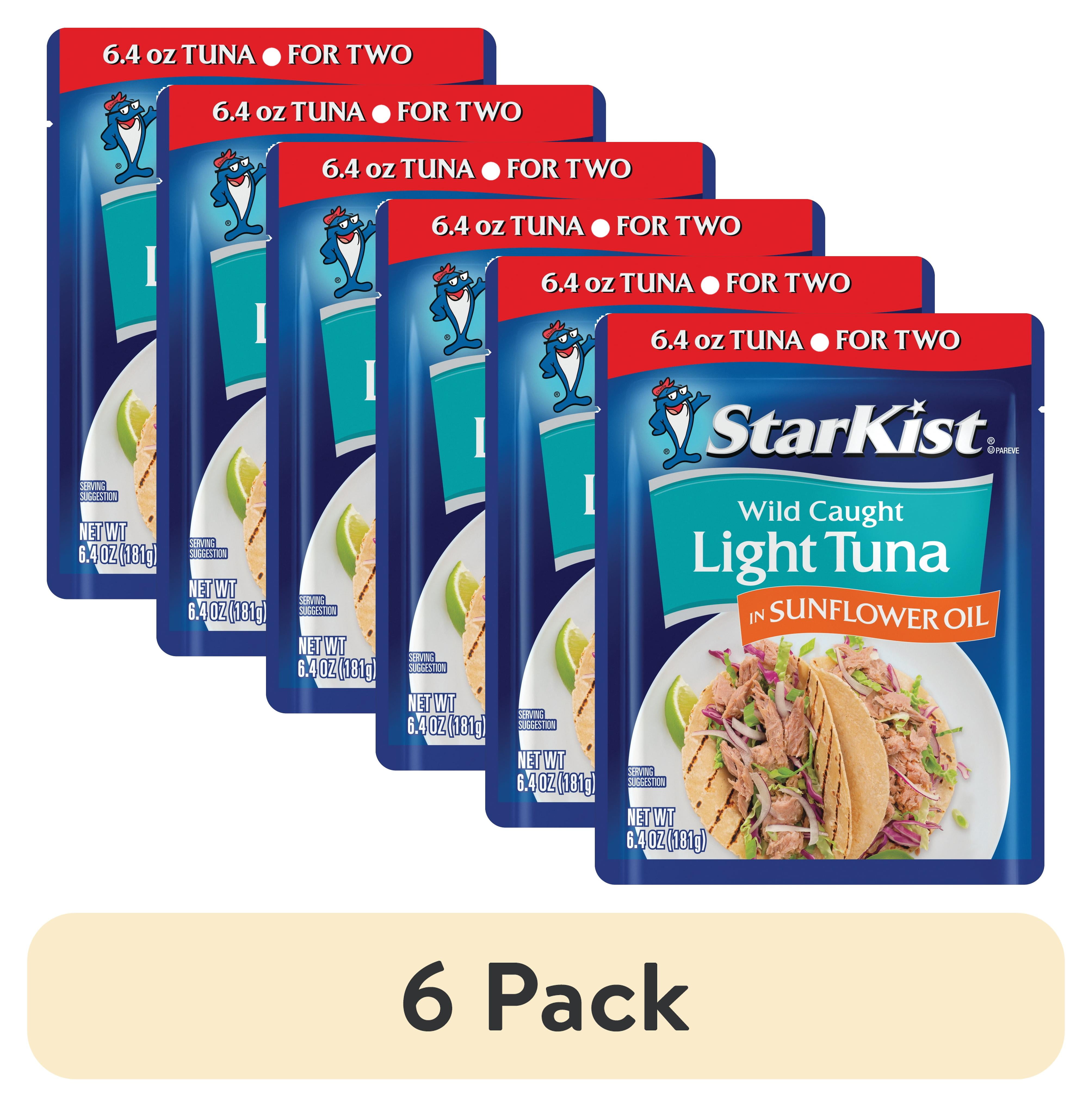
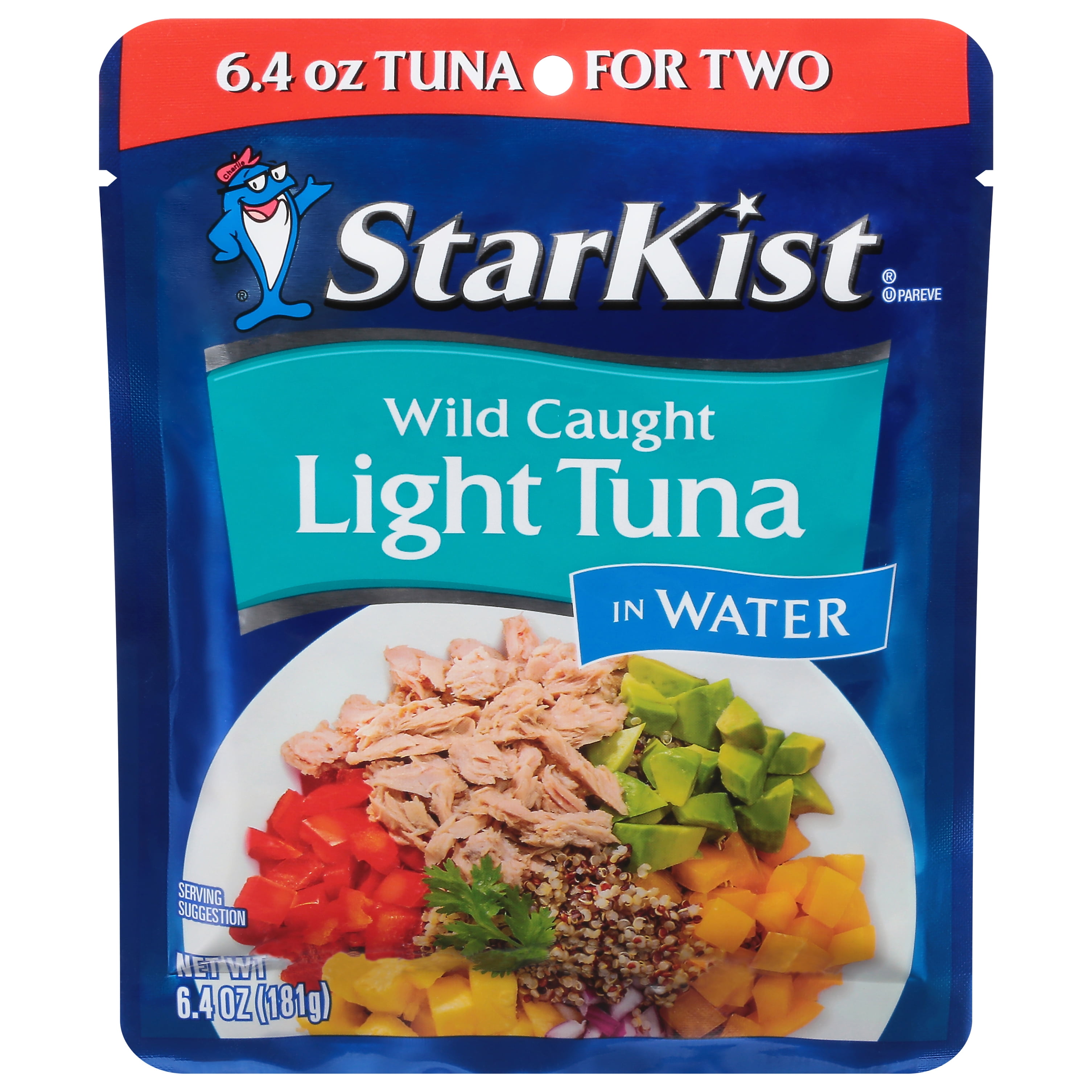
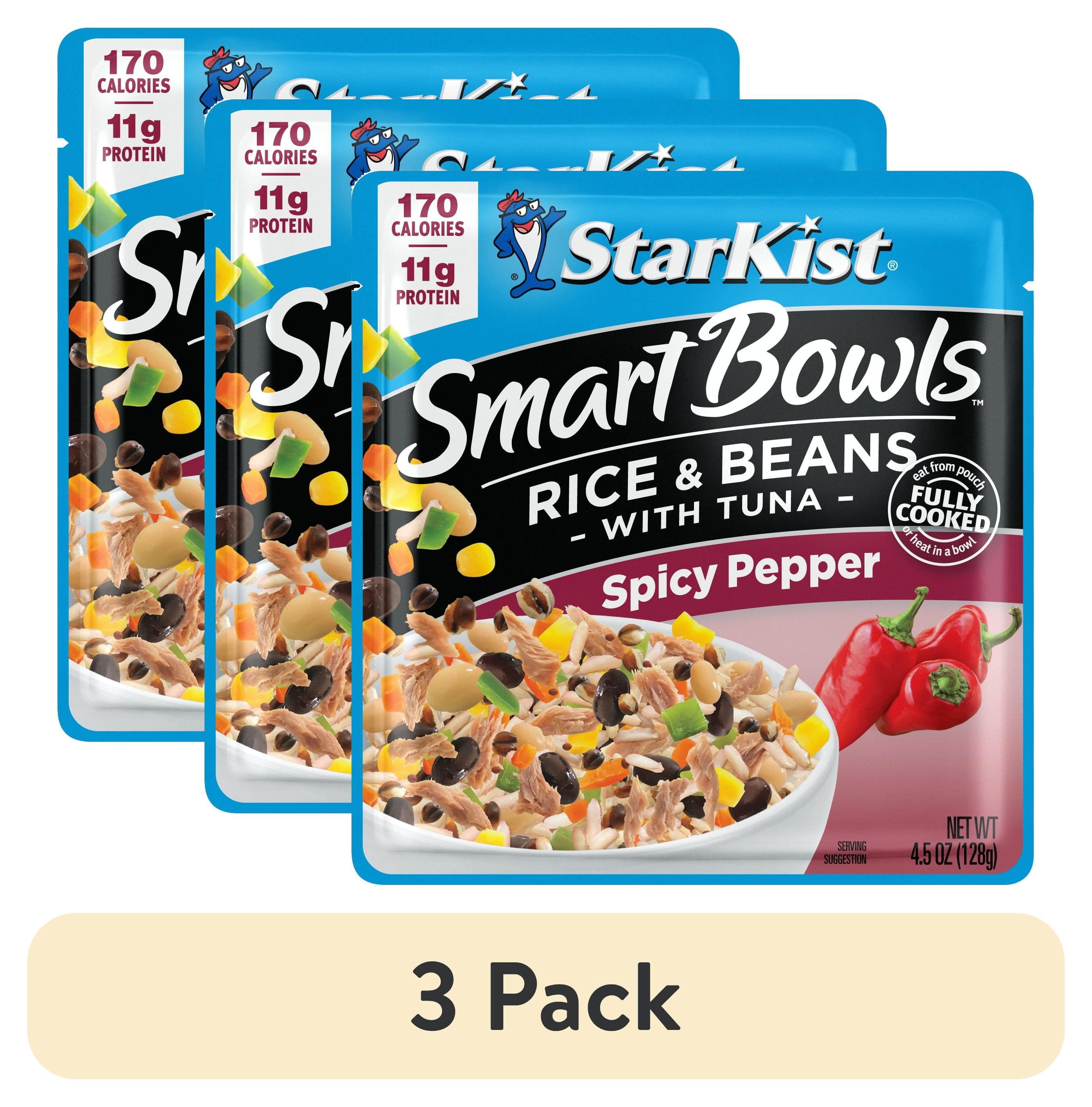
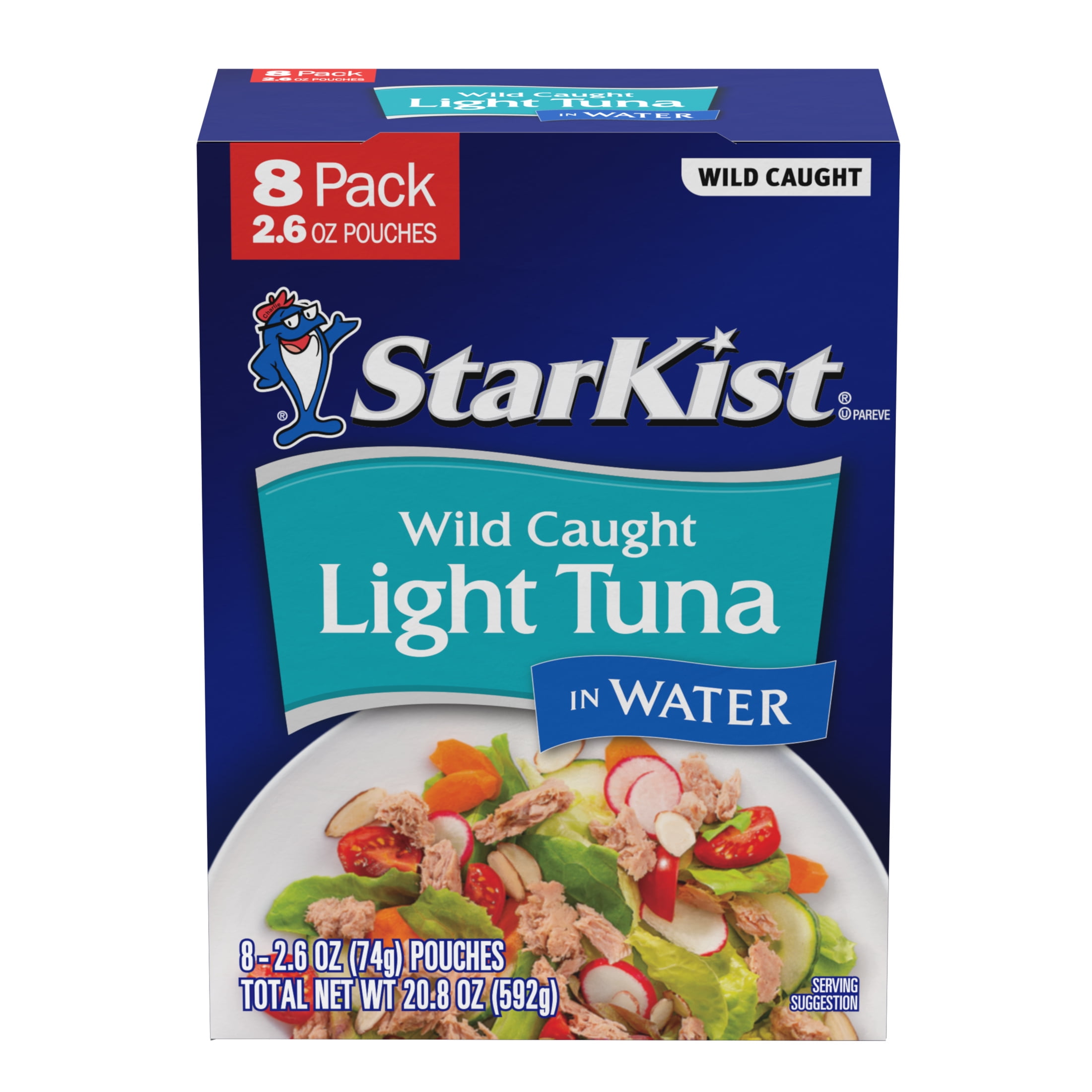
- Chunk Light Tuna in Water: Typically sourced from skipjack or yellowfin tuna. It features a softer texture, lower calorie count (around 70 calories per 2.6-ounce pouch), and lower cost point.
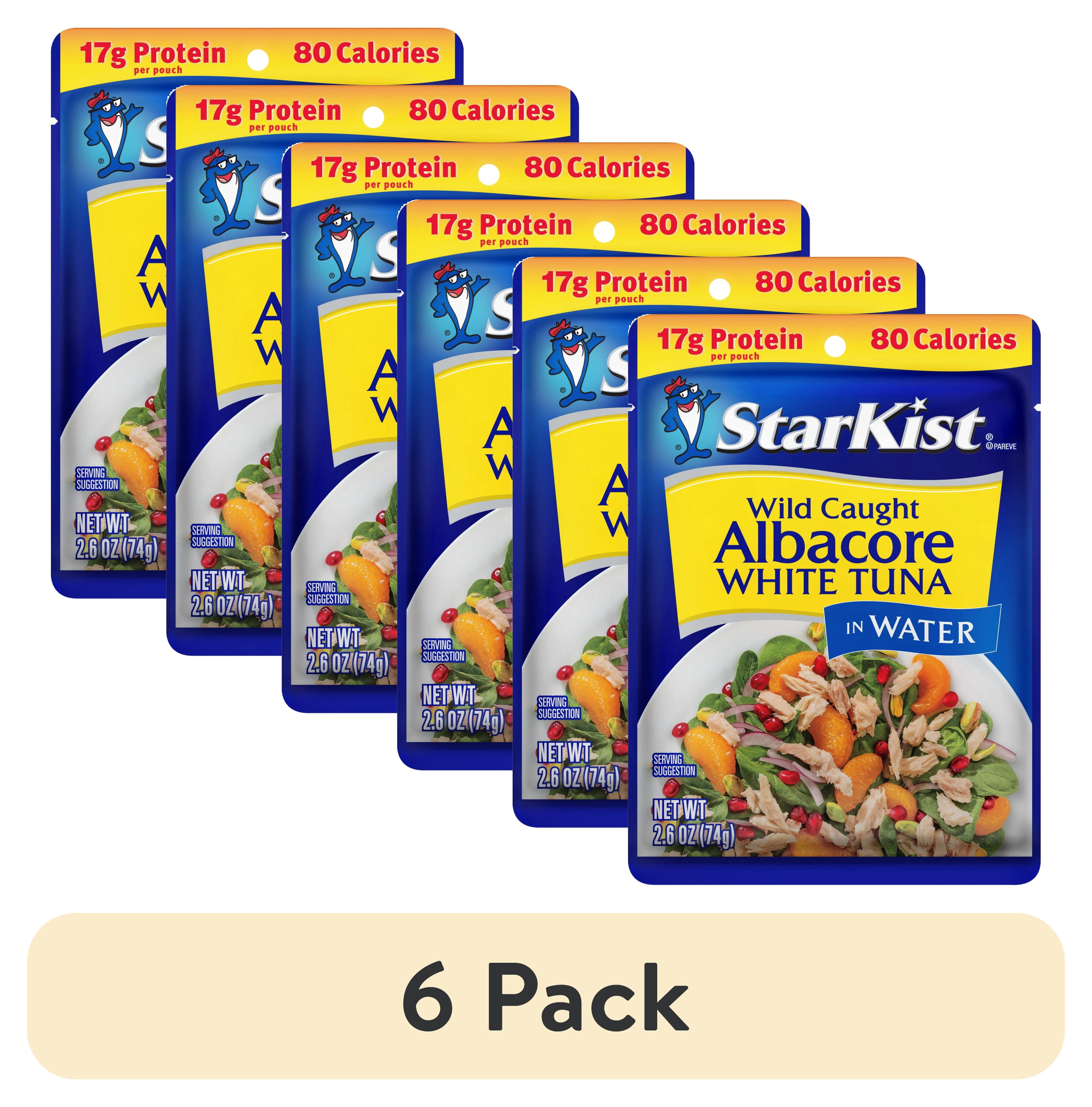
- Solid White Albacore Tuna in Water: Sourced from albacore tuna, offering a firmer texture, lighter color, and milder flavor profile. Albacore contains a higher concentration of omega-3 fatty acids but slightly higher natural fat content than light tuna.
StarKist Tuna Creations®
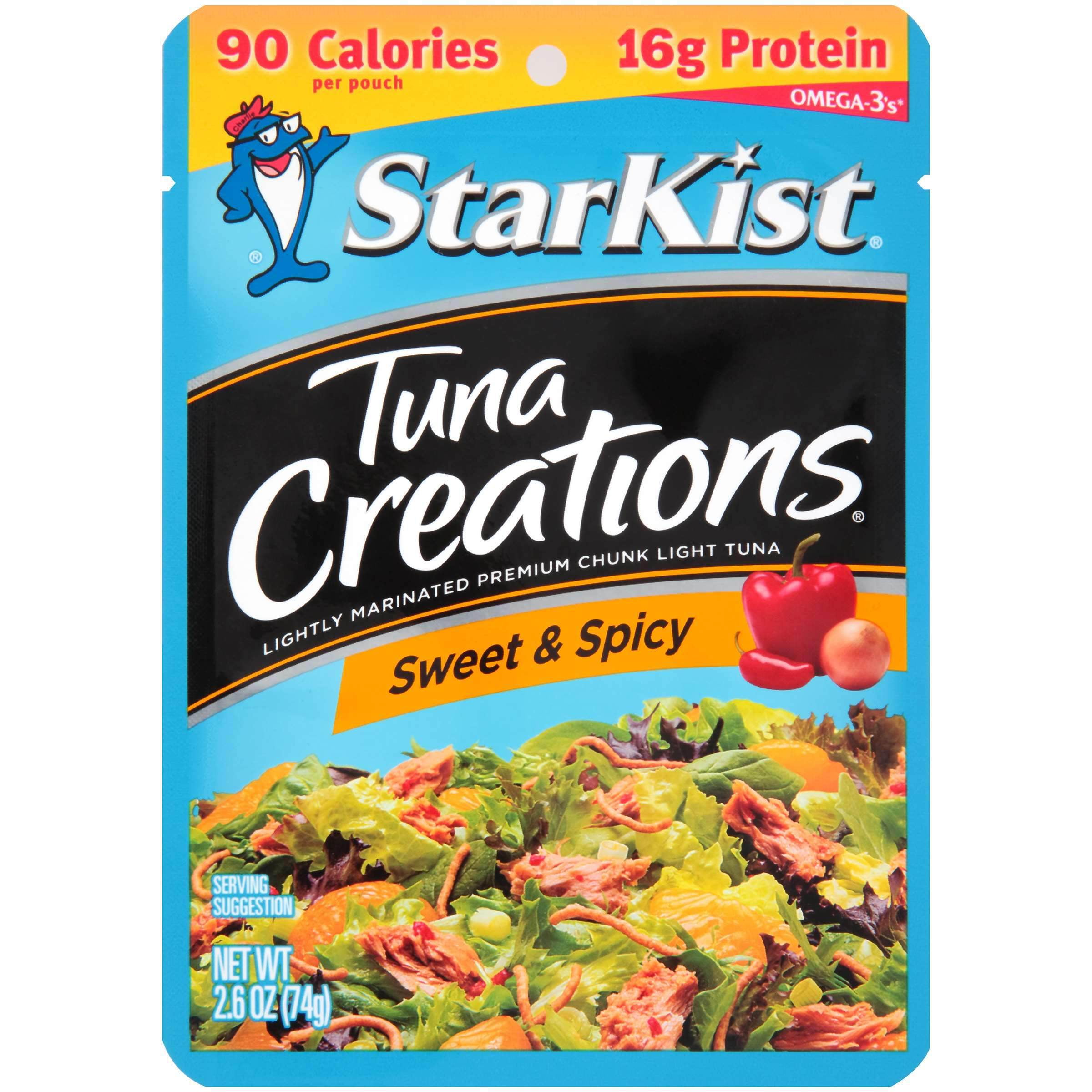
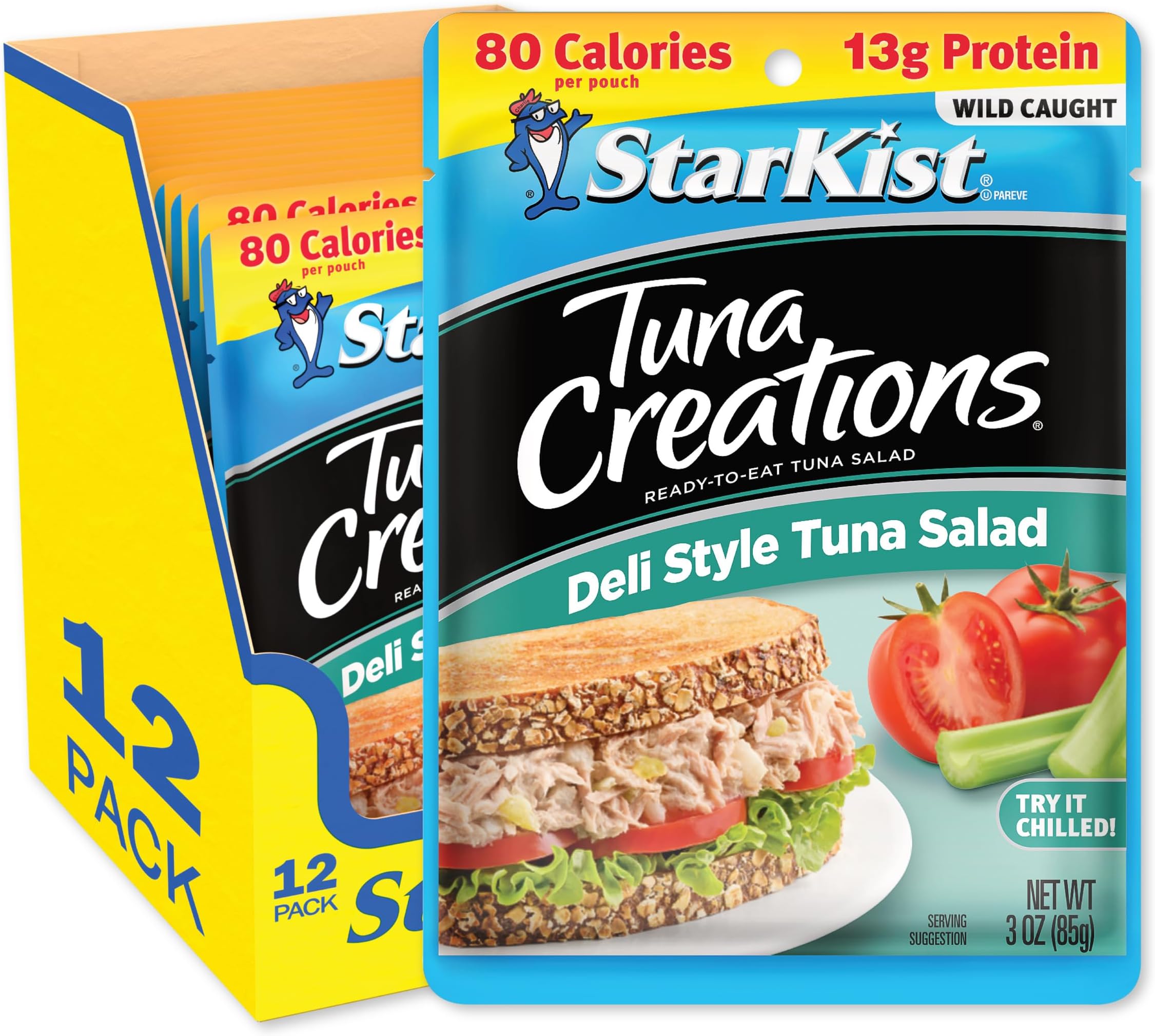
The Tuna Creations line consists of single-serve pouches pre-mixed with seasonings, sauces, and aromatics. These are designed to be eaten directly from the pouch or placed straight onto salads, wraps, or crackers without additional mayo or condiments. Popular flavor profiles include:
- Savory & Herb: Lemon Pepper, Herb & Garlic, and Ranch.
- Spicy & Bold: Sweet & Spicy, Spicy Buffalo, Sriracha, Jalapeño, and Hot Buffalo.
- Global & Zesty: Thai Chili, Honey BBQ, Bacon Ranch, and Mango Chipotle.
StarKist Selects E.V.O.O.®
Targeted at consumers seeking Mediterranean-style fats and heart-healthy oils, the Selects E.V.O.O. line pairs wild-caught tuna with cold-pressed extra virgin olive oil. Available in plain yellowfin, wild albacore, and seasoned varieties (such as Sun-Dried Tomato), these pouches deliver a richer mouthfeel and elevated calorie density from healthy monounsaturated fats.
Nutritional Breakdown and Health Benefits
StarKist tuna packets provide significant nutrition in a small volume, making them a staple for calorie-conscious and nutrient-focused diets alike.
| Product Variety (2.6 oz Pouch) | Calories (approx.) | Protein (g) |
|---|---|---|
| Chunk Light in Water | 70 | 17g |
| Solid White Albacore in Water | 80 | 16g |
| Tuna Creations® Sweet & Spicy | 90 | 15g |
| Tuna Creations® Lemon Pepper | 80 | 14g |
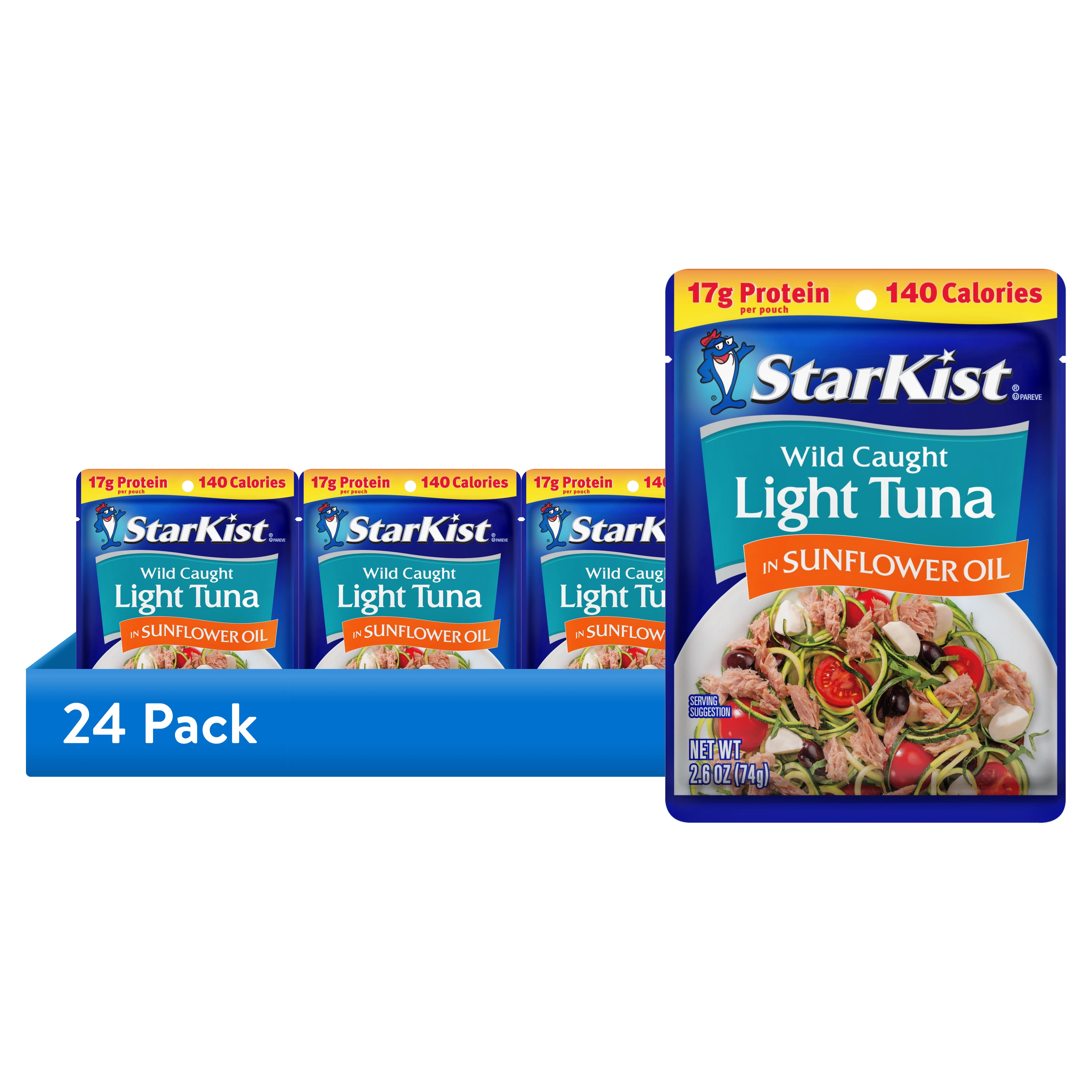
| Selects E.V.O.O.® Yellowfin | 140 | 16g |
Protein Density and Macronutrients
Tuna is one of the most protein-dense whole foods available. A standard 2.6-ounce (74g) StarKist pouch delivers between 14 and 17 grams of complete protein for fewer than 100 calories (for water-packed and non-fat-heavy Creation varieties). The protein in tuna contains all nine essential amino acids necessary for muscle repair, immune function, and tissue maintenance.
Because unflavored water-packed tuna contains virtually zero carbohydrates and negligible fat, it fits seamlessly into low-carbohydrate, ketogenic, Paleo, and calorie-restricted weight-loss protocols.
Omega-3 Fatty Acids and Micronutrients
Wild tuna is a natural source of long-chain omega-3 fatty acids, specifically eicosapentaenoic acid (EPA) and docosahexaenoic acid (DHA). Omega-3s support cardiovascular health, reduce systemic inflammation, and contribute to cognitive function.
Additionally, tuna packets provide essential vitamins and minerals:
- Vitamin D: Supports bone health and immune regulation.
- Vitamin B12: Essential for nerve function and red blood cell production.
- Selenium: A powerful antioxidant mineral that aids thyroid metabolism and protects cells from oxidative damage.
- Niacin (Vitamin B3): Helps convert food into usable cellular energy.
Sodium and Ingredient Considerations
While plain Chunk Light or Albacore in water contains low to moderate sodium levels (typically around 180–230 mg per pouch), seasoned Tuna Creations pouches rely on added salt and seasonings for flavor. Sodium in flavored varieties can range from 300 mg to over 450 mg per pouch, representing 13% to 20% of the daily recommended limit. Individuals managing hypertension or adhering to strict low-sodium diets should monitor ingredient labels closely or stick to unseasoned varieties.
StarKist Tuna Packets vs. Traditional Canned Tuna
Choosing between pouched tuna and traditional cans involves trade-offs in convenience, cost, shelf life, and culinary texture.
| Feature | Pouched Tuna Packets | Traditional Canned Tuna |
|---|---|---|
| Draining Required | No draining needed; ready to eat | Must drain water or oil before use |
| Tools Needed | None (tear-notch opening) | Requires a manual or electric can opener |
| Portability | Lightweight, flat, non-breakable foil | Heavier, bulky metal cylinders |
| Texture | Firmer, larger flakes; less soggy | Can become mushy from submerged liquid |
| Flavoring Options | Extensive pre-seasoned varieties | Primarily plain (in water or oil) |
| Cost Per Ounce | Moderately higher per unit weight | Lower cost per ounce (bulk value) |
| Average Shelf Life | 2 to 3 years | 3 to 5 years |
| Waste Disposal | Flat pouch takes minimal trash space | Bulky metal requires rinsing and recycling |
Food Safety, Mercury Concerns, and Shelf Life
Understanding proper storage and consumption guidelines ensures both food safety and optimal health benefits.
Understanding Mercury Content
Like almost all marine apex predators, tuna contains trace amounts of methylmercury, an environmental contaminant that accumulates in aquatic food chains. The level of mercury varies substantially depending on the tuna species:
- Light Tuna (Skipjack/Yellowfin): Sourced from smaller fish species that live shorter lives. Skipjack contains significantly lower mercury levels. The U.S. Food and Drug Administration (FDA) and the Environmental Protection Agency (EPA) classify light tuna as a "Best Choice" seafood option, advising that adults can safely consume 2 to 3 servings per week.
- White Tuna (Albacore): Albacore are larger fish that accumulate more mercury over their lifespan. The FDA/EPA classify Albacore as a "Good Choice," recommending limiting consumption to 1 serving per week for children and women who are pregnant, nursing, or planning to become pregnant.
For general adults without specific health restrictions, consuming moderate amounts of diverse tuna species as part of a balanced diet poses minimal risk while offering clear nutritional rewards.
Storage, Shelf Life, and Handling
Unopened StarKist tuna packets are shelf-stable and do not require refrigeration. They can be safely stored in a cool, dry pantry, office desk, or backpack until the "Best By" date printed on the back of the pouch (typically 2 to 3 years from the date of manufacture).
- Inspection: Never consume a packet if it appears puffed, swollen, leaking, or punctured, as this indicates a breach in the vacuum seal and potential bacterial growth.
- Post-Opening Storage: Once a pouch is opened, any unused contents must be transferred to an airtight glass or plastic container and refrigerated immediately. Consume refrigerated leftover tuna within 2 days. Do not leave opened tuna at room temperature for longer than 2 hours (or 1 hour in ambient temperatures above 90°F / 32°C).
Practical Ways to Incorporate Tuna Packets into Your Diet
The primary advantage of pouched tuna is instant versatility. Because the fish comes pre-drained and pre-seasoned, it adapts easily to quick meal construction:
- Direct-Pouch Snacking: Eat flavored varieties (like Sweet & Spicy or Lemon Pepper) directly from the pouch using a fork for an instant high-protein fuel stop during work or hiking.
- Low-Carb Protein Wraps: Scoop a packet into whole Romaine lettuce leaves, low-carb tortillas, or coconut wraps, adding sliced cucumber or avocado for extra texture.
- Grain & Salad Toppers: Dump a packet over a base of pre-cooked quinoa, farro, or mixed greens. The seasonings inside flavored pouches double as a built-in dressing component.
- Upgraded Instant Noodles: Starch-heavy meals like ramen or instant pasta lack adequate protein. Stirring in a pouch of Spicy Buffalo or Herb & Garlic tuna at the end of cooking adds instant nutrient density.
- Quick Tuna Cakes: Mix two pouches of light tuna with one egg, a tablespoon of Greek yogurt, breadcrumbs, and herbs. Form into small patties and sear in a skillet for 3–4 minutes per side until golden brown.
Frequently Asked Questions
Do StarKist tuna packets need to be cooked before eating?
No. All tuna inside StarKist packets is fully cooked during the commercial processing and vacuum-sealing procedure. It is completely safe to eat straight out of the pouch without any heating or preparation.
Why don't StarKist tuna packets require draining?
StarKist uses a specialized vacuum-sealing process that packs the tuna with precise moisture levels rather than submerging it in water or oil. This eliminates excess liquid while keeping the fish tender and moist.
Are StarKist tuna packets gluten-free?
Many StarKist tuna packets—including plain Chunk Light, Solid White Albacore, and several Tuna Creations flavors (such as Lemon Pepper and Sweet & Spicy)—are formulated without gluten-containing ingredients. However, flavor formulations can change, and some specialty flavors may contain soy sauce or wheat-based thickeners. Always check the allergen statement printed on the specific pouch label before consuming if you have celiac disease or gluten sensitivity.
How long does a opened StarKist tuna pouch last?
Once opened, any uneaten tuna should be stored in an airtight container in the refrigerator and consumed within 2 days. Because pouches cannot be resealed tightly, do not store opened tuna in the original foil packet.
Is the packaging recyclable?
Standard multi-layer foil/plastic laminate food pouches are generally not accepted in curbside residential recycling bins due to the fused materials. Consumers should check local municipal guidelines or look for specialized terracycling programs for flexible pouch disposal.
Recommendation and Next Steps
StarKist tuna packets offer an efficient, high-protein food solution for busy daily routines, travel, and targeted nutritional planning.
To make the most of pouched seafood in your routine:
- Match Variety to Intent: Stock plain Chunk Light in Water for budget-friendly recipe prep, use Solid White Albacore for clean, mild-tasting salads, and keep pre-seasoned Tuna Creations on hand for instant single-serve lunches.
- Balance Seafood Consumption: Incorporate light tuna options 2–3 times per week to maximize protein and omega-3 intake while maintaining low mercury exposure.
- Check Sodium Labels: If tracking daily salt intake, compare the nutrition panels between basic plain tuna and flavored creation lines to keep overall daily sodium within your personal goals.
Image Gallery