Itching Palms: Clinical Causes, Diagnostic Pathways, and Management Strategies for 2026
Itching palms, medically referred to as palmar pruritus, typically result from localized dermatological conditions such as contact dermatitis, dyshidrotic eczema, or underlying systemic issues like cholestasis or metabolic dysfunction....
Itching palms, medically referred to as palmar pruritus, typically result from localized dermatological conditions such as contact dermatitis, dyshidrotic eczema, or underlying systemic issues like cholestasis or metabolic dysfunction. Effective management requires identifying the root trigger through clinical examination, as symptoms often range from mild irritation to debilitating inflammatory responses requiring targeted therapeutic intervention.
Contents
Dermatological Foundations of Palmar Pruritus
The skin on the palms is distinct due to its lack of hair follicles and a significantly thicker stratum corneum. When the palmar barrier is compromised, the body triggers a pruritic response mediated by histamines, cytokines, or neurogenic signaling. Understanding the etiology of palmar itching is the first step toward effective relief.
Common Clinical Presentations
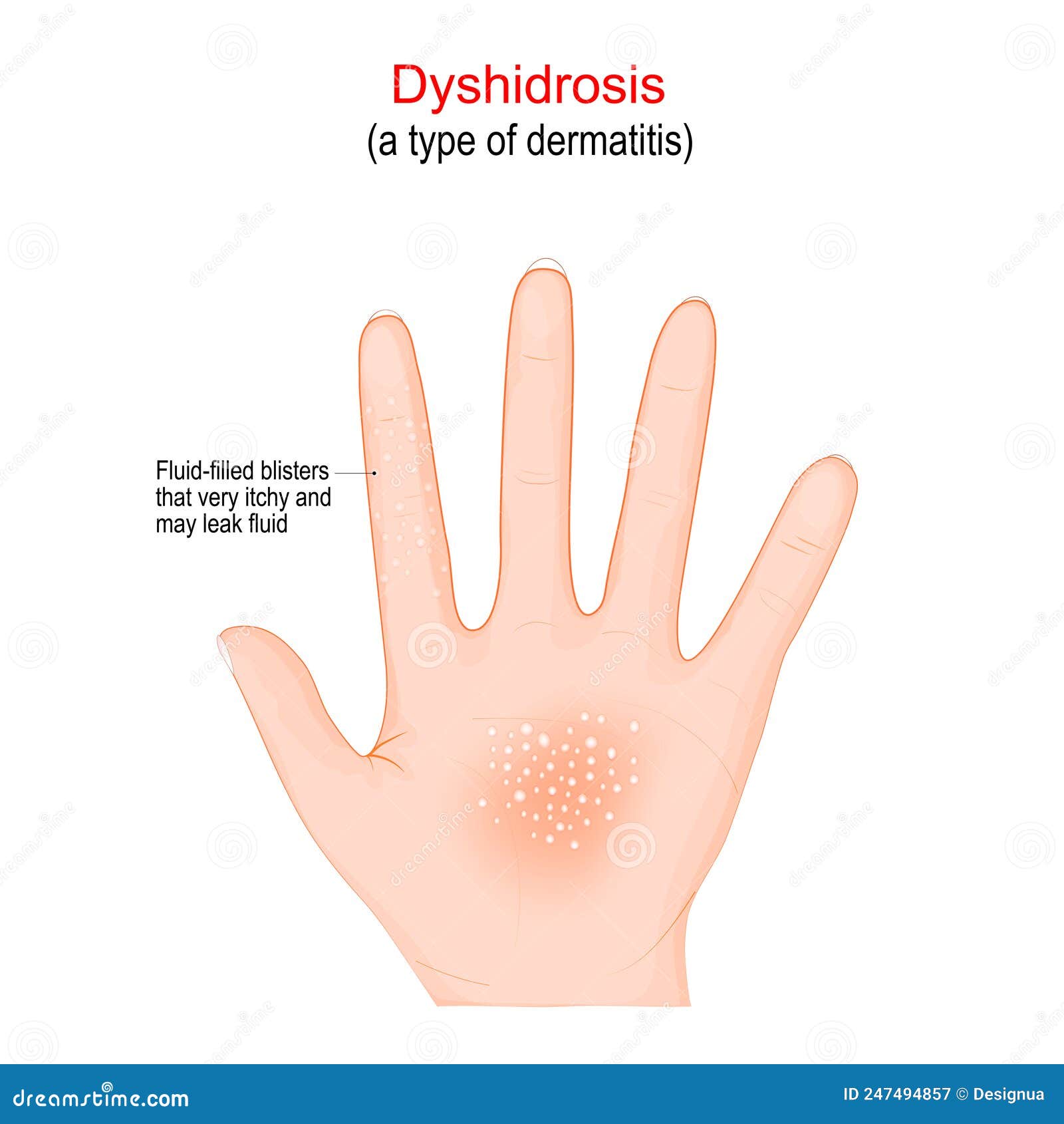
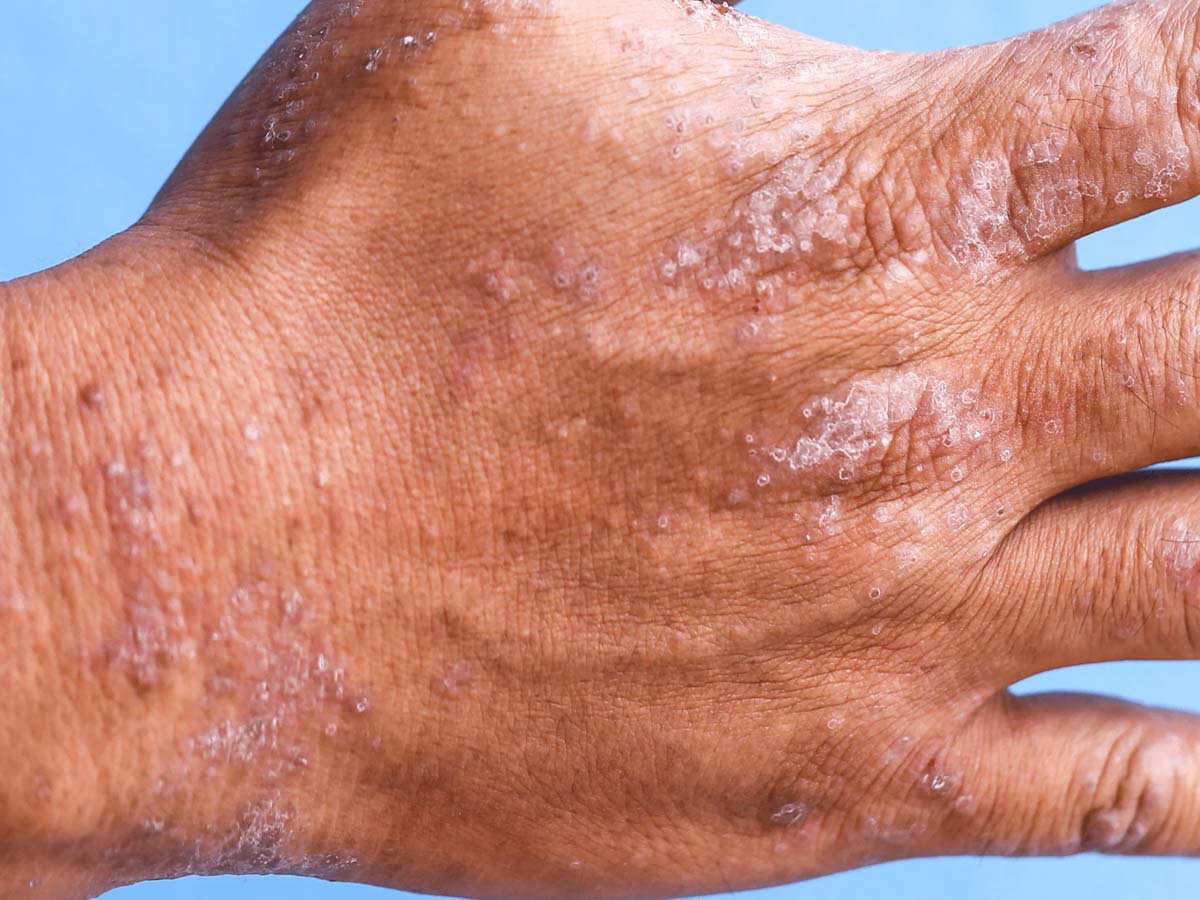
- Dyshidrotic Eczema (Pompholyx): Characterized by the development of small, fluid-filled vesicles on the palms and lateral surfaces of the fingers. This condition is often exacerbated by seasonal transitions and high stress levels.
- Allergic Contact Dermatitis: An immune-mediated reaction occurring after skin contact with allergens such as nickel, certain surfactants, or industrial chemicals.
- Irritant Contact Dermatitis: Resulting from frequent exposure to soaps, solvents, or sanitizing agents that strip the protective lipid layer of the skin.
- Palmar Psoriasis: Thick, scaly, and often painful patches that may fissure or bleed, presenting a persistent challenge for standard topical treatments.
Differential Diagnosis for Systemic and Metabolic Triggers
When dermatological causes are ruled out, medical professionals must consider systemic factors. Pruritus is a common, though often overlooked, symptom of hepatobiliary and metabolic conditions. In 2026, clinical protocols emphasize a systematic evaluation to ensure that localized symptoms are not indicators of broader organ system dysfunction.
Clinical Assessment Protocols
History and Physical Examination Practitioners conduct a comprehensive review of the patient's exposure history, including occupational hazards, recent changes in personal care products, and known autoimmune triggers.
Laboratory Evaluation Basic diagnostic panels often include liver function tests (LFTs) to rule out cholestasis, blood glucose monitoring to exclude diabetic neuropathy, and thyroid function tests to address hormonal imbalances that affect skin moisture and barrier function.
Comparison of Common Palmar Irritants and Conditions
The following table categorizes common causes of palmar pruritus based on their clinical characteristics and standard management approaches in modern clinical practice.
| Condition | Primary Characteristic | Typical Trigger | Recommended Management |
|---|---|---|---|
| Dyshidrotic Eczema | Small, deep-seated vesicles | Stress, humidity, metals | Potent topical corticosteroids, wet wraps |
| Contact Dermatitis | Erythema, burning, itching | Chemical exposure | Avoidance of trigger, barrier creams |
| Palmar Psoriasis | Hyperkeratosis, fissures | Autoimmune response | Biologics, phototherapy, keratolytics |
| Cholestasis | Generalized intense itch | Bile acid accumulation | Ursodeoxycholic acid (under physician care) |
| Xerosis (Dry Skin) | Cracking, fine scaling | Low humidity, aging | Emollient therapy, ceramide repair |
Diagnostic Workflow and Technical Evaluation
Determining the cause of itching palms requires a structured diagnostic approach to avoid misdiagnosis. If a patient presents with symptoms lasting longer than two weeks, or if the itching is accompanied by secondary infection signs—such as purulent discharge or spreading warmth—a referral to a board-certified dermatologist is the standard of care.
- Elimination Phase: Patients should document all chemical exposures, including household cleaning agents and hand sanitizers, for a 14-day period.
- Patch Testing: If contact dermatitis is suspected, a controlled patch test (the T.R.U.E. Test or similar) can identify specific allergens like fragrances, preservatives, or metallic compounds.
- Dermatoscopy: Clinicians utilize magnification to differentiate between vesicular eruptions and fungal infections, such as tinea manuum, which requires antifungal therapy rather than corticosteroids.
Management and Therapeutic Interventions in 2026
Modern management of palmar pruritus integrates traditional pharmacology with advanced skin barrier repair. In 2026, the emphasis has shifted toward "repair-first" protocols, where restoring the skin barrier is considered as vital as suppressing the inflammatory response.
Pharmacological and Lifestyle Recommendations
- Topical Steroids: For acute inflammatory flare-ups, high-potency corticosteroids may be prescribed in short bursts. Prolonged use is discouraged to prevent skin thinning (atrophy).
- Calcineurin Inhibitors: These agents, such as tacrolimus, provide an effective alternative to steroids, particularly for sensitive areas or long-term maintenance.
- Barrier Protection: Utilizing products containing ceramides, cholesterol, and free fatty acids helps rebuild the lipid matrix of the palmar skin.
- Environmental Control: Installation of home humidifiers during winter months can prevent the transepidermal water loss that leads to chronic itching.
Frequently Asked Questions
Can stress actually cause my palms to itch? Yes, psychological stress is a well-documented trigger for dyshidrotic eczema. High-stress environments can dysregulate the immune response, leading to the rapid appearance of vesicles on the palms.
When should I seek emergency care for itching hands? If your itching is accompanied by difficulty breathing, swelling of the throat or tongue, or hives covering a large portion of the body, seek immediate emergency medical attention as these are signs of anaphylaxis.
Does frequent hand washing cause permanent damage? Frequent washing with harsh soaps can deplete the skin's natural oils. By switching to lipid-replenishing cleansers and applying a thick emollient immediately after drying, you can prevent chronic dermatitis.
Are there specific blood tests for itchy palms? While there is no single "itch test," doctors often order a Complete Metabolic Panel (CMP) to check liver and kidney function, as systemic toxin accumulation can manifest as pruritus.
Can I use over-the-counter hydrocortisone for long-term relief? Over-the-counter hydrocortisone is intended for short-term use (typically 7–10 days). Long-term use without physician oversight can lead to skin atrophy and rebound flare-ups.
Addressing Secondary Complications
Chronic scratching can lead to lichenification (thickening of the skin) and secondary bacterial or fungal infections. If you notice yellow crusting, increased redness, or pain, you should contact a healthcare provider immediately. Bacterial infections may require topical antibiotics like mupirocin, while fungal infections will require specific terbinafine or clotrimazole treatments.
In summary, while itching palms are often benign and linked to environmental triggers or minor dermatological conditions, they should not be ignored if persistent. A disciplined approach to barrier protection, combined with professional medical guidance when necessary, will resolve most cases effectively. If symptoms persist despite lifestyle adjustments, consult with a dermatologist to establish a targeted treatment plan tailored to your specific clinical profile.
Image Gallery