Comprehensive Guide to New 2026 Blackhead Removal Videos and Professional Extraction Techniques
New 2026 blackhead removal videos feature cutting-edge ultra-high-definition macro cinematography, AI-integrated skin analysis, and non-invasive vacuum-suction technologies. These videos provide essential educational insights into derm...
New 2026 blackhead removal videos feature cutting-edge ultra-high-definition macro cinematography, AI-integrated skin analysis, and non-invasive vacuum-suction technologies. These videos provide essential educational insights into dermatological hygiene, showcasing professional extraction methods that prioritize skin barrier integrity and sterile environments over the aggressive, high-damage manual squeezing techniques often seen in outdated viral content.
Contents
The Evolution of Skincare Content: Why 2026 Blackhead Removal Videos Are Different
The landscape of dermatological digital content has shifted significantly in 2026. While "satisfying" extraction videos remain a massive trend, the focus has moved from amateur home-popping to high-fidelity, medically supervised procedures. This shift is driven by a more educated audience demanding evidence-based skincare and the integration of 8K macro-lens technology that allows viewers to see the pore structure with unprecedented clarity.
In 2026, the leading creators in this niche are no longer just "skin-fluencers" but board-certified dermatologists and licensed clinical estheticians. These professionals use their platforms to demonstrate the difference between a sebaceous filament (a natural part of the skin’s oil delivery system) and a true open comedone (a blackhead). By watching these 2026 updates, viewers learn the technical nuances of skin elasticity, sebum oxidation, and the critical importance of pre-extraction softening agents.
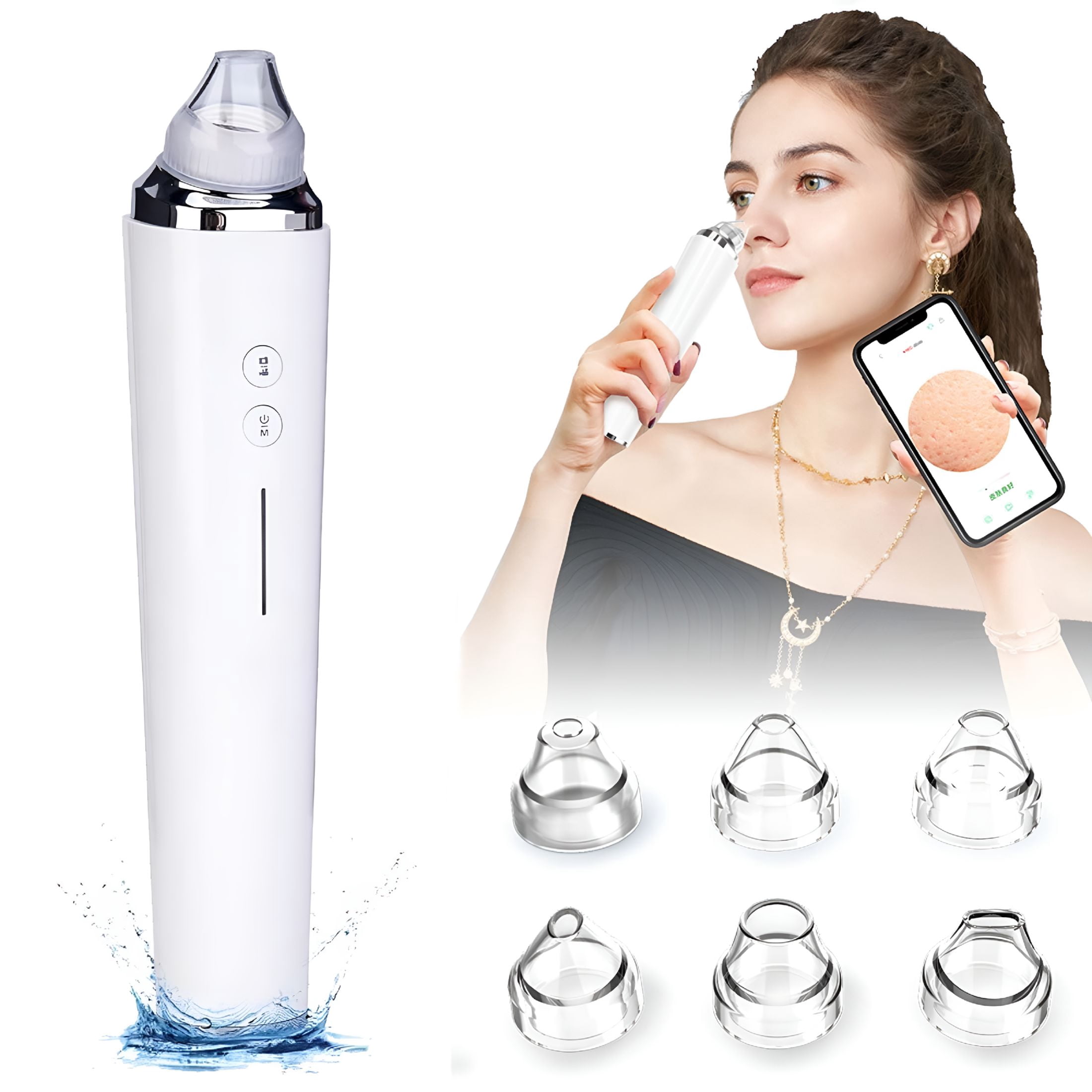
The rise of "Smart-Extraction" videos also introduces viewers to AI-assisted tools. These devices, often linked to smartphone apps, use real-time sensors to measure the pressure applied to the skin, ensuring that the extraction does not cause capillary rupture or permanent scarring. This level of technical depth has turned blackhead removal videos into a legitimate form of public health education regarding acne management.
Understanding the Anatomy of a Blackhead (Open Comedone)
To appreciate the techniques shown in 2026 videos, one must understand the biological structure of the target. A blackhead, or open comedone, is a pore clogged with a combination of oxidized sebum and dead skin cells (keratinocytes). The "black" color is not dirt; it is the result of melanin and sebum oxidizing when exposed to the air at the surface of the pore.
The Composition of Sebum in 2026 Research
Recent clinical studies highlighted in current 2026 dermatological journals emphasize that sebum composition varies based on diet, hormonal fluctuations, and environmental pollutants.
- Squalene: A natural lipid that, when oxidized, becomes highly comedogenic.
- Wax Esters: Unique to sebum, these provide the "plug-like" consistency seen in extraction videos.
- Linoleic Acid: Low levels of this fatty acid are often found in the skin of those prone to chronic blackheads, leading to a thicker, stickier sebum.
Professional videos in 2026 often include a "Micro-Analysis" segment where the extracted material is viewed under a microscope to explain these biological components to the viewer, fostering a deeper understanding of why topical treatments like salicylic acid or retinoids are necessary to prevent recurrence.
Top 2026 Extraction Technologies and Methods
The "New 2026 Blackhead Removal Videos" search category is dominated by three primary technological approaches. Each has specific indications, pros, and cons that professional creators highlight to guide their audience toward the safest options.
1. AI-Guided Vacuum Suction
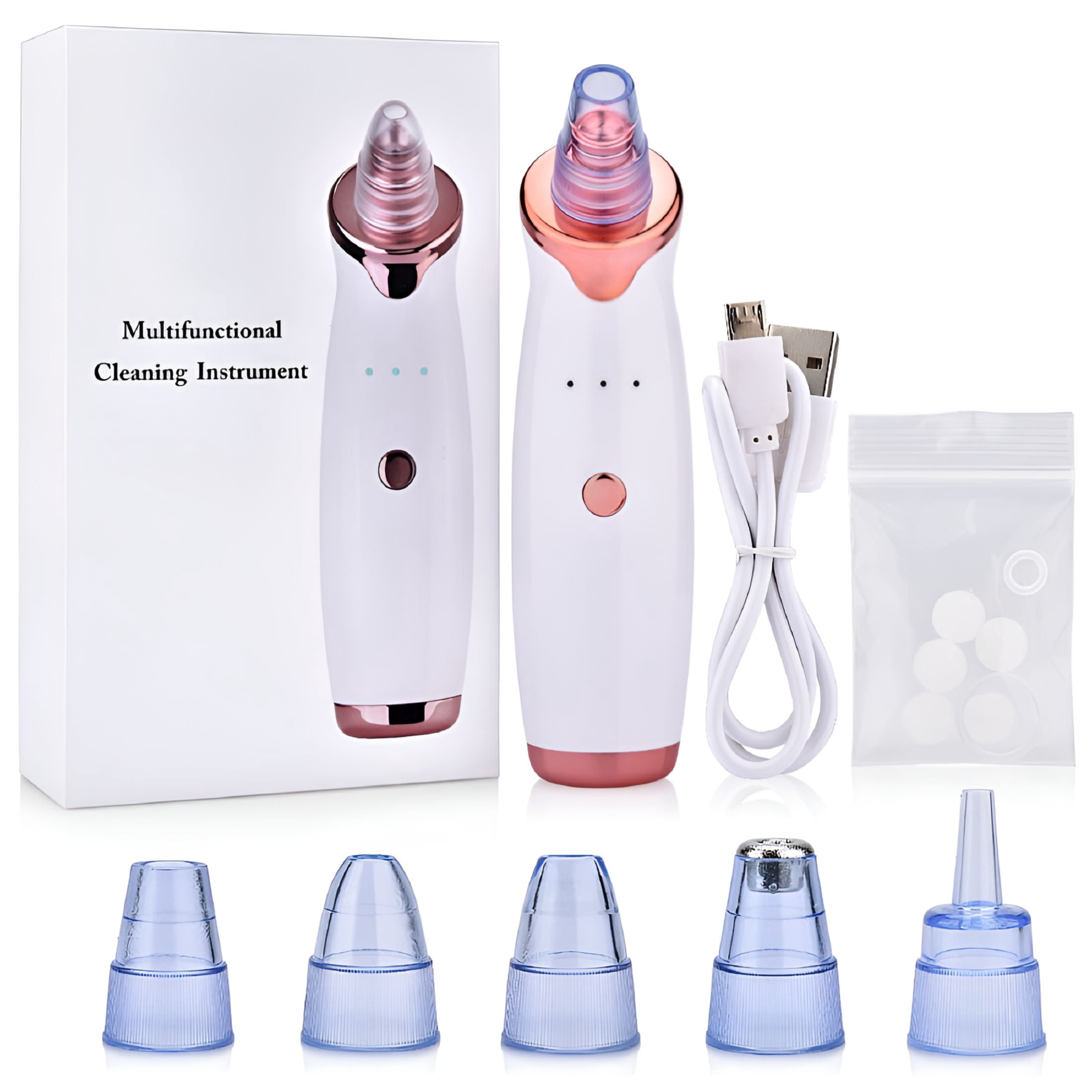
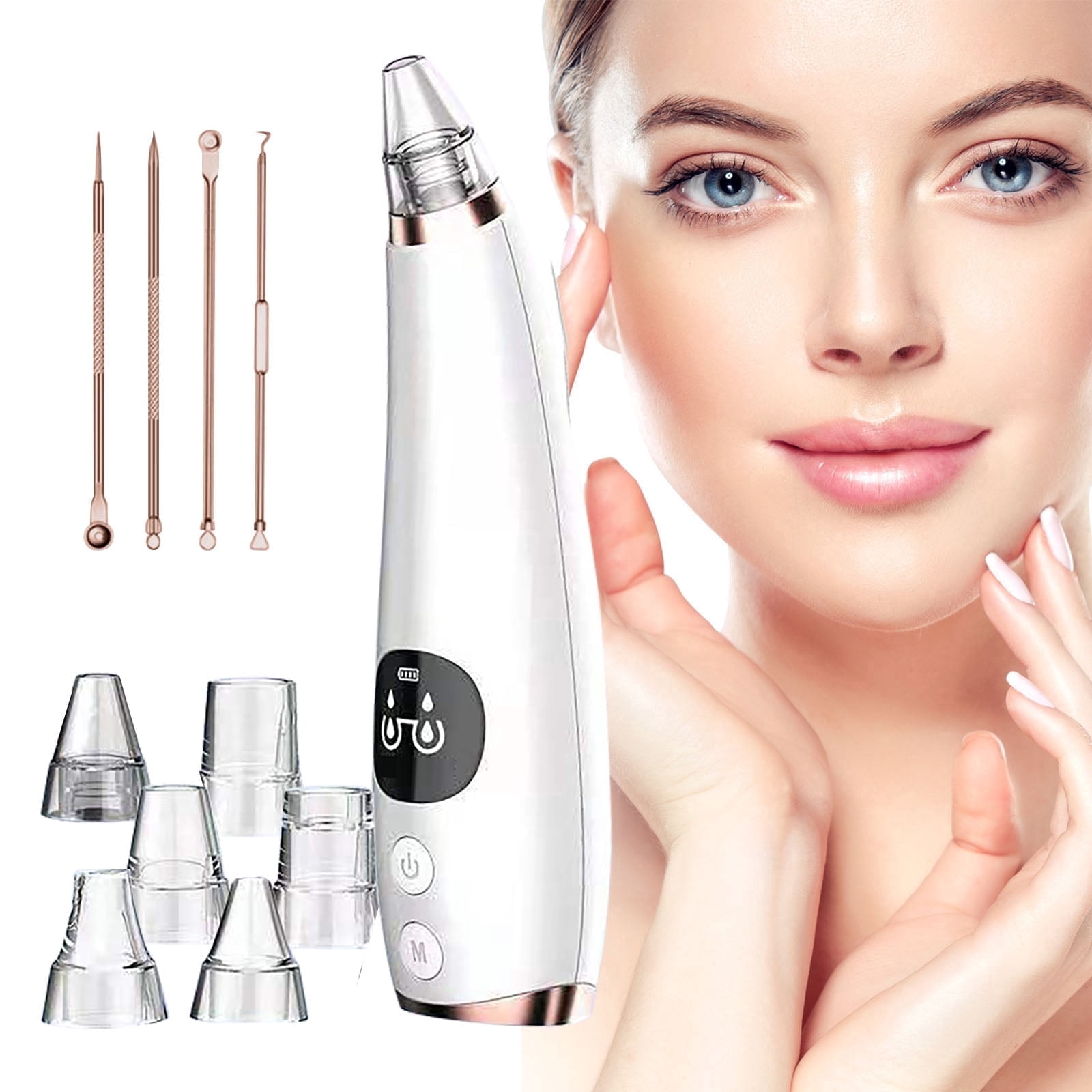
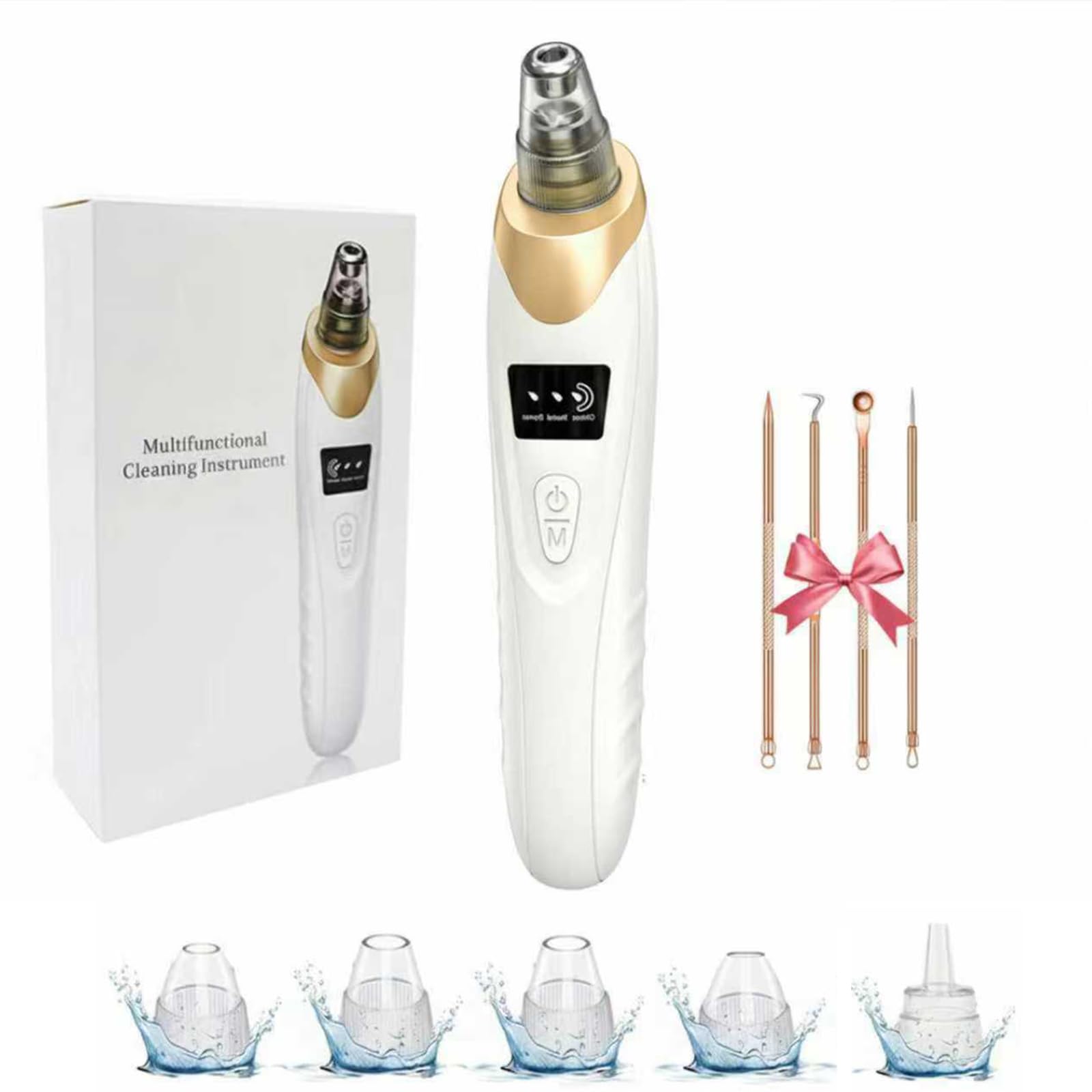
These devices use localized negative pressure to lift the impaction from the pore. Unlike the rudimentary "pore vacuums" of the early 2020s, the 2026 models feature pulsated suction and integrated blue-light therapy to kill Cutibacterium acnes (C. acnes) bacteria simultaneously. Videos showcasing this tech emphasize the lack of physical trauma to the surrounding tissue.
2. Ultrasonic Skin Scrubbers
Ultrasonic spatulas vibrate at frequencies exceeding 25,000 Hz. In 2026 videos, these are shown "atomizing" water or saline solutions to loosen the top layer of dead skin and vibrate blackheads out of the follicles. This method is preferred for sensitive skin types where manual pressure would cause prolonged erythema (redness).
3. Precision Surgical Steel Extractors
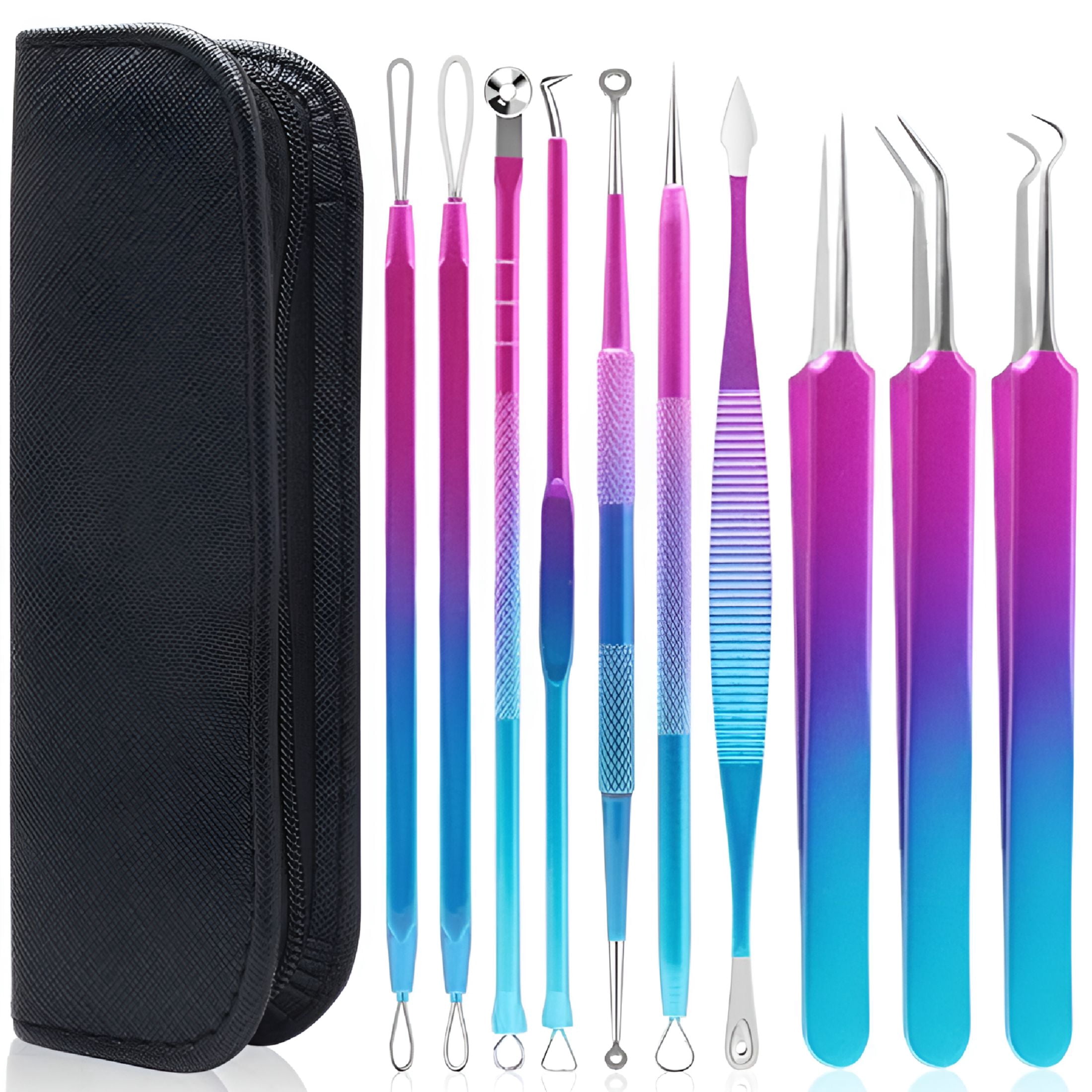
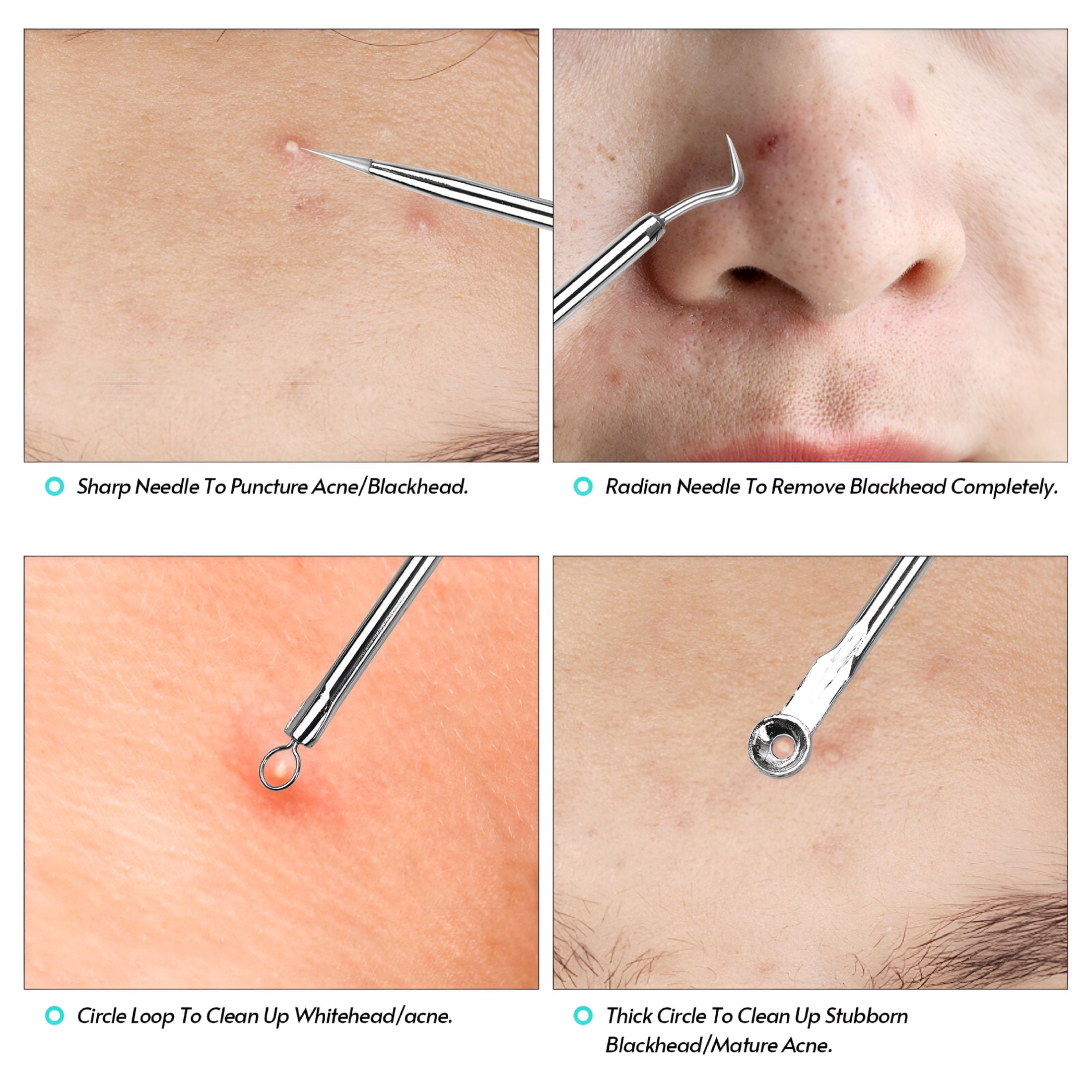
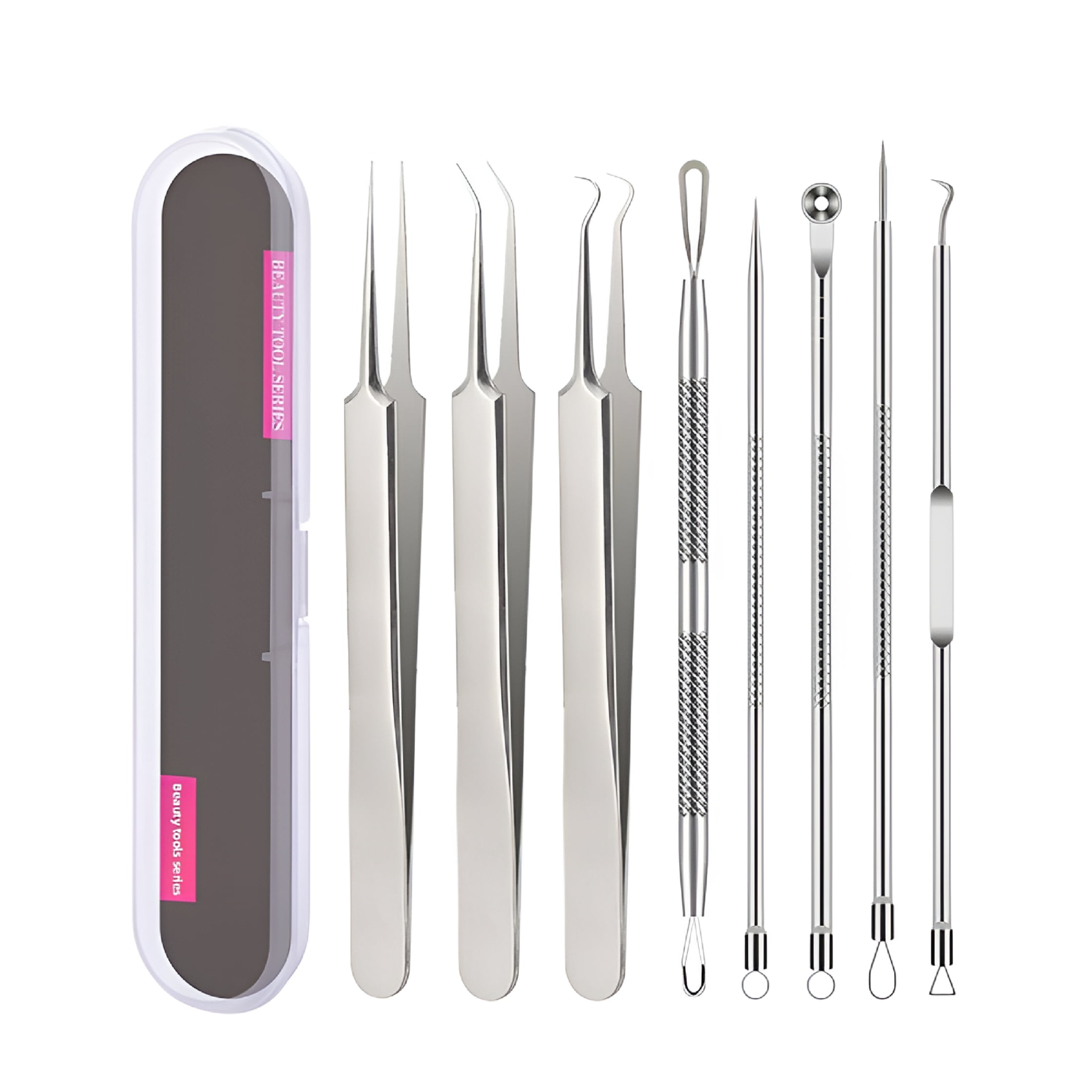
Despite technological leaps, the classic Schamberg or Lanc-style extractor remains a staple in medical-grade videos. However, the 2026 technique involves "painless anchoring," where the skin is tensioned in a specific geometric pattern to allow the comedone to slide out with minimal downward force.
| Feature | Manual Extraction (Classic) | Ultrasonic Vibration | AI-Vacuum Suction |
|---|---|---|---|
| Primary Mechanism | Physical leverage/pressure | High-frequency oscillation | Negative pressure (vacuum) |
| Skin Trauma Risk | High (if performed by amateurs) | Very Low | Low to Moderate |
| Best For | Deep, stubborn comedones | Superficial congestion | Oily, resilient skin types |
| Sterilization Req. | Autoclave / Medical Grade | UV-C / Alcohol | Disposable tips / UV-C |
| 2026 Tech Integration | Pressure-sensing handles | Micro-current synergy | Real-time 4K camera feed |
The Professional 2026 Extraction Workflow
When watching a high-quality 2026 blackhead removal video, you will notice a strict adherence to a multi-step clinical protocol. This process ensures that the skin is prepared to release the impaction without causing secondary infections or post-inflammatory hyperpigmentation (PIH).
Phase 1: De-incrustation and Softening
Professionals never start with the extraction itself. The first five minutes of a 2026 video typically involve:
- Double Cleansing: Using a pH-balanced oil cleanser followed by a medicated gel cleanser.
- Enzyme Exfoliation: Applying papaya or pineapple enzymes to dissolve the protein bonds of dead skin cells.
- Ionic Steaming: Using negatively charged ions to penetrate deeper into the pores, liquefying the hardened sebum.
Phase 2: Controlled Extraction
The creator will then use a localized "skin-prep" solution containing salicylic acid to further degrease the area. During the extraction, the 2026 standard is "one-pass only." If a blackhead does not release with gentle pressure, the professional moves on to avoid bruising. This is a major differentiator from older, more aggressive "popping" videos.
Phase 3: Post-Extraction Recovery
After the pores are cleared, 2026 videos focus heavily on "closing" or calming the skin. This includes:
- High-Frequency Neon/Argon wands: To oxygenate the skin and kill bacteria.
- Cold Plasma Therapy: A 2026 staple that rapidly reduces inflammation.
- Barrier Repair Serums: Formulated with ceramides and centella asiatica to soothe the extracted area.
Risks of Amateur Extraction: Why DIY Videos are Declining
One of the most valuable aspects of new 2026 skincare content is the "Reaction and Education" genre, where dermatologists critique amateur home-removal videos. They highlight the significant risks associated with improper technique:
Clinical Warning on Home Extractions
Permanent Scarring and Pitted Pores Using fingernails or non-sterile household tools can cause "ice-pick" scars or widened pores that cannot be reversed without expensive laser resurfacing.
Staph Infections and Cellulitis Amateur videos often show people ignoring the "Danger Triangle" of the face (the area from the bridge of the nose to the corners of the mouth). Infections here can theoretically track back to the cavernous sinus in the brain, making sterile technique a life-saving requirement, not a suggestion.
Post-Inflammatory Hyperpigmentation (PIH) For individuals with darker skin tones (Fitzpatrick scales IV-VI), aggressive squeezing triggers melanin production, leading to dark spots that take months or years to fade.
How to Curate High-Quality 2026 Skincare Content
With the influx of "New 2026 Blackhead Removal Videos," users must distinguish between professional educational content and "shock value" clickbait. Use the following criteria to vet your sources:
- Credential Verification: Does the video creator list their NPI (National Provider Identifier) or state licensing board information?
- Sterile Environment: Are they using nitrile gloves, disposable tools, or autoclaved steel? Are they wiping the skin with antiseptic between extractions?
- Educational Commentary: Does the narrator explain the why behind the technique, or are they simply playing loud music over the extractions?
- Tool Transparency: High-quality 2026 videos will clearly name the devices used, such as the Hydro-Pore Elite 3000 or specific medical-grade spatulas, allowing viewers to research the safety of those devices.
Frequently Asked Questions (FAQ)
Are blackhead removal videos safe to follow at home?
While watching them is safe, replicating the professional techniques at home is generally discouraged due to the risk of infection and scarring. Most 2026 experts recommend using these videos to understand the process so you can better communicate with your dermatologist or esthetician during a professional treatment.
Professional videos use specialized equipment and sterilization protocols that are nearly impossible to maintain in a home bathroom. Instead of DIY extraction, use the videos to learn about the topical ingredients (like retinoids) that can prevent blackheads from forming in the first place.
Why do some blackheads in 2026 videos look yellow or green?
The color of a blackhead's core is determined by the age of the sebum and the presence of specific bacteria or environmental oxidized pollutants. While the "head" is black due to oxidation, the internal "plug" is often pale yellow or off-white; a greenish tint usually indicates a minor localized inflammatory response or a different type of cyst altogether, such as a steatocystoma.
How often should professional extractions be performed?
According to 2026 clinical guidelines, professional extractions should be limited to once every 4 to 6 weeks. This timeline aligns with the natural 28-day skin cell turnover cycle, allowing the skin to heal and the pore structure to stabilize before another deep cleaning.
Over-extracting can lead to "lazy pores," where the skin loses its natural ability to self-regulate sebum flow, leading to increased congestion over time.
What is the "Smart-Pore" technology mentioned in 2026 videos?
Smart-Pore technology refers to a new class of 2026 extraction tools that utilize bio-impedance sensors to detect the density of a clog before pressure is applied. This allows the tool to calibrate the exact amount of suction or vibration needed to remove the blackhead without damaging the delicate skin barrier or surrounding capillaries.
Do 2026 extraction videos show permanent results?
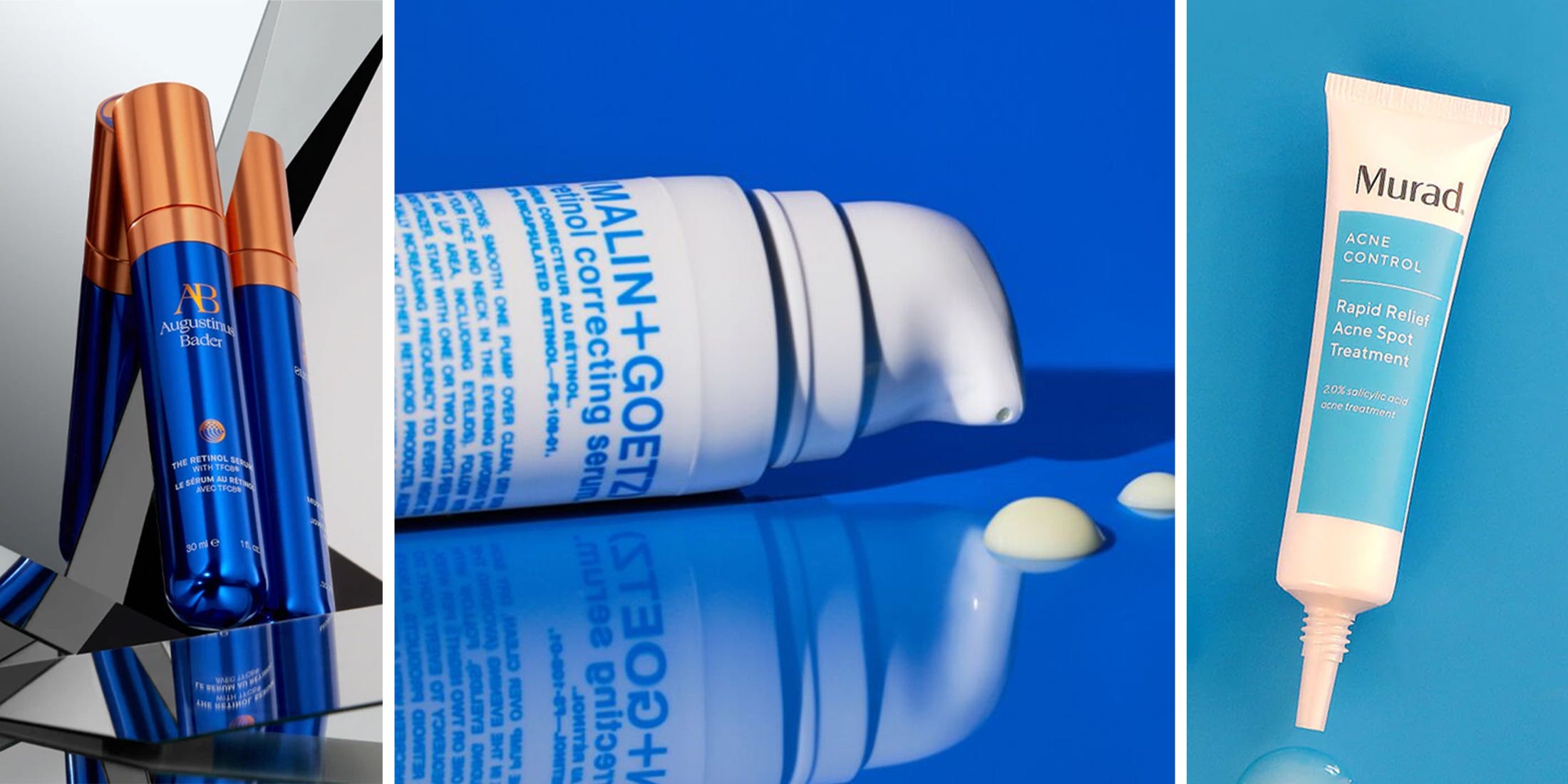
No extraction is permanent because skin is a living, secreting organ. However, 2026 videos often pair the extraction with "Maintenance Protocols," showing viewers how to use 2% BHA (Salicylic Acid) and nightly retinoids to keep the pores clear for significantly longer periods compared to extraction alone.
Conclusion: The Future of Satisfying Skincare
The "New 2026 Blackhead Removal Videos" represent a fusion of medical science and digital entertainment. By focusing on professional methods, high-tech tools, and biological education, these videos empower viewers to take better care of their skin. While the visual satisfaction remains, the ultimate goal has shifted toward skin health, prevention, and the promotion of professional dermatological standards.
If you are struggling with chronic blackheads or congestion, use these 2026 resources as a starting point for your education. However, always prioritize a consultation with a licensed skincare professional who can provide a personalized treatment plan tailored to your specific skin type and health history.
Image Gallery