Understanding the Millennial and Gen X Ages
In 2026, Generation X includes individuals born between 1965 and 1980, currently aged 46 to 61. Millennials, born between 1981 and 1996, are now aged 30 to 45. These two cohorts represent the primary engine of the global economy, balan...
In 2026, Generation X includes individuals born between 1965 and 1980, currently aged 46 to 61. Millennials, born between 1981 and 1996, are now aged 30 to 45. These two cohorts represent the primary engine of the global economy, balancing senior leadership roles with mid-career transitions and significant family responsibilities.
Contents
Defining the Demographic Boundaries
Demographic cohorts are defined by researchers to track how specific groups move through life stages and how major historical events shape their collective outlook. The most widely accepted definitions for these generations come from the Pew Research Center, which establishes clear year-based boundaries to ensure analytical consistency.
Generation X consists of those born from 1965 to 1980. This cohort followed the Baby Boomers and preceded Millennials. Often referred to as the "Latchkey Generation," they grew up during a period of shifting societal values, rising divorce rates, and increased maternal participation in the workforce. In 2026, the oldest Gen Xers are beginning to look toward retirement, while the youngest are in their mid-40s, often reaching the pinnacle of their professional influence.
Millennials, or Generation Y, include those born between 1981 and 1996. This group is characterized by its proximity to the digital revolution. Unlike Gen X, who adapted to digital technology as young adults, the younger half of the Millennial cohort grew up with the internet as a fundamental utility. As of 2026, Millennials have transitioned entirely into adulthood; the youngest members have turned 30, officially ending the era of Millennials being synonymous with "youth culture."
Generation X: The Strategic Bridge in 2026
By 2026, Generation X has solidified its position as the "bridge" between the analog past and the AI-driven future. This cohort, ranging from 46 to 61 years old, currently holds the majority of C-suite and senior management positions. Their unique perspective is shaped by having lived through the Cold War, the rise of personal computing, and the transition from traditional media to social platforms.
The Sandwich Generation Pressures
A defining characteristic of Gen X in 2026 is their role as the "Sandwich Generation." Many members of this cohort are simultaneously supporting aging Baby Boomer parents and providing financial or emotional guidance to their own children, who may be Gen Z or Gen Alpha. This dual responsibility creates specific economic pressures, influencing how Gen X manages wealth, healthcare, and retirement planning.
Professional Influence and Leadership
In the workplace, Gen X is known for independence and pragmatism. Having entered the workforce during a time of corporate downsizing and economic shifts in the late 1980s and 1990s, they tend to value autonomy. In 2026, they are the primary decision-makers regarding corporate sustainability and the integration of artificial intelligence into legacy industries. Their leadership style often balances the hierarchical structure of their predecessors with the collaborative expectations of the younger cohorts they manage.
Millennials: The Mid-Career Powerhouse
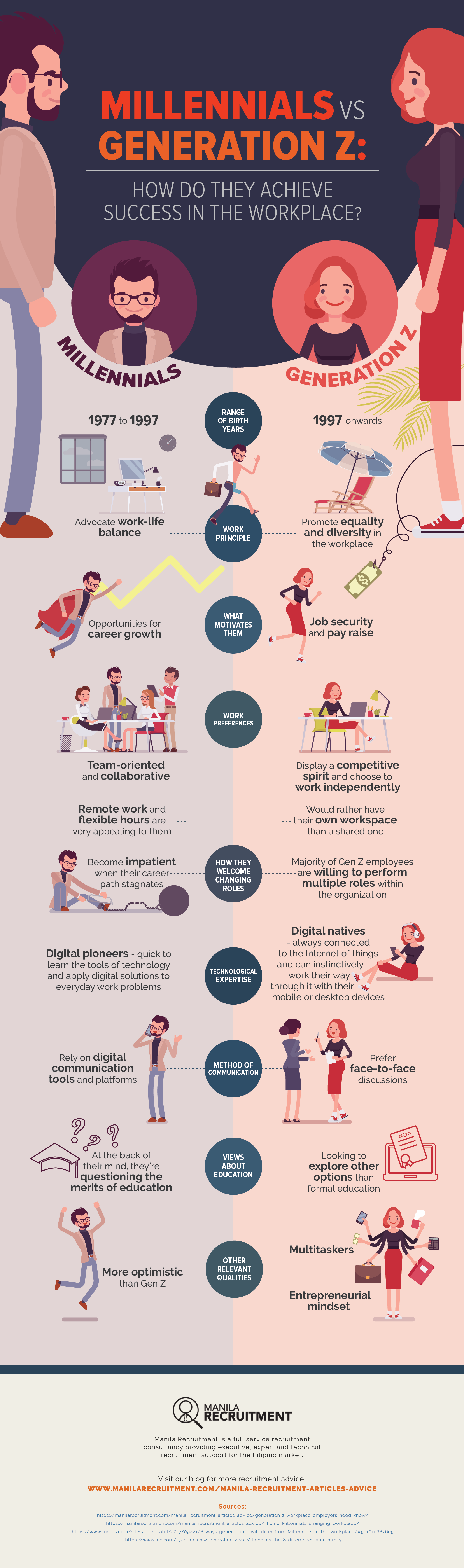
In 2026, the Millennial generation (aged 30 to 45) has moved past the "entry-level" narrative that trailed them for over a decade. They are now the largest component of the global workforce. Their influence is felt most strongly in the normalization of remote work, the "gig economy," and the demand for corporate social responsibility.
Economic Maturation and Housing
For years, Millennials faced criticism regarding delayed milestones such as homeownership and marriage, often due to the lingering effects of the 2008 financial crisis and student loan debt. However, by 2026, the older segment of this cohort (the "Geriatric Millennials" or Xennials) has largely stabilized, driving the suburban real estate market and mid-career pivot trends. The younger Millennials, now 30-35, are navigating the complexities of a high-interest-rate environment that has persisted through the mid-2020s.
Digital Integration and Consumer Behavior
Millennials were the first generation to integrate social media into their identity formation during their formative years. In 2026, this manifests as a sophisticated approach to consumerism. They prioritize "experience over things," yet they are also the primary drivers of the subscription-based economy. Their comfort with digital platforms makes them the primary target for fintech innovations, telehealth services, and e-commerce personalization.
Comparing Gen X and Millennial Milestones
Understanding these ages requires looking at where each group stands in the lifecycle of typical life events. The following table compares the two generations based on the 2026 calendar year.
| Feature | Generation X | Millennials |
|---|---|---|
| Birth Year Range | 1965 – 1980 | 1981 – 1996 |
| Age Range in 2026 | 46 – 61 years old | 30 – 45 years old |
| Core Technology | PC, Email, Analog-to-Digital | Smartphone, Cloud, Social Media |
| Current Life Stage | Senior Leadership / Late Career | Mid-Career / Management |
| Economic Focus | Retirement / Elder Care | Wealth Building / Childcare |
| Defining Cultural Era | Grunge, MTV, Cold War End | 9/11, Great Recession, Digital Rise |
The "Xennial" Cusp: Resolving the Age Ambiguity
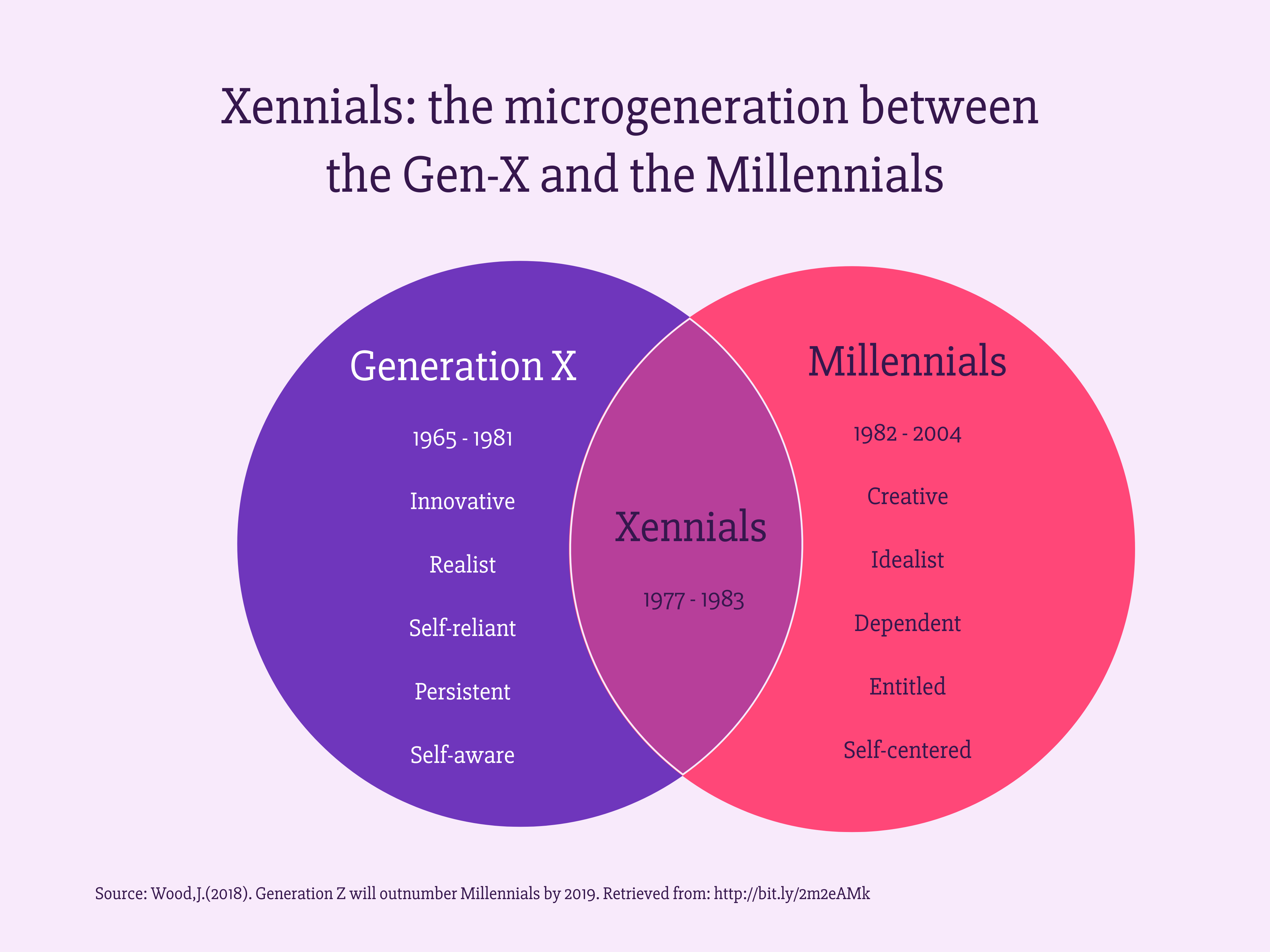
There is often confusion regarding individuals born between 1977 and 1983. This micro-generation, frequently called Xennials, acts as a buffer between Gen X and Millennials. They possess a "hybrid" identity: they had an analog childhood (landline phones, library card catalogs) but a digital adulthood (early adoption of MySpace and mobile phones).
In 2026, Xennials are aged 43 to 49. This group is particularly important for marketers and recruiters because they often possess the technical fluency of Millennials combined with the institutional knowledge and traditional professional etiquette typically associated with Gen X. When analyzing "understanding the millennial and gen x ages," recognizing this overlap prevents the oversimplification of these two distinct but related groups.
Technological and Workplace Evolution
The way these two generations interact with technology defines their workplace contributions in 2026. While Gen X grew up learning how to use technology as a tool, Millennials often view technology as an extension of the self.
- Gen X Tech Adoption: By 2026, Gen X has become highly proficient in digital transformation, often leading the implementation of Enterprise Resource Planning (ERP) systems. They value technology that increases efficiency and provides clear ROI.
- Millennial Tech Adoption: Millennials drive the demand for "UX-first" (User Experience) tools. In 2026, they are the primary proponents of AI-assisted productivity and asynchronous communication platforms, pushing for a work-life integration rather than a strict balance.
The interaction between a 55-year-old Gen X director and a 35-year-old Millennial manager is the central dynamic of the 2026 corporate environment. This relationship is characterized by a trade-off between the Gen X preference for direct, often verbal communication and the Millennial preference for streamlined, digital-first workflows.
Financial Realities and Wealth Transfer
A significant development in 2026 is the "Great Wealth Transfer." As Baby Boomers age, trillions of dollars in assets are beginning to move down to Gen X and Millennials.
- Gen X Wealth Management: Gen X is currently focused on maximizing 401(k) contributions and managing the costs of university tuition for their children. They are the primary beneficiaries of early-stage inheritances, which they are largely using to shore up retirement funds.
- Millennial Financial Strategy: Millennials are increasingly moving into the "investor" class. Having been wary of traditional markets after 2008, by 2026, they are heavily involved in diversified portfolios including ESG (Environmental, Social, and Governance) funds and fractional real estate.
Common Misconceptions About These Ages
It is crucial to correct outdated stereotypes that no longer apply in 2026. For example, the idea of the "slack-jawed Gen X-er" or the "lazy Millennial" has been thoroughly debunked by labor statistics.
- Myth: Millennials are still "the youth."
- Fact: In 2026, the youngest Millennial is 30. They are parents, homeowners, and senior professionals.
- Myth: Gen X is tech-illiterate.
- Fact: Gen X built the foundations of the modern internet. In 2026, they are often the ones overseeing cybersecurity and data privacy for major firms.
- Myth: Both groups are being replaced by Gen Z.
- Fact: While Gen Z is the fastest-growing segment of the workforce, Gen X and Millennials still hold the vast majority of economic and political power in 2026.
Frequently Asked Questions
What are the exact birth years for Millennials and Gen X?
According to the Pew Research Center, Generation X was born between 1965 and 1980. Millennials were born between 1981 and 1996. These dates are used by the US Census Bureau and other major statistical organizations to ensure data consistency across decades of study.
How old is the oldest Millennial in 2026?
The oldest Millennial, born in 1981, turns 45 in 2026. This age marks a significant transition into the mid-to-late career stage, where many individuals in this cohort are moving into executive roles or managing larger teams that include both Gen X and Gen Z.
Are people born in 1980 Millennials or Gen X?
Individuals born in 1980 are officially considered the youngest members of Generation X. However, they are often categorized as "Xennials" because they share many cultural and technological experiences with the earliest Millennials born in 1981 and 1982.
What generation comes after Millennials?
The generation following Millennials is Generation Z, born between 1997 and 2012. In 2026, Gen Z members are aged 14 to 29, representing the newest entrants into the workforce and the primary drivers of new cultural trends.
Why is 1996 the cutoff for the Millennial generation?
The 1996 cutoff is largely based on historical and social factors, specifically the 9/11 terrorist attacks. Most researchers argue that Millennials are old enough to remember the world before 9/11 and the impact of the event, whereas Gen Z (born 1997 and later) has no memory of the pre-9/11 era.
Summary of Next Actions
To apply this understanding of demographic ages in 2026, organizations and individuals should focus on tailored communication. If you are in a leadership position, recognize that Gen X values autonomy and directness, while Millennials prioritize purpose and digital efficiency. For personal financial planning, those in the Gen X bracket should prioritize retirement catch-up contributions, while Millennials should focus on diversifying their growing asset bases.
Image Gallery