Can Peroxide Hurt Your Ear: Safety, Risks, and Best Practices
Hydrogen peroxide is a common household chemical that can potentially harm your ear if used incorrectly, leading to irritation, chemical burns, or even damage to the eardrum if the integrity of the canal is compromised. While it is oft...
Hydrogen peroxide is a common household chemical that can potentially harm your ear if used incorrectly, leading to irritation, chemical burns, or even damage to the eardrum if the integrity of the canal is compromised. While it is often recommended for softening earwax, its oxidizing properties make it a potent agent that requires caution, specific dilution, and a clear understanding of your ear's current health status before any application.
Contents
Understanding the Role of Hydrogen Peroxide in Ear Care
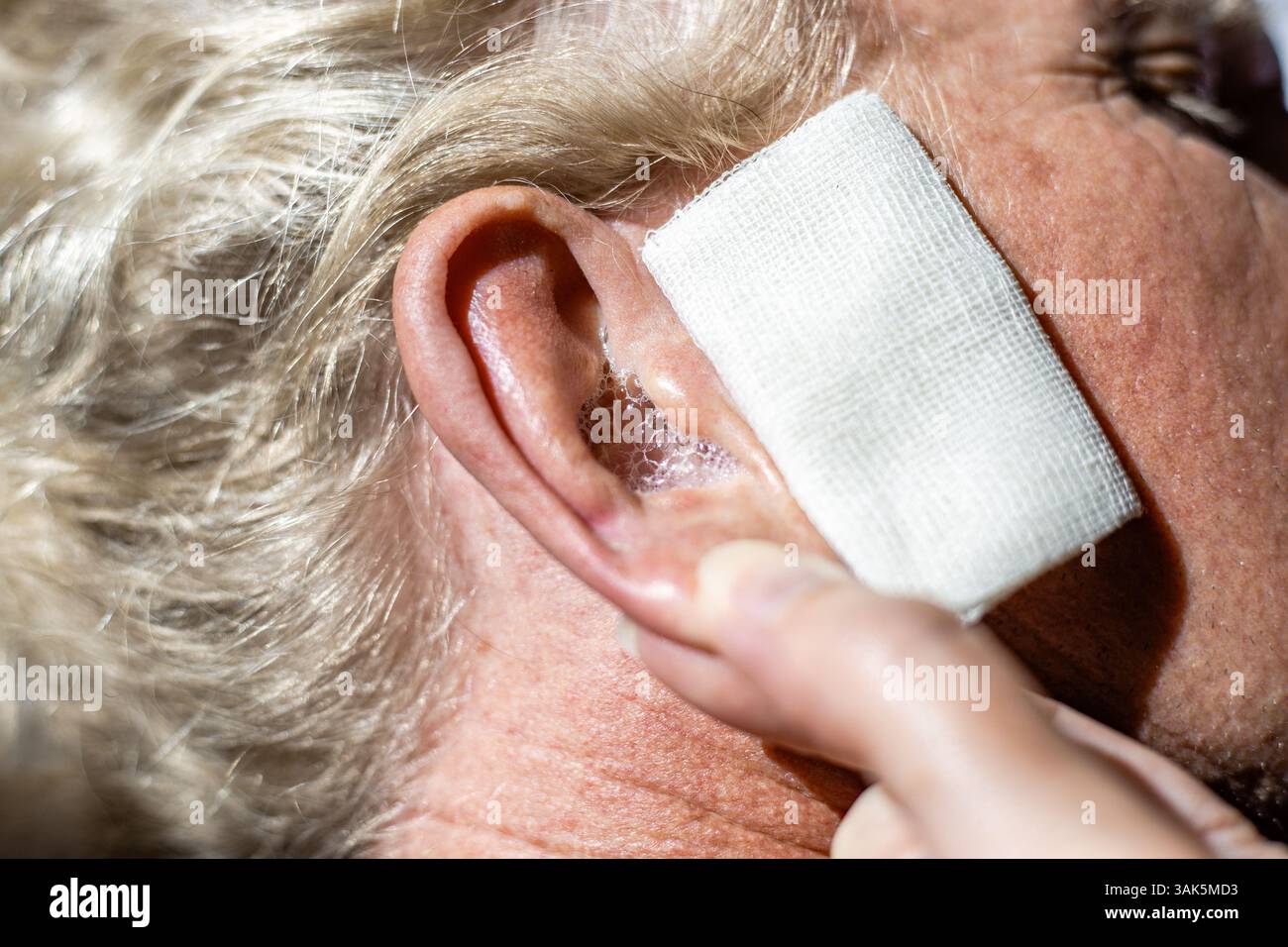
Hydrogen peroxide (H2O2) is an oxidizing agent that has been used in clinical and home settings for decades to manage cerumen impaction—the clinical term for a buildup of earwax. When introduced into the ear canal, it reacts with the organic matter in wax, causing a bubbling or "foaming" action. This physical reaction helps break down the structural integrity of the wax plug, making it easier for the substance to be flushed or migrate out of the canal naturally.
However, the same chemical property that breaks down earwax also affects the delicate skin lining the ear canal. The ear canal is protected by a thin layer of skin and a natural acidic pH balance that prevents bacterial and fungal growth. Introducing a strong oxidizing agent disrupts this balance. If the skin is already inflamed, scratched, or if the eardrum (tympanic membrane) is perforated, the peroxide can penetrate deeper into the middle ear, leading to significant complications.
Identifying When Peroxide Poses a Risk
The primary danger associated with using peroxide in the ear is not necessarily the chemical itself, but the context in which it is applied. Using peroxide is generally considered unsafe or high-risk under the following conditions:
- Perforated Eardrum: If your eardrum has a hole, tear, or surgical tube (myringotomy tube) in place, peroxide can enter the middle ear space. The middle ear is not designed to handle caustic liquids, and exposure can lead to severe pain, vertigo, or even permanent hearing loss.
- Active Infection: If you are experiencing symptoms of otitis externa (swimmer's ear) or otitis media, such as discharge, severe pain, or fever, the skin of the ear canal is likely compromised. Using peroxide can cause intense stinging and exacerbate inflammation.
- Excessive Concentration: Standard household hydrogen peroxide is typically 3% concentration. While this is the standard for minor wound care, it is significantly stronger than the solutions sometimes prepared by medical professionals for ear irrigation. Applying higher concentrations or undiluted solutions increases the likelihood of chemical irritation.
- Pre-existing Skin Conditions: Individuals with eczema, psoriasis, or chronic dermatitis in the ear canal should avoid using peroxide, as it can strip away essential oils and worsen dry, cracked skin.
Signs of Chemical Irritation or Injury
If you have used peroxide and suspect you have caused irritation or injury, it is important to monitor your symptoms closely. Mild stinging is common due to the chemical reaction with wax, but this sensation should not last long or result in significant discomfort.
Symptoms that indicate you should stop use and seek medical attention include:
- Prolonged or Worsening Pain: If the stinging sensation persists for more than a few minutes or escalates into sharp, throbbing pain.
- Dizziness or Vertigo: This is a sign that the peroxide may have reached the middle ear and is affecting the vestibular system.
- Unusual Discharge: Any new fluid, blood, or pus draining from the ear after application is a red flag.
- Sudden Hearing Changes: A feeling of fullness that does not resolve or a muffled sense of hearing that persists after the bubbling stops.
Comparison of Common Ear Cleaning Methods
When comparing methods for managing earwax, it is helpful to understand the trade-offs between chemical, mechanical, and professional approaches.
| Method | Risk Level | Mechanism | Best For |
|---|---|---|---|
| Hydrogen Peroxide | Moderate | Chemical breakdown | Mild, soft wax buildup |
| Saline Solution | Low | Gentle irrigation | Routine cleaning |
| Mineral Oil | Very Low | Lubrication/Softening | Dry, hard wax impaction |
| Micro-suction | Low (Professional) | Physical removal | Severe or deep impaction |
| Cotton Swabs | High | Mechanical forcing | Never recommended |
Note: Mineral oil is often preferred by audiologists over peroxide because it is non-irritating and does not strip the protective oils from the ear canal.
Professional Guidance and Safety Protocols
If you feel your ears are blocked, the safest approach is to avoid DIY solutions entirely and consult a primary care provider or an audiologist. A professional can examine your ear canal using an otoscope to confirm that your eardrum is intact. This is the single most important step in ear safety; if your eardrum is not intact, almost any liquid, including water, can cause problems.
If a medical professional does advise you to use a peroxide-based solution at home, follow these steps strictly:
- Use 3% Solution or Lower: Ensure you are using a standard, low-concentration product. Never use industrial or high-strength peroxide.
- Room Temperature: Warm the solution by holding the bottle in your hands for a few minutes. Cold liquid in the ear can cause severe dizziness and nausea due to caloric stimulation of the inner ear.
- Limit Duration: Only leave the solution in the ear for the time specified by your doctor, usually no more than 3–5 minutes.
- Tipping: Tilt your head to allow the solution to drain completely onto a tissue or into a sink afterward.
Troubleshooting Common Misconceptions
A frequent mistake is the belief that because "it bubbles, it is working." While the bubbling is the intended chemical reaction with earwax, the lack of bubbling does not necessarily mean you need a stronger solution or more frequent applications. Often, the lack of reaction simply means there is no significant wax to remove.
Another misconception is that frequent cleaning is necessary for hygiene. The ear is self-cleaning; the skin of the ear canal grows outward from the eardrum to the opening, naturally transporting old wax with it. Constant interference with this process, especially with reactive chemicals, can lead to the very impaction you are trying to prevent.
Frequently Asked Questions
Can I use peroxide if I have a history of ear infections? If you have a history of chronic ear infections or a known perforation, you should avoid using peroxide entirely. Even if you are not currently symptomatic, your eardrum may be thinner or more susceptible to irritation than average.
Is it safe to use peroxide every day to prevent wax buildup? No. Daily use of hydrogen peroxide will dry out the ear canal, disrupt the natural pH, and can cause chronic itching, flaking skin, and an increased risk of secondary fungal infections (otomycosis).
What should I do if I get peroxide in my ear and it hurts? Gently tilt your head to allow the ear to drain. Do not try to insert anything into the ear to "dry" it. If the pain persists or you experience dizziness, consult a healthcare professional.
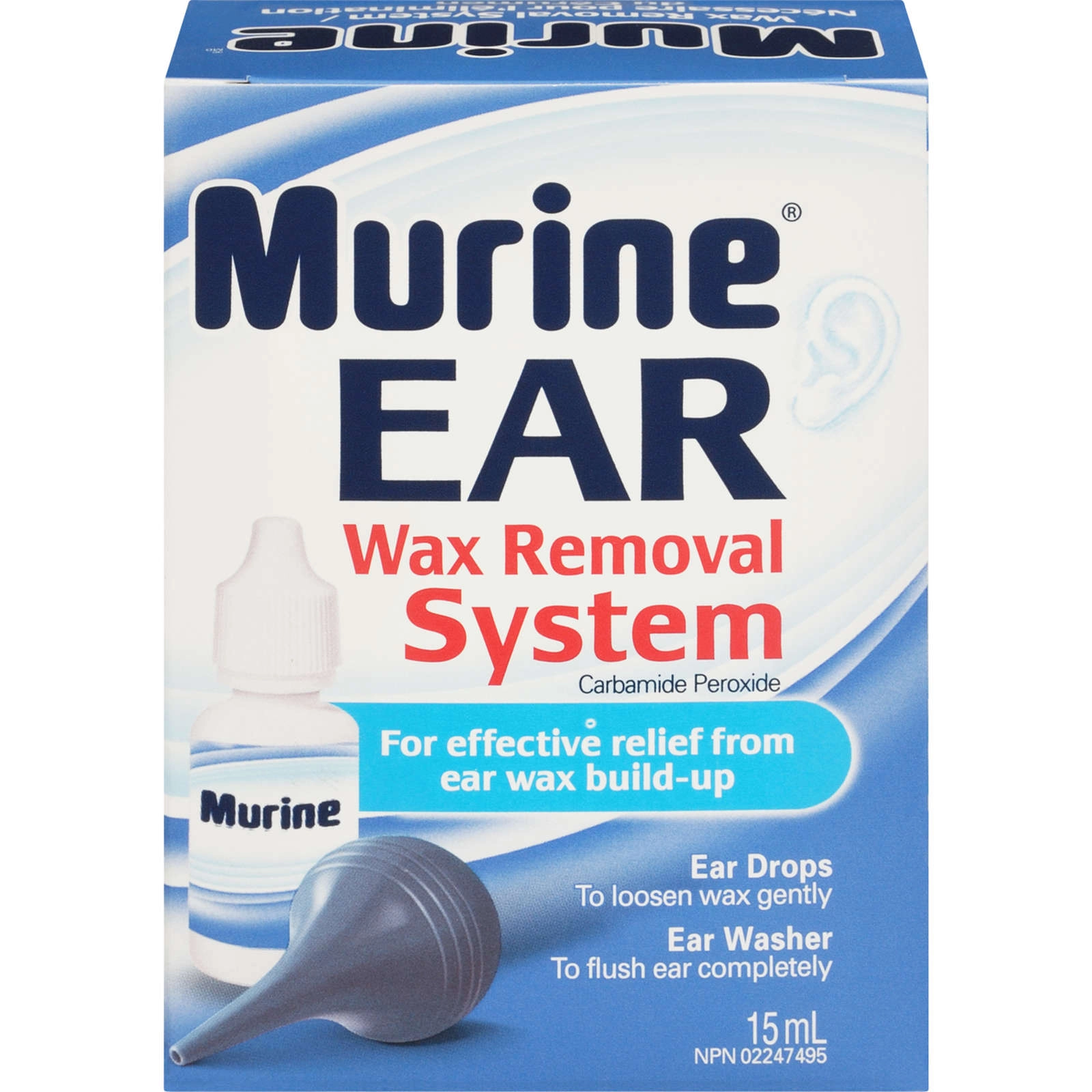
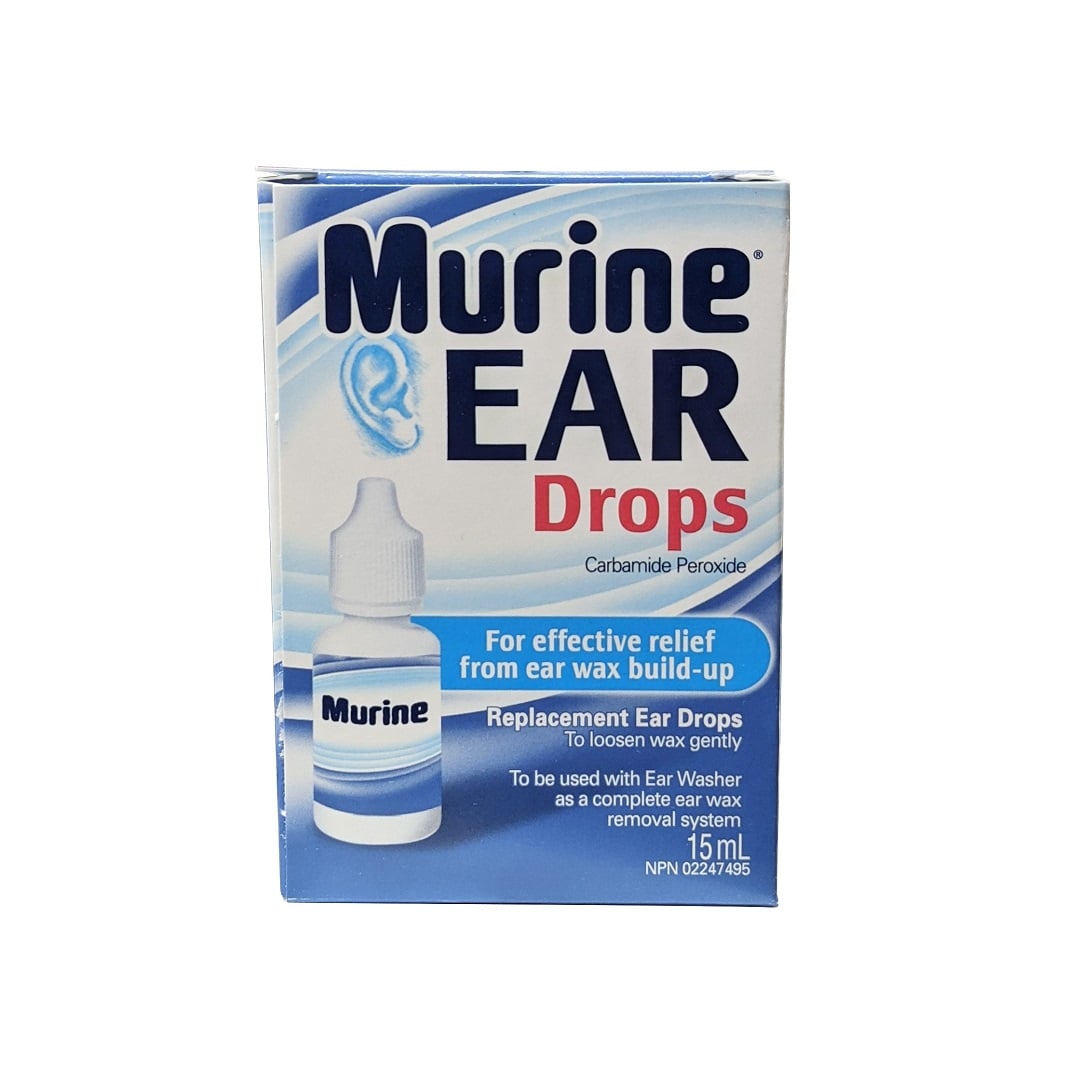
How do I safely remove earwax if I shouldn't use peroxide? The most effective and safest method for most people is using over-the-counter mineral oil or prescription-strength carbamide peroxide drops, which are specifically formulated to be less irritating than standard hydrogen peroxide.
Does hydrogen peroxide expire? Yes. Hydrogen peroxide decomposes into water and oxygen over time, especially when exposed to light. An expired bottle may not perform as expected, and the lack of potency can be unpredictable. Always check the expiration date on the bottle.
Recommended Next Action
Before attempting any ear cleaning at home in 2026, schedule a brief examination with a primary care provider or an urgent care clinic to rule out a perforated eardrum. If you have been experiencing ear pain or hearing loss, avoid all liquid-based ear drops until you receive professional verification that your ear canal is healthy and free of damage.
Image Gallery