Understanding the Trump Pecker Controversy: Context, Media Practice, and Legal Frameworks
The "Trump Pecker controversy" refers to the journalistic and legal scrutiny surrounding the relationship between Donald Trump and David Pecker, the former CEO of American Media Inc. (AMI), which published the National Enquirer. The co...
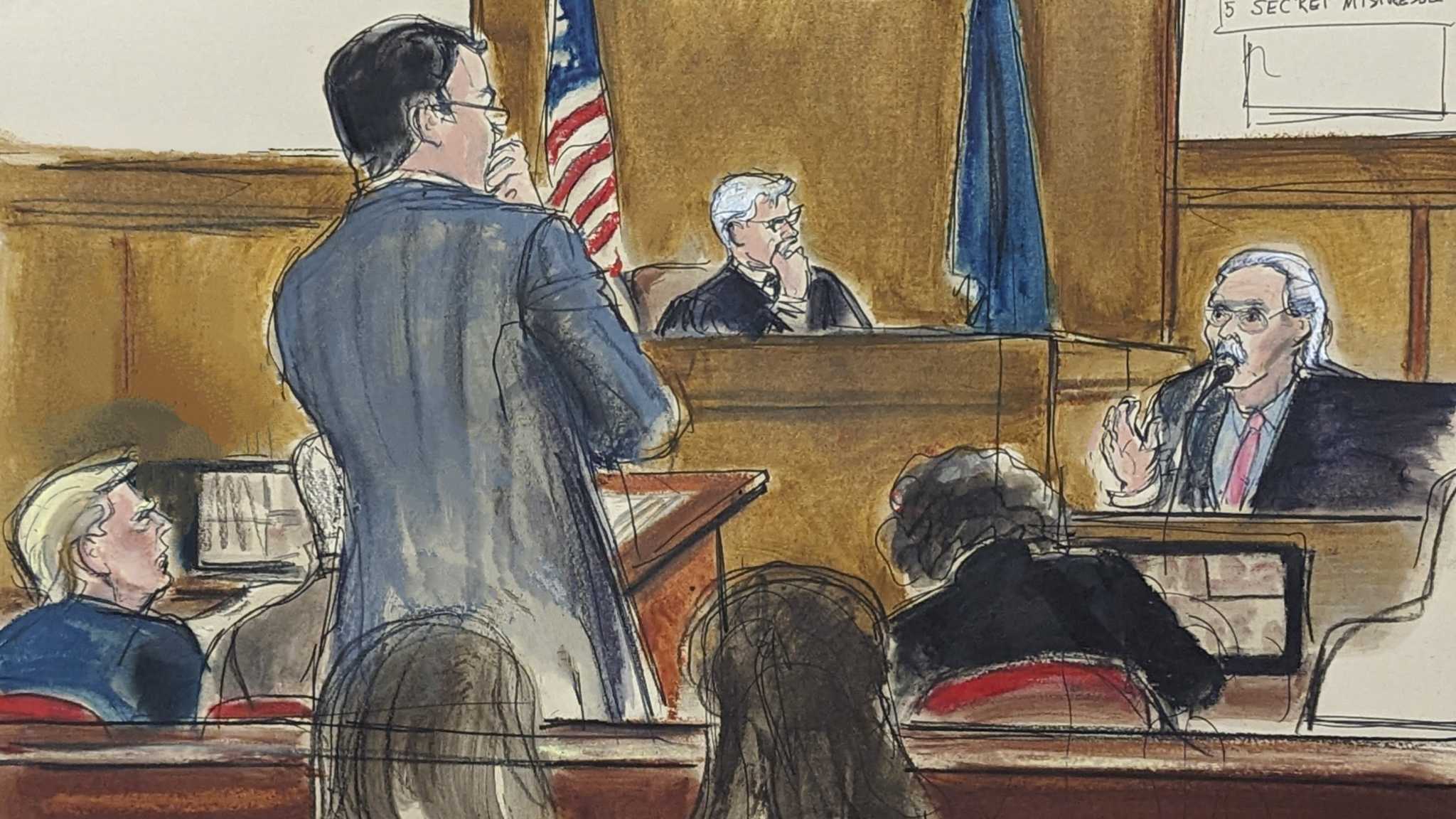
The "Trump Pecker controversy" refers to the journalistic and legal scrutiny surrounding the relationship between Donald Trump and David Pecker, the former CEO of American Media Inc. (AMI), which published the National Enquirer. The controversy centers on the practice of "catch and kill," where AMI allegedly purchased rights to damaging stories about Trump to suppress their publication, thereby influencing his 2016 presidential campaign.
Contents
The Role of David Pecker and American Media Inc.
David Pecker served as the Chairman and CEO of American Media Inc. for several decades, transforming the National Enquirer into a tabloid powerhouse. In the context of the 2016 election, his relationship with Donald Trump became a focal point of federal and state inquiries. The core mechanism of this controversy is the "catch and kill" strategy. This practice involves a media outlet purchasing the exclusive rights to a negative story about an individual with the primary intent of never publishing it. By doing so, the outlet prevents other news organizations from reporting on the material while simultaneously keeping the subject of the story from facing public scrutiny.
The controversy gained significant legal traction when prosecutors alleged that Pecker and AMI worked directly with the Trump campaign to identify potential scandals that could harm Trump’s electability. These stories were then allegedly acquired by AMI to ensure they would remain buried. This process differs from standard investigative journalism, which seeks to verify and disseminate information. Instead, it functions as a form of non-disclosure insurance, effectively leveraging media ownership to shape political outcomes.
The "Catch and Kill" Mechanism in Practice
In the legal and media landscape, the distinction between legitimate editorial discretion and "catch and kill" suppression is defined by intent. Editorial discretion allows an editor to choose not to run a story for lack of evidence, libel concerns, or lack of public interest. "Catch and kill," as alleged in the investigations involving Trump and Pecker, involves the acquisition of content for the express purpose of suppression rather than journalistic evaluation.
Key elements of this practice include:
- Exclusivity Agreements: These are contracts that grant the purchaser total control over a source's story, preventing them from speaking to other outlets.
- Non-Disclosure Agreements (NDAs): These legally bind the source to silence, often with high financial penalties if the information is shared elsewhere.
- Coordination: The alleged illegal aspect hinges on whether the media entity acted in coordination with a political campaign to provide an "in-kind contribution" that exceeded legal donation limits under federal election law.
Legal Implications and Regulatory Oversight
The intersection of media practices and campaign finance law was the primary driver of the criminal investigations surrounding this controversy. The Federal Election Commission (FEC) regulates how much an individual or organization can contribute to a political campaign. If a media company spends its own funds to purchase a story that protects a candidate, regulators and prosecutors argue that this constitutes an unrecorded, illegal corporate campaign contribution.
In 2018, AMI entered into a non-prosecution agreement with the Southern District of New York. As part of this agreement, the company admitted to making a payment to a source to kill a story about Donald Trump at the request of his campaign. This was a landmark development, as it provided judicial acknowledgment of the mechanics behind the suppression strategy.
Comparison of Media Practices
The following table summarizes the differences between standard journalistic practices and the "catch and kill" model.
| Feature | Legitimate Journalism | "Catch and Kill" Suppression |
|---|---|---|
| Objective | Inform the public | Protect a subject from scrutiny |
| Information Flow | Verify and publish | Acquire and suppress |
| Contractual Basis | Editorial independence | Non-disclosure/silence |
| Legal Status | Protected by First Amendment | Subject to campaign finance laws |
Impact on Media Ethics and Election Integrity
The controversy sparked a national conversation about the ethics of tabloid journalism and the influence of media conglomerates in politics. When a media organization abandons its mandate to inform the public in favor of serving the interests of a political candidate, it undermines the Fourth Estate's role as a watchdog.
Critics argue that the Trump-Pecker situation represents a breach of the implicit contract between the press and the public. By using the National Enquirer as a tool to control the narrative, the parties involved were accused of distorting the information environment. Conversely, some defenders of these practices note that tabloids have historically operated under different standards than mainstream news outlets, focusing on sensationalism rather than investigative reporting, and that the legality of these arrangements is a complex, often unsettled area of law.
Navigating the Historical and Legal Context
To understand the controversy fully, one must distinguish between the journalistic practice (tabloids buying stories) and the legal violation (coordinated campaign finance fraud). Much of the discourse surrounding the "Trump Pecker controversy" conflates these two aspects.
The legal consequences were largely confined to the corporate entities involved, as demonstrated by the 2018 non-prosecution agreement. This resolution underscored that while buying stories is a common, albeit criticized, industry practice, doing so in coordination with a federal political campaign crosses the threshold into prohibited financial activity. This has led to stricter scrutiny of media-campaign interactions in subsequent election cycles, as candidates and media executives are now more aware of the thresholds for campaign contribution violations.
Frequently Asked Questions
What is the definition of "catch and kill"? "Catch and kill" is a journalistic practice where a publisher acquires the exclusive rights to a story about a person with the intent of suppressing the information, preventing it from ever being published.
Did David Pecker ever face criminal charges? David Pecker was granted immunity by federal prosecutors in exchange for his cooperation in the investigation into campaign finance violations. He provided testimony that helped establish the timeline of the coordination between AMI and the Trump campaign.
How does this relate to campaign finance laws? Federal law limits the value of contributions individuals and companies can make to political candidates. Prosecutors argued that the payment made to suppress damaging stories acted as an "in-kind" contribution to the Trump campaign, which exceeded legal limits and was not properly disclosed.
Was the National Enquirer sanctioned? Yes, American Media Inc. entered into a non-prosecution agreement in 2018. Under the terms, the company admitted to suppressing a story at the request of a political campaign, agreeing to cooperate with ongoing federal investigations in exchange for avoiding criminal charges.
Is it illegal for news organizations to pay for stories? Paying for sources is a subject of significant ethical debate. While it is generally legal for news organizations to pay for information, doing so for the specific purpose of suppressing it—and coordinating that suppression with a political campaign—is what elevates the action from a professional ethical lapse to a potential violation of federal election law.
Next Steps for Understanding Media Influence
For those looking to explore this topic further, it is recommended to review the official press releases from the U.S. Attorney’s Office for the Southern District of New York regarding their 2018 investigations. Analyzing the specific legal filings provides a clearer understanding of the distinction between corporate media policy and criminal campaign finance behavior. Furthermore, monitoring updates from the Federal Election Commission provides context on how current regulations are being applied to media entities in the lead-up to future elections. Understanding this controversy is essential for anyone interested in the intersection of media ownership, corporate influence, and the integrity of democratic elections.
Image Gallery