Understanding the Astoria Crime Rate: Safety Analysis and Neighborhood Safety Guide 2026
Astoria maintains a reputation as one of the more desirable and secure residential neighborhoods in the New York City metropolitan area, balancing urban accessibility with a distinct community atmosphere. When evaluating the astoria cr...
Astoria maintains a reputation as one of the more desirable and secure residential neighborhoods in the New York City metropolitan area, balancing urban accessibility with a distinct community atmosphere. When evaluating the astoria crime rate, prospective residents, business owners, and current community members must analyze data from the New York Police Department (NYPD) and local precinct command structures to understand historical trends, neighborhood breakdowns, and practical safety measures for 2026.
Contents
Analyzing the Astoria Crime Rate: What the Numbers Tell Us
Evaluating neighborhood safety requires looking at both property and violent crime indices reported across official municipal databases. Astoria is primarily divided between two NYPD precinct jurisdictions: the 114th Precinct, which covers the western portion of Astoria down to Long Island City, and the 106th or neighboring commands handling fringe boundaries, though the 114th Precinct is the primary authority for Astoria proper.
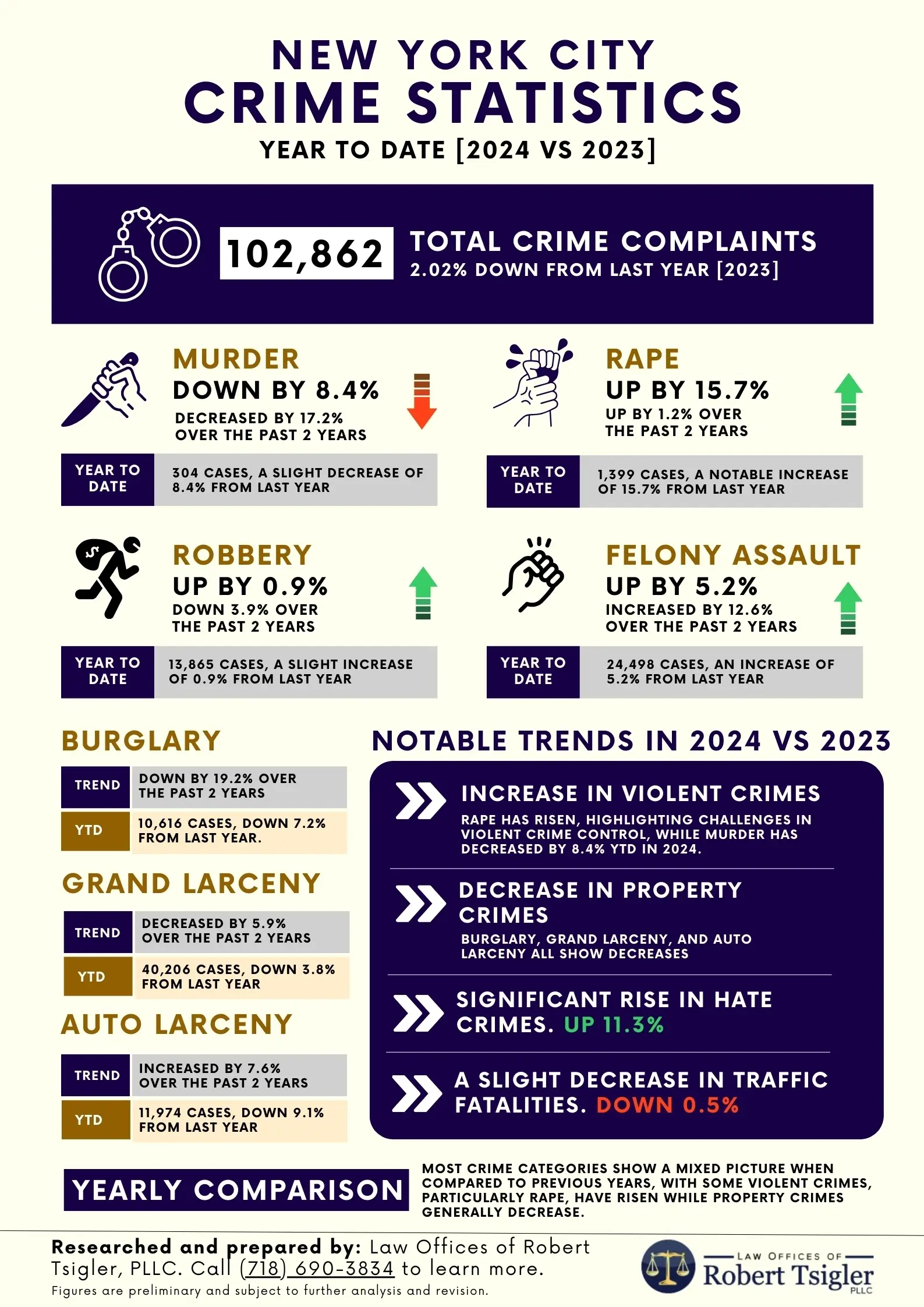
Crime reporting metrics typically categorize incidents into major index crimes, which include felony assault, grand larceny, robbery, burglary, grand larceny auto, rape, and murder. Over recent years, crime statistics in the 114th Precinct have reflected broader urban trends across New York City. While property crimes—particularly grand larceny involving package thefts, catalytic converter thefts, or electronic device scams—constitute the majority of reported infractions, violent crime rates remain notably lower than the citywide average.
To provide clear context, the following breakdown highlights the primary crime categories tracked by the NYPD and their relative frequency in the Astoria area:
| Crime Category | Primary Incident Types | Relative Frequency in Astoria | Safety Risk Level |
|---|---|---|---|
| Grand Larceny | Package thefts, credit card fraud, cell phone snatches, vehicle break-ins | Moderate to High | Moderate (Preventable via situational awareness) |
| Felony Assault | Dispute-related altercations, nightlife-associated incidents | Low to Moderate | Low (Concentrated near late-night commercial corridors) |
| Burglary | Unlawful entry into residential apartments or commercial storefronts | Low | Low (Mitigated by secure building access) |
| Robbery | Forceful theft, street muggings | Very Low | Minimal (Statistically rare during daylight hours) |
| Homicide / Rape | Violent felony offenses | Extremely Low | Minimal (Significantly below national and city medians) |
Geographic Breakdown: Safety Variations Across Astoria Neighborhoods
Astoria is a geographically diverse neighborhood spanning from the East River waterfront up to Ditmars Boulevard, and from Steinway Street over to 49th Street. Safety dynamics shift depending on the specific micro-neighborhood:
- Ditmars-Steinway: Located at the northern end of the neighborhood, this area features heavy residential blocks, family homes, and bustling commercial strips. It generally reports very low rates of violent crime, with community concerns focused primarily on vehicular safety and residential package security.
- Central Astoria (Broadway / 30th Avenue): As the cultural and culinary heart of the neighborhood, these corridors experience high foot traffic day and night. While the abundance of restaurants and retail keeps streets populated and naturally monitored, the high density correlates with a higher volume of opportunistic property crimes, such as bicycle thefts and pickpocketing.
- Astoria waterfront and Hallets Point: Rapid residential development along the East River has brought new high-rise housing and revitalized parks. Law enforcement and city planners have focused on infrastructure, lighting, and transit connectivity to ensure these newly populated zones maintain high safety standards.
Comparing Astoria Safety to Citywide and National Benchmarks
When measuring the astoria crime rate against other New York City neighborhoods, Astoria consistently ranks in a favorable position. While Manhattan commercial hubs experience high volumes of property crime due to massive daily commuter inflows, and certain outer-borough precincts record elevated rates of violent offenses, Astoria occupies a middle ground characterized by residential stability.
Compared to national averages for cities of comparable density, Astoria's violent crime rate is remarkably subdued. However, because it is part of a major global metropolis, property crime rates—particularly crimes of opportunity—are higher than suburban baselines. Residents transitioning from suburban environments must adjust their security habits, particularly regarding home package deliveries and locking residential entry doors.
Key Takeaway for New Residents
Urban Awareness: The overwhelming majority of safety incidents reported in Astoria are non-violent property crimes that can be mitigated through standard urban security practices, such as utilizing secure package lockers and maintaining well-lit building entryways.
Practical Steps to Enhance Personal and Property Security in Astoria
Mitigating risks in an urban neighborhood involves proactive personal habits and community engagement. Implementing structured security measures ensures a high degree of personal safety for individuals and families residing in the area.
- Secure Package Deliveries: Utilize local Amazon lockers, post office pickup points, or secure mailrooms rather than leaving packages unattended in apartment building vestibules, as grand larceny via package theft remains the most common property offense.
- Participate in Precinct Community Council Meetings: The NYPD 114th Precinct holds regular community council meetings where residents can directly address local commanders regarding emerging safety concerns, traffic enforcement, or lighting issues.
- Enhance Residential Entry Protocols: Ensure landlords maintain self-closing doors, functional intercom systems, and adequate exterior lighting around building perimeters.
- Practice Street Smarts During Late Hours: While Astoria's commercial strips along 30th Avenue and Ditmars Boulevard remain active late into the evening, exercise standard situational awareness when walking through quieter side streets or industrial border zones late at night.
Evaluating the Pros and Cons of Living in Astoria
For individuals weighing a move to the neighborhood, balancing safety statistics with lifestyle benefits is essential.
Pros
- Low Violent Crime Rates: Statistically safer regarding violent incidents than many urban neighborhoods across the United States.
- Strong Community Policing: Active local precinct engagement and responsive municipal services.
- High Walkability: Heavily populated streets and well-trafficked commercial corridors provide natural surveillance and deterrence against street crime.
Cons
- Property Crime Vulnerability: High incidence of opportunistic property theft, including bicycle stripping and catalytic converter thefts.
- Nightlife Congestion: Certain blocks near popular bars and lounges can experience noise pollution and occasional alcohol-fueled disputes during weekend hours.
- Parking and Traffic Hazards: High density leads to tight parking and pedestrian-vehicular conflicts along major commercial avenues.
Frequently Asked Questions About Astoria Safety
Is Astoria, Queens considered a safe neighborhood?
Yes, Astoria is widely considered one of the safer and more desirable residential neighborhoods in Queens and New York City as a whole. Violent crime rates are low, though residents experience standard urban property crimes like package theft.
Which police precinct covers Astoria?
The vast majority of Astoria falls under the jurisdiction of the NYPD 114th Precinct, located at 34-16 Astoria Boulevard. They manage local patrols, community affairs, and crime reporting for the area.
What are the most common types of crimes in Astoria?
The most frequently reported crimes in Astoria are property-related offenses, specifically grand larceny involving unattended property, bicycle thefts, and package thefts from residential entryways. Violent crime is statistically rare.
How does Astoria's crime rate compare to Manhattan?
Astoria generally experiences lower rates of major crimes compared to high-density commercial and tourist-heavy districts in Manhattan, functioning primarily as a stable, residential community with neighborhood-centric safety patterns.
What should I do if I witness a crime in Astoria?
Always dial 911 immediately for emergencies or crimes in progress. For non-emergency reporting or to submit tips regarding local quality-of-life issues, contact the 114th Precinct community affairs bureau directly.
Conclusion and Recommendations for Prospective Residents
Understanding the astoria crime rate reveals a neighborhood that offers a secure urban living environment supported by active community networks and responsive local law enforcement. While no neighborhood is entirely immune to property crime, adopting basic urban awareness and utilizing secure building practices ensures that residents can fully enjoy everything Astoria's vibrant cultural, culinary, and residential landscape has to offer.
Image Gallery