The 2001 Natasha Lyonne Incident: DUI, Legal Struggles, and the Path to Recovery
The "Natasha Lyonne Delta flight incident" is a frequent point of public confusion, often conflating her 2001 DUI arrest in Miami Beach with her documented history of erratic behavior during her years of addiction. While she has allude...
The "Natasha Lyonne Delta flight incident" is a frequent point of public confusion, often conflating her 2001 DUI arrest in Miami Beach with her documented history of erratic behavior during her years of addiction. While she has alluded to being "unflyable" during her era of active drug use, her most significant legal incident occurred in August 2001, when she was arrested for driving under the influence after crashing a rented car.
Contents
The trajectory of Natasha Lyonne’s life and career serves as one of the most profound "comeback" narratives in Hollywood history. To understand the "aftermath" of her early-2000s struggles, one must look past the headlines of a single incident and examine the systemic collapse of her personal health and professional standing, followed by a decade-long reconstruction that culminated in her current status as an Emmy-nominated creator and star.
The August 2001 Miami Incident
In August 2001, at the height of her early fame following the success of American Pie and But I'm a Cheerleader, Natasha Lyonne was arrested in Miami Beach, Florida. This event is often the root of "flight-related" searches, as it involved travel and a rented vehicle in a major hub city.
According to police reports from the time, Lyonne lost control of a rented gold Dodge Intrepid, striking a road sign and mounting a curb. When authorities arrived, the scene was marked by the actress's erratic behavior. She was charged with driving under the influence, careless driving, and leaving the scene of an accident.
Reports from the arresting officers noted that Lyonne was initially uncooperative, famously telling the police, "I'm a movie star. Can I have a cigarette?" This quote became a staple of tabloid coverage, signaling to the industry that the young star was in the midst of a significant personal crisis.
Legal Consequences and Immediate Fallout
The immediate aftermath of the 2001 arrest was a period of legal maneuvering. Lyonne eventually pleaded guilty to the DUI charge in 2002. Her sentence included:
- Six months of probation.
- Fifty hours of community service.
- A one-year suspension of her driver's license.
- Fines and court costs.
- Mandatory attendance at a victim-impact panel organized by Mothers Against Drunk Driving (MADD).
While these penalties were standard for a first-time DUI offense, the damage to her professional reputation was more severe. In 2026, looking back at the casting trends of the early 2000s, this incident marked the beginning of her "blacklisting" in major studio productions.
The 2004–2005 Descent: Beyond the Initial Arrest
The "aftermath" of the 2001 incident was not a recovery, but a further descent. By 2004, Lyonne’s struggles had escalated from legal issues involving vehicles to a complete breakdown of her living situation and health.
In late 2004, Lyonne was involved in a highly publicized incident involving a neighbor in her Manhattan apartment building. She was accused of breaking into a neighbor's home, threatening their dog, and causing a disturbance. This led to charges of criminal mischief, harassment, and trespassing. Shortly thereafter, she was evicted from the building, which was owned by her longtime friend, actor Michael Rapaport.
The Health Crisis at Beth Israel
The true "rock bottom" occurred in 2005. Lyonne was admitted to the Beth Israel Medical Center in New York under a pseudonym. Her condition was dire; she was suffering from a collapsed lung, hepatitis C, and a heart infection (endocarditis). For a period, her whereabouts were unknown to the public, and many in the industry feared she would not survive.
This period is crucial to the "aftermath" narrative. It wasn't just a matter of legal rehabilitation, but physical survival. The endocarditis—a condition often resulting from intravenous drug use—damaged her heart valves so severely that it would eventually require major surgery years later.
The Long Road to Professional Recovery (2006–2012)
Rebuilding a career in Hollywood after a highly public struggle with addiction and multiple arrests is a task few successfully navigate. For Lyonne, the "aftermath" involved several years of quiet, small-scale work and a commitment to sobriety.
- Court-Ordered Rehab (2006): Following her 2004 legal issues, Lyonne entered a court-mandated drug treatment program. Unlike previous attempts, this period marked a genuine turning point in her sobriety.
- Off-Broadway and Independent Film: To prove her reliability, Lyonne returned to the stage. Her performance in the 2008 play Two Thousand Years and the 2009 film The Immaculate Conception of Little Dizzle began to shift the conversation from her personal life back to her talent.
- Open-Heart Surgery (2012): A significant but often overlooked part of her aftermath was the 2012 surgery to replace a heart valve damaged during her 2005 health crisis. This surgery was a literal "mending" of the damage caused by her past, allowing her the physical stamina to return to full-time television production.
The Modern Renaissance: 2013 to 2026
The ultimate aftermath of Natasha Lyonne's struggles is the "Lyonne Renaissance." Beginning in 2013, she transformed from a cautionary tale into a powerhouse of the streaming era.
| Period | Milestone | Impact on Legacy |
|---|---|---|
| 2013–2019 | Orange Is the New Black | Cast as Nicky Nichols, a character with a history of addiction. This role allowed her to use her lived experience to create a performance that earned an Emmy nomination. |
| 2019–2022 | Russian Doll | As co-creator, writer, and star, she proved her creative autonomy. The show’s themes of trauma and time loops were seen as metaphorical reflections of her own life. |
| 2023–2026 | Poker Face | Her collaboration with Rian Johnson solidified her as a modern "Columbo"-style lead, proving her appeal to a broad, mainstream audience. |
| 2024–2026 | Production and Directing | Through her company, Animal Pictures, she has moved into a leadership role, producing content for other artists and directing high-profile episodes of television. |
Addressing the "Delta Flight" Confusion
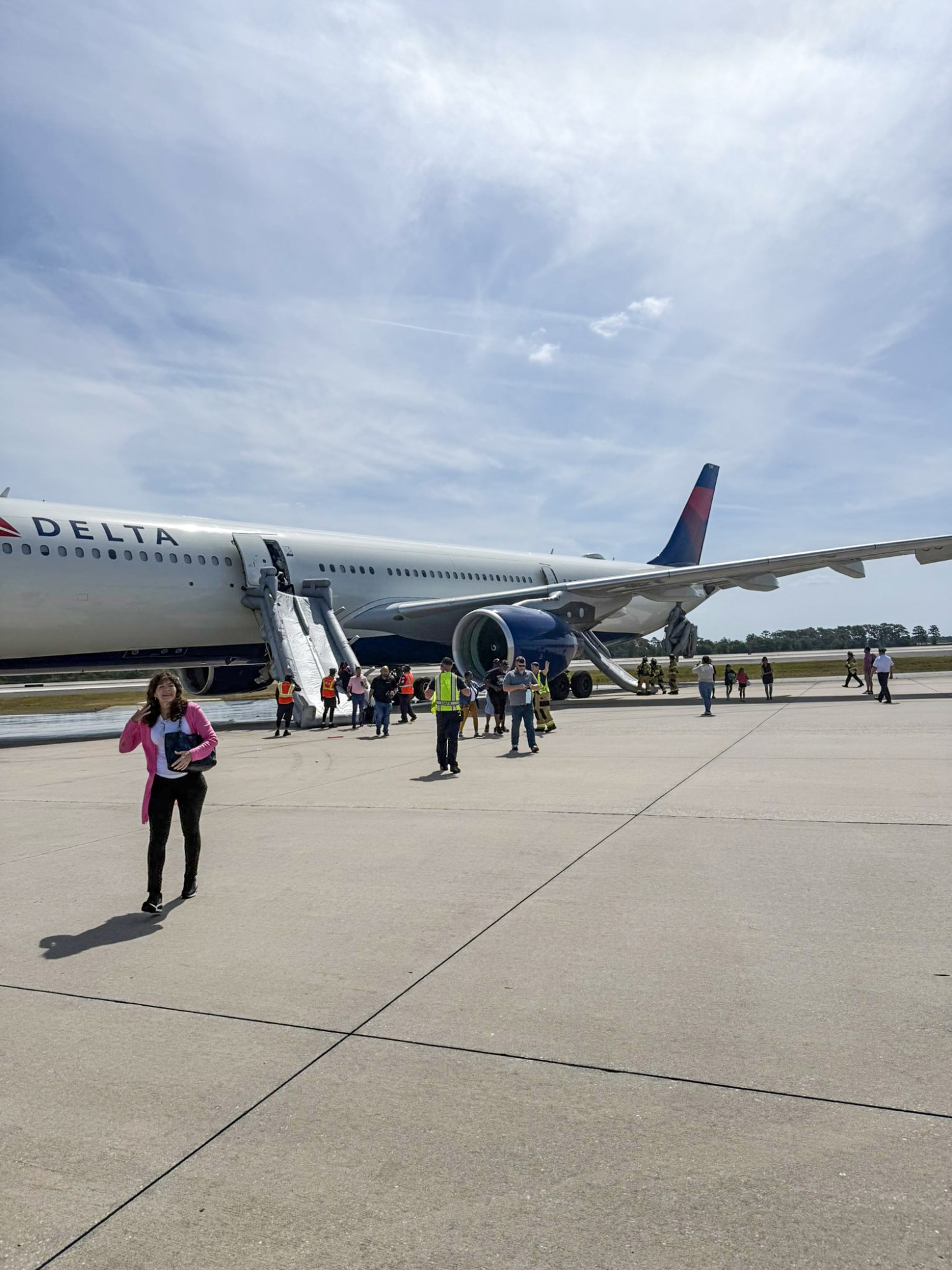
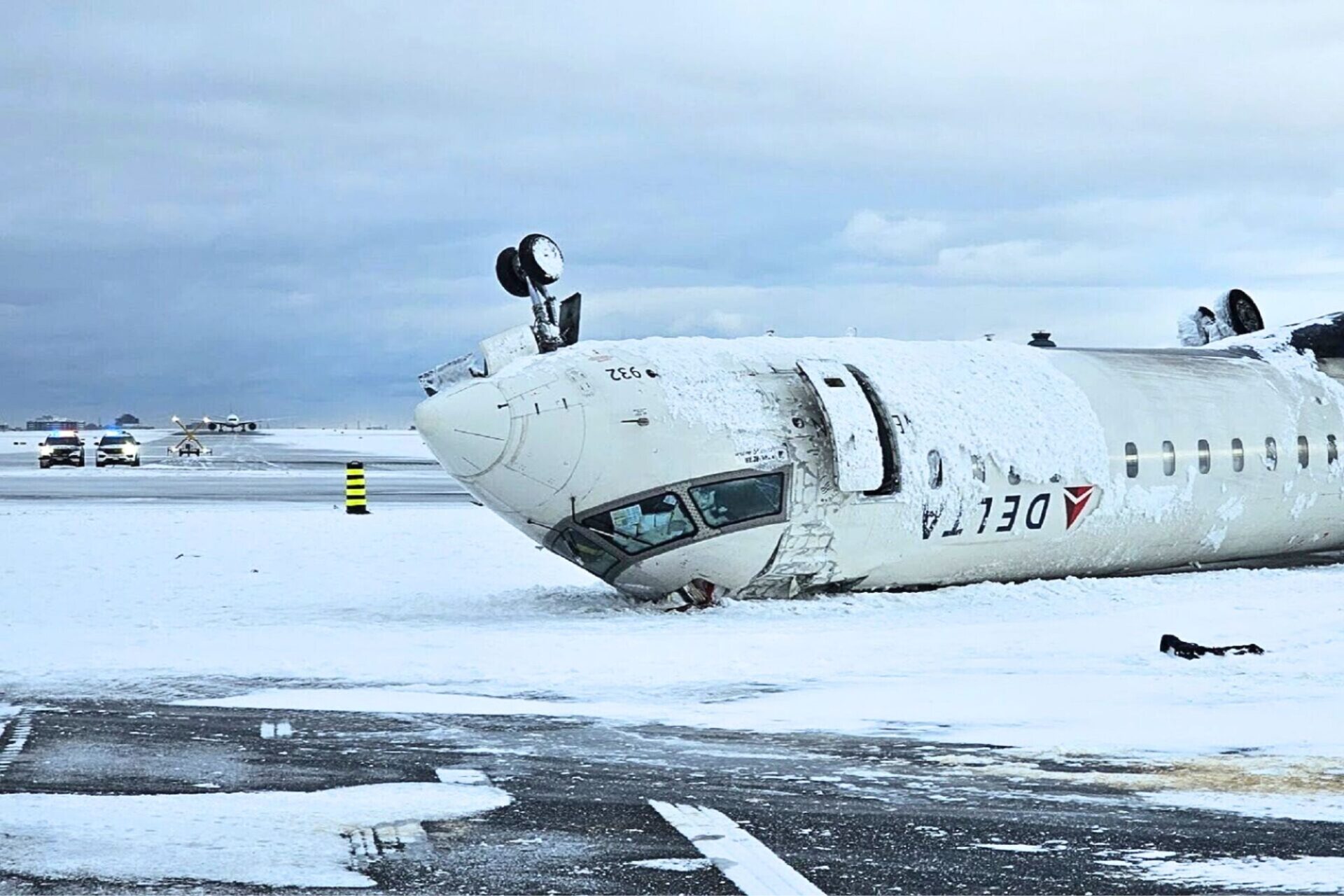
While the search term "Delta flight incident" persists, it is likely a combination of several factors:
- The 2001 Travel Context: Her DUI arrest occurred while she was in Miami, a city she had flown to for vacation. The car she crashed was a rental, which is synonymous with airport travel.
- Anecdotal Interviews: In various talk show appearances (most notably on The Late Show and Conan), Lyonne has joked about her "wild years" where she was a difficult passenger or faced issues with airlines due to her erratic behavior.
- Conflation with Other Celebrities: Several other actresses have had documented incidents on Delta or other major carriers (such as Selma Blair or Tara Reid), and the public consciousness often blends these celebrity "meltdown" stories over time.
In 2026, Natasha Lyonne remains one of the few actors who has been entirely transparent about her past "incidents," including her arrests and health struggles. This transparency has played a major role in her rebranding, as audiences value the authenticity she brings to her roles.
Frequently Asked Questions
Was Natasha Lyonne ever banned from flying on Delta?
There is no official public record or TSA listing that confirms a permanent ban from Delta Air Lines. While Lyonne has discussed being a "handful" during her years of active addiction and has alluded to travel difficulties during that period, the only documented legal incidents involving her and travel involve her 2001 DUI in a rented car.
What were the specific charges in the 2001 Miami incident?
Lyonne was charged with DUI, careless driving, and leaving the scene of an accident. She eventually pleaded guilty to the DUI charge. The "aftermath" of this specific case was resolved through a plea deal that involved probation and community service, rather than jail time.
How did her addiction and legal issues affect her role in American Pie?
Following the first two American Pie films, Lyonne’s presence in the franchise diminished as her personal struggles intensified. While she appeared in American Reunion (2012), her "lost years" (2003–2008) saw her largely absent from major studio sequels, as she was considered "uninsurable" by many production companies at the time.
Did Natasha Lyonne go to prison for her incidents?
No, she did not serve a prison sentence. She was detained following her arrests in 2001 and 2004, but her legal outcomes were primarily focused on probation, court-ordered rehabilitation, and community service. Her most significant "confinement" was her 2005 hospitalization for life-threatening health complications.
How has she addressed these incidents in 2026?
As of 2026, Natasha Lyonne has been sober for many years and frequently speaks about her past with a mix of dark humor and profound insight. She views her past "incidents" as part of a journey that eventually led to her creative peak. She often mentions that she feels she is on her "second or third life."
Practical Takeaway: Lessons in Professional Resilience
The aftermath of the Natasha Lyonne incident is a blueprint for professional redemption. For those researching her history, the key takeaway is not the "incident" itself, but the process of recovery:
- Accountability: Accepting legal and personal responsibility.
- Health Stabilization: Prioritizing physical and mental health over career speed.
- Incremental Rebuilding: Taking smaller roles and theater work to rebuild trust within the industry.
- Creative Transformation: Using past trauma as fuel for high-quality, authentic storytelling.
Lyonne has successfully transitioned from a tabloid fixture to a respected auteur, proving that a high-profile legal or travel incident does not have to be the final chapter of a career.
Image Gallery