What Has Changed in the 36th District Court of Detroit: Operations, Technology, and Procedures
The 36th District Court in Detroit, which serves as the largest district court in Michigan and handles a massive volume of civil, criminal, traffic, and landlord-tenant cases, has undergone significant operational, technological, and p...
The 36th District Court in Detroit, which serves as the largest district court in Michigan and handles a massive volume of civil, criminal, traffic, and landlord-tenant cases, has undergone significant operational, technological, and procedural transformations. These changes span digital case management, virtual hearing protocols, facility safety updates, and shifts in case-processing workflows designed to improve public access, case resolution times, and overall judicial efficiency.
Contents
Navigating a major municipal court system requires an understanding of how local rules, scheduling practices, and technological infrastructure have evolved. Whether you are an attorney, a litigant, a landlord, or a defendant, modernizing court operations changes how you file documents, appear for hearings, and resolve disputes. This comprehensive analysis breaks down the structural, technological, and procedural updates defining the current operational state of the 36th District Court.
The Digital Transformation: E-Filing and Remote Proceedings
One of the most consequential shifts in the 36th District Court involves the widespread adoption of electronic filing (e-filing) and remote video conferencing. These technological integrations have fundamentally altered how the court interacts with the public and legal practitioners, reducing physical foot traffic and accelerating document processing times.
Mandatory Electronic Filing Implementation
The transition from paper-heavy filing systems to digital platforms represents a major leap forward for the 36th District Court. Utilizing centralized statewide e-filing systems managed through approved service providers, attorneys and self-represented litigants can submit civil, landlord-tenant, and misdemeanor documents online.
This digital shift has eliminated many traditional bottlenecks associated with the clerk’s office. Key aspects of the e-filing system include:
- 24/7 Submission Access: Filings can be transmitted outside of standard courthouse operating hours, though processing and docketing occur during official business hours.
- Automated Fee Calculation: Filing fees are calculated and paid securely online via credit card or electronic check, reducing transaction errors.
- Instant Confirmation: Filers receive immediate electronic timestamp confirmation, providing an indisputable record of when a document was submitted to the court.
Evolution of Virtual and Hybrid Hearings
Following systemic changes prompted by public health necessities, the 36th District Court institutionalized remote hearing options for numerous routine dockets. While high-stakes criminal trials and evidentiary hearings typically require in-person attendance, many civil pre-trials, traffic arraignments, and status conferences are conducted via video conferencing platforms such as Zoom.
Litigants utilizing virtual courtrooms must adhere to strict courtroom decorum. The court requires appropriate attire, a stable internet connection, and a quiet environment free from background distractions. Understanding whether a specific judge mandates an in-person appearance or permits a virtual session is critical to avoiding failure-to-appear penalties or default judgments.
Landlord-Tenant and Civil Division Adjustments
As the busiest district court in Michigan, the 36th District Court handles an exceptionally high volume of landlord-tenant disputes and civil claims. Procedural adjustments in these divisions reflect an emphasis on pre-trial mediation, diversion programs, and streamlined docket management.
Diversion and Mediation Programs
To address the backlog of eviction cases and civil disputes, the court heavily integrates mandatory or strongly encouraged mediation frameworks. Before a landlord-tenant case proceeds to a formal courtroom trial before a judge, parties are frequently routed through dispute resolution centers.
These programs aim to broker mutually agreeable payment plans, move-out timelines, or lease modifications without necessitating a formal judgment. The integration of on-site and virtual housing resource coordinators provides litigants with immediate access to emergency rental assistance programs, bridging the gap between judicial proceedings and social service agencies.
Civil Claim Thresholds and Small Claims Procedures
The civil division manages general civil suits up to the statutory district court jurisdictional limit, alongside a dedicated small claims division for disputes involving lower financial stakes. Changes in administrative scheduling have introduced staggered call times for civil dockets, reducing wait times for attorneys and litigants who previously faced hours of waiting in crowded courtrooms.
| Division / Case Type | Primary Filing Method | Typical Appearance Format | Key Resolution Mechanism |
|---|---|---|---|
| Landlord-Tenant | E-Filing / In-Person Clerk | Hybrid (Virtual Pre-Trial / In-Person Trial) | Mandatory Mediation & Rental Assistance Integration |
| General Civil | Statewide E-Filing System | Virtual or In-Person (Judge Dependant) | Case Evaluation, Settlement Conferences, Trial |
| Traffic / Parking | Online Portal / Mail / In-Person | In-Person or Virtual Hearing | Informal Magistrate Hearings / Plea Bargaining |
| Criminal Misdemeanor | Court Records / E-Filing | Primarily In-Person (Arraignments often Virtual) | Pre-Trial Conferences, Plea Agreements, Sentencing |
Criminal and Traffic Division Modernization
Managing traffic tickets, parking violations, misdemeanor charges, and felony arraignments requires streamlined case-flow management. The 36th District Court has modernized how citizens resolve traffic citations and how criminal dockets are scheduled.
Online Traffic Ticket Resolution
Resolving traffic infractions no longer necessarily requires standing in line at the courthouse or mailing checks and ticket copies. The court's online portal allows motorists to look up citations, review penalty schedules, request informal or formal hearings, and pay fines directly.
For many minor civil infractions, defendants can submit admissions of responsibility with explanations online, allowing magistrates to adjudicate the matter without requiring a physical court appearance. This has significantly reduced docket congestion and improved fine collection rates.
Criminal Arraignments and Jail Management
For criminal matters, the 36th District Court conducts video arraignments directly connecting jail facilities with the courtroom. This reduces the logistical burdens and security risks associated with transporting detainees for brief initial appearances. Furthermore, procedural reforms regarding bond evaluations emphasize personal recognizance bonds and non-monetary conditions of release where appropriate, aligning with broader state-level bail reform initiatives.
Courthouse Security, Access, and Facility Protocols
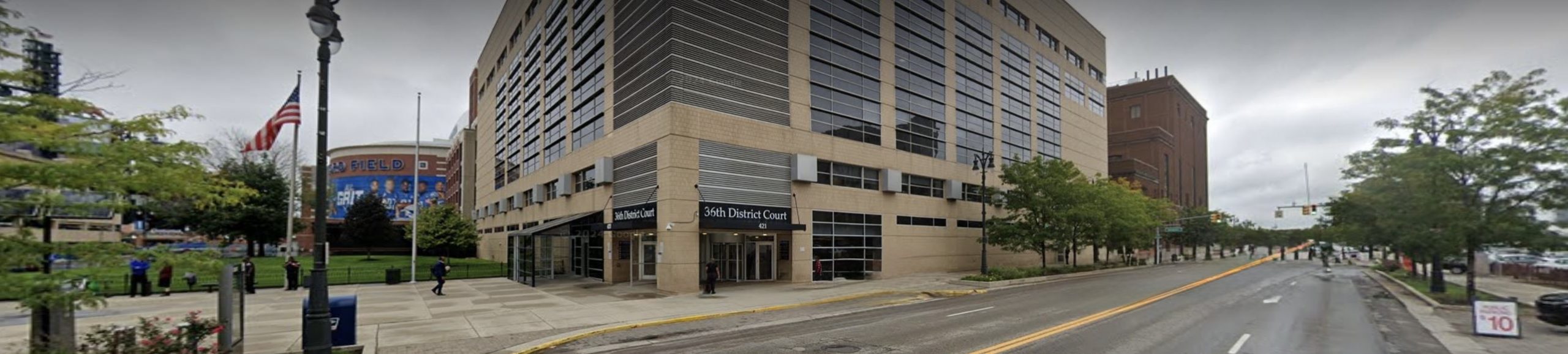
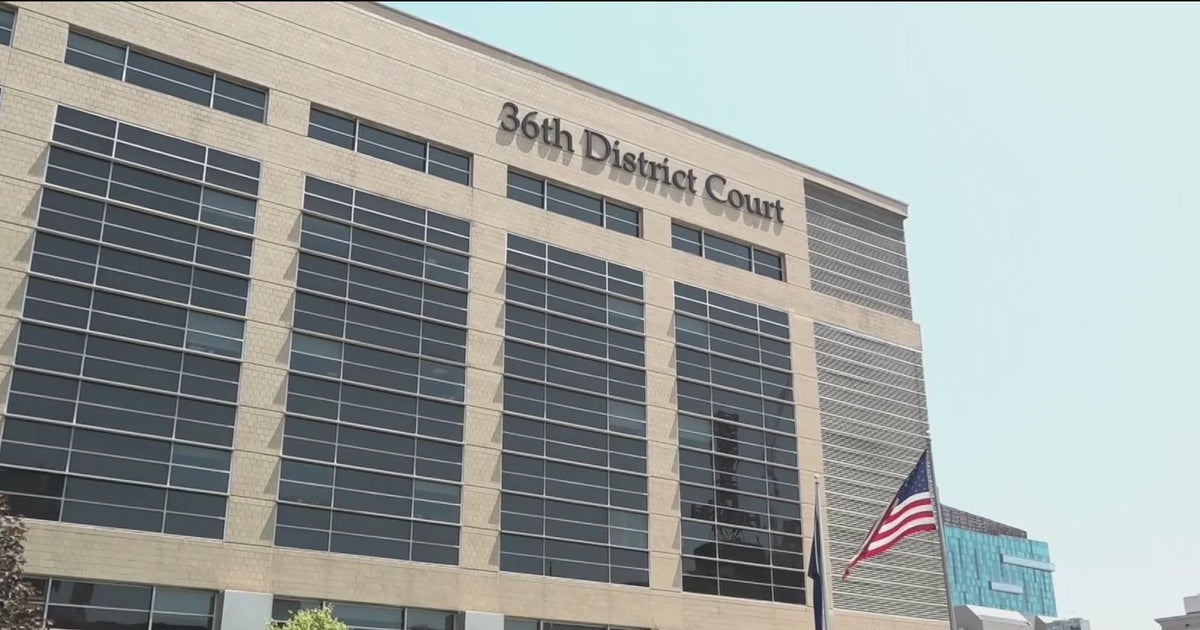
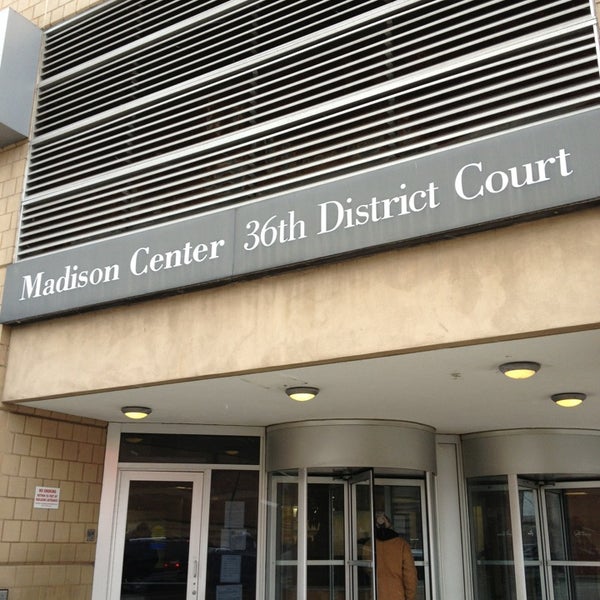
Physical visits to the 36th District Court, located at 2ast Lafayette Boulevard in Detroit, involve strict security protocols and facility management policies designed to protect the public, court staff, and judicial officers.
Security Screening Procedures
All visitors entering the courthouse must pass through security checkpoints equipped with metal detectors and X-ray baggage scanners. Prohibited items include weapons of any kind, sharp objects, recording devices unauthorized by the court, and certain electronic equipment depending on courtroom rules. Arriving early to clear security is essential for anyone scheduled for a morning or afternoon docket.
Public Records Access and Self-Help Centers
Public terminal access is available on-site for individuals seeking to search court records, check case status, or print necessary legal forms. Additionally, the court provides resources for self-represented litigants (pro se parties) to help navigate complex legal procedures. However, court clerks and staff are legally prohibited from providing legal advice, underscoring the importance of consulting qualified legal counsel for substantive strategy.
Common Mistakes to Avoid at the 36th District Court
Navigating a municipal court system with complex rules can lead to costly errors. Litigants and attorneys alike should remain vigilant against common procedural missteps:
- Ignoring Dockets and Deadlines: Missing a virtual or in-person court date frequently results in bench warrants in criminal cases or default judgments in civil and landlord-tenant matters.
- Failing to Verify Appearance Type: Assuming a hearing is virtual when the judge requires an in-person appearance (or vice versa) can disrupt case resolution. Always check the specific judge’s standing orders.
- Improper Document Formatting: Submitting electronic filings that fail to comply with court-mandated redaction rules, file formats, or signature requirements can result in rejected filings and missed deadlines.
- Neglecting Mediation Opportunities: Refusing to participate in court-annexed mediation or diversion programs in civil and housing cases often removes opportunities for favorable, negotiated resolutions.
Frequently Asked Questions
Can I handle my 36th District Court traffic ticket entirely online?
Yes, many minor traffic and parking infractions can be reviewed, contested, or paid through the court's official online portal. However, if your ticket requires a mandatory court appearance, online resolution options may not be available until you speak with a magistrate or judge.
Are all hearings at the 36th District Court conducted over Zoom?
No. While virtual hearings remain common for civil pre-trials, status conferences, and certain traffic matters, many evidentiary hearings, trials, and criminal proceedings require physical, in-person attendance. Check your specific notice or the judge’s individual webpage to confirm formatting requirements.
How do I file an eviction or landlord-tenant case?
Landlord-tenant actions must follow strict statutory notice requirements before filing. Once notices expire, complaints can be submitted electronically through the approved state e-filing system or processed directly through court intake channels following local filing guidelines.
What should I wear if I attend a virtual court session?
Even when appearing remotely via video conferencing, you are attending an official court proceeding. The 36th District Court requires clean, conservative attire appropriate for a formal courtroom setting, along with a quiet, distraction-free environment.
Can court clerks give me legal advice on how to win my case?
No. Court clerks and administrative staff are strictly prohibited by law from providing legal advice, recommending legal strategies, or filling out forms on behalf of litigants. If you need legal guidance, you must consult a licensed attorney or utilize approved legal aid resources.
Conclusion and Next Actions
The 36th District Court has evolved into a more accessible, technologically integrated institution, balancing digital convenience with the rigorous demands of municipal justice. Whether you are paying a traffic fine online, participating in a virtual landlord-tenant pre-trial, or appearing in person for a criminal matter, preparation is paramount.
Your immediate next action should be to verify your exact case details, hearing times, and formatting requirements using the official 36th District Court case lookup tools or your specific scheduling notice. If you face complex legal exposure, consult with a qualified attorney admitted to practice in Michigan courts to protect your rights.
Image Gallery