Navigating Plumbing Services and Infrastructure Requirements in East Hampton
When looking for plumbing contractors like McMahon plumbing in East Hampton, property owners must navigate a unique local landscape defined by historic architecture, strict municipal environmental codes, and seasonal high water tables....
When looking for plumbing contractors like McMahon plumbing in East Hampton, property owners must navigate a unique local landscape defined by historic architecture, strict municipal environmental codes, and seasonal high water tables. Finding reliable plumbing solutions in the town of East Hampton requires an understanding of regional infrastructure challenges, local contractor licensing, and standard project scopes for both residential and commercial properties.
Contents
East Hampton's distinct geographic layout—stretching from the village out through Amagansett, Montauk, and the Wainscott areas—presents specific plumbing demands. Property owners frequently deal with coastal corrosion, high iron and mineral content in local groundwater wells, and sophisticated septic or advanced wastewater treatment systems. Whether a project involves emergency leak detection, routine water heater maintenance, or a comprehensive plumbing overhaul for a historic home, understanding what to look for in a qualified local contractor ensures that projects comply with local codes and maintain property integrity.
Understanding the East Hampton Plumbing Landscape
The Hamptons region features a diverse array of housing stock, ranging from centuries-old historic properties to modern, high-end custom builds. Each architectural era brings distinct plumbing challenges that require specialized knowledge and technical proficiency.
Historic homes, particularly those located within the East Hampton Village historic districts, often feature aging galvanized steel, cast iron, or even lead supply and drain lines. Replacing these legacy systems without damaging historic plaster, framing, or exterior siding demands delicate craftsmanship and specialized routing techniques. Conversely, modern luxury estates often incorporate complex, multi-zone hydronic heating systems, commercial-grade booster pumps, whole-house reverse osmosis water filtration units, and sophisticated smart-home leak detection arrays.
Furthermore, the regional geography dictates unique water infrastructure needs. While certain areas are serviced by municipal water districts such as the Suffolk County Water Authority (SCWA), many properties rely on private deep-water wells. Private wells require specialized pressure tanks, sediment filters, UV sterilization units, and water softeners to manage local iron, manganese, and low-pH (acidic) water conditions.
Key Services Provided by Local Plumbing Professionals
Professional plumbing contractors in the East Hampton area offer a broad spectrum of installation, repair, and maintenance services tailored to local environmental and structural conditions.
Emergency Repairs and Maintenance
Urgent plumbing failures—such as burst frozen pipes during severe winter northeasters, catastrophic water heater tank ruptures, or sudden main sewer line blockages—require rapid response times. Local plumbing professionals typically maintain emergency dispatch services to mitigate extensive water damage, which can quickly compromise building materials and encourage mold growth in humid coastal environments.
Wastewater Management and Septic Integration
Because much of East Hampton is unsewered, residential and commercial plumbing systems tie directly into onsite wastewater treatment systems (OWTS). Plumbers frequently coordinate with sanitary engineers and local excavators to ensure proper fall, venting, and baffle installation. With Suffolk County implementing stricter sanitary codes regarding nitrogen-reducing septic systems, plumbers must understand how interior greywater and blackwater lines interface with advanced treatment units (ATUs).
Water Filtration and Treatment
Due to local soil composition and agricultural history, well water in the Town of East Hampton often contains high levels of dissolved minerals and volatile organic compounds. Plumbers install and service comprehensive filtration infrastructure, including:
- Sediment cartridged filters for particulate removal
- Ion-exchange water softeners to eliminate hardness
- Acid neutralizers to balance low-pH water and protect copper piping from pinhole leaks
- Reverse osmosis systems for purified drinking water
Licensing, Insurance, and Municipal Compliance
Hiring a plumbing contractor in East Hampton requires strict adherence to local licensing and permitting regulations. New York State does not issue a single statewide plumbing license; instead, licensing is managed at the county and local municipal levels.
Contractors operating in East Hampton must hold appropriate licensing issued by the Suffolk County Department of Labor, Licensing and Consumer Affairs. For major plumbing renovations, new construction, or structural alterations, permits must be pulled through the Town of East Hampton Building Department or the local village building departments.
| Requirement Type | Governing Body | Purpose |
|---|---|---|
| Plumbing License | Suffolk County Department of Labor | Ensures the contractor has passed competency exams and maintains trade proficiency. |
| General Liability Insurance | Independent Insurers (Verified by Town) | Protects property owners against accidental property damage during execution. |
| Workers' Compensation | NY State Workers' Compensation Board | Covers contractor personnel in the event of workplace injury on site. |
| Building Permits | Town of East Hampton Building Department | Ensures all installations comply with the New York State Uniform Fire Prevention and Building Code. |
Property owners should routinely request certificates of insurance directly from the provider's insurance carrier and verify licensing numbers through county databases before authorizing any substantial plumbing or mechanical work.
Common Plumbing Challenges in Coastal Environments
Properties situated in coastal zones like East Hampton face accelerated wear and tear on plumbing infrastructure due to environmental factors.
Salt Air and Exterior Corrosion
High atmospheric salinity levels in close proximity to the Atlantic Ocean and local bays cause rapid external corrosion of metal components. Exterior hose bibbs, pressure-reducing valves (PRVs), gas lines, and metallic vent flashings require corrosion-resistant materials, such as marine-grade stainless steel or protected brass alloys, to prevent premature failure.
Seasonal Vacancy and Winterization
Many properties in East Hampton are seasonal second homes. Leaving a structure unoccupied during freezing winter months without proper winterization can lead to catastrophic pipe freezing and bursting. Professional plumbers offer comprehensive winterization protocols, which include shutting off the main water supply, draining all domestic supply lines using compressed air, adding non-toxic antifreeze to fixture traps, and draining water heaters and boiler systems.
High Water Tables and Sump Pump Reliability
Low-lying areas across the South Fork often experience high water tables, particularly during heavy spring rains or coastal storm surges. Sump pumps and sewage ejector pits are critical components of a property's waterproofing and drainage ecosystem. Plumbers routinely install primary submersible pumps alongside battery-backed secondary auxiliary systems to ensure continuous operation during grid power failures.
Cost Factors and Project Estimating
Plumbing service and installation costs in East Hampton typically reflect regional economic factors, including specialized labor rates, travel distances, and the complexity of high-end custom properties.
- Hourly Service Rates: Standard service calls usually involve a diagnostic fee plus an hourly labor rate for licensed journeyman plumbers and apprentices.
- Emergency Callouts: After-hours, weekend, or holiday dispatches carry premium surcharges due to immediate mobilization requirements.
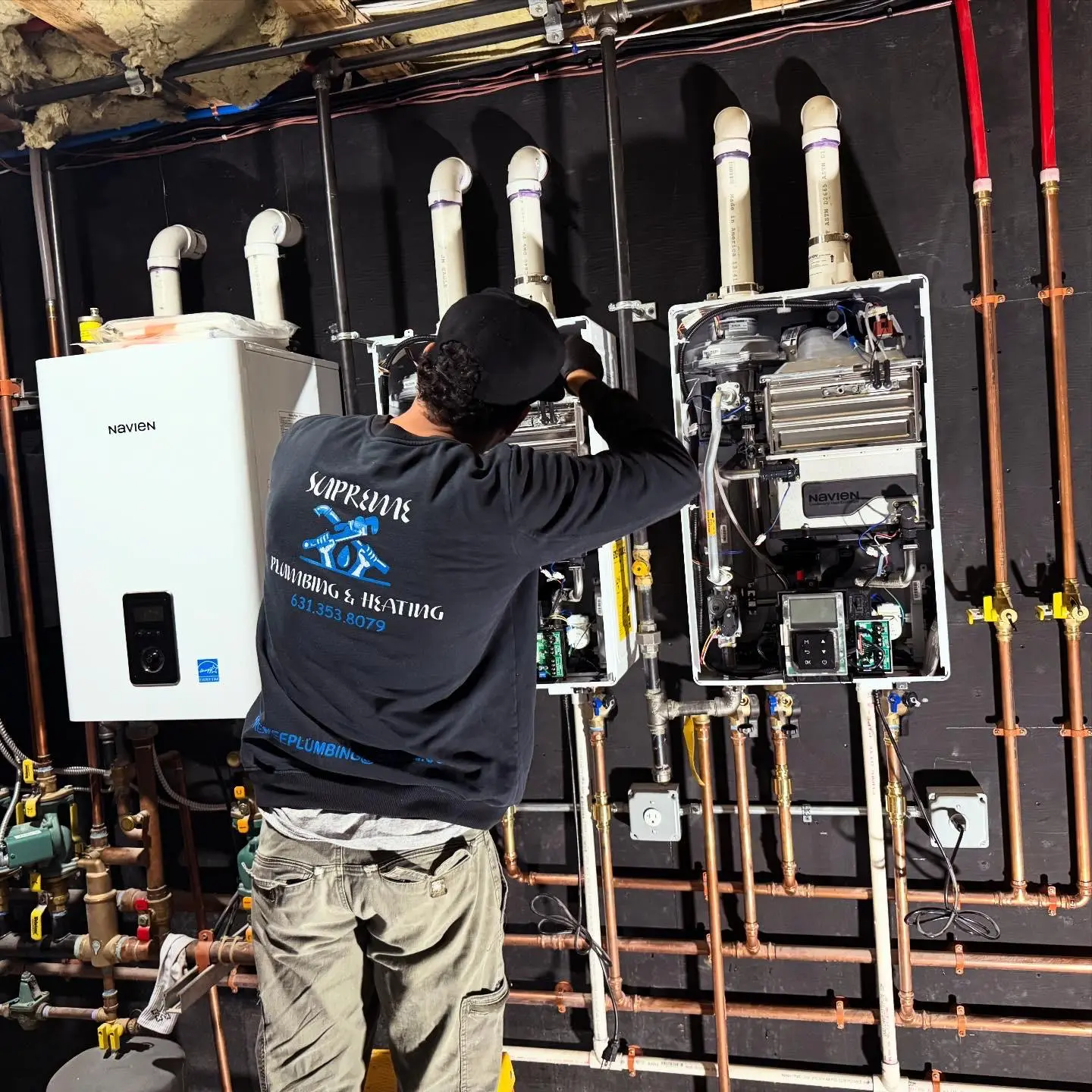
- Material Selection: High-end fixtures (such as wall-mounted Grohe or Dornbracht valves, tankless Navien water heaters, or commercial cast-iron piping) significantly increase material budgets compared to standard residential-grade inventory.
- Accessibility: Working within historic timber framing or confined crawlspaces requires additional labor hours for careful access and restoration.
When soliciting project estimates, property owners should secure itemized bids that explicitly delineate labor hours, specific material brands, permit fees, and warranty terms.
Frequently Asked Questions
Do I need a permit to replace a water heater in East Hampton?
Yes. According to local building codes, replacing a water heater—whether gas, electric, or tankless—requires a plumbing permit and subsequent inspection by the town building department to ensure proper venting, gas line connection, and thermal expansion tank installation.
How often should a private well pump and pressure tank be inspected?
Property owners should schedule an annual inspection of their well pump, pressure switch, and pressure bladder tank. Regular maintenance prevents unexpected pump burnout and ensures proper water pressure throughout the household plumbing network.
What are the signs of pinhole leaks in copper pipes?
Pinhole leaks frequently manifest as unexplained increases in water bills, faint damp spots on drywall or ceilings, low water pressure at specific fixtures, or a continuous ticking sound within walls as warm water expands the pipes.
Why is my well water turning a reddish-brown color?
Reddish-brown water typically indicates oxidized iron or the presence of iron bacteria within the well casing or pressure tank. Installing an appropriate iron filtration or aeration system usually resolves the aesthetic and plumbing staining issues.
Are tankless water heaters suitable for large Hamptons estates?
Yes, but they require careful sizing. Large properties with multiple simultaneous bath draws often require multiple tankless units installed in a cascading manifold configuration to ensure an uninterrupted, high-volume hot water supply.
Next Actions for Property Owners
When addressing plumbing installations, repairs, or upgrades in East Hampton, begin by defining the scope of work and verifying whether local permits are required. Compile a list of licensed, insured local contractors with demonstrable experience handling the specific architectural and environmental demands of the South Fork. Always request written, itemized proposals and verify current licensing credentials with Suffolk County authorities before signing contracts or beginning physical work.
Image Gallery