The Reality of Before and After Extreme Weight Loss: A Comprehensive Guide to Transformation
Extreme weight loss, typically defined as losing 100 pounds or more or exceeding 20% of total body weight, involves a profound systemic transformation of the metabolic, physical, and psychological self. Beyond the visual "before and af...
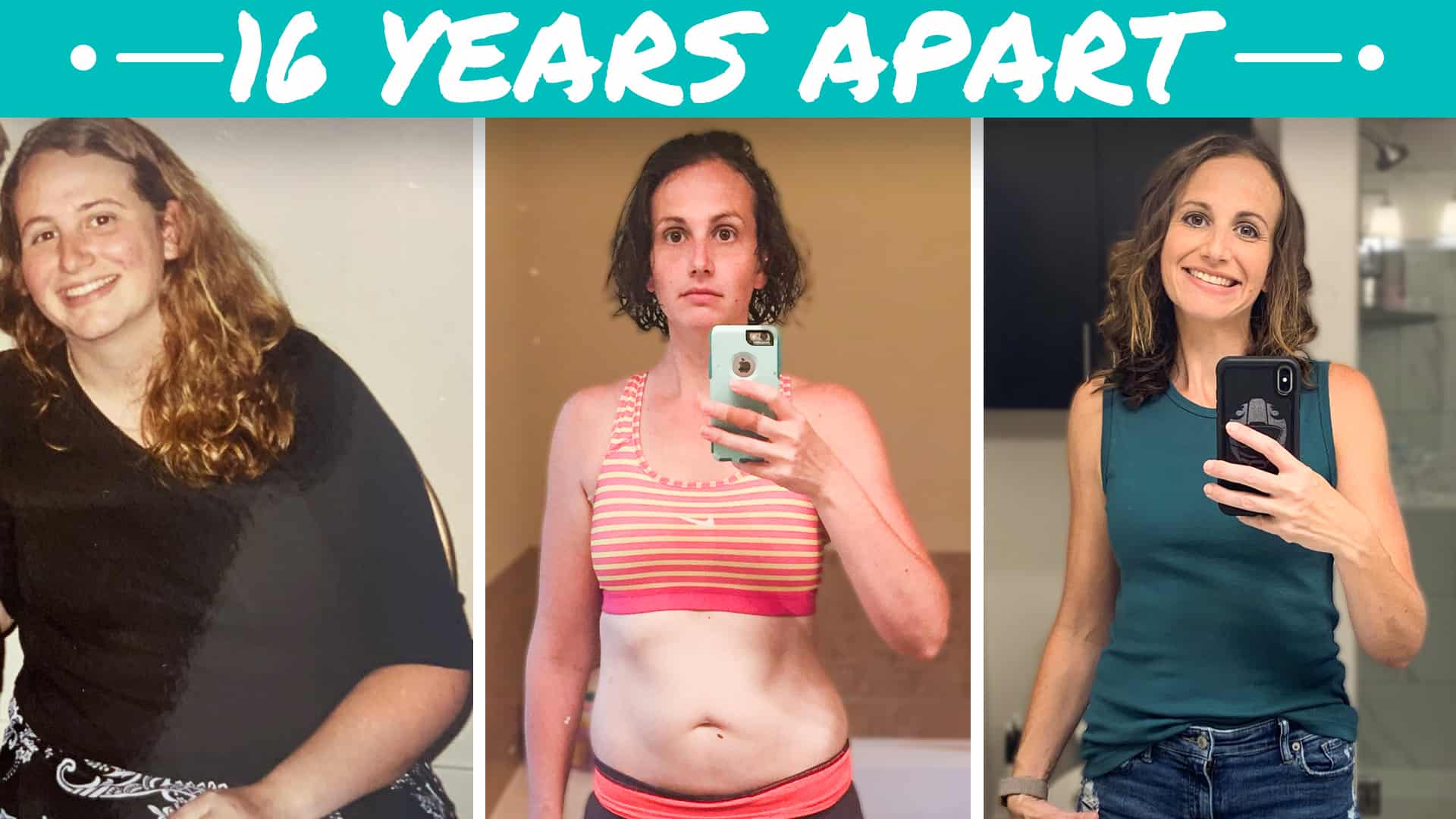
Extreme weight loss, typically defined as losing 100 pounds or more or exceeding 20% of total body weight, involves a profound systemic transformation of the metabolic, physical, and psychological self. Beyond the visual "before and after" photos, the process requires managing metabolic adaptation, skin elasticity challenges, and a significant shift in identity and lifestyle maintenance.
Contents
Medical Disclaimer: The information provided in this article is for educational purposes only and does not constitute medical advice. Consult with a healthcare professional before beginning any extreme weight loss program or considering surgical interventions.
Understanding Extreme Weight Loss: Defining the Journey
The term "extreme weight loss" often evokes images of dramatic visual transformations, but from a clinical perspective, it represents a massive shift in a person's physiological baseline. In 2026, the landscape of weight management has shifted significantly with the integration of advanced GLP-1 and GIP receptor agonists alongside traditional bariatric surgery and lifestyle interventions.
A successful transformation is rarely a straight line. It is a multi-phase process that begins with the resolution of acute health risks and evolves into a lifelong management strategy. For most individuals starting at a high Body Mass Index (BMI), the "before" state is characterized by chronic systemic inflammation, insulin resistance, and mechanical stress on the musculoskeletal system. The "after" state, while significantly healthier, introduces its own set of biological hurdles, including a slower resting metabolic rate and the psychological phenomenon of body dysmorphia.
The Physiological "Before": Health Risks and Metabolic Starting Points
Before embarking on a significant weight loss journey, the body is often in a state of metabolic distress. Obesity is a complex, relapsing chronic disease rather than a simple failure of willpower.
Chronic Inflammation and Comorbidities
High levels of adipose tissue (fat) act as an endocrine organ, secreting pro-inflammatory cytokines. This "before" state is often linked to:
- Type 2 Diabetes: High insulin resistance makes it difficult for the body to regulate glucose.
- Obstructive Sleep Apnea: Excess neck tissue restricts airways during sleep, leading to oxygen desaturation.
- Non-Alcoholic Fatty Liver Disease (NAFLD): Fat accumulation in the liver can lead to scarring and cirrhosis.
- Cardiovascular Strain: The heart must work significantly harder to pump blood through a larger body mass, often leading to hypertension and left ventricular hypertrophy.
The Hormonal Environment
In the "before" phase, hunger hormones are often dysregulated. Leptin, the hormone responsible for signaling satiety, may be high, but the brain often develops "leptin resistance," meaning the individual never feels truly full. Conversely, ghrelin—the hunger hormone—remains elevated, creating a constant biological drive to consume calories.
The "After" Reality: Metabolic Adaptation and the New Normal
One of the most misunderstood aspects of "after" extreme weight loss is that the body does not simply return to a "normal" state. Instead, it enters a state of metabolic adaptation, sometimes referred to as adaptive thermogenesis.
The Metabolic Gap
Research has consistently shown that individuals who have lost a massive amount of weight require fewer calories to maintain that lower weight than someone who was always at that weight. For example, if a person loses 150 pounds to reach 180 pounds, their resting metabolic rate (RMR) may be 15–20% lower than a person who has naturally weighed 180 pounds their entire life.
This "metabolic gap" explains why weight regain is so common. The body perceives extreme weight loss as a period of starvation and responds by:
- Lowering the basal metabolic rate.
- Increasing hunger signals.
- Decreasing spontaneous physical activity (NEAT—Non-Exercise Activity Thermogenesis).
Bone Density and Muscle Mass
Extreme weight loss can lead to a reduction in bone mineral density and the loss of lean muscle mass. In 2026, clinical guidelines emphasize the "preservation of lean mass" through high-protein diets and resistance training. Without these interventions, the "after" version of the body may be thinner but weaker, increasing the risk of frailty later in life.
Managing Skin Laxity and Body Contouring Post-Loss
A major component of the "before and after" experience that is often omitted from social media success stories is excess skin. Skin is a living organ that stretches to accommodate weight gain. When that weight is lost rapidly or in large volumes, the skin’s elastic fibers (elastin and collagen) may be permanently damaged.
The Impact of Excess Skin
Excess skin is not merely a cosmetic concern; it is a functional and medical issue. Large folds of skin (a panniculus) can cause:
- Intertrigo: Chronic skin infections and rashes in the folds.
- Mobility Issues: The weight and swing of excess skin can make exercise painful.
- Psychological Distress: Many individuals feel that their "after" body does not reflect their hard work, leading to clothing fit issues and self-consciousness.
Surgical Interventions
For many, the final stage of an extreme weight loss journey is body contouring surgery. It is generally recommended that patients maintain a stable weight for at least 12 to 18 months before seeking these procedures.
- Panniculectomy: The surgical removal of the "apron" of skin below the belly button. This is often covered by insurance if it causes documented medical issues.
- Abdominoplasty (Tummy Tuck): A cosmetic procedure that removes skin and tightens the underlying abdominal muscles.
- Brachioplasty and Thighplasty: Removal of excess skin from the arms and thighs, respectively.
The Psychological Transition: Body Image and Identity
The "after" of extreme weight loss involves a massive psychological shift. Many individuals struggle with "phantom fat," a phenomenon where they still perceive themselves as their original size. This cognitive dissonance can lead to anxiety in social situations or a persistent fear of regaining weight.
The Shift in Social Dynamics
People often report that the world treats them differently after significant weight loss. This "pretty privilege" or increased social visibility can be jarring and may lead to resentment regarding how they were treated in their "before" state. Navigating these social changes requires significant emotional resilience and, often, professional counseling.
Identity Integration
Integrating the "before" and "after" selves is a critical part of long-term success. Avoiding the "all-or-nothing" mentality is essential. High-performing maintainers often view their weight loss not as a finished project but as a permanent shift in their identity and daily habits.
Comparing Weight Loss Methods: Success Rates and Long-term Outcomes
As of 2026, the methods for achieving extreme weight loss have diverged into three primary categories. Each has distinct "before and after" profiles.
| Method | Typical Weight Loss (%) | Key "Before" Requirement | Long-term "After" Challenge |
|---|---|---|---|
| Lifestyle Intervention | 5–10% | High motivation; moderate BMI | High rate of metabolic adaptation and regain |
| Pharmacotherapy (GLP-1/GIP) | 15–25% | BMI >30 or >27 with comorbidities | Dependency on medication for maintenance |
| Bariatric Surgery (Sleeve/Bypass) | 25–35% | BMI >40 or >35 with comorbidities | Nutrient malabsorption; potential for "transfer addiction" |
| Hybrid (Surgery + Meds) | 30–40%+ | Severe obesity (BMI >50) | Complex medical management and monitoring |
Nutritional and Lifestyle Maintenance Strategies for 2026
The "after" phase is not a destination but a permanent state of management. According to data from the National Weight Control Registry, individuals who successfully maintain extreme weight loss share several common behaviors.
- High Levels of Physical Activity: Most successful maintainers engage in approximately 60 minutes of physical activity daily. This is not just for calorie burning but for metabolic regulation.
- Consistent Tracking: Whether it is tracking macronutrients or regular weigh-ins, "after" success is linked to self-monitoring to catch small gains before they become significant.
- Protein Prioritization: To combat muscle loss and increase satiety, a protein-forward diet (typically 1.2 to 1.5 grams of protein per kilogram of goal body weight) is standard practice in 2026.
- Circadian Rhythm Alignment: New research highlights the importance of meal timing and sleep hygiene in maintaining a new metabolic set point.
FAQ
How long does it typically take to achieve extreme weight loss?
A safe and sustainable rate of weight loss is generally 1 to 2 pounds per week, though this may be higher in the initial stages for those with higher starting weights. Losing 100 pounds typically takes 12 to 24 months. Rapid loss increases the risk of gallstones, electrolyte imbalances, and significant muscle wasting.
Does everyone get loose skin after losing 100 pounds?
While age, genetics, and smoking history play a role, most individuals who lose over 100 pounds will experience some degree of skin laxity. Younger individuals with better skin elasticity may see more "snap back," but significant volume loss almost inevitably results in some redundant tissue.
Can exercise "tone" the skin after extreme weight loss?
Exercise can build muscle to "fill out" some of the space previously occupied by fat, which can improve the appearance of the skin. However, exercise cannot shrink the skin itself once the elastic fibers have been overstretched and damaged. Surgical intervention is the only way to remove significant amounts of excess skin.
What is "transfer addiction" in the context of weight loss?
Transfer addiction occurs when an individual replaces a compulsive relationship with food with another compulsive behavior, such as alcohol use, shopping, or excessive exercise. This is particularly noted in bariatric surgery patients and highlights the need for psychological support throughout the transformation.
Are weight loss medications like Wegovy or Zepbound permanent?
In 2026, clinical consensus suggests that for many individuals who achieve extreme weight loss via GLP-1 medications, a maintenance dose may be required long-term. Clinical trials indicate that many patients regain a significant portion of the weight if the medication is discontinued without a robust lifestyle and metabolic transition plan.
Practical Recommendation for Next Actions
If you are at the "before" stage of an extreme weight loss journey, your first step should be a comprehensive metabolic screening. This includes a full blood panel (HbA1c, lipid profile, liver enzymes) and a body composition analysis (such as a DEXA scan) to establish a baseline of muscle vs. fat mass.
Avoid the "sprint" mentality. Focus on a "protein-first" nutritional approach and begin a low-impact resistance training program immediately to protect your metabolic rate. Finally, secure a support system—whether through medical professionals, therapists, or community groups—as the psychological transition is often more taxing than the physical one.
Image Gallery