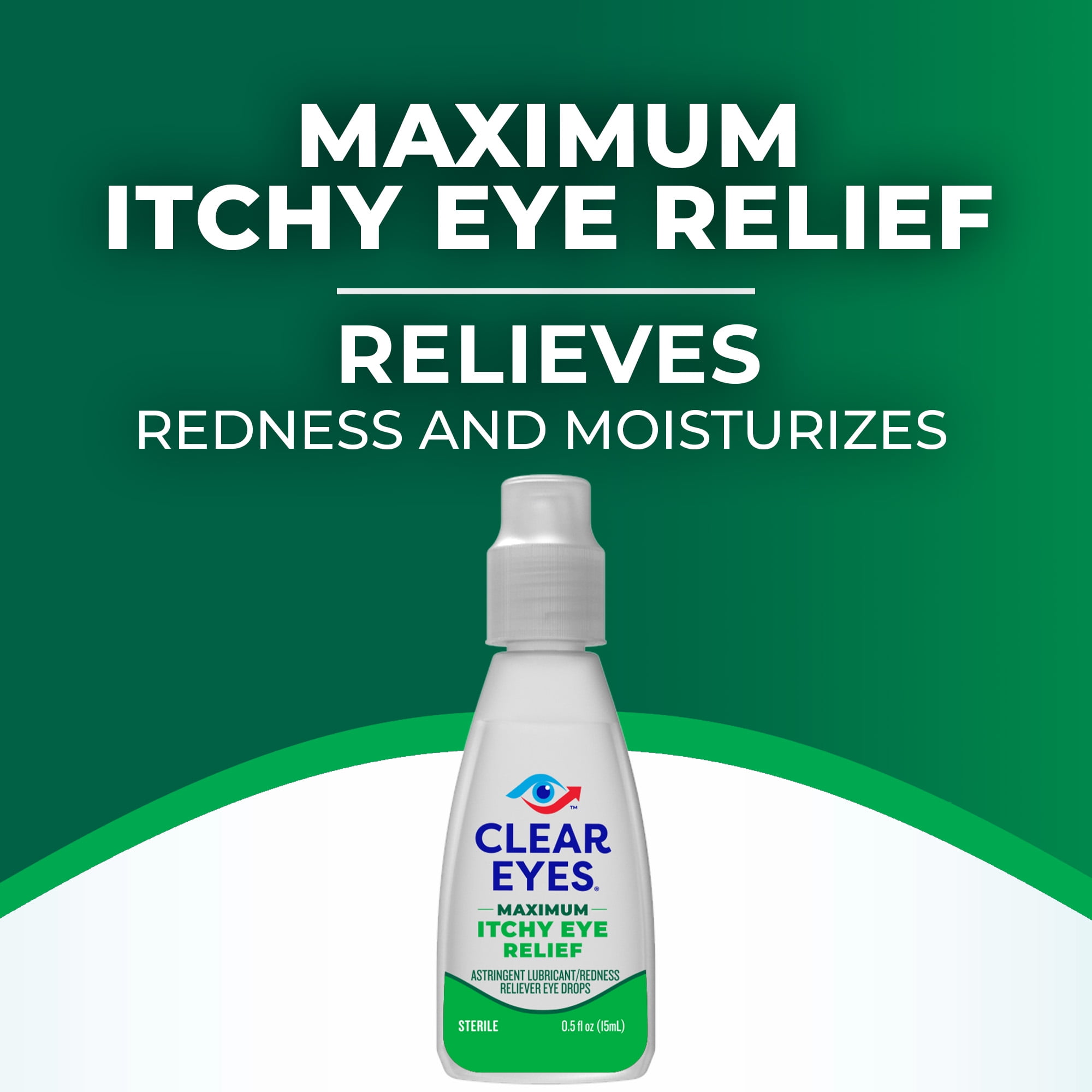
Effective Strategies for Finding Dry Itchy Eyes Relief
Finding dry itchy eyes relief requires a combination of identifying the underlying cause, implementing consistent environmental modifications, and selecting appropriate therapeutic agents. Most mild cases of ocular irritation respond w...
Finding dry itchy eyes relief requires a combination of identifying the underlying cause, implementing consistent environmental modifications, and selecting appropriate therapeutic agents. Most mild cases of ocular irritation respond well to a structured routine of artificial tears, eyelid hygiene, and controlled exposure to environmental moisture, though persistent symptoms necessitate a professional diagnostic evaluation to rule out conditions like Meibomian Gland Dysfunction (MGD) or chronic blepharitis.
Contents
Understanding the Causes of Dry and Itchy Eyes
Dry, itchy eyes occur when the ocular surface lacks adequate lubrication or when the inflammatory response is triggered by allergens or chronic irritation. To find effective relief, it is essential to distinguish between simple dryness and allergic conjunctivitis.
Dry eye syndrome, often termed keratoconjunctivitis sicca, typically stems from one of two primary mechanical failures: inadequate tear production or excessive tear evaporation. When the lipid layer—the oily coating that prevents tears from drying out—is insufficient, the aqueous component of your tears evaporates too quickly. This leads to the characteristic "gritty" feeling. Conversely, itching is frequently the hallmark symptom of an allergic response. When the eyes encounter common triggers like pollen, pet dander, or dust mites, the body releases histamine, which causes localized inflammation, redness, and the intense urge to rub the eyes.
It is critical to note that ocular symptoms can also be influenced by systemic factors. Screen usage, known as Computer Vision Syndrome, decreases blink rates, further exacerbating dryness. Medications, including antihistamines, antidepressants, and blood pressure pills, may also carry side effects that reduce ocular moisture.
Establishing a Daily Relief Protocol
Managing ocular discomfort is most successful when you treat it as a consistent hygiene practice rather than an occasional remedy. The goal is to stabilize the tear film and mitigate external irritants.
1. Artificial Tears and Lubricants
Not all eye drops are created equal. For dry eyes, look for "artificial tears" rather than products marketed as "redness relief." Drops designed to remove redness often contain vasoconstrictors that can cause rebound congestion if used beyond the manufacturer’s short-term recommendations. Preservative-free single-use vials are generally preferred for users who need to apply drops more than four times a day, as preservatives in multi-dose bottles can sometimes irritate sensitive surfaces.
2. Warm Compresses and Eyelid Hygiene
If the cause of your discomfort is related to Meibomian Gland Dysfunction, the oil glands in your eyelids may be clogged. A warm compress—applied at approximately 40°C (104°F) for 10 minutes—can liquefy the stagnant oil in these glands. Following this with a gentle eyelid scrub using a commercial eyelid cleanser or a diluted solution of mild baby shampoo can help remove debris and bacteria that contribute to inflammation.
3. Environmental Optimization
The quality of the air you inhabit significantly influences tear evaporation. In 2026, air purification systems with HEPA filtration are standard recommendations for reducing the load of environmental allergens. Additionally, placing a humidifier in your primary workspace or bedroom during the winter months can prevent the ambient humidity from stripping moisture from your tear film.
Comparison of Ocular Relief Methods
| Method | Primary Purpose | Best For | Frequency |
|---|---|---|---|
| Artificial Tears | Lubrication | General Dryness | 2–6 times daily |
| Warm Compress | Gland Unclogging | MGD / Stagnant Oils | 1–2 times daily |
| Eyelid Cleansers | Debris Removal | Blepharitis / Crusting | Once daily |
| Antihistamine Drops | Histamine Blocking | Allergic Itching | As needed (per label) |
| Humidifier | Environmental | Low Humidity | Continuous use |
The Role of Professional Medical Intervention
While self-care is effective for episodic irritation, certain symptoms require the attention of an optometrist or ophthalmologist. Persistent dryness can lead to corneal abrasions or infections if left unmanaged.
A professional evaluation will typically involve a slit-lamp examination to assess the tear film break-up time (TBUT) and the health of the eyelid margins. If standard over-the-counter interventions fail, your doctor may prescribe anti-inflammatory medications, such as topical cyclosporine or lifitegrast, which address the underlying inflammation rather than just the symptoms. In more severe cases, clinical procedures such as manual gland expression or the use of punctal plugs—tiny devices that block the tear drainage ducts to keep moisture on the eye—may be required.
Always consult a healthcare professional if you experience sudden vision changes, severe pain, light sensitivity, or thick discharge, as these can be indicators of more serious ocular diseases.
Common Mistakes in Managing Eye Relief
Patients often inadvertently worsen their eye conditions through common errors. One of the most frequent mistakes is aggressive eye rubbing. While it provides temporary sensory relief, rubbing can cause physical damage to the cornea, potentially leading to conditions like keratoconus, and can force allergens deeper into the ocular tissue.
Another common pitfall is the reliance on expired or contaminated products. Once a multi-dose bottle of eye drops is opened, it generally has a lifespan of 28 to 30 days. Continuing to use these after the expiration date poses a risk of introducing microbial contaminants directly into the eye. Always note the "opened date" on the bottle and replace your supplies accordingly. Finally, avoid using tap water or homemade saline solutions to rinse your eyes, as these are not sterile and can introduce dangerous pathogens, including Acanthamoeba.
Frequently Asked Questions
Are there specific diet changes that help with dry eyes? Diets rich in Omega-3 fatty acids, specifically EPA and DHA found in fish oil, have been shown to improve the quality of the oils secreted by Meibomian glands. Incorporating salmon, flaxseeds, or high-quality supplements may offer long-term support for ocular surface health.
How do I know if my eyes are dry or just allergic? Dry eyes usually feel "scratchy," "sandy," or "burning" and often worsen as the day progresses. Allergic eyes are characterized by intense itching, tearing, and usually present with swollen or puffy eyelids. These conditions can co-exist, which often complicates the treatment approach.
Can I wear contact lenses while dealing with dry, itchy eyes? It is generally recommended to discontinue contact lens wear during acute flare-ups. Lenses can trap allergens against the cornea and may absorb components of eye drops, leading to lens discoloration or surface protein buildup. Switch to glasses until the surface of the eye has stabilized.
Why do my eyes feel worse when using a computer? The blink rate significantly decreases when staring at digital screens. A normal human blink rate is about 15–20 times per minute, but this can drop by half during intensive screen use. This leads to increased evaporation of the tear film. Consciously practicing "blink exercises" during screen time can help.
Is it safe to use cooling masks for itchy eyes? Yes. While warm compresses are for dryness related to oil glands, cool compresses can provide immediate, safe relief for the intense itching associated with allergies. The cold temperature helps constrict blood vessels and reduces the inflammatory response.
Next Actionable Steps
To begin your journey toward relief, start by auditing your environment and current habits. Identify if your symptoms are triggered by specific allergens or periods of high screen usage. If you have been using a bottle of eye drops for more than one month, discard it immediately. Implement a warm compress regimen tonight, and monitor your symptoms for one week. If you observe no improvement, or if you experience pain or vision blurring, schedule an appointment with your eye care provider to determine if you require specialized prescription-strength treatment.
Image Gallery