The Sport of Archery Revealed: Understanding Mechanics, Equipment, and Competition
Archery is a precision discipline blending physical strength, rigorous biomechanics, and deep mental focus, where competitors use a bow to propel arrows toward a targeted mark. By examining its core mechanics, gear variations, and mode...
Archery is a precision discipline blending physical strength, rigorous biomechanics, and deep mental focus, where competitors use a bow to propel arrows toward a targeted mark. By examining its core mechanics, gear variations, and modern competitive structures, participants and enthusiasts can master the fundamental standards that govern this historic pursuit.
Contents
The Historical Evolution and Modern Renaissance of Archery
Archery stands as one of the oldest human skills still practiced today as both a recreational pursuit and an elite competitive sport. Originally developed tens of thousands of years ago for hunting and warfare, the craft underwent a profound transformation during the modern era. The introduction of firearms gradually rendered the bow obsolete on the battlefield, shifting its primary application toward recreation, sport, and pageantry.
In the late 20th and early 21st centuries, the discipline experienced a significant technical renaissance. The invention of the compound bow in the 1960s introduced advanced leverage systems, pulleys, and cables, drastically altering how force is generated and stored. Meanwhile, traditional recurve archery saw continuous refinements in metallurgy, carbon-fiber manufacturing, and aerodynamic engineering. Today, the activity is governed internationally by World Archery, an organization that oversees global championships and standardizes the rules for Olympic and Paralympic competition.
Decoding the Equipment: Bow Types and Gear Anatomy
Choosing the correct equipment is the foundational step for any archer. Modern archery primarily revolves around three distinct bow categories, each utilizing unique physics to store and release energy.
Recurve Bows
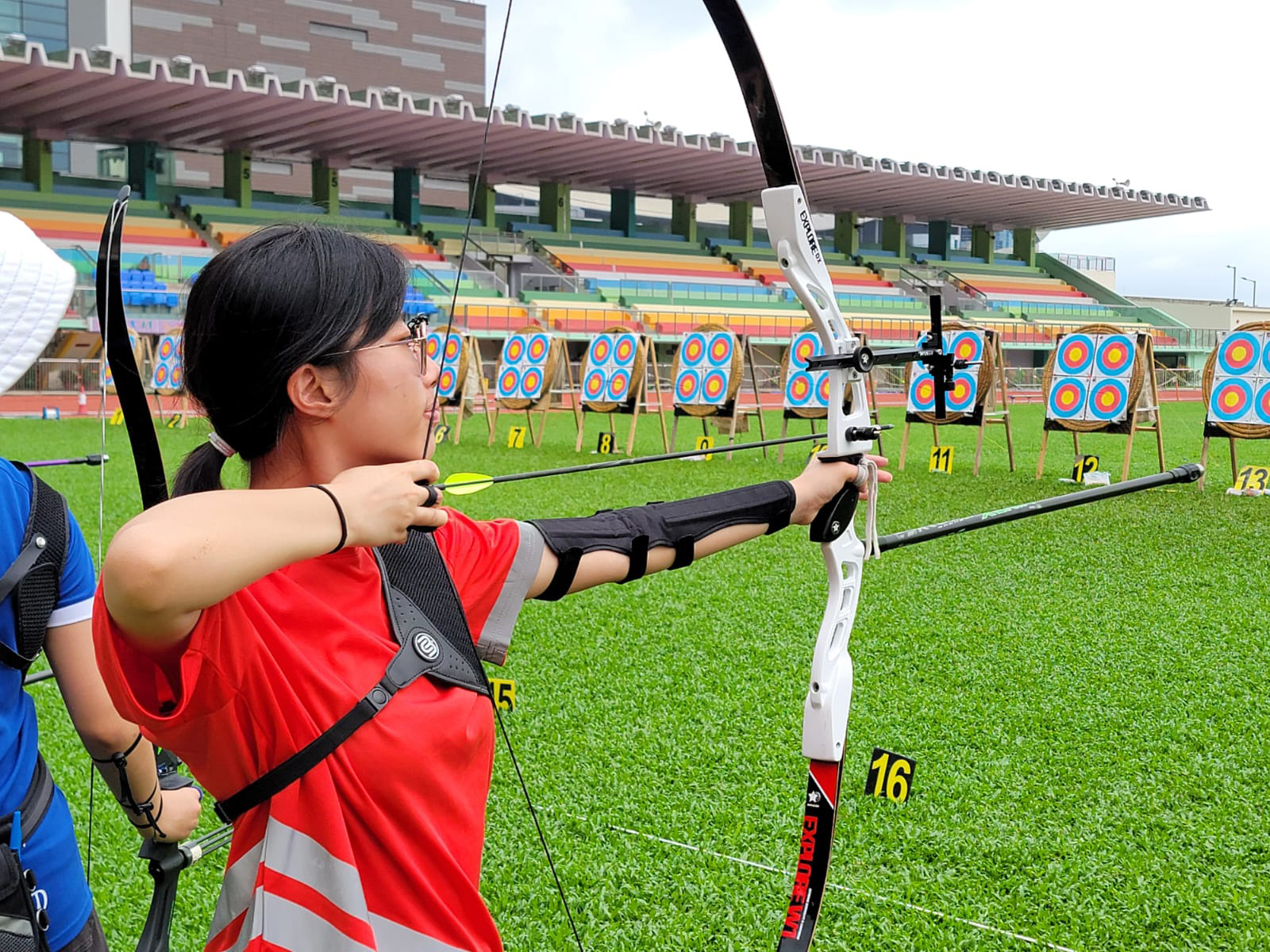
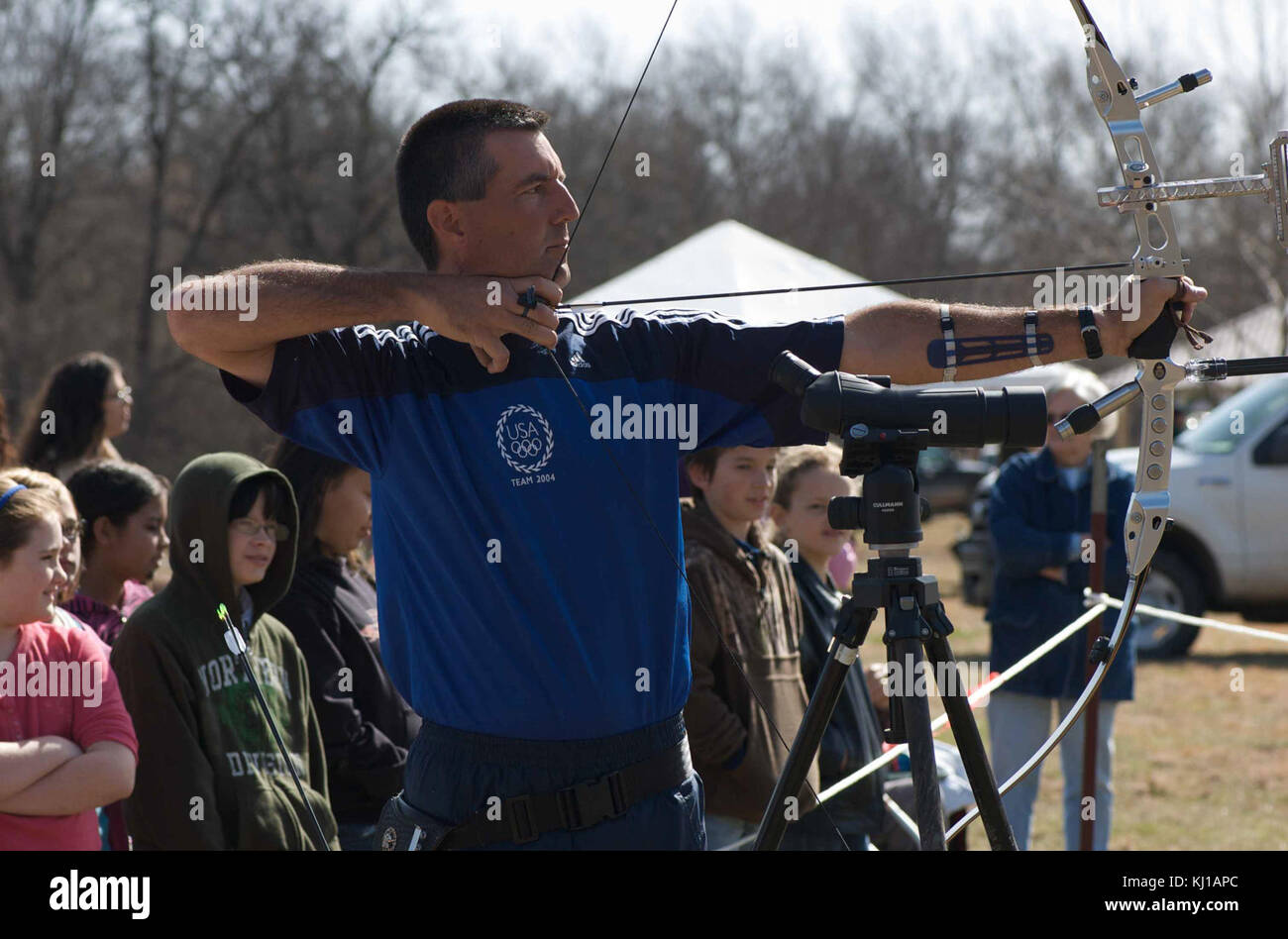
The recurve bow is instantly recognizable by its limbs, which curve away from the archer at the tips. This design stores more energy and delivers greater efficiency than a straight-limbed bow of the same draw weight. Recurve bows are the only style permitted in the Olympic archery program. They require significant physical stamina because the archer must hold the full draw weight at full anchor.
Compound Bows
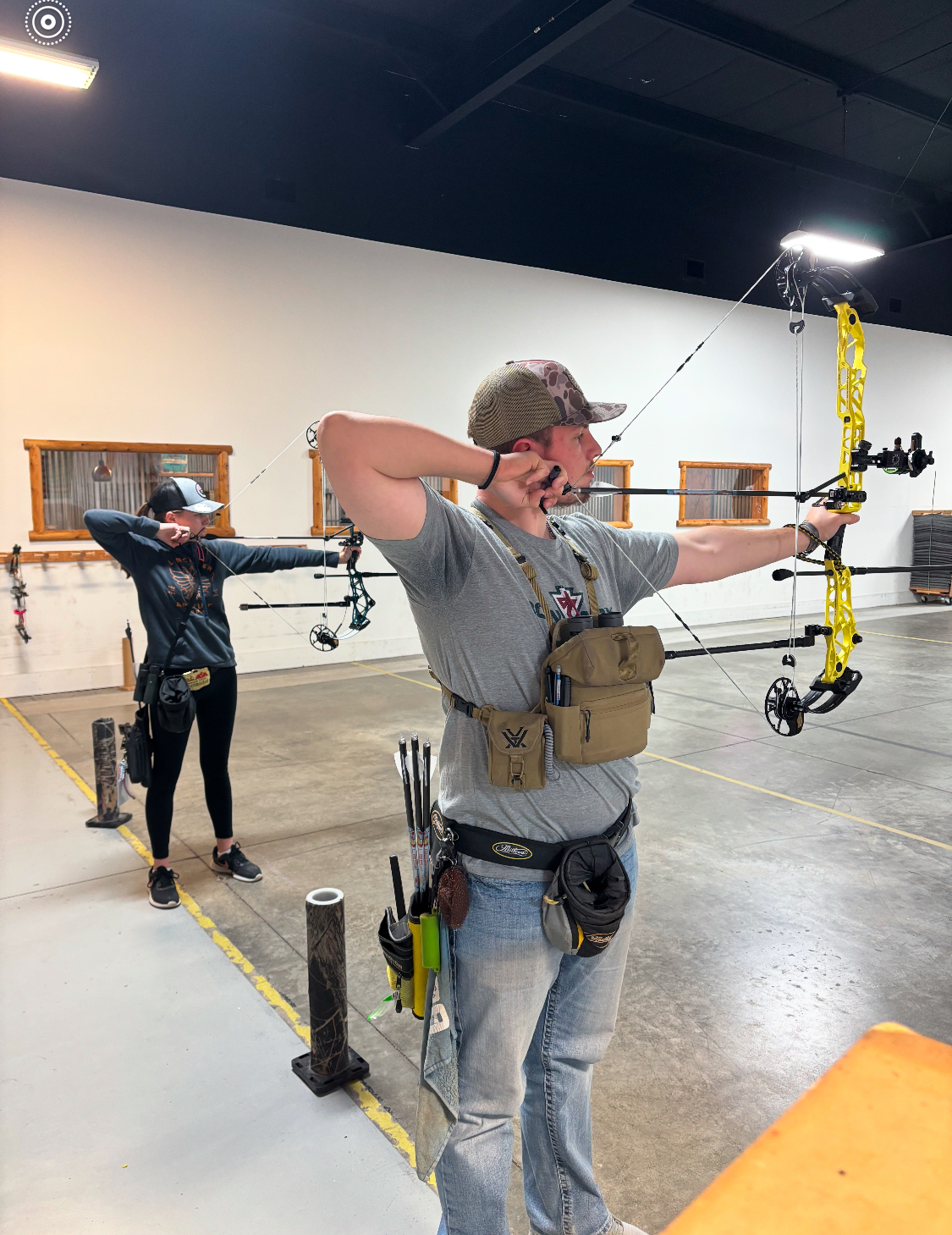
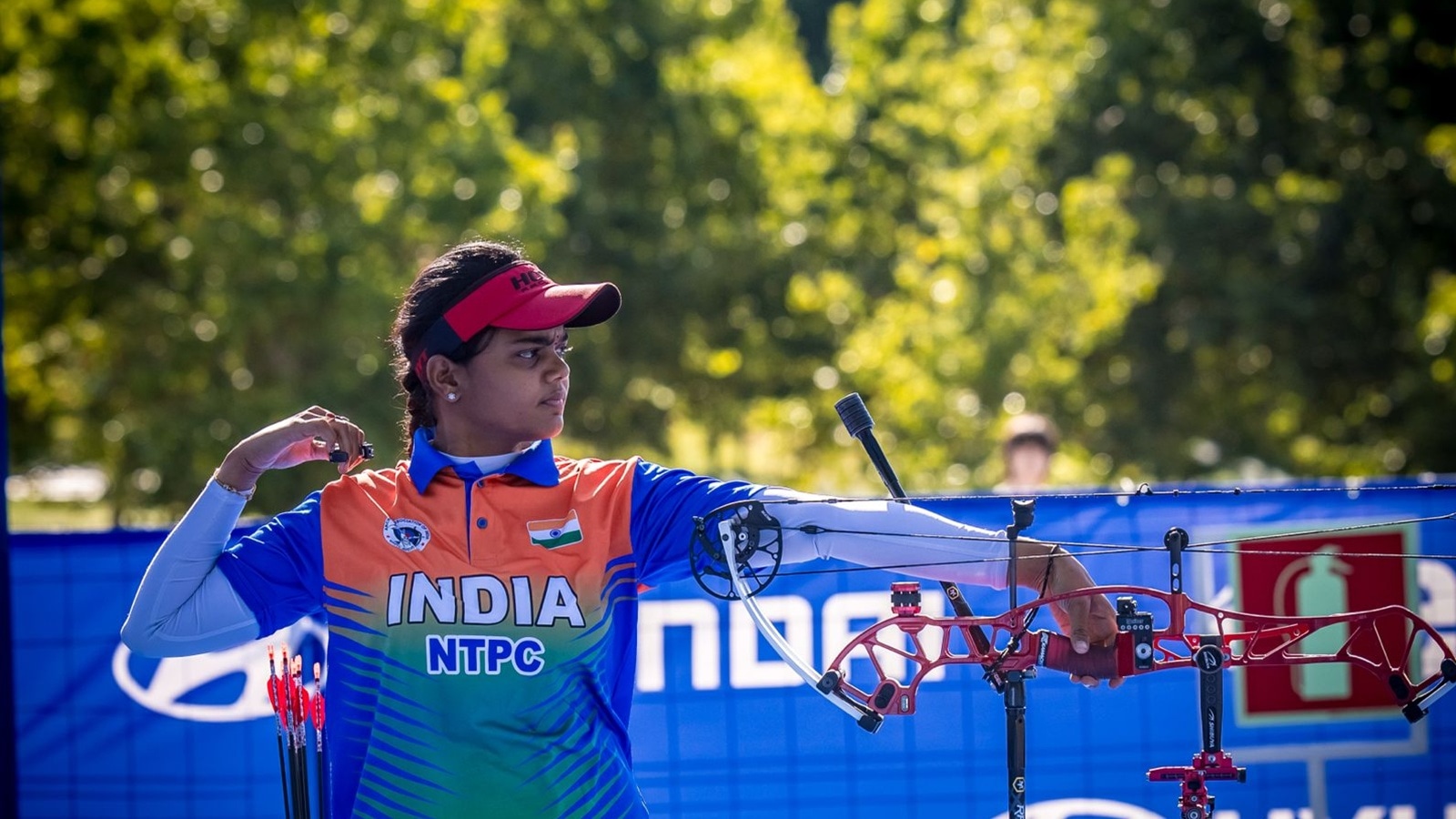
Compound bows utilize a system of cams (wheels or pulleys) and cables at the limbs' tips. When the archer draws the bow, the mechanical advantage of the cams reduces the holding weight significantly—often by 70% to 80%—at full draw. This "let-off" allows archers to hold a heavy draw weight with minimal strain, resulting in exceptional accuracy over extended distances.
Traditional Bows (Longbows and Barebows)
Traditional bows include longbows and barebows, which lack sights, stabilizers, and mechanical aids. Archers shooting these styles rely entirely on instinct, muscle memory, and gap-shooting techniques. This category honors historical craftsmanship, often utilizing natural woods, fiberglass laminates, and simple leather grips.
| Bow Type | Primary Characteristic | Sights & Stabilization | Olympic Eligibility |
|---|---|---|---|
| Recurve | Limbs curve away at tips; linear draw weight increase. | Permitted (advanced rigs); used for aiming. | Yes (Exclusive style for Olympic competition) |
| Compound | Uses cams and cables; features significant let-off at full draw. | Permitted (magnified scopes and advanced levels). | No (Featured in World Games and World Archery Championships) |
| Traditional (Longbow/Barebow) | Simple, unassisted riser and limb construction. | Prohibited (must rely on instinctive aiming). | Barebow featured in regional/continental events; longbow in field archery |
Biomechanics and Technique: The Core Pillars of Shooting Form
Executing a precise shot requires absolute consistency in human biomechanics. Even minor variations in posture or release can throw an arrow off course by several inches over a long distance.
Stance and Alignment
An archer begins with a stable, repeatable stance. The standard open or square stance aligns the shooter's feet perpendicularly or at a slight angle to the target line. The body must remain upright, with the spine neutral and the core engaged to prevent swaying. Proper skeletal alignment ensures that the structural bones—rather than just fatigued muscles—support the heavy draw weight of the bow.
The Draw and Anchor Point
Drawing the bow requires pulling the string back in a smooth, fluid motion using the back muscles rather than just the arms and shoulders. The archer draws the string to a consistent reference point on the face, known as the anchor point. This might be the corner of the mouth or the chin, ensuring the eye aligns properly with the string and target.
The Release and Follow-Through
A clean release is achieved by relaxing the drawing fingers simultaneously or triggering a mechanical release aid smoothly. The drawing hand should move naturally backward along the neck during the follow-through, while the bow arm remains steady until the arrow strikes the target.
Competitive Formats and Tournament Structures
Archery competitions are categorized by target types, distances, and environmental conditions. Understanding these formats helps competitors choose the appropriate gear and training regimens.
Target Archery
Target archery is the most widely recognized discipline, featuring flat, stationary paper faces marked with concentric colored rings. The standard outdoor Olympic distance for recurve archers is 70 meters, shooting at a target face measuring 122 centimeters in diameter. The scoring system awards points from 10 down to 1, depending on which ring the arrow penetrates.
Field Archery
Field archery takes participants off flat ranges and into rough, wooded terrain. Targets are set at varying, often unknown, distances across hills, valleys, and uneven ground. This format tests an archer’s ability to estimate distances, adjust for elevation changes, and read tricky lighting and wind conditions.
3D Archery
In 3D archery, participants shoot at life-sized, three-dimensional foam models of animals—such as deer, bears, and turkeys—placed along a woodland trail. Each animal target features scoring rings etched into the foam that correspond to vital organ placement, making 3D archery popular among hunters looking to hone their field skills during the off-season.
Safety Protocols and Range Etiquette
Safety is paramount in archery due to the high kinetic energy and penetrating power of modern arrows. Every range, whether indoor or outdoor, enforces strict operational rules to prevent accidents.
- Cease-Fire Commands: All participants must stop shooting immediately upon hearing a whistle blast or a verbal "cease" or "stop" command from the range captain.
- Arrow Nocking Restrictions: Archers must never nock an arrow or draw a bow unless facing directly downrange toward the targets. Dry-firing—releasing a bowstring without an arrow loaded—is strictly forbidden, as it can shatter limbs and cause severe injury.
- Retrieval Safety: No one may cross the shooting line to retrieve arrows until all archers have finished shooting and a designated all-clear signal is given.
Frequently Asked Questions
What is the difference between recurve and compound bows?
Recurve bows store energy through curved limb tips and require the archer to hold the full draw weight at full extension. Compound bows use a system of cams and cables to provide a mechanical advantage, reducing the holding weight significantly at full draw and allowing for greater kinetic energy storage and precision optics.
Can beginners start with any type of bow?
Yes, beginners can start with any bow type, but coaches generally recommend starting with an entry-level recurve or a light-draw compound bow. This allows new participants to develop proper form, shoulder stability, and alignment without compensating for heavy mechanical let-offs.
How is scoring calculated on a standard target?
A standard World Archery target face features 10 concentric rings divided into five distinct color zones: white, black, blue, red, and gold. The outermost white ring scores 1 point, scaling up to 10 points for the innermost gold ring. An arrow touching a dividing line receives the higher of the two point values.
What physical muscles are primarily used in archery?
Archery heavily engages the upper back muscles, particularly the rhomboids, latissimus dorsi, and posterior deltoids. Core abdominal muscles and leg stability are also crucial for maintaining a steady posture throughout the drawing and aiming sequence.
Is archery an Olympic sport?
Yes, target archery has been a staple of the modern Olympic Games since its re-introduction in 1972 at the Munich Olympics. It features individual and team medal events for both men and women using recurve bows under standardized outdoor conditions.
Next Steps for Aspiring Archers
To begin your journey in the sport, locate a certified local archery club or range that offers introductory equipment rentals and beginner coaching. Working with a coach during your first few sessions ensures you build safe habits, proper alignment, and clean mechanical form from the start.
Image Gallery