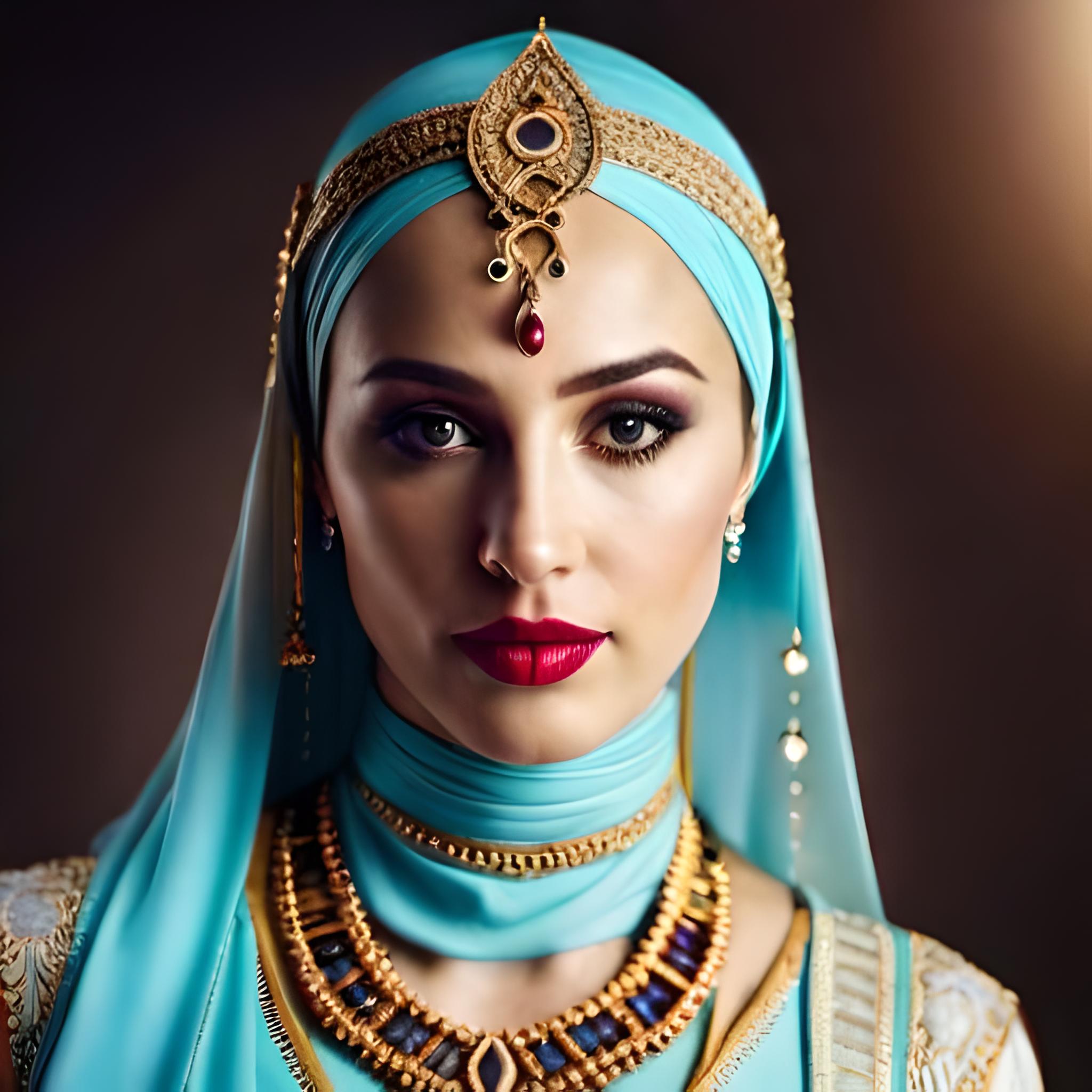
Arab Princesses: Evolution, Influence, and Modern Leadership in 2026
Arab princesses are influential members of royal dynasties across the Middle East, particularly within the Gulf Cooperation Council (GCC) states. Far from the narrow stereotypes of the past, these women currently serve as diplomats, en...
Arab princesses are influential members of royal dynasties across the Middle East, particularly within the Gulf Cooperation Council (GCC) states. Far from the narrow stereotypes of the past, these women currently serve as diplomats, entrepreneurs, cultural ambassadors, and advocates for social reform, utilizing their platforms to drive national development and international cooperation.
Contents
The concept of the "Arab princess" has undergone a radical transformation over the last decade. As of 2026, the narrative surrounding royal women in the Arab world has shifted from one of private luxury to one of public service and strategic influence. This evolution is not uniform across the region; it is shaped by the specific constitutional frameworks, cultural heritage, and economic visions of countries like Saudi Arabia, the United Arab Emirates, Qatar, Jordan, and Kuwait. Understanding their roles requires looking past the "orientalist" lens and examining their contributions to education, sports, diplomacy, and the arts.
The Diverse Roles of Arab Princesses in National Development
In most Arab monarchies, titles are held by the daughters, wives, and sometimes sisters of the ruling monarchs and their extended families. While their status is inherited, their impact is increasingly defined by their professional portfolios. By 2026, many of these women have become integral to the "Vision" programs (such as Saudi Vision 2030 or Qatar National Vision 2030) that seek to diversify economies away from oil.
Diplomacy and International Relations
One of the most significant shifts in the 21st century has been the appointment of royal women to high-level diplomatic posts. This serves a dual purpose: it utilizes the extensive education and linguistic skills of these women while signaling a commitment to modernization and gender inclusion to the global community.
Princess Reema bint Bandar Al Saud of Saudi Arabia remains a landmark figure in this regard. As the first female Saudi Ambassador to the United States, her role has been pivotal in navigating complex geopolitical relationships. Her work focuses not just on traditional statecraft, but on building bridges through sports and entrepreneurship, highlighting how royal status can be leveraged for soft power.
Education and Human Capital
Education has traditionally been the sector where Arab princesses have had the most profound impact. By establishing foundations and universities, they have fundamentally altered the regional landscape of higher education and research.
Sheikha Moza bint Nasser of Qatar, though often titled as the Consort to the former Emir, exemplifies the "activist" royal. Through the Qatar Foundation and the Education Above All (EAA) initiative, she has championed global educational access. Her influence extends into the World Innovation Summit for Education (WISE), which as of 2026 continues to be a leading global forum for pedagogical reform.
Notable Arab Princesses and Their Spheres of Influence
The impact of royal women is often concentrated within specific sectors that align with their nations' strategic goals. The following table provides a comparison of several prominent figures and their primary areas of contribution as observed in the current 2026 landscape.
| Name | Country | Primary Focus | Key Initiatives & Roles |
|---|---|---|---|
| Princess Reema bint Bandar | Saudi Arabia | Diplomacy & Sports | Ambassador to the USA; IOC Member |
| Sheikha Moza bint Nasser | Qatar | Education & Health | Founder of Qatar Foundation; Sidra Medicine |
| Sheikha Latifa bint Mohammed | UAE (Dubai) | Culture & Arts | Chairperson of Dubai Culture & Arts Authority |
| Princess Haifa bint Muhammad | Saudi Arabia | Tourism & Economy | Vice Minister of Tourism; Saudi G20 representative |
| Princess Rajwa Al Hussein | Jordan | Architecture & Design | Representation of the modern Hashemite dynasty |
| Sheikha Jawaher Al Qasimi | UAE (Sharjah) | Social Welfare | Chairperson of NAMA Women Advancement |
Cultural and Economic Impact: The Arts and Tourism
Arab princesses are often the primary patrons of the creative economy. In cities like Dubai, Doha, and Riyadh, the push to become global cultural hubs is frequently led by royal women who bridge the gap between traditional heritage and contemporary innovation.
The Creative Economy in Dubai
Sheikha Latifa bint Mohammed Al Maktoum has been instrumental in positioning Dubai as a "global center for culture." Under her leadership, the Dubai Culture & Arts Authority has integrated the arts into the city's economic fabric. This includes supporting local talent and developing the Al Quoz Creative Zone. Her work reflects a broader trend where princesses act as CEOs of cultural development, managing budgets, and setting long-term strategic KPIs that contribute to GDP.
The Tourism Boom in Saudi Arabia
The transformation of the Saudi tourism sector is another area where royal leadership is visible. Princess Haifa bint Muhammad Al Saud, serving as the Vice Minister of Tourism, has been a key figure in opening the Kingdom to international visitors. Her role involves high-stakes negotiations with global hospitality brands and international aviation bodies. This professionalized role demonstrates that in 2026, being a princess often involves a rigorous administrative and political career.
Navigating Public Identity and Traditional Values
The visibility of Arab princesses is a balancing act between modern public life and the preservation of cultural and religious values. While social media has made many of these women more accessible—sharing glimpses of their work and, occasionally, their personal lives—there remains a high degree of protocol.
Soft Power and Philanthropy
Philanthropy is perhaps the oldest "official" role for royal women in the region, but it has become increasingly data-driven and systemic. Rather than simple charity, organizations like the Alwaleed Philanthropies, often led or managed by royal family members, focus on measurable outcomes in disaster relief, women's empowerment, and intercultural understanding.
Modernization vs. Stereotypes
One of the primary challenges faced by Arab princesses is the persistence of Western stereotypes. The common trope of the "oppressed" or "idle" royal is frequently countered by the reality of women holding advanced degrees from institutions like Oxford, Harvard, and Columbia, and managing multi-billion dollar portfolios. In 2026, their public personas are carefully curated to emphasize competence and professional achievement over mere hereditary status.
Legal and Social Reform: The Role of Advocates
In several Middle Eastern nations, royal women have been internal advocates for legal changes that benefit all women in their societies. While they operate within the framework of their respective monarchies, their influence on policy cannot be overlooked.
- Labor Laws: Influential royals have supported reforms that make it easier for women to enter the private sector and hold leadership positions.
- Sports and Health: By promoting women’s participation in sports—as seen with Princess Reema’s work with the Saudi Sports for All Federation—they have helped shift social norms regarding physical activity and public health.
- Entrepreneurship: Many princesses serve as mentors for female entrepreneurs, often funding incubators or supporting legislation that facilitates small business ownership for women.
Common Misconceptions and Clarifications
When discussing "Arab princesses," it is essential to distinguish between the various ruling houses. The House of Saud (Saudi Arabia) is massive, with thousands of members, whereas the ruling families of the UAE emirates (like Al Maktoum in Dubai or Al Nahyan in Abu Dhabi) or the Al Thani of Qatar are smaller and differently structured.
- Political Power: In most cases, princesses do not have a formal place in the line of succession. Their power is "soft power" derived from their proximity to the ruler and their appointed administrative roles.
- Wealth: While royal families are wealthy, the modern Arab princess is often judged by her ability to generate value through investment or social impact rather than personal spending.
- Lifestyle: The 2026 reality is that many younger princesses are part of the professional workforce, holding "9-to-5" roles in ministries or private firms, often without using their titles in day-to-day business interactions.
Frequently Asked Questions
Do Arab princesses have any real political power?
While they generally do not have a seat in the formal line of succession for the throne, many hold significant political and administrative power through appointed roles. Princesses serve as ministers, ambassadors, and heads of state-run authorities. Their influence often comes from their ability to shape policy in sectors like education, tourism, and culture, which are vital to their nations' future stability.
What is the educational background of modern Arab princesses?
Most modern Arab princesses are highly educated, often possessing degrees from prestigious international universities. It is common for them to hold Master’s or Doctorate degrees in fields such as International Relations, Public Policy, Architecture, or Business Administration. This academic background is a prerequisite for the high-level professional roles they occupy in 2026.
How do Arab princesses contribute to women's rights?
They often act as catalysts for change from within the system. By leading by example in the workforce and advocating for policy changes—such as those related to driving, employment, and healthcare—they help normalize female leadership. They also fund and lead various NGOs and government initiatives specifically designed to empower women in the Middle East.
Are all princesses in the Arab world from the same family?
No. Each monarchy has its own distinct ruling family. For example, Saudi Arabia is ruled by the House of Saud, Jordan by the Hashemites, and the various emirates of the UAE by families like the Al Nahyans and Al Maktoums. Each family has its own traditions, protocols, and specific roles for its female members.
Can an Arab princess lose her title?
Titles are typically permanent as they are based on lineage. However, a princess may step back from public life or "royal duties" due to personal choice or political circumstances. The social and legal implications of their status vary significantly between a constitutional monarchy like Jordan and the absolute monarchies of the Gulf.
Conclusion and Next Steps
The Arab princesses of 2026 are far removed from historical caricatures. They are professionalized leaders who manage significant national assets and represent their countries on the world stage. For those interested in the evolving social landscape of the Middle East, following the initiatives of these women provides a clear window into the region's future direction.
To stay informed about their work, individuals can follow the official social media channels of regional government ministries (such as the Saudi Ministry of Tourism or Dubai Culture) and international organizations like the Qatar Foundation. Monitoring the outcomes of summits such as the G20 or COP conferences also reveals the increasing role these royal women play in global governance and sustainability.
Image Gallery