Understanding Capital Gains in Texas: Tax Implications and Asset Sales
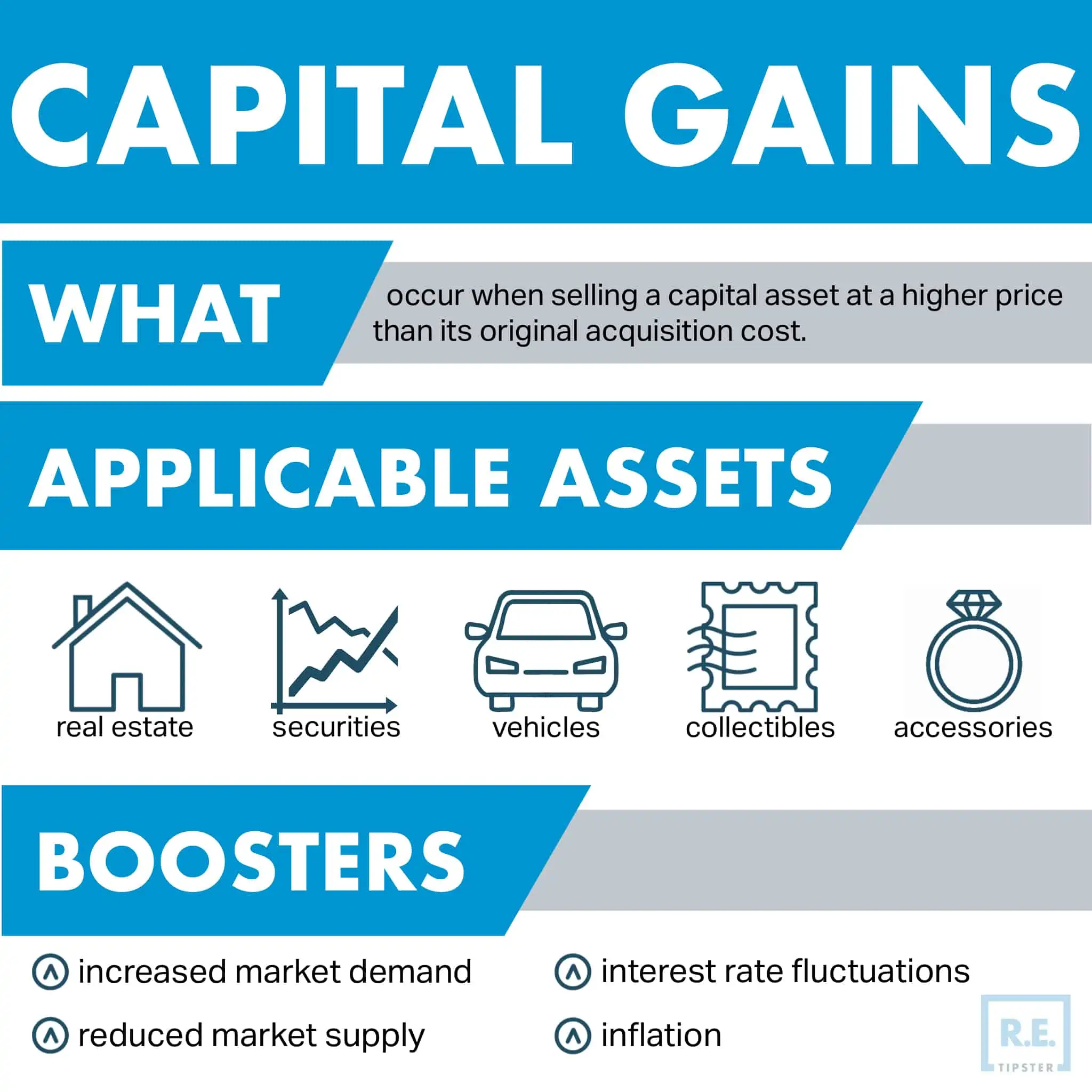
A capital gain is the profit realized when you sell a capital asset—such as real estate, stocks, or business equipment—for a price higher than its original purchase basis. While the federal government levies a tax on these profits, Tex...
A capital gain is the profit realized when you sell a capital asset—such as real estate, stocks, or business equipment—for a price higher than its original purchase basis. While the federal government levies a tax on these profits, Texas stands out because it does not impose a state-level personal income tax or a state-level capital gains tax.
Contents
Navigating the financial landscape of property sales, stock portfolios, and business liquidations requires a clear understanding of how profits are categorized and taxed. For residents and business owners in the Lone Star State, financial planning involves federal tax obligations while enjoying a unique state-level exemption. This guide explores the mechanics of capital gains, how Texas law interacts with federal regulations, and the strategies property owners and investors use to manage their liabilities.
The Foundation of Capital Gains: Basis and Holding Periods
To understand what constitutes a capital gain, you must first understand how profits are calculated. The fundamental formula relies on two primary metrics: the adjusted basis and the realized amount from the sale.
The adjusted basis is generally the original purchase price of the asset, plus the cost of any major improvements, minus any depreciation taken over the years. For example, if you purchase a commercial warehouse in Austin for $500,000 and later invest $50,000 in roof and HVAC improvements, your adjusted basis becomes $550,000. If you subsequently sell that warehouse for $700,000, your gross capital gain is $150,000, not accounting for selling expenses like broker commissions and closing costs.
Once you establish the net profit, the Internal Revenue Service (IRS) categorizes the gain based on how long you held the asset before selling it:
- Short-Term Capital Gains: Assets held for one year or less are classified as short-term. These gains are taxed at ordinary federal income tax rates, which can range significantly depending on your tax bracket.
- Long-Term Capital Gains: Assets held for more than one year qualify for long-term treatment. The federal government taxes these gains at preferential rates of 0%, 15%, or 20%, depending on your taxable income and filing status.
The Texas Tax Landscape: No State Personal Income Tax
The most prominent feature of capital gains taxation in Texas is the complete absence of a state-level personal income tax. Article 8, Section 24-a of the Texas Constitution explicitly prohibits the imposition of an individual income tax, meaning the state government cannot levy a tax on wages, interest, dividends, or capital gains earned by individuals.
| Tax Type | Federal Level | State of Texas Level |
|---|---|---|
| W-2 / Earned Income | Taxable (Marginal Rates) | Not Taxable |
| Investment Dividends & Interest | Taxable (Ordinary or Qualified Rates) | Not Taxable |
| Short-Term Capital Gains | Taxable (Ordinary Income Rates) | Not Taxable |
| Long-Term Capital Gains | Taxable (0%, 15%, or 20% Rates) | Not Taxable |
| Corporate/Franchise Tax | Taxable (Corporate Rate) | Taxable (Margin Tax for Entities) |
While individual taxpayers enjoy zero state capital gains tax, business entities must navigate the Texas Franchise Tax. The franchise tax is a privilege tax imposed on each taxable entity chartered or organized in Texas or doing business in the state. While not a direct tax on personal capital gains, corporate structures and limited liability partnerships must account for gross receipts and margin calculations that may factor into corporate-level accounting.
Federal Tax Obligations That Still Apply in Texas
Because Texas does not levy an income tax, some taxpayers mistakenly believe that capital gains are entirely tax-free. However, federal capital gains taxes apply fully to Texas residents. The IRS views capital income as taxable revenue regardless of the taxpayer's state of residence.
When a Texas resident sells a stock portfolio, a residential home, or vacant land for a profit, that gain must be reported on federal tax returns using IRS Form 8949 and Schedule D. Failing to report these gains can result in federal audits, penalties, and interest charges.
Real Estate Capital Gains and the Section 121 Exclusion
For homeowners, the federal tax code offers a significant relief mechanism known as the Section 121 exclusion. This rule allows qualifying individuals to exclude up to $250,000 (or up to $500,000 for married couples filing jointly) of capital gains from the sale of their primary residence.
To qualify for this exclusion in Texas or any other state, you must meet two primary tests:
- Ownership Test: You must have owned the property for a total of at least two out of the five years leading up to the sale.
- Use Test: You must have used the property as your primary residence for a total of at least two out of the five years leading up to the sale.
If you meet these criteria, a substantial portion—or even all—of your home sale profits can be shielded from federal capital gains tax.
Investment Strategies and Deferral Mechanisms
Investors managing significant capital assets in Texas often utilize specific legal mechanisms to defer or minimize their federal tax liabilities. Because state taxes are absent, federal strategies become the primary focus of tax planning.
1031 Exchanges for Real Estate
Under Section 1031 of the Internal Revenue Code, real estate investors can defer paying capital gains taxes when they sell a business or investment property and reinvest the proceeds into a "like-kind" property. This allows real estate capital to compound without being depleted by immediate tax events. Both the relinquished property and the replacement property can be located entirely within Texas, or the investor can exchange Texas property for real estate in another state, provided strict IRS timelines and rules are followed.
Opportunity Zones
The Tax Cuts and Jobs Act introduced Qualified Opportunity Zones to spur economic development in distressed communities. Texas features numerous designated Opportunity Zones across urban and rural counties. Investors who roll capital gains into a Qualified Opportunity Fund can temporarily defer federal taxes on those gains and potentially eliminate taxes on new appreciation if the investment is held for the required statutory period.
Common Misconceptions Regarding Texas Asset Sales
Taxpayers often encounter confusion regarding how asset sales are treated. Clarifying these points helps prevent costly compliance errors:
- "No state tax" does not mean "no tax at all." The IRS collects its full share of short-term and long-term capital gains taxes from Texas taxpayers.
- Property taxes are separate. Texas has notoriously high local property taxes managed by county appraisal districts. These annual property taxes are distinct from capital gains taxes, which are only triggered upon the sale or exchange of an asset.
- Inherited property stepped-up basis. When a beneficiary inherits real estate or stocks in Texas, the asset's basis is generally "stepped up" to its fair market value on the date of the decedent's death. This can significantly reduce or eliminate capital gains taxes if the beneficiary decides to sell the asset shortly after inheritance.
Frequently Asked Questions
Does Texas charge a state tax on capital gains?
No. Texas does not have a personal income tax, and consequently, it does not levy a state-level capital gains tax on individuals. However, residents are still required to pay federal capital gains taxes to the IRS on profits from asset sales.
Do I have to pay capital gains tax when selling my home in Texas?
It depends on your profit and how long you lived in the home. Under IRS Section 121, individual filers can exclude up to $250,000 of capital gains—and married couples filing jointly can exclude up to $500,000—if they owned and lived in the home as their primary residence for at least two out of the five years preceding the sale.
How are capital gains classified for tax purposes?
Capital gains are split into two categories: short-term and long-term. Short-term gains apply to assets held for one year or less and are taxed at ordinary income tax rates. Long-term gains apply to assets held for more than one year and benefit from lower federal tax rates of 0%, 15%, or 20%.
Can businesses in Texas be taxed on capital gains?
While individual sole proprietors do not pay state income tax on gains, corporations and certain business entities are subject to the Texas Franchise Tax. The franchise tax is calculated based on a business's margin, which encompasses total revenue and deductions, rather than acting as a direct personal capital gains tax.
What is a 1031 exchange and can I use it in Texas?
A 1031 exchange is a federal tax provision that allows real estate investors to defer paying capital gains taxes by reinvesting the proceeds from the sale of an investment property into another "like-kind" property. You can execute 1031 exchanges involving Texas real estate as long as you comply with strict IRS identification and acquisition deadlines.
Next Steps for Asset Owners and Investors
If you are planning to sell real estate, stocks, or a business in Texas, your primary financial focus should be on federal tax compliance and structuring your transactions efficiently. Because tax laws are complex and subject to legislative updates, consult a certified public accountant (CPA) or a qualified tax attorney specializing in federal taxation before executing major asset sales. Proper planning ensures you leverage available exclusions, such as the Section 121 home sale exclusion or 1031 exchanges, while maintaining full compliance with IRS regulations.
Image Gallery