How to Transport a Vehicle From One State to Another: Complete Shipping Guide
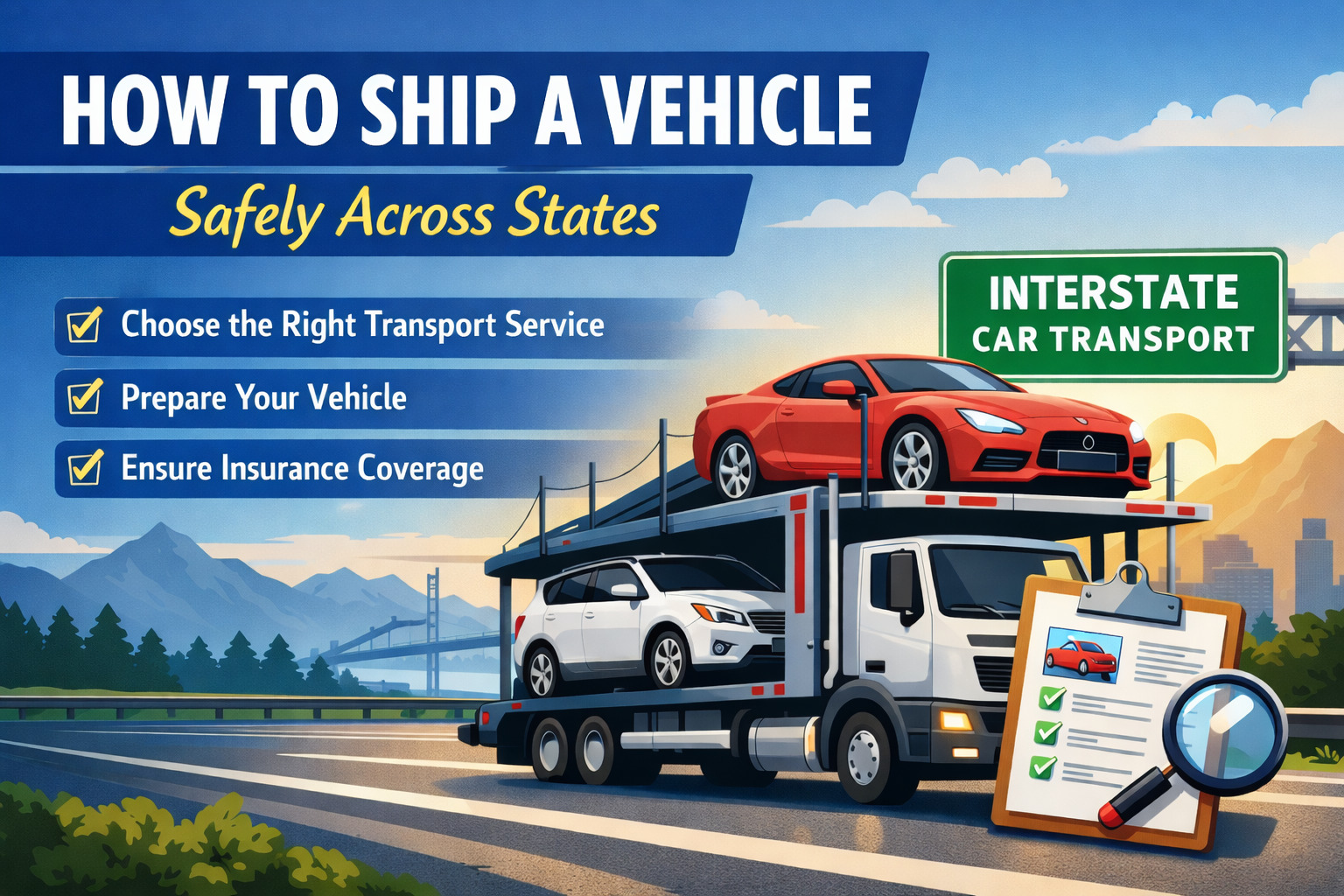
To transport a vehicle from one state to another, you can hire a professional auto transport company, drive the vehicle yourself, use a professional driving service, or tow it behind a rental truck. Professional shipping via open or en...
To transport a vehicle from one state to another, you can hire a professional auto transport company, drive the vehicle yourself, use a professional driving service, or tow it behind a rental truck. Professional shipping via open or enclosed car hauler is the most efficient option for long-distance relocations, protecting your vehicle from wear and mileage.
Contents
Relocating a vehicle across state lines involves evaluating transport methods, understanding carrier licensing, securing insurance coverage, and complying with state vehicle registration laws. Whether moving across a single state border or across the country, selecting the right method depends on your budget, timeline, vehicle condition, and personal convenience.
Understanding Your Interstate Transport Options
Choosing how to transport your vehicle requires balancing cost, convenience, delivery speed, and vehicle protection. Each method serves distinct relocation scenarios.
1. Professional Auto Transport (Car Carriers)
Hiring a professional car shipping company is the most common solution for long-distance moves. Transport companies operate two main types of haulers:
- Open Auto Transport: Your vehicle is loaded onto a two-level, open-air trailer alongside 7 to 10 other vehicles. This is the standard, most economical shipping method. While exposed to weather and road debris, open transport is safe and utilized by auto manufacturers to deliver new vehicles to dealerships.
- Enclosed Auto Transport: Your vehicle is transported inside a fully covered trailer, protected from weather, dust, rocks, and highway debris. Enclosed transport costs 30% to 60% more than open transport and is designed for luxury, exotic, vintage, or custom vehicles.
2. Driving the Vehicle Yourself
Driving your car to your new state allows you to control the schedule and use the vehicle to transport personal belongings. However, self-driving incurs costs for fuel, lodging, meals, tolls, and maintenance. Additionally, long-distance driving adds wear-and-tear and hundreds or thousands of miles to your vehicle’s odometer, which lowers its resale value.
3. Professional Driving Services
If you prefer not to drive yourself but want your vehicle moved directly on its own wheels, you can hire a professional driving service. A vetted driver picks up your vehicle and drives it to the destination. This method is faster than multi-car haulers because the driver routes directly to your destination without stopovers to unload other vehicles. However, it still accumulates mileage and physical wear on your vehicle.
4. Towing via Moving Truck or Personal Vehicle
If you are renting a moving truck (such as U-Haul, Penske, or Budget) for a self-managed relocation, you can rent a tow dolly or an auto transport trailer to tow your car behind the truck.
- Tow Dolly: Elevates only the front wheels of the vehicle off the ground. Suitable for front-wheel-drive vehicles.
- Car Carrier Trailer: Elevates all four wheels off the ground, making it safer for all-wheel-drive, four-wheel-drive, and rear-wheel-drive vehicles.
Towing requires confidence in driving a heavy, extended vehicle combination, particularly on mountain passes, highway lanes, and narrow city streets.
Comparing Vehicle Transportation Methods
| Transport Method | Average Cost (1,000+ Miles) | Delivery Timeline | Protection Level | Best Suited For |
|---|---|---|---|---|
| Open Auto Transport | $800 – $1,300 | 3 – 7 Days | Standard (Exposed to weather/road) | Daily drivers, budget-conscious movers |
| Enclosed Auto Transport | $1,200 – $2,200 | 3 – 7 Days | High (Fully shielded container) | Classic, luxury, exotic, high-value cars |
| Driving Yourself | $400 – $900 (Fuel, hotels, meals) | 2 – 5 Days | Variable (Road risks & mileage accumulation) | Short-to-medium moves, direct control |
| Professional Driver | $1,000 – $1,800 | 1 – 4 Days | Medium (Road exposure, adds miles) | Urgent moves, pets transported in car |
| Towing (Tow Trailer) | $200 – $500 (Plus truck rental) | 2 – 5 Days | Medium (Towed behind truck) | DIY residential moves |
Step-by-Step Guide to Shipping Your Car with a Carrier
If you choose a professional auto shipping carrier, following a structured workflow prevents delays, unexpected charges, and legal disputes.
- Step 1: Request Quotes & Compare Brokers vs. Direct Carriers
- Step 2: Verify Carrier Licenses (USDOT & MC Numbers)
- Step 3: Prepare Vehicle (Clean, inspect, fuel level < 1/4)
- Step 4: Pick-Up Inspection & Sign Bill of Lading (BOL)
- Step 5: Final Delivery Inspection & Settlement
Step 1: Request Quotes and Select a Provider
Start gathering quotes 2 to 4 weeks before your move date. When evaluating providers, distinguish between auto transport brokers and direct motor carriers:
- Brokers do not own trucks. They act as logistics managers who post your job to a centralized dispatch board to connect you with independent truck drivers.
- Direct Carriers own the trucks and directly manage driver assignments and scheduling.
Be cautious of quotes significantly below market rates. Lowball estimates often result in your shipment sitting unassigned on dispatch boards because drivers reject low-paying rates.
Step 2: Verify Carrier Credentials and Insurance
Interstate vehicle transporters must register with federal authorities. Before signing a contract or paying a deposit:
- Request the company’s USDOT Number and MC (Motor Carrier) Number.
- Verify active operating authority and safety rating on the Federal Motor Carrier Safety Administration (FMCSA) SAFER Database.
- Request a Certificate of Insurance (COI) confirming liability and cargo insurance coverage limits.
Step 3: Prepare Your Vehicle for Shipping
Proper preparation minimizes transit risks and complies with carrier regulations:
- Clean the Interior and Exterior: Wash the car so pre-existing damage, scratches, and dings are easily visible during inspection. Remove all personal belongings, highway toll tags, and parking passes.
- Lower Fuel Level: Keep the gas tank between 1/8 and 1/4 full. A full tank adds unnecessary weight, while an empty tank prevents drivers from maneuvering the car onto the truck.
- Perform Mechanical Checks: Verify that the battery is charged, tires are inflated to recommended PSI, fluids are filled, and there are no active fluid leaks. If the vehicle is inoperable, inform the carrier in advance; winching requires specialized equipment and carries additional fees.
- Disable Alarms: Turn off anti-theft alarms or provide instructions to the driver on how to disarm them.
Step 4: Conduct Pick-Up Inspection and Sign the Bill of Lading
On collection day, inspect the vehicle alongside the transport driver.
- Document every scratch, chip, or dent on the Bill of Lading (BOL), which serves as your official shipping contract and receipt.
- Take high-resolution, time-stamped photographs of the car from all angles, including the odometer reading and interior condition.
- Ensure the driver signs the BOL before driving away, and keep a copy for your records.
Step 5: Final Delivery Inspection and Settlement
When the vehicle arrives at its destination:
- Inspect the vehicle in clear daylight before paying the final balance or signing off on delivery.
- Compare the current vehicle condition against the initial Bill of Lading and your pick-up photos.
- If new damage is identified, note it explicitly on the driver's Bill of Lading before signing. Do not sign the BOL as "received in good condition" if damage is present.
- Pay the remaining balance according to the agreed contract terms (cash, cashier's check, or electronic payment).
Legal Requirements, Insurance, and State Registration
Transporting a vehicle across state lines introduces legal responsibilities governed by federal transport rules and state-level motor vehicle departments.
Cargo Insurance vs. Personal Auto Policies
Federal law mandates that interstate auto carriers carry liability and cargo insurance. Standard carrier cargo coverage typically ranges between $50,000 and $100,000 per vehicle on open carriers, and up to $250,000 or more on enclosed carriers.
However, standard carrier cargo policies rarely cover damage caused by "Acts of God" (such as hail, floods, or tornadoes) or road debris flying off external traffic. Contact your auto insurance carrier to determine if your personal full-coverage policy extends to vehicles in transit across state lines.
Personal Items Restrictions
The FMCSA prohibits auto carriers from operating as household goods movers. Transporting heavy personal belongings in a vehicle on a car hauler violates federal weight regulations and safety guidelines. Most carriers permit up to 100 pounds of soft luggage stored in the trunk or below the window line, but items left inside the car are not covered by carrier cargo insurance.
Out-of-State Title and Registration Laws
Once your vehicle arrives in your new state, state law requires you to transfer the title and register the car with the local Department of Motor Vehicles (DMV) or state agency.
Registration timelines vary by state:
- State Residency Established
- 10 to 30 Days (Standard Deadline Window)
- Vehicle Safety / Emissions Inspection
- Out-of-State Title Transfer & New License Plates
Most states require new residents to complete registration within 10 to 30 days of establishing residency. Key requirements include:
- Obtaining auto insurance compliant with your new state's minimum coverage limits.
- Passing a state safety inspection or emissions test (if required by your county/state).
- Submitting your current out-of-state title, vehicle identification number (VIN) verification, and proof of residency to the state licensing office (for example, the California DMV or state equivalent).
Cost Factors Influencing Interstate Shipping Rates
Auto transport rates fluctuate based on several supply-and-demand variables. Understanding these factors helps you budget effectively:
- Distance and Route Dynamics: Longer distances increase total transport cost but decrease the rate per mile. Major interstates (such as I-90, I-10, or I-95) linking large metro areas are cheaper to ship along than rural, off-route locations.
- Vehicle Size, Weight, and Modifications: Large SUVs, trucks, and vans take up more physical space and push car haulers closer to federal gross weight limits. Lift kits, roof racks, or lowered suspension also add specialized handling surcharges.
- Seasonality: Rates surge during peak moving season (May through August) and during seasonal migrations. For example, "snowbird routes" (New York/New England to Florida in autumn, and the reverse in spring) experience high demand and higher prices.
- Transport Type: Enclosed shipping carries a premium of 30% to 60% over open-air shipping.
- Fuel Prices: Fluctuations in national diesel fuel prices directly impact carrier rates through variable fuel surcharges.
Frequently Asked Questions
How far in advance should I book car transport across state lines?
It is best to book your vehicle transport 2 to 4 weeks prior to your desired pick-up date. Booking within this timeframe gives freight brokers and carriers sufficient opportunity to match your route with an available truck at standard market rates. Expedited or last-minute bookings (less than 7 days out) are available but incur higher rush fees.
Can I leave personal items inside my car during transport?
While many carriers allow up to 100 pounds of soft personal belongings in the trunk or backseat below window level, doing so carries risk. Federal regulations restrict car carriers from transporting household items, and carrier cargo insurance does not cover loss or theft of personal items left inside the vehicle. Always keep valuables, electronics, and important documents with you.
What happens if my vehicle is damaged during interstate transport?
If you discover damage upon delivery, note the specific damage directly on the driver’s Bill of Lading before signing it. Take immediate photographs of the damage. Contact the carrier’s claims department within 24 to 48 hours to file a formal insurance claim. Having clear pick-up photos and documented notes on the initial Bill of Lading is essential for claim approval.
How long does it take to ship a vehicle to another state?
Transit time depends on distance, driver service hours, weather conditions, and routing traffic:
- 500 miles or less: 1 to 3 days
- 500 to 1,500 miles: 3 to 5 days
- 1,500 to 3,000 miles (coast-to-coast): 7 to 10 days
Federal DOT regulations restrict commercial drivers to a maximum of 11 hours of driving per day, which dictates baseline transit times.
Next Steps for a Successful Move
To ensure a smooth vehicle relocation:
- Select Your Method: Decide between professional carrier shipping, self-driving, or towing based on your vehicle value, budget, and travel schedule.
- Vett Your Carrier: If hiring a shipping company, verify their USDOT number via the FMCSA SAFER System and confirm active insurance coverage.
- Document Vehicle Condition: Take clear photos and complete a thorough Bill of Lading inspection at pick-up and delivery.
- Prepare for DMV Deadlines: Research your new state's vehicle title transfer, emissions inspection, and driver's license conversion deadlines to stay compliant after arrival.
Image Gallery