Sideshow Freaks: The Cultural, Medical, and Labor History of Human Oddity Exhibitions
Sideshow freaks were professional performers with congenital anomalies, rare medical conditions, or extreme physical modifications exhibited for profit in nineteenth- and twentieth-century circuses, dime museums, and carnivals. While w...
Sideshow freaks were professional performers with congenital anomalies, rare medical conditions, or extreme physical modifications exhibited for profit in nineteenth- and twentieth-century circuses, dime museums, and carnivals. While widely viewed today through an ethical lens of exploitation, these exhibitions served as complex arenas of public entertainment, medical curiosity, economic agency, and disability history.
Contents
The Anatomy of the Sideshow: Origins and Classifications
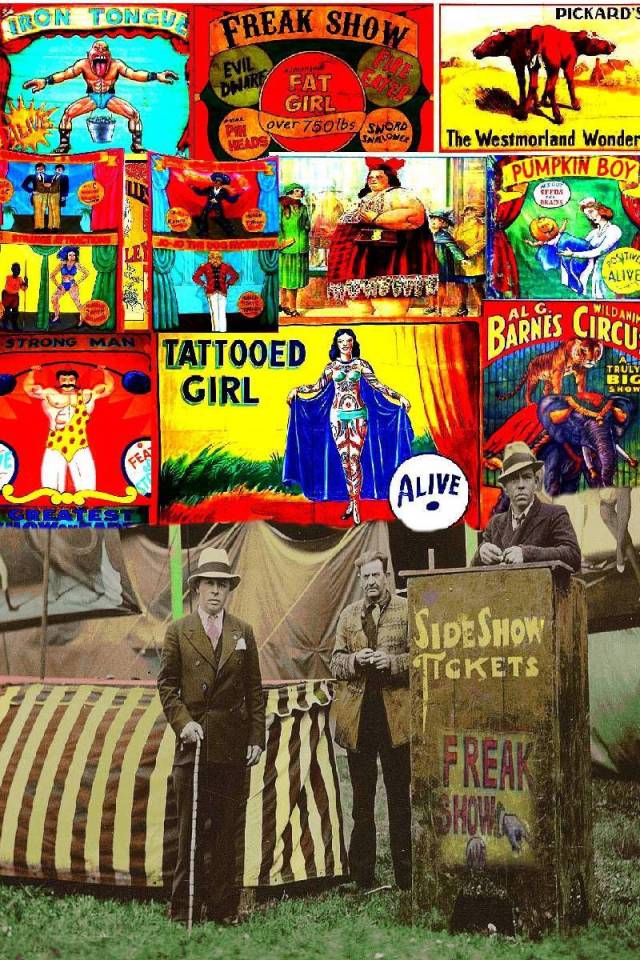
The exhibition of human physical difference did not originate with modern entertainment conglomerates. It evolved from Renaissance-era royal court curiosities and European street fairs into a formalized commercial enterprise during the Victorian era. Central to this transition was P.T. Barnum, who in the 1840s codified the presentation of atypical bodies at the American Museum in New York City. By the late nineteenth century, traveling circuses such as the Ringling Bros. and Barnum & Bailey Circus formalized the "Ten-in-One"—a single tent housing ten distinct curiosity acts viewed for a single admission price.
Within the sideshow industry, performers were systematically categorized by showmen based on the nature of their presentation and perceived public novelty.
"Born Freaks" (Natural Anomalies)
Performers classified under this category possessed congenital conditions, skeletal dysplasias, endocrine disorders, or rare genetic syndromes. They formed the core prestige acts of major shows, commanding the highest salaries.
- Microcephaly: Marketed using imperialist or pseudoscientific tropes such as "Missing Links," "Pinheads," or survivors of ancient lost civilizations (e.g., William Henry Johnson, famously exhibited as "Zip the Pinhead").
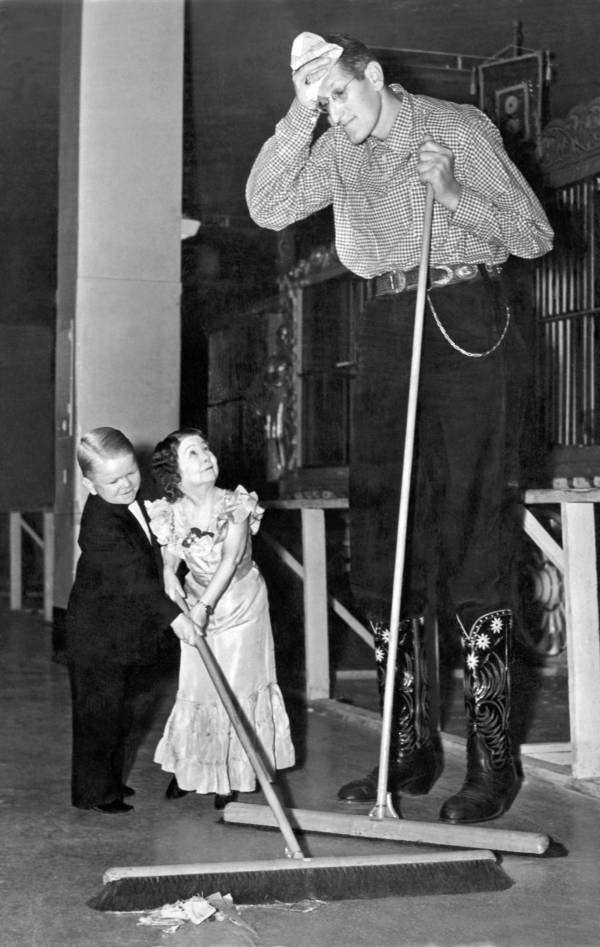
- Achondroplasia and Hypochondroplasia: Performers with dwarfism who were frequently presented in miniature mock-aristocratic weddings, military reviews, or musical ensembles (e.g., Charles Sherwood Stratton, known globally as General Tom Thumb).
- Gigantism and Acromegaly: Individuals with pituitary hyperfunction, such as Martin Van Buren Bates and Anna Haining Swan, framed as towering natural wonders and romantic pairings.
- Hypertrichosis: Congenital generalized hypertrichosis, resulting in excessive facial and body hair, marketed under titles such as "Dog-Faced Boys" (e.g., Fedor Jeftichew) or "Bearded Ladies" (e.g., Annie Jones).
- Conjoined Twins: Symmetrical or asymmetrical parasitic twins, including the original Chang and Eng Bunker, whose birthplace in Siam gave rise to the term "Siamese twins."
- Phocomelia and Amelia: Individuals born without limbs, such as Prince Randian, known as "The Living Torso," who demonstrated extraordinary manual dexterity by rolling and lighting cigarettes using only his lips and tongue.
"Made Freaks" (Acquired Modifications)
Performers who transformed their bodies through external intervention rather than congenital divergence. These acts offered audiences a spectacle grounded in discipline, deviance, or cultural exoticism.
- Tattooed Individuals: Heavily tattooed men and women, such as Nora Hildebrandt and Captain George Costentenus, who often fabricated sensational abduction narratives involving forced tattooing by Indigenous or foreign captors to justify their skin art.
- Pierced and Modified Performers: Early practitioners of radical body suspension, extreme gauging, and dental filing.
- Self-Starvation and Extreme Weight: Individuals who achieved extreme corpulence (such as "Fat Ladies" weighing upwards of 400 to 600 pounds) or extreme emaciation ("Living Skeletons" like Isaac W. Sprague).
"Novelty Acts" and Working Performers
These acts relied strictly on learned physical mastery, optical illusions, or pain tolerance rather than anatomical anomaly:
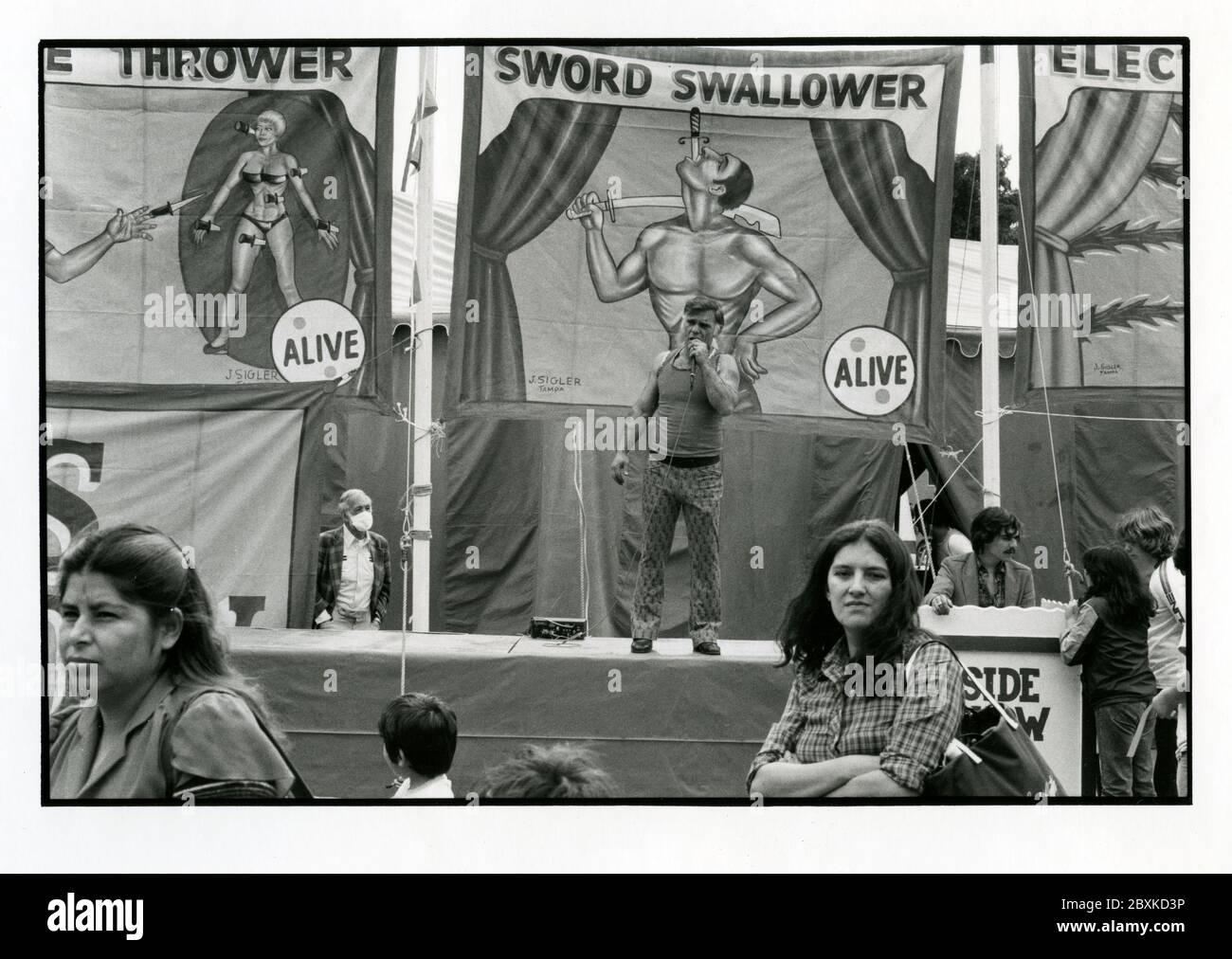
- Sword Swallowers and Fire Eaters: Demonstrating pharyngeal and upper gastrointestinal muscular control.
- Human Pincushions and Contortionists: Individuals exhibiting extreme flexibility (often linked to hypermobility spectrum disorders or Ehlers-Danlos syndrome) or localized nerve damage.
- The "Half-Man, Half-Woman": Performers who dressed symmetrically down the center line, presenting one side as male and the other as female, often performing alternating vocal registers.
Historical Taxonomy of Famous Performers
The following table contextualizes prominent historical sideshow performers, detailing their professional monikers, actual diagnoses, primary exhibition eras, and historical agency profiles.
| Performer Name | Show Moniker | Primary Medical or Physical Classification | Era of Peak Exhibition | Agency & Financial Profile |
|---|---|---|---|---|
| Charles Stratton (1838–1883) | General Tom Thumb | Pituitary Dwarfism (Growth Hormone Deficiency) | 1840s–1870s | Highly affluent; partner in his own management; international celebrity. |
| Chang & Eng Bunker (1811–1874) | The Siamese Double Twins | Conjoined Twins (Omphalopagus) | 1830s–1860s | Purchased their freedom from early promoters; became wealthy North Carolina plantation owners. |
| Joseph Merrick (1862–1890) | The Elephant Man | Proteus Syndrome (historically confused with Neurofibromatosis Type I) | 1880s | Limited personal agency; subjected to exploitation before receiving sanctuary at the London Hospital. |
| Fedor Jeftichew (1868–1904) | Jo-Jo the Dog-Faced Boy | Hypertrichosis Lanuginosa | 1880s–1900s | Contracted by P.T. Barnum; financially successful but subjected to animalistic staging rules. |
| Annie Jones (1865–1904) | The Bearded Lady | Hypertrichosis / Polycystic Ovarian Complex | 1870s–1900s | High earner with Barnum; outspoken activist against the public use of the word "freak." |
| Prince Randian (1871–1934) | The Living Torso | Tetra-Amelia Syndrome | 1890s–1930s | Skilled multilingual technician; supported a wife and large family through independent earnings. |
| Isaac W. Sprague (1841–1887) | The Living Skeleton | Severe Progressive Muscle Atrophy | 1860s–1880s | Exhibited to finance medical care and support family; died in extreme poverty due to illness. |
| Frank Lentini (1889–1966) | The Three-Legged Man | Parasitic Twin (Dipygus) | 1890s–1950s | Immensely respected industry veteran; managed his own touring companies with high financial independence. |
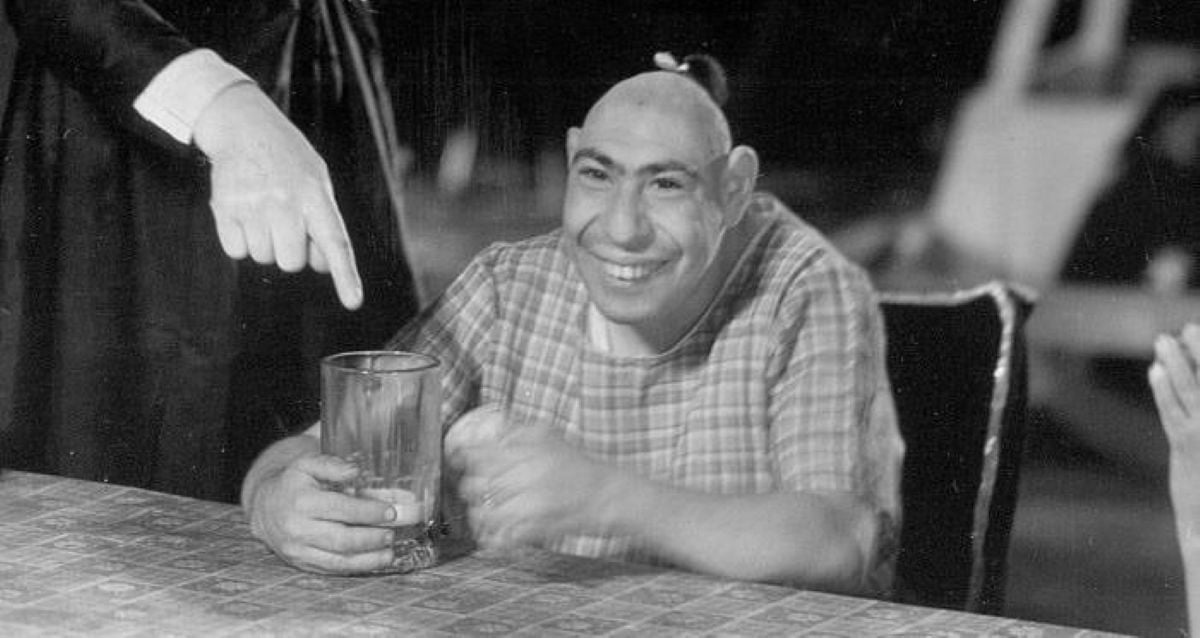
| Schlitzie (Simon Metz) (c. 1901–1971) | The Last of the Aztecs | Microcephaly | 1920s–1960s | Legally dependent ward; managed by caring legal guardians within circus communities. |
The Economic Model: Exploitation Versus Employment
Public perception often frames the historic sideshow solely as a Victorian house of horrors where vulnerable individuals were imprisoned, displayed, and robbed of dignity. While structural exploitation indisputably occurred—especially among individuals with intellectual disabilities or those sold into contracts under racist colonial frameworks—the reality of nineteenth- and twentieth-century sideshow economics was far more complex.
In the era before the Americans with Disabilities Act, modern social welfare systems, or widespread medical accommodations, disabled individuals had virtually zero avenues for legitimate employment. Mainstream society routinely hid physically disabled people in attics, poorhouses, or state asylums where conditions were squalid and lethal.
Economic Autonomy in the Ring
The sideshow environment offered an alternative to institutionalization. Top-tier performers commanded salaries far exceeding those of average factory workers or white-collar professionals. Charles Stratton traveled in private carriages and met Queen Victoria. Frank Lentini owned real estate and supported children through university education. Performers also retained personal revenue through the sale of "pitch cards"—photographic portraits sold directly to the audience, allowing performers to amass substantial independent cash reserves outside their base circus contracts.
However, this financial viability carried severe costs:
- Racial and Cultural Degradation: Black performers and individuals with cognitive differences were routinely cast in dehumanizing narratives. William Henry Johnson was dressed in animal furs and made to grunt on command. Indigenous performers were frequently exhibited without their genuine consent, branded as "savages" or evolutionary throwbacks.
- Loss of Privacy: Performers lived under constant physical scrutiny. Even during off-hours, leaving the circus grounds meant facing public stares, harassment, or arrest for vagrancy or obscenity.
- Medical Intrusions: Showmen regularly allowed members of medical societies to examine performers in intrusive, non-consensual academic demonstrations to publish findings and grant pseudoscientific legitimacy to the show's advertising.
Cultural Decline: How the Sideshow Vanished
The demise of the traditional sideshow did not happen overnight; it resulted from several converging medical, legal, and cultural shifts between 1930 and 1980.
1. The Medicalization of Physical Difference
As clinical genetics, endocrinology, and pediatric surgery advanced, conditions once viewed as divine wonders, curses, or evolutionary anomalies were demystified. Rickets, acromegaly, microcephaly, and hirsutism became clinical diagnoses treated with hormone therapies, corrective surgeries, and medical regimens. An anomaly transitioned from an object of public wonder into an object of clinical pathology, shifting the site of display from the carnival platform to the medical lecture theater.
2. The Golden Age of Cinema and Mass Media
Tod Browning’s seminal 1932 pre-Code horror film Freaks marks the historical turning point of this transition. Browning cast actual sideshow performers—including Harry and Daisy Earles, Johnny Eck, and Schlitzie—in an authentic look at circus life. The film's psychological horror, culminating in the performers mutilating a conventional trapeze artist who attempted to murder one of their own for money, horrified mainstream audiences. It was banned in the United Kingdom for thirty years and pulled from American distribution, effectively blacklisting human oddity shows from respectable modern entertainment.
3. Legal Prohibitions and Labor Standards
Throughout the mid-twentieth century, municipalities across North America and Western Europe enacted legislation banning the commercial display of physical malformations for profit. In the United Kingdom, the Town Police Clauses Act and local licensing statutes were enforced to curb freak shows. In the United States, carnival operators phased out Ten-in-One exhibits due to changing public decency laws, union standards, and shifting social norms that deemed viewing atypical bodies morally reprehensible.
Contemporary Resurgence: The Neo-Sideshow and Modern Disability Rights
The legacy of the sideshow continues in two separate spheres: modern alternative entertainment and contemporary disability activism.
The Rise of the Neo-Sideshow
During the 1990s, the "neo-sideshow" emerged via subcultural revivals such as the Jim Rose Circus, Coney Island Circus SideShow, and the Hellzapoppin Circus SideShow Revue. Unlike their historical predecessors, modern sideshow troupes center almost entirely on deliberate body modification, pain mastery, and theatrical illusion rather than congenital conditions. Performers freely alter their bodies through heavy tattooing, subcutaneous silicone implants, tongue bifurcation, scarification, and extreme suspension, asserting absolute artistic and physical autonomy over their work.
Reclamation in Disability Culture
Within contemporary disability studies and radical disability performance art, the historical term "freak" has undergone complex linguistic reclamation. Scholars and disability-rights advocates challenge the sanitized assumption that eradicating the sideshow eliminated societal stigma. They argue that post-sideshow society merely segregated disabled bodies into medical institutions and private spaces, replacing financial compensation with pity.
Contemporary performance artists with visible physical variations increasingly use elements of sideshow staging to challenge the non-disabled viewer. By deliberately controlling the stage, fixing the gaze of the audience, and defining their own aesthetic presentation, these performers actively subvert the historic boundary between the spectator and the spectacle.
Frequently Asked Questions
What is the exact historical definition of a sideshow freak?
A sideshow freak was a professional entertainer displayed in nineteenth- and twentieth-century exhibitions due to rare physical anomalies, unique medical conditions, or extreme intentional body modifications. These performers worked inside traveling circuses, dime museums, and carnival midways.
Did sideshow performers have control over their earnings and contracts?
Control varied widely depending on physical ability, racial status, and mental capacity. While globally famous performers like General Tom Thumb and Chang and Eng Bunker secured personal wealth and managed their own contracts, individuals with intellectual disabilities or non-white performers were frequently controlled and financially exploited by non-disabled managers.
What caused the historic decline of human oddity shows?
The decline was driven by advancements in medicine that clinicalized physical differences, the rise of mass media such as cinema and television, changing public moral standards, and municipal laws banning the commercial display of human deformities. By the mid-twentieth century, human oddity exhibits were largely abandoned by major circuses.
What was the difference between a dime museum and a circus sideshow?
A dime museum was a permanent, urban storefront institution (such as Barnum's American Museum in New York) operating year-round for an inexpensive single admission. A circus sideshow was a temporary, mobile tented venue that traveled with major rail and road shows, operating primarily during seasonal warm months across smaller cities and rural fairs.
Why was Tod Browning's 1932 film Freaks significant to sideshow history?
Tod Browning's Freaks was significant because it featured genuine sideshow stars as human, complex protagonists rather than two-dimensional monstrosities. However, the film's climactic violence shocked contemporary audiences and critics, causing widespread bans that hastened the cultural demise of real-world human oddity exhibitions.
To explore the rich history of midways, performance subcultures, and historical circus arts, visit archival collections such as the Ringling Circus Museum or consult primary sources preserved within the Library of Congress Circus Historical Print Collections.
Image Gallery