Exploring the Species in Alaska: A Comprehensive 2026 Wildlife Guide
Alaska is home to a vast array of unique wildlife, including iconic megafauna like grizzly bears, moose, and gray wolves, alongside millions of migratory birds and diverse marine life. The state’s ecosystems—ranging from Arctic tundra...
Alaska is home to a vast array of unique wildlife, including iconic megafauna like grizzly bears, moose, and gray wolves, alongside millions of migratory birds and diverse marine life. The state’s ecosystems—ranging from Arctic tundra to temperate rainforests—support over 1,100 vertebrate species, many of which are specifically adapted to survive sub-arctic and arctic conditions.
Contents
Alaska’s biological diversity is not merely a matter of quantity but of ecological integrity. As of 2026, Alaska remains one of the few places on Earth where large-scale predator-prey systems function almost entirely undisturbed by urban fragmentation. Understanding the species in Alaska requires a look at the distinct biological regions and the specific adaptations that allow fauna to thrive in a landscape defined by extreme seasonal shifts and rugged geography.
Terrestrial Mammals: The Titans of the North
Alaska’s land mammals are perhaps its most famous residents. The state manages these populations through the Alaska Department of Fish and Game, ensuring that subsistence hunting and wildlife viewing remain sustainable.
The Three Species of Bears
Alaska is the only state in the U.S. where you can find three distinct species of bears: black bears, brown bears (including grizzlies), and polar bears.
- Brown Bears (Ursus arctos): Often called grizzlies when found in the interior, these bears reach their largest size on the coast (Kodiak Island and the Alaska Peninsula) due to a protein-rich diet of salmon. In 2026, population densities remain high in protected areas like Katmai National Park.
- Black Bears (Ursus americanus): The most widely distributed bear in Alaska, found from the coastal rainforests to the interior forests. They are smaller than brown bears and lack the distinctive shoulder hump.
- Polar Bears (Ursus maritimus): Restricted to the northern and western coastal ice, polar bears are managed as a marine mammal. Their status is closely monitored due to the sensitivity of sea ice habitats in the Beaufort and Chukchi Seas.
The Ungulates: Moose, Caribou, and Dall Sheep
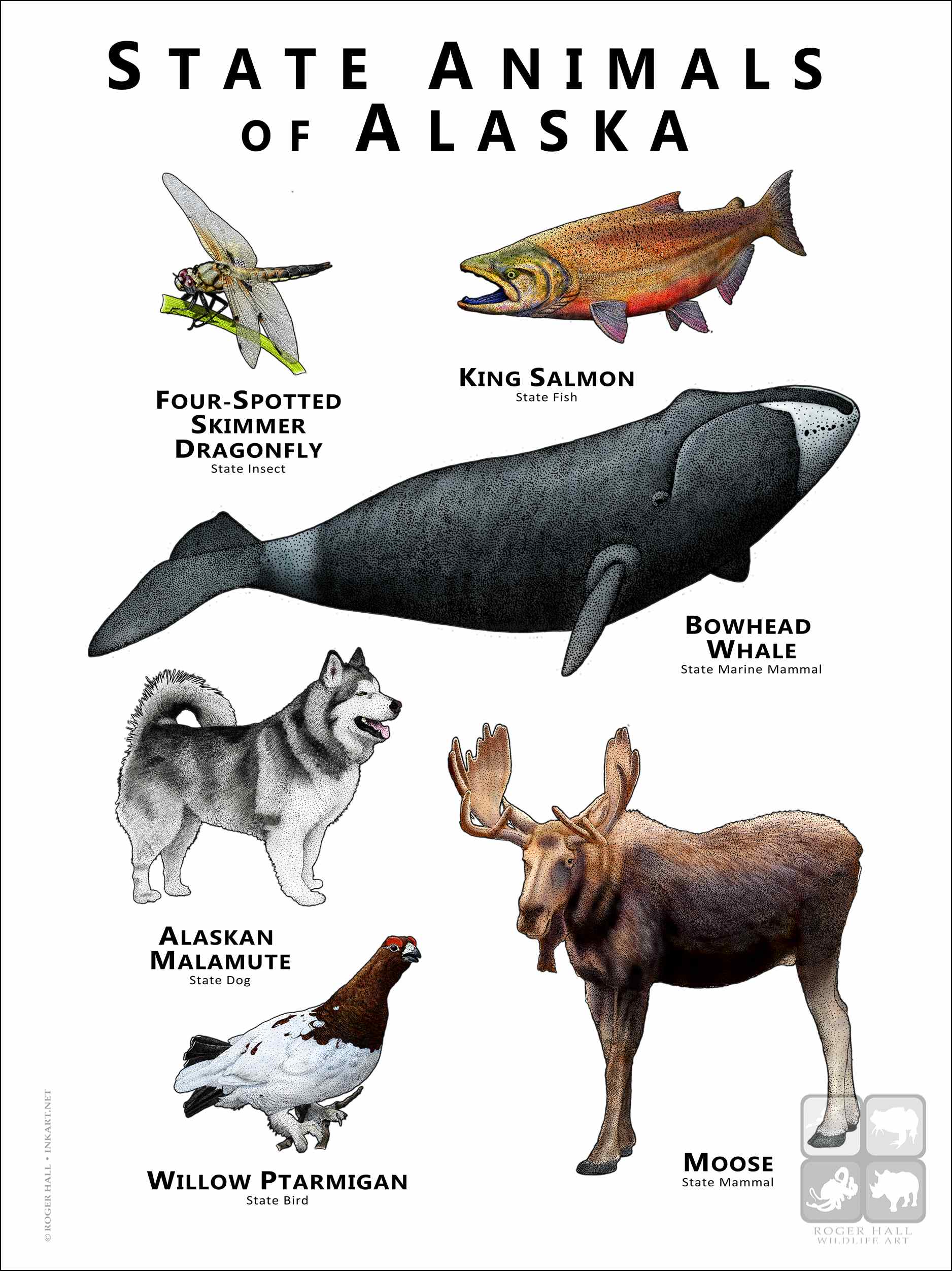
The "herbivore" tier of Alaska’s ecosystem is dominated by large ungulates. The Alaska-Yukon Moose is the largest subspecies of moose in the world, with bulls often weighing over 1,500 pounds. They are ubiquitous across the state, even ranging into urban areas like Anchorage.
Caribou (Rangifer tarandus) are the only deer species where both males and females grow antlers. Alaska hosts approximately 30 recognized herds, such as the Western Arctic Herd and the Porcupine Herd. These animals are famous for their long-distance migrations, which are essential for avoiding overgrazing in the fragile tundra.
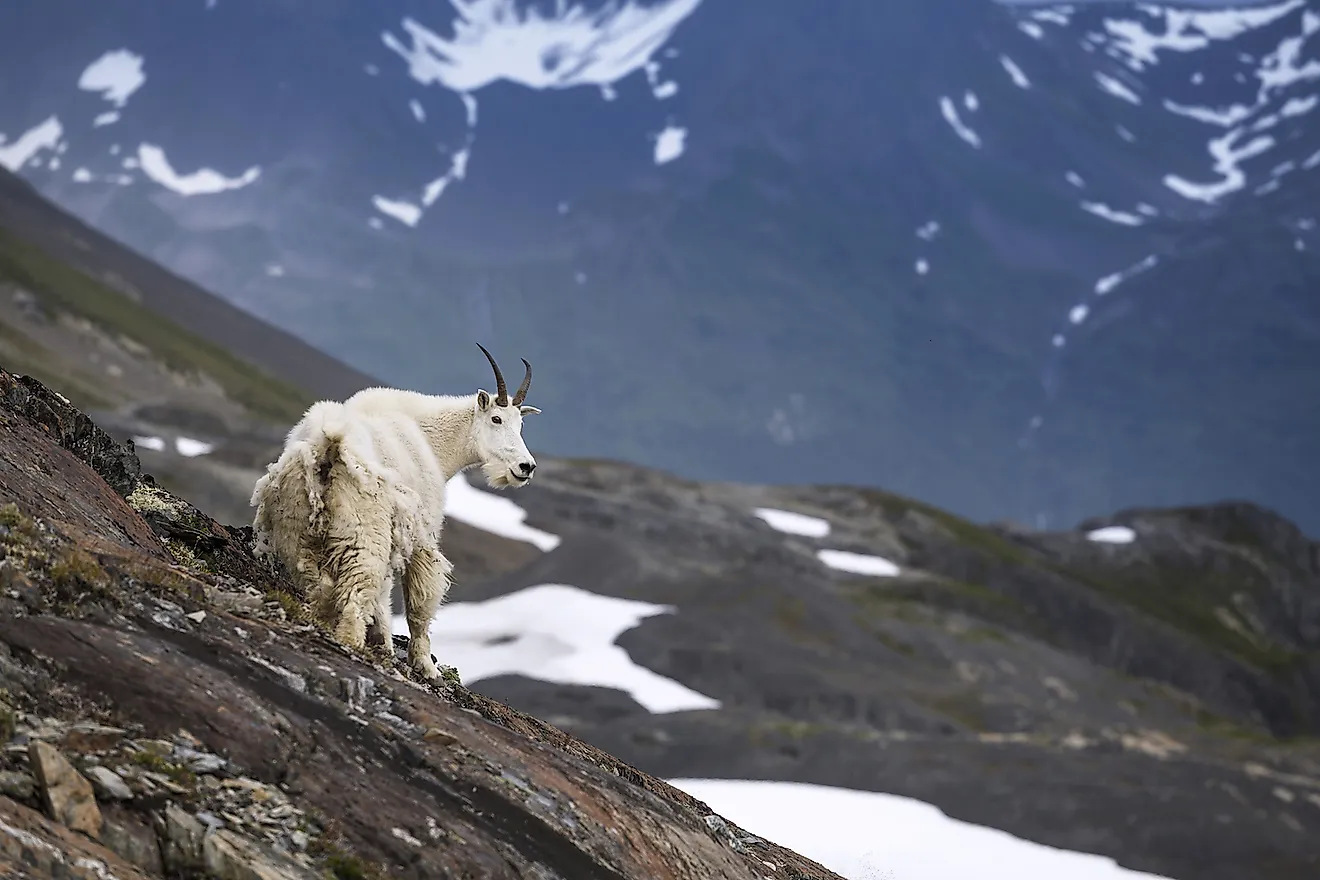
Dall Sheep occupy the high-altitude ridges of the Chugach, Alaska, and Brooks Ranges. Their white coats provide camouflage against snow and rock, and their curved horns are a primary identifier for wildlife photographers and researchers.
Marine Mammals: Sentinels of the Pacific and Arctic
Alaska’s coastline is longer than the coastline of the entire contiguous United States, providing habitat for a massive variety of marine mammals.
Cetaceans: Whales and Porpoises
Every year, Humpback Whales migrate from Hawaii and Mexico to feed in the nutrient-rich waters of Southeast Alaska and the Gulf of Alaska. They are famous for "bubble-net feeding," a complex cooperative hunting behavior.
In the colder northern waters, Bowhead Whales and Beluga Whales are the primary residents. Belugas are particularly notable in Cook Inlet, where a distinct, endangered sub-population is monitored by the NOAA Fisheries.
Pinnipeds and Mustelids
- Sea Otters: Once hunted to near extinction, sea otters have made a significant recovery in the Aleutian Islands and Southeast Alaska. They act as a "keystone species" by controlling sea urchin populations, which in turn preserves kelp forests.
- Steller Sea Lions: The largest of the eared seals, these animals frequent "haul-outs" along the coast. Some western populations remain under strict conservation status.
- Walrus: The Pacific walrus is found primarily in the Bering and Chukchi Seas, using sea ice as a platform for resting and birthing.
Avian Diversity: The Global Crossroads
Alaska serves as a critical nesting ground for birds from all seven continents. During the short summer window, the state’s wetlands and tundra become a hive of activity.
Birds of Prey
The Bald Eagle is more concentrated in Alaska than anywhere else in the world. Thousands congregate in areas like the Chilkat Bald Eagle Preserve near Haines. Other notable raptors include the Golden Eagle, which hunts caribou calves and ground squirrels in the interior, and the Peregrine Falcon.
Seabirds and Waterfowl
Coastal cliffs are often covered in colonies of Tufted Puffins and Horned Puffins. In the interior and Arctic, the Arctic Tern completes the longest migration of any animal, traveling from the Antarctic to Alaska to breed.
| Species Group | Representative Species | Primary Habitat | Status/Note |
|---|---|---|---|
| Large Predators | Brown Bear, Wolf | Statewide | Managed for sustainability |
| Marine Giants | Humpback Whale, Orca | Coastal waters | High seasonal migration |
| Ungulates | Moose, Caribou, Dall Sheep | Forests, Tundra, Mountains | Critical for subsistence |
| Birds of Prey | Bald Eagle, Snowy Owl | Coasts & Tundra | High density in Southeast |
| Marine Mammals | Sea Otter, Pacific Walrus | Nearshore & Sea Ice | Keystone ecosystem roles |
Fish: The Lifeblood of the Ecosystem
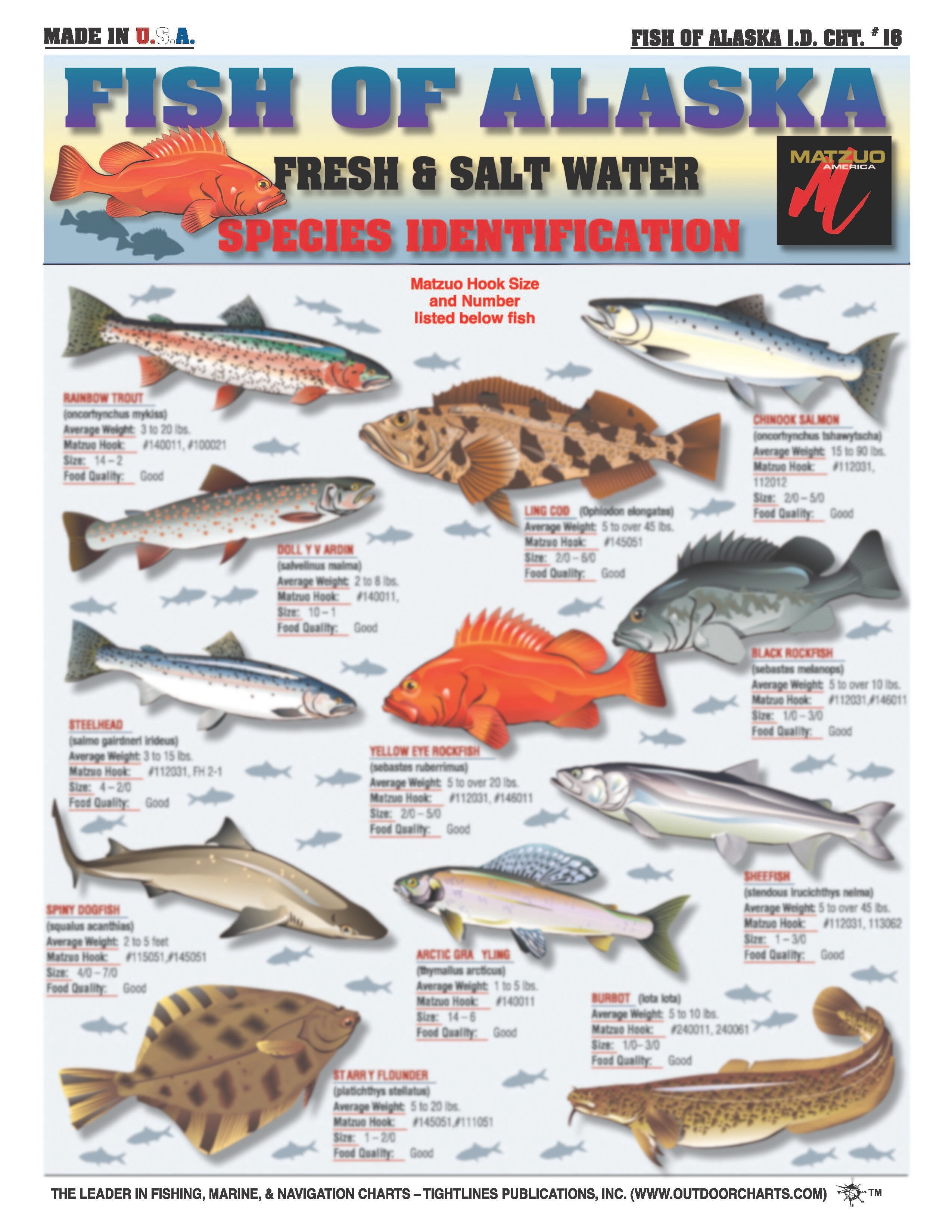
It is impossible to discuss species in Alaska without mentioning fish, particularly Pacific Salmon. Salmon are the "nutrient pump" of the state, bringing nitrogen and phosphorus from the ocean deep into the interior forests when they die after spawning.
- King (Chinook): The largest and most prized for sport and commercial fishing.
- Red (Sockeye): Known for their brilliant red color during spawning and their massive runs in Bristol Bay.
- Silver (Coho): Popular for their aggressive nature and acrobatic leaps.
- Pink (Humpback): The most abundant species, often processed for canning.
- Chum (Dog): Essential for winter food for both humans and sled dogs in rural Alaska.
Beyond salmon, Alaska’s waters host Pacific Halibut, which can weigh over 400 pounds, and Arctic Char, which are found in the northernmost lakes.
Conservation Challenges and 2026 Status
While Alaska remains a wilderness stronghold, several species face modern pressures. Climate change significantly impacts species reliant on sea ice, such as the Polar Bear and Ringed Seal. Habitat fragmentation due to resource extraction (mining and oil) requires a delicate balance between economic needs and environmental preservation.
The National Park Service and various state agencies utilize 2026 management plans to mitigate human-wildlife conflict. As tourism increases, "bear-aware" programs and strict viewing distances are enforced to ensure that species can continue their natural behaviors without stress.
Essential Guidance for Wildlife Viewing
If you are planning to observe species in Alaska, follow these professional standards to ensure safety and ethical engagement:
- Maintain Distance: For bears and moose, a minimum of 100 yards is recommended. For most other wildlife, 25 yards is the standard.
- Time Your Visit: Salmon runs typically peak between July and September. Whale watching is best from May through August.
- Use Professional Guides: In remote areas like Brooks Falls or the Arctic National Wildlife Refuge, local guides provide the necessary logistics and safety equipment (like bear spray and satellite communication).
- Verify Regulations: If you intend to fish or hunt, ensure you have the correct 2026 licenses from the Alaska Department of Fish and Game.
Frequently Asked Questions
Which species in Alaska are the most dangerous to humans?
While predators like grizzly bears and wolves get the most attention, moose are responsible for more injuries to humans in Alaska each year. Moose are highly territorial and can become aggressive if they feel cornered, especially in winter when they are stressed by deep snow or during the fall rut.
Are there any venomous snakes or spiders in Alaska?
Alaska is one of the few places in the world with no venomous snakes. There are also no established populations of dangerous spiders like the Black Widow or Brown Recluse. The most "dangerous" small species are typically biting insects like mosquitoes and "no-see-ums," which can be prolific in the summer.
Where is the best place to see the "Big Five" of Alaska?
Denali National Park and Preserve is widely considered the best location to see the "Big Five": grizzly bears, moose, caribou, Dall sheep, and wolves. The park's restricted road access helps maintain a high visibility of these animals in their natural, open-tundra habitat.
How many species of salmon are in Alaska?
There are five main species of Pacific salmon in Alaska: Chinook (King), Sockeye (Red), Coho (Silver), Pink (Humpback), and Chum (Dog). A common mnemonic to remember them is to use your hand: Thumb is "King," Pointer is "Sockeye" (poking your eye), Middle is "Silver" (longest finger), Ring is "Pink," and Pinky is "Chum."
Is the Polar Bear an endangered species in Alaska?
Under the Endangered Species Act (ESA), polar bears are currently listed as threatened, not endangered. This status reflects the concern that their habitat (sea ice) is declining, which may lead to population drops in the future, even though current populations in some regions remain stable.
Next Steps for Research
To learn more about specific species or to plan a trip, visit the official Alaska Department of Fish and Game website for updated population reports and wildlife viewing maps. For those interested in conservation, the Audubon Alaska site provides excellent resources on migratory bird patterns and critical habitat mapping.
Image Gallery