Choosing the Right Oil for Your Hair: A Technical Guide to Selection and Application
Selecting the right oil to put in your hair requires understanding how different lipid profiles interact with your specific hair porosity, texture, and scalp health. By matching the molecular structure of an oil—specifically its abilit...
Selecting the right oil to put in your hair requires understanding how different lipid profiles interact with your specific hair porosity, texture, and scalp health. By matching the molecular structure of an oil—specifically its ability to penetrate the hair shaft versus sitting on the cuticle—you can effectively address dryness, breakage, and scalp inflammation.
Contents
Understanding Hair Porosity and Oil Penetration
The primary determinant in choosing a hair oil is your hair’s porosity—the ability of your hair shaft to absorb and retain moisture. Porosity is generally categorized into three levels: low, medium, and high.
- Low Porosity: The hair cuticle is tightly bound, making it difficult for water and oils to penetrate. If you have low-porosity hair, heavy, thick oils like castor oil or shea butter will likely sit on top of your hair, creating a greasy, weighed-down appearance. Instead, opt for lightweight, penetrating oils like argan or jojoba oil, which can slide between cuticle scales more effectively.
- Medium Porosity: This is considered the "balanced" state. Your hair absorbs and retains moisture well. While most oils are compatible, medium-porosity hair thrives on a rotation of penetrating oils to maintain internal hydration and sealing oils to prevent moisture loss.
- High Porosity: The cuticle is raised or damaged, allowing moisture to enter easily but also exit just as quickly. High-porosity hair requires heavier, occlusive oils—such as olive oil or avocado oil—that can seal the gaps in the cuticle, effectively "locking in" hydration and providing a protective barrier against environmental damage.
Categorizing Hair Oils by Function
Not all hair oils serve the same purpose. To build an effective routine, you must distinguish between sealing oils and penetrating oils.
Penetrating Oils
These oils have a low molecular weight and high affinity for the hair’s keratin structure. They move inside the cortex of the hair to provide internal lubrication.
- Coconut Oil: Known for its high concentration of lauric acid, it has a low molecular weight that allows it to penetrate deep into the hair shaft. It is particularly effective at reducing protein loss during washing.
- Argan Oil: Rich in fatty acids and vitamin E, it is excellent for softening the hair and improving elasticity. It is considered a medium-weight oil suitable for most hair types.
- Jojoba Oil: Its chemical structure closely resembles human sebum. This makes it an ideal choice for scalp treatments, as it balances oil production without clogging follicles.
Sealing Oils
These oils remain on the surface of the hair, forming a hydrophobic layer that prevents transepidermal water loss.
- Castor Oil: Highly viscous and heavy. It is best used as a scalp treatment or for sealing the ends of thick, coarse hair to prevent split ends.
- Olive Oil: A heavy, monounsaturated fat that is highly effective at sealing moisture into high-porosity hair. However, it can be difficult to wash out and may leave fine hair feeling limp.
Comparison of Common Hair Oils
| Oil Type | Molecular Weight | Primary Function | Best For |
|---|---|---|---|
| Coconut | Low | Penetrating | Protein loss prevention |
| Argan | Medium | Conditioning | Softening, shine |
| Jojoba | Light | Balancing | Scalp health, fine hair |
| Castor | Heavy | Sealing | Scalp, coarse/thick hair |
| Olive | Heavy | Sealing | Dry, high-porosity hair |
Scalp Health vs. Hair Length Requirements
A common mistake in hair care is applying the same product to the scalp and the ends of the hair. Your scalp is an extension of your skin, meaning it is susceptible to acne, fungal growth (such as Malassezia), and inflammation.
If you are treating an itchy or dry scalp, you need an oil that is non-comedogenic (won't clog pores) and has anti-inflammatory properties. Jojoba oil or tea tree oil (diluted in a carrier oil) are often recommended because they mimic natural oils or have mild antimicrobial effects. Avoid using heavy, thick oils like castor or olive oil on the scalp if you are prone to oily buildup, as this can lead to folliculitis or exacerbate seborrheic dermatitis.
For the hair length and ends, the goal is protection and flexibility. The ends of the hair are the oldest part of the shaft and are the most susceptible to environmental weathering. Focus your sealing oils specifically on the last two inches of your hair to reinforce the cuticle and minimize mechanical damage from brushing or styling.
Application Techniques for Maximum Efficacy
How you apply the oil is just as important as the oil you choose.
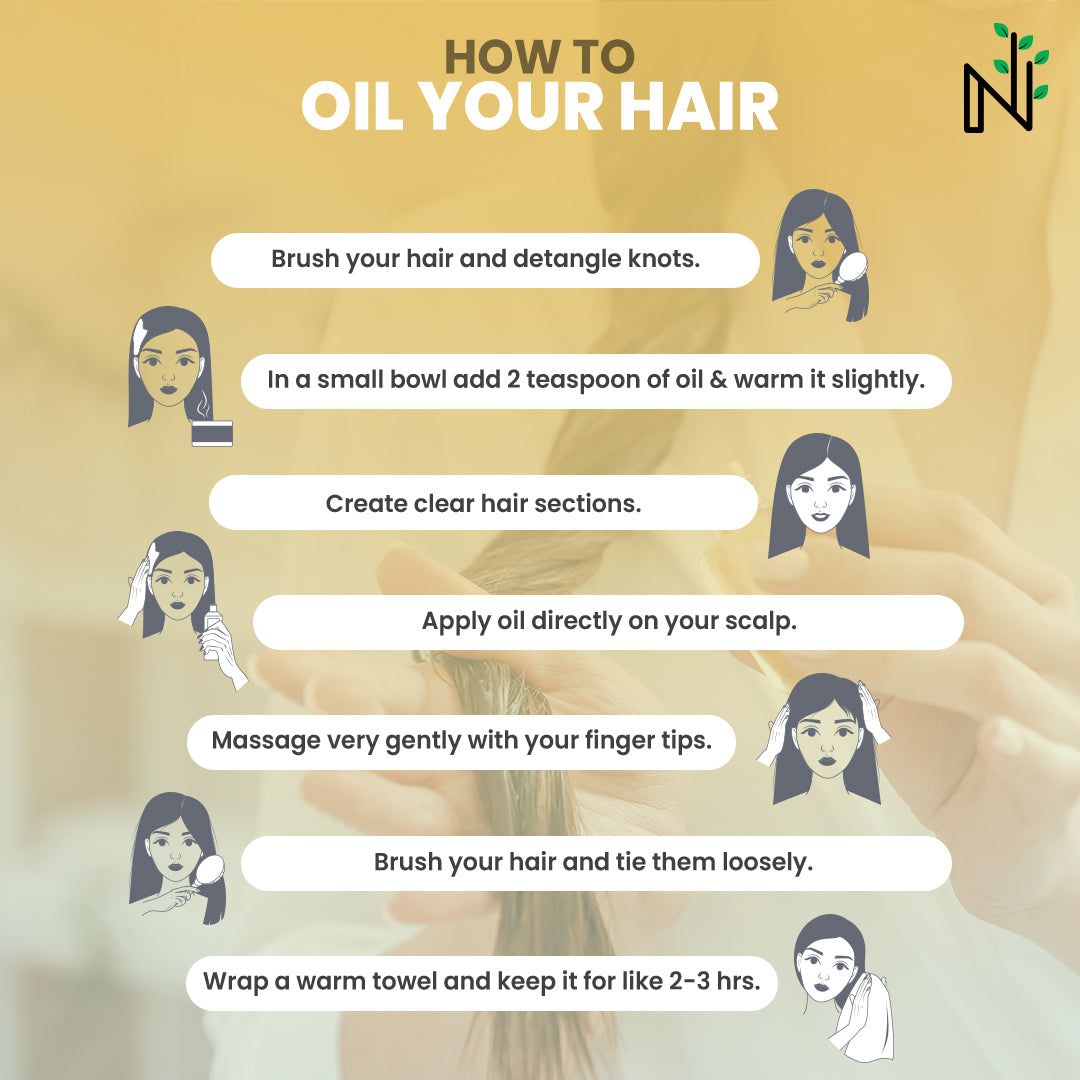
- The Pre-Wash Treatment: Apply penetrating oils like coconut or argan oil to dry hair 30–60 minutes before showering. This allows the oil to stabilize the hair structure before it is subjected to the swelling and mechanical stress of water.
- The "LCO" Method: This stands for Liquid (water or leave-in conditioner), Cream, and Oil. By applying oil last, you seal the preceding layers of moisture into the hair. This is particularly effective for curly and coily hair textures that require sustained moisture retention.
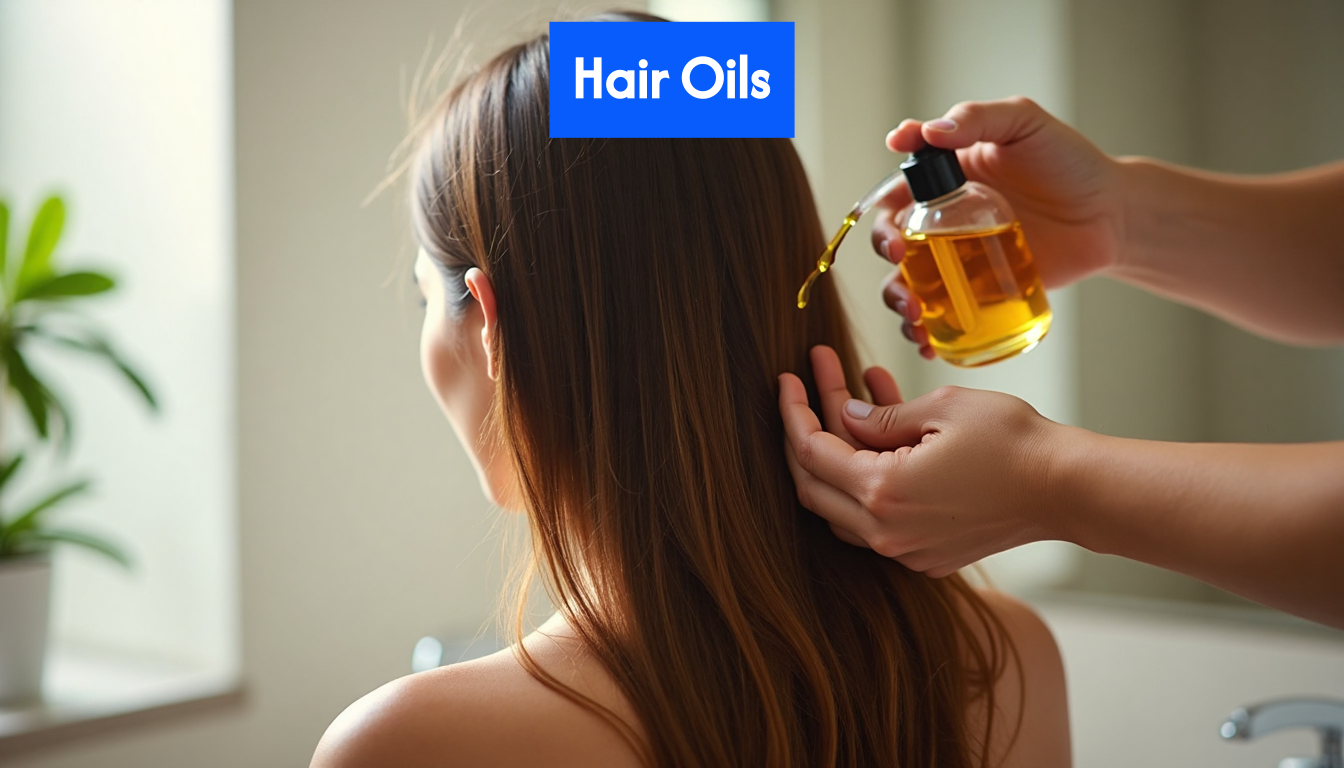
- The Drop Method: Especially for fine hair, less is more. Dispense two to three drops of oil into your palms, rub them together to warm the product, and focus the application on the mid-lengths and ends. Warming the oil reduces its viscosity, allowing for more even distribution without oversaturating specific strands.
Troubleshooting Common Issues
- Hair Feels Greasy: You are likely using too much product or an oil that is too heavy for your porosity level. Transition to a lighter oil, such as grapeseed or jojoba, and reduce the frequency of application.
- Hair Feels Brittle Despite Oiling: You are likely sealing in dryness. Oils do not provide moisture; they only trap it. Ensure you are applying oil over damp hair or a water-based leave-in product.
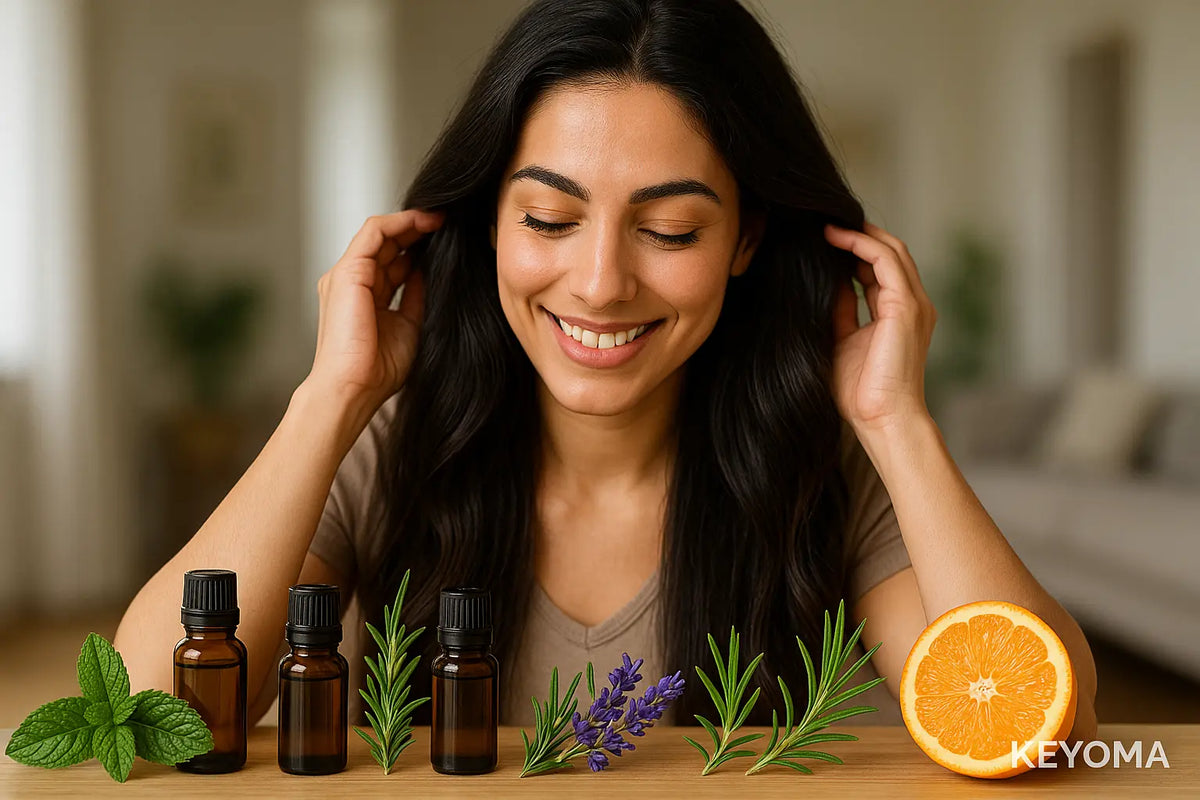
- Scalp Irritation: Discontinue use immediately. Some natural oils, especially essential oil-infused blends, can cause contact dermatitis. Perform a patch test on your inner forearm 24 hours before applying any new product to your scalp.
Note: If you suffer from chronic scalp conditions like severe dandruff or psoriasis, consult a dermatologist before introducing oils to your routine. Natural oils are cosmetic, not medicinal, and should not replace treatments prescribed for diagnosed skin conditions.
Frequently Asked Questions
Can I mix different oils together? Yes, blending oils allows you to combine benefits. For example, mixing a penetrating oil (like argan) with a sealing oil (like castor) can create a custom blend that both hydrates and protects. Ensure the oils are properly emulsified or shaken before use.
How often should I oil my hair? Frequency depends on your hair's thirst. Those with dry, curly, or color-treated hair may benefit from daily light sealing. Those with fine, straight hair might only need oiling once or twice a week, or strictly as a pre-wash treatment.
Do natural oils expire? Yes. Cold-pressed oils have a shelf life and can go rancid. If your oil develops a sour or "off" smell, or if the texture becomes tacky, it has oxidized and should be discarded. Store oils in a cool, dark place to extend their viability.
Is it better to apply oil to wet or dry hair? For sealing purposes, apply to damp hair to trap water molecules inside. For deep conditioning or scalp treatments, applying to dry hair is often more effective, as it prevents the water from acting as a barrier to the oil’s penetration.
Will oils help my hair grow faster? No topical oil has been scientifically proven to increase the rate of hair follicle growth. Oils can improve the retention of length by preventing breakage at the ends, which creates the appearance of faster growth, but they do not influence the biological cycle of the follicle itself.
Final Recommendation
To determine the best oil for your hair in 2026, start by assessing your hair's reaction to a small, controlled application. Begin with a single-ingredient, high-quality argan oil. Apply it to damp ends to observe if your hair remains soft or becomes greasy. If your hair feels dry, move toward heavier oils; if it feels weighed down, transition to lighter, plant-based oils like squalane or sweet almond. Consistent observation of your hair's texture and shine will guide you toward the optimal regimen for your unique hair profile.
Image Gallery