Comprehensive Guide to Inmate Visitation in Las Vegas: Rules, Schedules, and Procedures (2026)
To visit an inmate in Las Vegas in 2026, you must first identify the specific facility—either the Clark County Detention Center (CCDC), the Las Vegas City Jail, or a state prison. Most facilities require visitors to register through a...
To visit an inmate in Las Vegas in 2026, you must first identify the specific facility—either the Clark County Detention Center (CCDC), the Las Vegas City Jail, or a state prison. Most facilities require visitors to register through a digital portal like Securus or GTL/GettingOut, schedule sessions 24–48 hours in advance, and strictly adhere to a conservative dress code and valid government-issued photo ID requirements.
Contents
Navigating the correctional system in Southern Nevada can be daunting, especially when trying to maintain contact with a loved one. Las Vegas operates under a multi-jurisdictional system where an individual may be held in a city, county, or state facility depending on the nature of their charges and the stage of their legal proceedings. As of 2026, visitation has moved primarily toward a "digital-first" model, emphasizing video conferencing, though limited on-site options remain available at certain locations.
Identifying the Correct Facility
Before attempting to schedule a visit, you must confirm exactly where the inmate is being housed. In Las Vegas, there are three primary local destinations for detainees, plus state-run prisons for those already sentenced.
- Clark County Detention Center (CCDC): Located in downtown Las Vegas at 330 S. Casino Center Blvd. This is the largest jail in the region, housing those arrested by the Las Vegas Metropolitan Police Department (LVMPD) or those facing gross misdemeanor and felony charges in Clark County.
- Las Vegas City Detention Center: Located at 3300 Stewart Ave. This facility typically houses individuals arrested for municipal code violations or misdemeanors within the city limits.
- North Las Vegas Detention Center: Located at 2332 Las Vegas Blvd North. This facility serves the North Las Vegas jurisdiction and often contracts with other agencies, including federal immigration authorities.
- Nevada Department of Corrections (NDOC): If the individual has been sentenced to prison, they are likely at High Desert State Prison (HDSP) or Florence McClure Women’s Correctional Center (FMWCC), both located in the greater Las Vegas/Indian Springs area.
Each of these facilities maintains its own independent inmate search tool. You will need the inmate’s full legal name and, if possible, their ID or booking number to verify their location and eligibility for visitation.
Clark County Detention Center (CCDC) Visitation Rules
The CCDC is the most common facility for inmate visitation in Las Vegas. In 2026, the facility continues to utilize a hybrid visitation model, combining on-site video kiosks and remote video visitation.
Registration and Scheduling
To visit someone at CCDC, you must register an account with the facility's designated service provider (currently Securus Technologies). During registration, you must provide a valid email address, a photo of your government-issued ID, and a "selfie" for identity verification. Once the account is approved—which typically takes 24 to 72 hours—you can schedule a visit.
Visits must be scheduled at least 24 hours in advance but no more than seven days ahead of time. Inmates are generally allowed one 20-minute on-site visit per week for free, while remote video visits (conducted from your home via a computer or smartphone) incur a per-minute fee.
On-Site Visitation Requirements
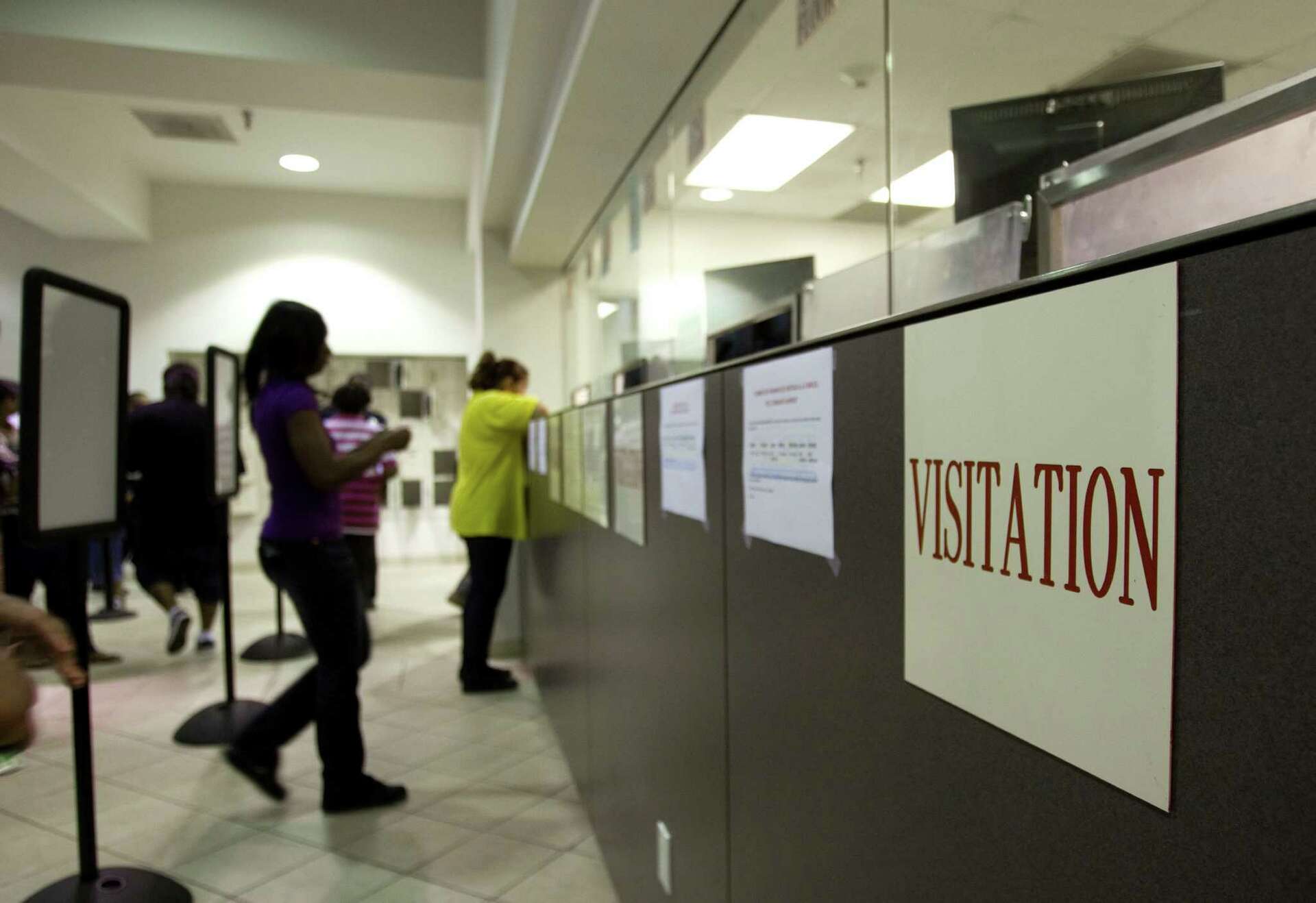
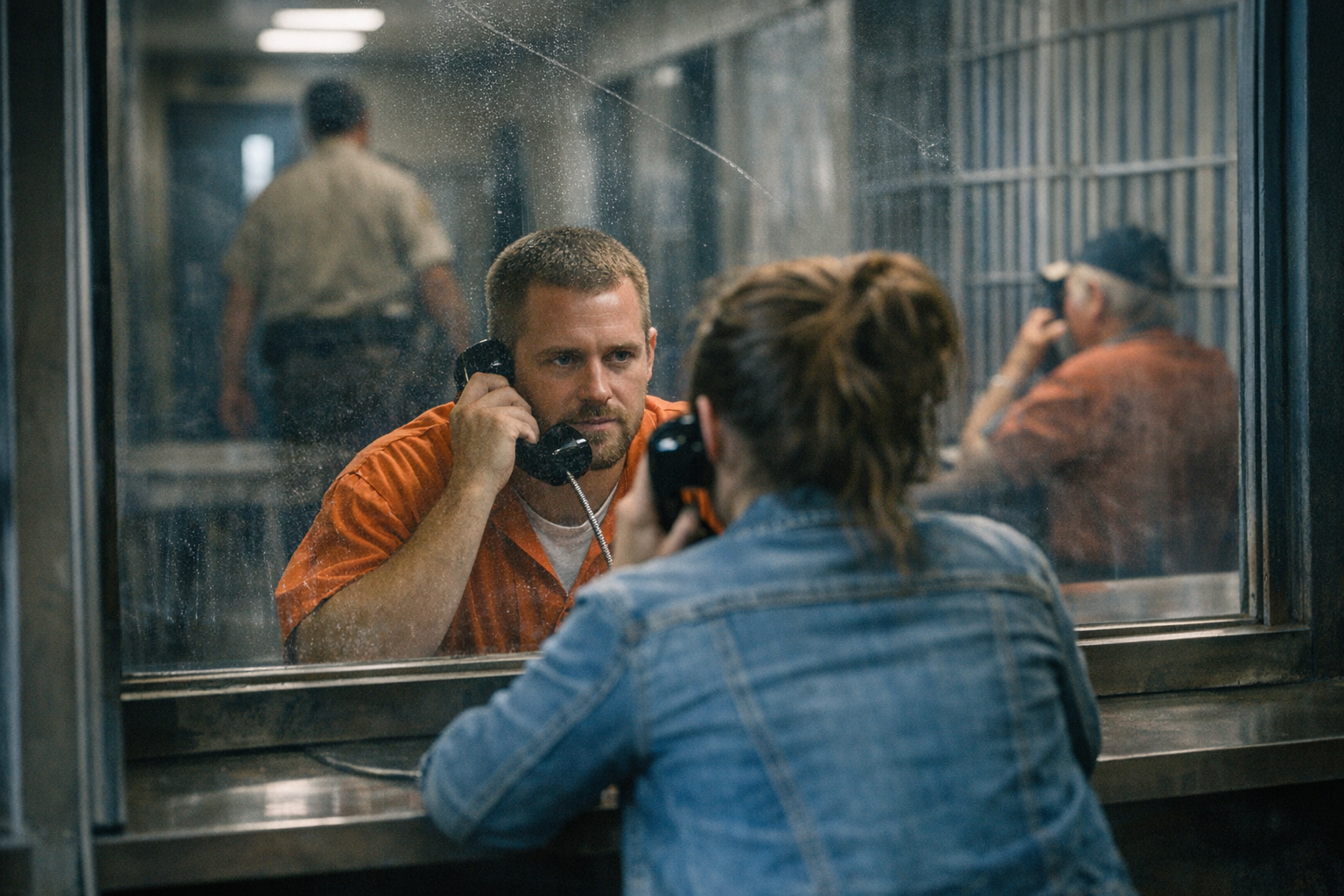
If you choose to visit on-site at the CCDC, arrive at the visitation center at least 15 minutes before your scheduled time. You will not see the inmate through glass; instead, you will sit at a video terminal while the inmate remains in their housing unit.
- Identification: Every adult visitor must present a valid, unexpired government-issued photo ID (Driver’s License, Passport, or Military ID).
- Minors: Children under 18 must be accompanied by a legal parent or guardian. The minor’s birth certificate must be presented during the first visit to establish the relationship.
- Search: All visitors are subject to a search of their person and belongings. Most facilities provide small lockers for a nominal fee to store cell phones and purses, as these are strictly prohibited in the visitation area.
Las Vegas City Jail Visitation Procedures
The City of Las Vegas Detention Center operates differently than the county facility. While it also uses video visitation, the scheduling platform may differ (often utilizing GTL/GettingOut).
Visitation Hours and Limits
As of 2026, the City Jail typically offers visitation hours between 8:00 AM and 10:00 PM, though specific blocks are reserved for different housing units. Inmates are usually permitted two 30-minute visits per week. Unlike the CCDC, the City Jail may offer more flexible "walk-in" video visitation if terminals are available, though pre-scheduling is always recommended to ensure a slot.
Conduct and Prohibited Items
The City Jail maintains a zero-tolerance policy for disruptive behavior. If a visitor or inmate becomes loud, uses profanity, or engages in inappropriate gestures during a video session, the visit will be terminated immediately, and the visitor may be banned from future sessions.
The Nevada Department of Corrections (State Prison)
For those visiting High Desert State Prison or other NDOC facilities, the process is significantly more rigorous. Unlike local jails, state prisons require a formal Visitor Application process.
- The Application: You must fill out a multi-page background check form. This includes disclosing your criminal history.
- Wait Time: Approval can take anywhere from 30 to 90 days. You cannot schedule a visit until you receive a formal approval letter or email.
- Scheduling: Once approved, visits are scheduled through the NDOC’s specific portal. State prisons frequently implement "contact visits" (sitting at a table with the inmate), which are subject to much stricter security screenings, including canine sniffs and metal detectors.
Mandatory Dress Code for All Facilities
One of the most common reasons for visitation denial in Las Vegas is a dress code violation. Security staff have broad discretion to determine what constitutes "inappropriate" attire. To ensure your visit is not canceled, follow these 2026 guidelines:
- Prohibited Colors: Avoid wearing solid orange, tan, or lime green, as these often mimic inmate uniforms.
- Footwear: Shoes must be worn at all times. Flip-flops are often discouraged; closed-toe shoes are the safest choice.
- Coverage: Clothing must not be sheer or see-through. Shoulders, midriffs, and cleavage must be fully covered.
- Length: Skirts, dresses, and shorts must reach at least mid-thigh or below the knee, depending on the specific facility’s current strictness.
- Headwear: Hats, caps, and bandanas are generally prohibited unless they are worn for documented religious reasons (e.g., hijabs, turbans), and even then, they are subject to inspection.
Visitation Logistics and Comparison Table
The following table summarizes the primary visitation characteristics for the three major local facilities in the Las Vegas area for 2026.
| Feature | Clark County Detention Center (CCDC) | Las Vegas City Jail | North Las Vegas Detention Center |
|---|---|---|---|
| Primary Location | 330 S. Casino Center Blvd | 3300 Stewart Ave | 2332 Las Vegas Blvd N |
| Visitation Type | Video (On-site & Remote) | Video (On-site & Remote) | Video / Limited Contact |
| Scheduling Platform | Securus Technologies | GTL / GettingOut | Smart Communications |
| Scheduling Lead Time | 24 Hours | 24 Hours | 48 Hours |
| Cost (On-site) | 1 Free Visit/Week | Varies by Unit | 1 Free Visit/Week |
| ID Requirement | Gov-issued Photo ID | Gov-issued Photo ID | Gov-issued Photo ID |
| Minor Requirements | Birth Certificate Required | Birth Certificate Required | Birth Certificate Required |
Common Mistakes and Troubleshooting
Even with a scheduled appointment, several factors can lead to a canceled visit. Understanding these pitfalls can save time and frustration.
Inmate Lockdowns and Transfers
If a housing unit is placed on "lockdown" due to a security incident, all visitation (including remote video) is immediately suspended. These lockdowns can last from a few hours to several days. Furthermore, if an inmate is in the process of being transferred to another facility or is in court, your visit will be canceled. In most cases, fees for remote visits are refunded if the cancellation was initiated by the facility.
Technical Failures
For remote video visits, the most common issue is a poor internet connection. Most 2026 visitation apps require a minimum upload/download speed of 5 Mbps. If your connection drops, the system may count the visit as "completed," and you may not be able to reconnect. Always test your camera and microphone within the app at least 10 minutes before the start time.
Outstanding Warrants
It is a common misconception that jails check every visitor for warrants upon entry. However, at the CCDC and City Jail, your identification is run through a basic database. If you have an active "No Bail" warrant or a high-level felony warrant in the state of Nevada, you risk being detained when you present your ID at the visitation desk.
Frequently Asked Questions
Can I bring my cell phone into the visitation area? No. Cell phones, tablets, and smartwatches are strictly prohibited inside the physical visitation centers of all Las Vegas jails. You must leave these in your vehicle or use the on-site lockers. Recording a visitation screen or taking photos during a remote session is also a violation of terms and can result in a permanent ban.
How many people can participate in a single visit? For on-site video visits, the limit is typically two adults and one small child who can sit on a lap. For remote video visits, the rules are slightly more relaxed, but all participants must be registered on the account and must adhere to the dress code, even if they are in their own home.
Can I visit an inmate if I have a criminal record? In local jails (CCDC and City Jail), having a past criminal record generally does not bar you from visitation unless you are currently on parole/probation and your officer has restricted such contact, or if you were a co-defendant in the inmate's current case. However, for state prisons (NDOC), a felony conviction within the last several years may result in an automatic denial of your visitor application.
What happens if I am late for my scheduled visit? The visitation systems are automated. If your visit is scheduled for 2:00 PM to 2:20 PM and you log in or arrive at 2:10 PM, you will only have the remaining 10 minutes. If you are more than 15 minutes late, the session is usually canceled automatically.
Are visits monitored or recorded? Yes. All inmate communications, including on-site and remote video visits, are recorded and monitored by law enforcement. The only exception is for "Attorney-Client" visits, which must be scheduled through a separate professional portal and verified with a Bar card. Do not discuss sensitive legal details or ongoing criminal activities during a standard visit.
Practical Recommendation
If you are planning to visit an inmate in Las Vegas for the first time, your first step should be to use the LVMPD Inmate Search for county detainees or the City of Las Vegas portal for city detainees. Once the location is confirmed, register with the appropriate service provider (Securus or GTL) immediately, as the verification process is the most frequent cause of delay. For the visit itself, choose the "Remote Video" option if your budget allows; while it carries a small fee, it avoids the logistical hurdles of downtown parking and the strict security screenings of the physical visitation centers.
Image Gallery