The Steam Hacker Meme: Origins, Popular Templates, and the Reality of Steam Account Security
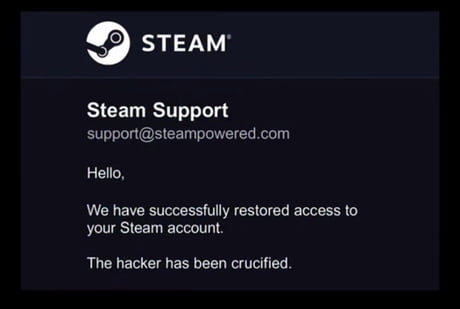
The Steam hacker meme refers to a widespread subgenre of gaming internet culture that parodies absurd phishing attempts, broken English scam messages, dramatic "script kiddie" tropes, and fake admin impersonations on Valve’s Steam plat...
The Steam hacker meme refers to a widespread subgenre of gaming internet culture that parodies absurd phishing attempts, broken English scam messages, dramatic "script kiddie" tropes, and fake admin impersonations on Valve’s Steam platform. These memes contrast hilarious, high-pressure threat tactics used by amateur scammers with the actual mechanics of modern cybersecurity threats.
Contents
The Evolution of Steam Hacking in Internet Culture
Internet memes surrounding gaming security have existed almost as long as Valve’s Steam service itself. When Steam launched in September 2003, account management was relatively rudimentary compared to today's multi-factor authentication systems. Early multiplayer games like Counter-Strike 1.6, Half-Life 2, and later Team Fortress 2 became prime hunting grounds for opportunistic account theft.
During the late 2000s and early 2010s, scam attempts were often extraordinarily blatant. Automated bots or inexperienced bad actors would direct-message players with broken syntax, claiming to be Gabe Newell or a senior Valve developer requiring immediate password verification. Community forums on Reddit, HLTV, and Steam Users' Forums began archiving these interaction screenshots, birthing the template of the "Steam Hacker."
With the introduction of the Steam Community Market and high-value virtual cosmetic items—particularly Counter-Strike: Global Offensive (now Counter-Strike 2) weapon skins and Dota 2 rare items—the financial incentive behind Steam account hijacking exploded. As trading mechanics evolved, so did the humor surrounding scam attempts. What started as simple forum screenshots transitioned into short-form videos, image macros, Discord copypastas, and viral TikTok skits.
Deconstructing the Archetypes of the Steam Hacker Meme
The humor in Steam hacker memes generally stems from the massive gap between a scammer’s perception of themselves as a master cybercriminal and their actual low-effort execution. Over the years, several distinct meme archetypes have emerged across social media platforms like Reddit's r/Steam, r/csgo, and Twitter/X.
1. The "Hello Sir I Am Steam Admin" Template
This template mocks scammers who impersonate Valve employees or official community moderators. The typical setup involves an uninvited chat message claiming that the victim’s account has been mistakenly reported for fraudulent purchases, duped items, or illegal trading.
To resolve the non-existent issue, the "admin" demands that the target transfer their expensive inventory to a "verification account" or hand over one-time Steam Guard authentication codes. The meme parodies this through deliberately exaggerated scripts, absurd threats of immediate police intervention, and comically broken grammar ("Your account will be terminate permanently in 5 minute").
2. The Inspect Element "Master Hacker"
A classic staple of internet prank culture, this meme features someone using their web browser’s built-in developer tools (F12 or Inspect Element) on the Steam Community website. By changing the HTML text to display an astronomical Steam Wallet balance (e.g., $999,999,999) or editing account ban notifications, the creator films themselves reacting as if they have bypassed Valve’s mainframes.
The punchline often highlights how easily fake screenshots can be created to trick naive traders into believing someone has infinite funds or official Valve administrative controls.
3. The "Accidental Report" Discord Scam Parody
In recent years, the dominant scam method shifted heavily toward third-party chat services like Discord. Scammers message users claiming, "I accidentally reported your Steam account for illegal purchases, and the support staff said your account will be banned unless you talk to them."
Memes surrounding this tactic involve users wasting the scammer's time, sending absurd reaction images, or responding with reverse-trolling scripts. Content creators frequently film hours-long interactions where they lead the fake Steam representative down bizarre, unscripted conversational paths.
4. The Hollywood "Hackerman" Aesthetic
These short-form video memes combine dramatic cyber-thriller music, rapid keyboard mashing, falling green binary code (reminiscent of The Matrix), and extreme close-ups, only to reveal that the "hacker" is simply sending a fake free gift link or changing their Steam profile picture to a default anonymous avatar.
Cultural Impact Note
The enduring popularity of Steam hacker memes serves an unintentional public service. By turning common phishing scripts into recognizable internet jokes, the gaming community naturally educates younger or less experienced players on how to identify fraudulent communication patterns.
Meme Mechanics vs. Real Steam Security Threats
While memes portray Steam hackers as comical individuals typing broken sentences into chat boxes, real-world account compromises rely on automated, sophisticated social engineering and web infrastructure. Understanding the contrast between meme tropes and actual security vectors is essential for any active PC gamer.
| Feature / Aspect | The "Steam Hacker" Meme | Real-World Steam Threat Vector |
|---|---|---|
| Primary Method | Hilarious direct messages, manual chat threats, bad grammar. | Malicious OAuth login pages, API key hijacking, phishing domain typos. |
| Attacker Profile | Script kiddies, amateur scammers typing in real-time. | Automated botnets, organized cybercrime groups running phishing kits. |
| Target Asset | Demanding full account access or password directly in text. | Intercepting session tokens, trade URLs, and Steam Guard codes. |
| Visual Indicators | Fake admin badges edited in Paint, Inspect Element balance edits. | Pixel-perfect clone websites of official Steam login popups. |
| Detection Ease | Extremely obvious; immediate dead giveaway. | High difficulty; often uses deceptive URL characters (homograph attacks). |
| Primary Risk | Wasted time and minor annoyance. | Complete inventory drain, trade manipulation, locked account status. |
The Real Cybersecurity Behind Steam Account Hijacking
To stay safe on Steam, players must look past the cartoonish depictions found in memes and understand how actual compromise vectors operate. Modern Steam account theft rarely involves "hacking" Valve’s servers directly; instead, it relies almost entirely on user credential harvesting through social engineering.
[Phishing Site / Fake Tournament] ---> [Victim Enters Credentials & Guard Code] ---> [Scammer Intercepts API Key] ---> [Automated Trade Redirection (API Scam)]
1. Phishing via OAuth and Fake Login Windows
The most dangerous modern threat is the fake Steam sign-in portal. Bad actors construct websites for fake esports tournaments, skin gambling platforms, or voting pages for community artwork. When users click "Sign in through Steam," the website opens a pop-up window that visually mimics Valve’s legitimate OpenID authentication page.
In reality, this window is a stylized HTML container hosted entirely on the scammer's server. Once the victim types their username, password, and Steam Guard two-factor authentication code, automated backend scripts instantly harvest the credentials and initiate an authorized session.
2. Steam Web API Key Exploitation
An API (Application Programming Interface) key allows third-party tools to interact with a Steam user's profile and trade inventory automatically. Scammers who gain temporary access to an account will secretively generate a Steam Web API key on the victim's profile.
Once the API key is active, the attacker does not even need to change the password immediately. Instead, they wait for the user to make a legitimate trade with a friend or trusted trade bot. The malicious API key detects the outgoing trade, automatically cancels it, clones the recipient's avatar and profile name onto a bot account controlled by the attacker, and re-sends the trade request to the fake recipient. The victim accepts the trade on their mobile phone, unknowingly sending their items to the scammer.
3. Malicious Browser Extensions and Discord Links
Direct links sent via Steam chat or Discord often lead to malicious browser extensions or "free Steam Wallet" generators. Downloading unauthorized software or installing unvetted extensions can allow attackers to steal browser cookies, bypassing two-factor authentication entirely through session hijacking.
Step-by-Step Guide: How to Secure Your Steam Account
If you suspect your account has been targeted by scammers, or if you simply want to harden your security post-2026 standards, follow these essential operational steps.
Enable Steam Guard Mobile Authenticator
- Download the official Steam app on your iOS or Android device.
- Navigate to the Steam Guard menu tab and select Add Authenticator.
- Follow the on-screen prompts to bind your mobile phone number. Two-factor authentication requires physical access to your phone to approve logins and sensitive inventory trades.
Revoke Authorized Web API Keys
- Open your web browser and navigate directly to the official Steam API key management page (
steamcommunity.com/dev/apikey). - Log in securely.
- If you see an active API key that you did not explicitly register for development purposes, click Revoke My Steam Web API Key immediately.
- Open your web browser and navigate directly to the official Steam API key management page (
Deauthorize All Devices
- Open your Steam Desktop Client settings or web browser account details.
- Navigate to Account Details > Manage Steam Guard.
- Click Deauthorize all other devices. This forces every active session, web browser, and mobile instance to log out immediately, invalidating stolen session cookies.
Change Password and Update Account Recovery Info
- Update your Steam account password to a unique, complex passphrase not used on any other website.
- Verify that your linked email address has not been compromised and has its own independent two-factor authentication enabled.
Reset Trade URL and Inspect Security Settings
- If your trade link was exposed on public websites, generate a new trade URL within your inventory settings.
- Set your inventory privacy to "Friends Only" or "Private" if you frequently receive unsolicited add requests from trading bots.
Frequently Asked Questions
What is the "Steam Hacker" meme?
The Steam hacker meme is a category of internet culture poking fun at amateur scammers, broken English phishing messages, fake Steam admin impersonators, and inspect-element tricks. It parodies the aggressive, absurd tactics people use to try to steal Steam accounts and virtual items.
Can someone hack my Steam account just by knowing my Steam ID?
No, your Steam ID (SteamID64) is public information displayed on community profile pages and custom URLs. An attacker cannot hack your account using only your Steam ID; they require your private password, session tokens, or two-factor Steam Guard authentication code.
What should I do if a Steam Admin messages me on Discord or Steam chat?
Valve employees and Steam Support representatives will never contact you via Steam chat, Discord, or third-party messaging apps regarding account bans or reports. Any user claiming to be an admin in a private message is an active scammer and should be reported and blocked immediately.
How does an API key scam work on Steam?
An API key scam occurs when an attacker gains access to your Steam account and secretly generates an API key. This key allows their automated bot to monitor your trade activity, cancel your legitimate outgoing trades, and recreate them using a fake bot profile that steals your items.
Is the "Inspect Element" trick a real Steam hack?
No, using Inspect Element only changes how a webpage visually displays locally on your own web browser screen. It does not alter data on Valve's server, grant free Steam Wallet funds, or allow access to other users' accounts.
Maintaining Security Literacy in Modern Gaming Culture
The Steam hacker meme remains a resilient piece of gaming subculture because it transforms real online anxiety into shared humor. While laughing at amateur scam attempts provides entertainment, players must remain vigilant against modern, silent phishing methods like API hijacking and deceptive OpenID popups.
By keeping Steam Guard Mobile Authenticator active, regularly auditing registered API keys, and remembering that official Valve staff will never direct-message users for account verification, PC gamers can safely enjoy both their virtual inventories and the memes that surround them.
Image Gallery