Converting 9 AM EST to Spain Time: A Comprehensive 2026 Scheduling Guide
When it is 9:00 AM EST (Eastern Standard Time) in North America, the time in mainland Spain is 3:00 PM (15:00). This represents a six-hour time difference, assuming both regions are observing standard time or are both in their respecti...
When it is 9:00 AM EST (Eastern Standard Time) in North America, the time in mainland Spain is 3:00 PM (15:00). This represents a six-hour time difference, assuming both regions are observing standard time or are both in their respective daylight saving periods.
Contents
Understanding the temporal relationship between the Eastern United States and Spain is more complex than a simple addition of hours. Because both regions utilize Daylight Saving Time (DST) but transition on different dates, the gap fluctuates throughout the year. For professionals, travelers, and expatriates operating in 2026, mastering these nuances is essential for avoiding missed meetings, ensuring logistical synchronization, and managing international communications effectively.
The Fundamentals of Eastern Standard Time (EST)
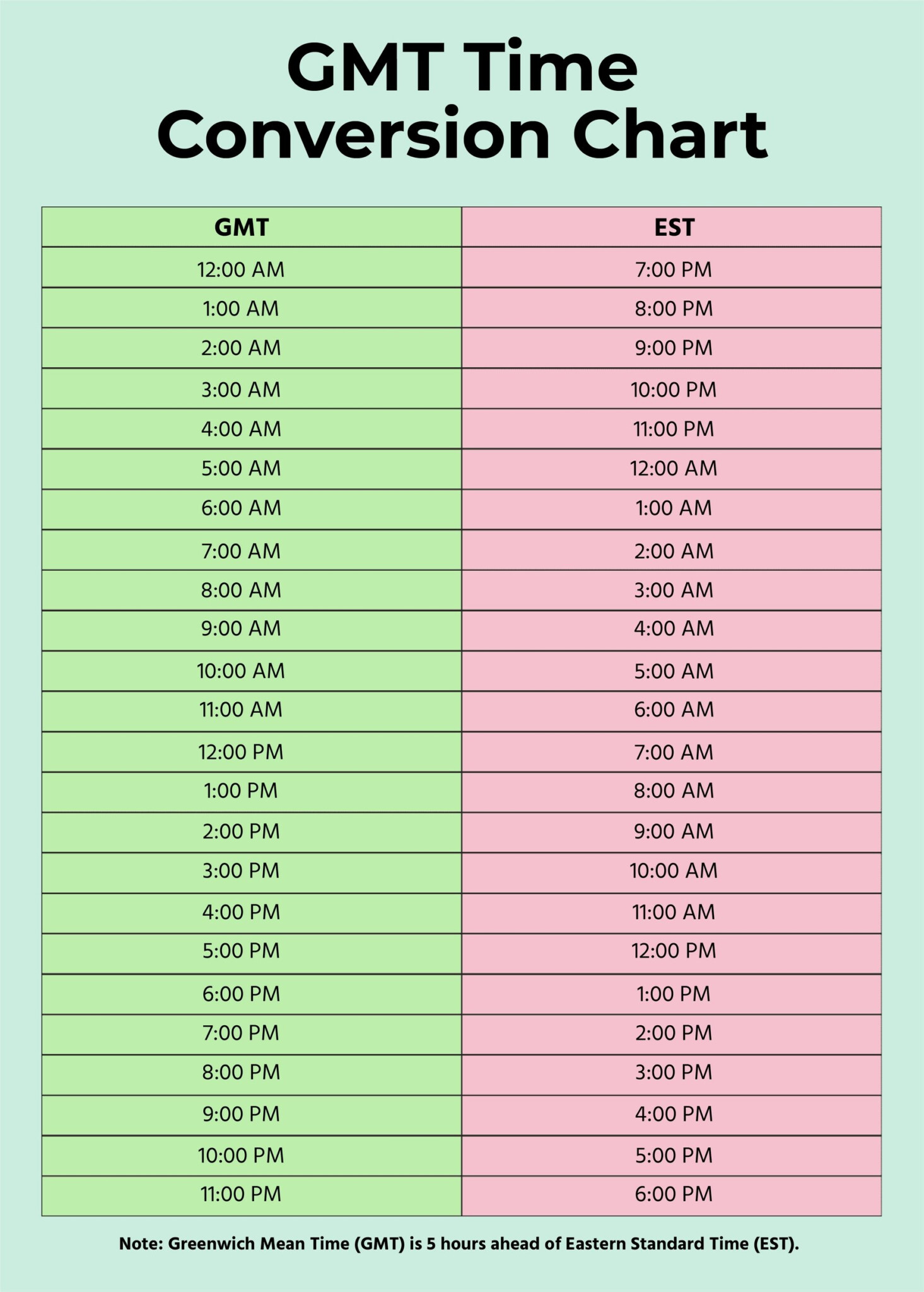
To accurately convert 9 AM EST to Spanish time, one must first define the parameters of the Eastern time zone. Eastern Standard Time is five hours behind Coordinated Universal Time (UTC-5). It is the primary time zone for the eastern seaboard of the United States, parts of eastern Canada, and several countries in the Caribbean and Central America.
Major hubs operating under this designation include New York City, Washington D.C., Toronto, and Miami. However, a common point of confusion is the distinction between EST and EDT (Eastern Daylight Time). From the second Sunday in March until the first Sunday in November, these regions typically shift to EDT (UTC-4). In 2026, this shift occurs on March 8 and ends on November 1. When a user asks for "9 AM EST" specifically, they are technically referring to the winter offset, though the intent often encompasses "Eastern Time" generally.
Identifying the Geographic Scope of EST
While we often associate EST with the United States, it is a shared standard across a massive longitudinal stretch. In 2026, the following areas remain critical for EST-to-Spain synchronization:
- The U.S. Eastern Seaboard: Financial markets in New York and political centers in D.C.
- Eastern Canada: Specifically Ontario and Quebec, which house the majority of Canada’s corporate headquarters.
- Panama and Jamaica: These regions remain on EST year-round, meaning they do not observe daylight savings, which can further complicate calculations when the U.S. shifts to EDT.
Understanding Spain’s Time Zones: CET and CEST
Spain primarily operates on Central European Time (CET), which is UTC+1 during the winter months. Like the U.S., Spain observes daylight savings, transitioning to Central European Summer Time (CEST), which is UTC+2.
A fascinating historical and technical note regarding Spain is its geographical position. Geographically, much of Spain lies within the longitudinal bounds that would naturally suggest Western European Time (the same as the UK and Portugal). However, since 1940, mainland Spain has aligned its clocks with Central Europe. This means that at 3:00 PM in Madrid, the sun is often lower in the sky than it would be at 3:00 PM in other UTC+1 regions, a factor that influences Spain's unique social and business schedules.
The Canary Islands Exception
It is a frequent mistake to assume all of Spain operates on the same clock. The Canary Islands (including Tenerife, Gran Canaria, and Lanzarote) observe Western European Time (WET/WEST). This region is always one hour behind mainland Spain. Therefore, when it is 9:00 AM EST, it is 2:00 PM (14:00) in the Canary Islands. Failure to account for this can result in significant errors for logistics providers or travelers heading to the archipelagos.
The 6-Hour Rule and the "Shoulder" Periods
For the vast majority of the year, the difference between the Eastern U.S. and Spain is exactly six hours. This applies when both are in standard time (EST to CET) or both are in daylight time (EDT to CEST).
However, the "shoulder" periods—the weeks in March and October/November when one region has switched clocks but the other has not—create a five-hour or seven-hour gap. In 2026, these windows are particularly important:
- The Spring Gap (March 8 – March 29, 2026): The U.S. moves to EDT on March 8, but Europe does not move to CEST until March 29. During these three weeks, the difference narrows to 5 hours. Thus, 9:00 AM EDT becomes 2:00 PM in Madrid.
- The Autumn Gap (October 25 – November 1, 2026): Europe moves back to CET on October 25, while the U.S. remains on EDT until November 1. During this week, the difference also narrows to 5 hours.
2026 Conversion Table: 9 AM Eastern Time to Spain
This table provides the conversion for 9 AM Eastern Time (covering both EST and EDT) to the local time in Madrid (Mainland) and Las Palmas (Canary Islands) for the 2026 calendar year.
| 2026 Date Range | US Time Zone | Spain (Mainland) Time | Canary Islands Time | Time Difference |
|---|---|---|---|---|
| Jan 1 – March 7 | 9 AM EST | 3 PM (15:00) | 2 PM (14:00) | 6 Hours |
| March 8 – March 28 | 9 AM EDT | 2 PM (14:00) | 1 PM (13:00) | 5 Hours |
| March 29 – Oct 24 | 9 AM EDT | 3 PM (15:00) | 2 PM (14:00) | 6 Hours |
| Oct 25 – Oct 31 | 9 AM EDT | 2 PM (14:00) | 1 PM (13:00) | 5 Hours |
| Nov 1 – Dec 31 | 9 AM EST | 3 PM (15:00) | 2 PM (14:00) | 6 Hours |
Strategic Business Communication Across Six Time Zones
The 9 AM EST to 3 PM Spain conversion represents a "sweet spot" for international business. As the workday begins in New York, the afternoon is just beginning in Spain. This overlap is critical for several industries.
Financial Markets and Fintech
When the New York Stock Exchange (NYSE) prepares to open at 9:30 AM EST, it is 3:30 PM in Madrid. This allows for nearly two hours of simultaneous trading between the U.S. markets and the Bolsa de Madrid, which typically closes at 5:30 PM local time. Professionals in arbitrage, currency exchange, and global fintech must be highly attuned to the 3:00 PM CET mark, as it often triggers a spike in volatility as American liquidity enters the global market.
Remote Work and Handover Protocols
For software development teams utilizing a "follow-the-sun" model, 9 AM EST is often the time for "stand-up" meetings or handovers. Spanish teams, having completed the bulk of their day, can brief their U.S. counterparts on progress. This six-hour offset is manageable, but it requires Spanish employees to be available in their late afternoon, which in Spanish culture, often aligns with the post-siesta period of high productivity.
Logistics and Supply Chain
For shipping and freight forwarding, the 9 AM EST / 3 PM CET window is the final opportunity for same-day processing of documents required for evening departures from European hubs like Madrid-Barajas (MAD) or the Port of Algeciras. Missing this window by an hour during the DST shoulder periods can result in a 24-hour delay in cargo movement.
Common Pitfalls and Calculation Mistakes
Despite the simplicity of adding six hours, several factors lead to frequent errors in time conversion.
- Assuming Constant Offsets: The most common mistake is forgetting the late March and late October DST shifts. Automated calendar invites (like Google Calendar or Outlook) usually handle this, but manual scheduling often fails during these 1–3 week windows.
- Confusing EST with EDT: Technically, 9 AM EST in July does not exist in New York; it is 9 AM EDT. If someone in Spain calculates based on "Standard" time (UTC-5) while the U.S. is actually in "Daylight" time (UTC-4), they will be an hour off.
- The Midnight Boundary: When converting times later in the day (e.g., 8 PM EST), the time in Spain shifts to the following day (2 AM). While not an issue at 9 AM, it is a reminder that the date line is effectively crossed during evening communications.
- Military vs. Standard Time: Spain predominantly uses the 24-hour clock (15:00) for official schedules, flights, and business. U.S. users must be comfortable converting 3 PM to 15:00 to avoid ambiguity in travel bookings.
Technical Tools for Time Conversion in 2026
To ensure 100% accuracy, especially during the 2026 DST transition windows, rely on authoritative technical sources:
- NTP (Network Time Protocol) Servers: For developers, querying an NTP server provides the most accurate UTC timestamp, which can then be adjusted using the IANA Time Zone Database (Zoneinfo).
- Official Government Portals: The U.S. Naval Observatory and the Real Instituto y Observatorio de la Armada (in Spain) provide the definitive legal time for their respective nations.
- World Clock Applications: Built-in OS clocks on Windows 11 and macOS Sequoia allow for multiple clock faces. Setting one specifically to "Madrid" and another to "New York" is the most effective way to maintain visual awareness of the gap.
FAQs
Is Spain always 6 hours ahead of EST?
No, Spain is not always 6 hours ahead. While 6 hours is the standard difference, it narrows to 5 hours for approximately three weeks in March and one week in late October/early November. This happens because the United States and the European Union do not synchronize their Daylight Saving Time transition dates.
What is 9 AM EST in Barcelona?
9 AM EST is 3 PM in Barcelona. Barcelona, like Madrid and the rest of mainland Spain, operates on Central European Time (CET/CEST). The time is the same across the entire Iberian Peninsula (excluding Portugal) and the Balearic Islands.
Does the time difference change if I am in the Canary Islands?
Yes. If you are in the Canary Islands, the time difference from EST is 5 hours during the majority of the year. When it is 9 AM EST, it is 2 PM in the Canary Islands. The archipelagos follow Western European Time, which is one hour behind the Spanish mainland.
How do I calculate the time difference mentally?
The easiest way to calculate the time in Spain from EST is the "Plus Six" rule. Simply add six hours to the current Eastern time. For example, 9 + 6 = 15. In a 12-hour format, 15:00 is 3 PM. Remember to subtract one hour from this result if you are calculating during the March or October DST "shoulder" periods.
Does Spain plan to abolish Daylight Saving Time by 2026?
As of 2026, the European Union has discussed the abolition of seasonal clock changes, but a unified implementation has faced bureaucratic delays. Currently, Spain continues to observe the transition between CET and CEST. It is vital to check official government announcements (Boletín Oficial del Estado) for any mid-year policy shifts regarding "hora de verano."
Practical Recommendation
For anyone coordinating between the U.S. Eastern Time Zone and Spain in 2026, always use "ET" (Eastern Time) or "Madrid Time" in communications rather than specific acronyms like EST or CET, which can be technically inaccurate depending on the season. If you are scheduling a recurring meeting that spans March or October, manually verify the 2026 DST dates (March 8, March 29, October 25, and November 1) to ensure the 5-hour gap does not disrupt your itinerary. For digital synchronization, ensure your device's "Set time zone automatically" feature is enabled, as this utilizes the most current IANA data to adjust for any local legislative changes in timekeeping.
Image Gallery