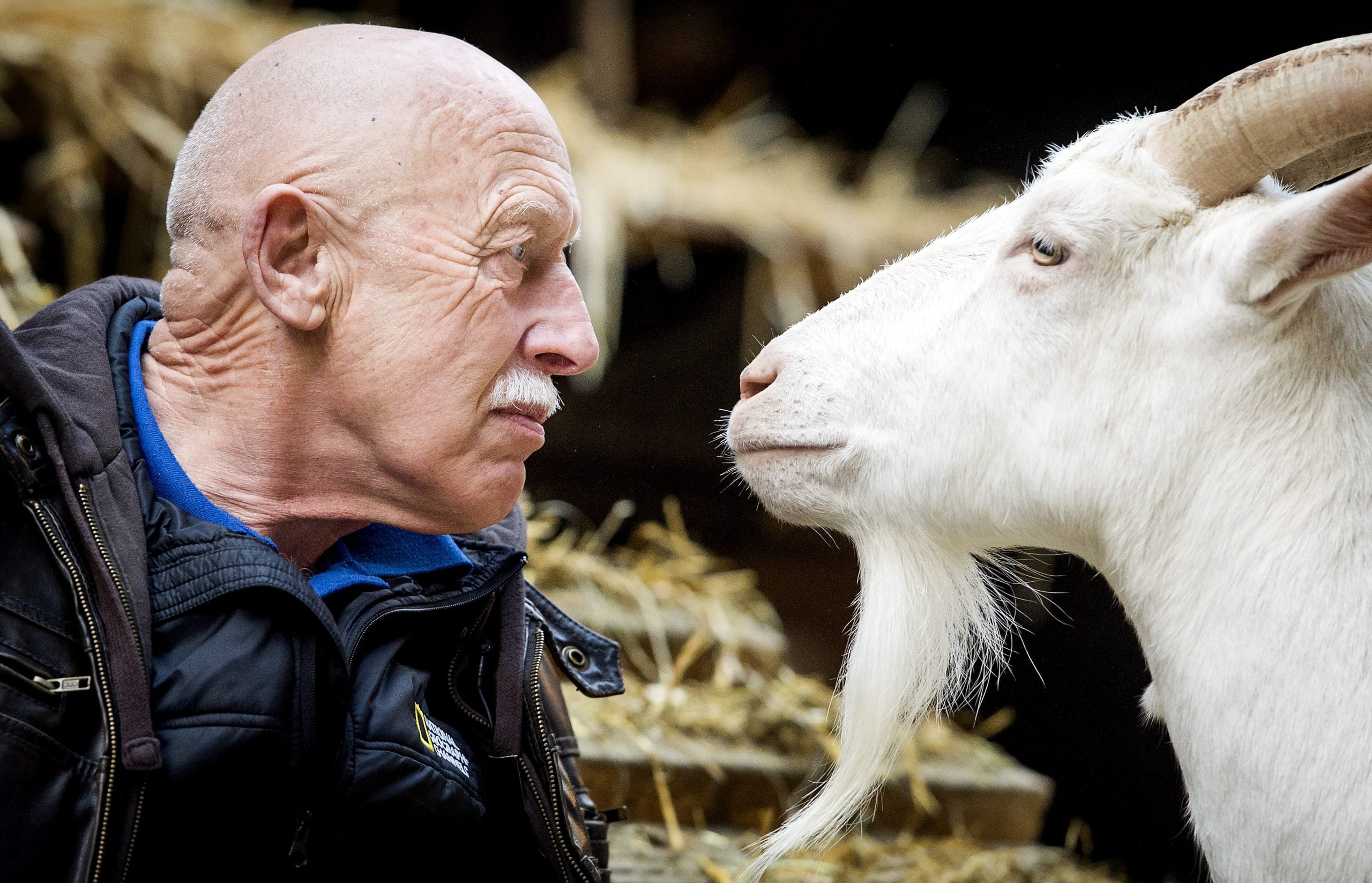
Dr. Pol and Dr. Elizabeth: Veterinary Legacy and Professional Evolution
Dr. Jan Pol and Dr. Elizabeth (often recognized through her veterinary practice alongside the Pol family and her contributions on the television series The Incredible Dr. Pol) represent a fascinating blend of traditional, high-volume r...
Dr. Jan Pol and Dr. Elizabeth (often recognized through her veterinary practice alongside the Pol family and her contributions on the television series The Incredible Dr. Pol) represent a fascinating blend of traditional, high-volume rural veterinary medicine and modern small-animal care. Understanding their professional dynamics requires examining the rigorous educational foundations, diagnostic standards, and operational philosophies that govern mixed-animal veterinary practices in rural Michigan.
Contents
Understanding the Roots of Pol Veterinary Services
The veterinary practice founded by Dr. Jan Pol in Deerfield Township, Michigan, has evolved from a small-town, large-animal ambulatory service into a nationally recognized institution. Dr. Jan Pol earned his veterinary degree from Utrecht University in the Netherlands in 1970, bringing a European model of practical, direct veterinary intervention to rural America. The practice long relied on immediate, hands-on diagnostics and mechanical efficiency, treating everything from dairy cattle and horses to domestic companion animals.
As the practice expanded, the need for additional veterinary talent became paramount. Integrating veterinarians who shared the philosophy of high-volume, cost-effective rural care shaped the daily workflow of the clinic. The introduction of younger associates, including practitioners like Dr. Elizabeth, bridged the gap between old-school large-animal endurance and contemporary veterinary protocols that emphasize advanced imaging, laboratory diagnostics, and specialized small-animal surgery.
Clinical Specializations and Comparative Practice Models
Rural mixed-animal practices require a distinct set of clinical competencies compared to urban small-animal hospitals. Veterinarians working in this environment must seamlessly transition between large-animal field surgery and small-animal emergency care.
The integration of different generations of veterinarians brings notable contrasts in technique and technology adoption. Below is a structural comparison of traditional rural veterinary methods versus modern integrated veterinary standards:
| Operational Dimension | Traditional Rural Practice Model | Modern Integrated Practice Model |
|---|---|---|
| Primary Diagnostics | Palpation, auscultation, clinical intuition, and basic field microscopy | Digital radiography, point-of-care ultrasound (POCUS), and external reference laboratories |
| Bovine Medicine | Herd health, manual pregnancy checks, emergency dystocias, and basic metabolic care | Genomic testing, automated milking system integration, and advanced nutritional profiling |
| Small Animal Surgery | Spay, neuter, and essential wound management utilizing rapid, high-volume protocols | Specialized soft tissue and orthopedic procedures with multi-modal pain management |
| Client Communication | Direct, unscripted farm-side consultation and verbal instructions | Detailed electronic medical records (EMR), digital discharge sheets, and text follow-ups |
Core Protocols in Mixed-Animal Veterinary Medicine
Operating a successful mixed-animal veterinary clinic demands strict adherence to biosecurity, pharmacological regulations, and emergency triage. Practitioners working within established rural clinics must navigate several critical operational protocols:
- Ambulatory Triage and Field Safety: Handling large livestock presents inherent physical hazards. Veterinarians must utilize proper physical restraints, chutes, and chemical sedatives to ensure the safety of both the animal and the operational staff.
- Rational Drug Use and Withdrawal Times: Treating food-producing animals requires rigorous compliance with federal regulations regarding drug residues. Veterinarians must calculate and communicate precise meat and milk withdrawal periods to prevent contamination of the human food supply.
- Diagnostic Workflows for Herd Outbreaks: When facing contagious bovine or equine diseases (such as bovine respiratory disease complex or equine herpesvirus), practitioners initiate immediate quarantine protocols, sample collection, and polymerase chain reaction (PCR) testing to curb regional spread.
- Companion Animal Preventative Medicine: Small animals require standardized vaccination schedules, parasite control programs, and nutritional counseling tailored to rural lifestyles where exposure to wildlife and vector-borne pathogens is elevated.
Operational Standards Note Veterinary Ethics and Animal Welfare: All clinical interventions must prioritize the alleviation of pain while balancing the economic realities faced by livestock producers and pet owners alike. Ethical decision-making in a rural practice often involves managing chronic conditions within the financial constraints of the client.
Pros and Cons of Traditional Rural Veterinary Practice
Examining the professional environment characterized by Dr. Pol's practice reveals distinct advantages and challenges for veterinary professionals entering the field.
Advantages
- High Clinical Diversity: Practitioners encounter a vast array of species and conditions daily, preventing professional stagnation and building comprehensive diagnostic dexterity.
- Deep Community Integration: Long-standing rural clinics form generational bonds with farming families and pet owners, fostering high levels of trust and loyalty.
- Hands-On Experience: The sheer volume of cases accelerates the development of surgical speed, physical diagnostic skills, and crisis-management capabilities.
Challenges
- Physical Demands: Large-animal ambulatory work requires enduring grueling weather conditions, heavy lifting, and physically exhausting manual labor.
- Emergency Burnout: On-call rotations for midnight calvings, colic surgeries, and traumatic injuries contribute to high rates of occupational fatigue within the industry.
- Resource Constraints: Balancing advanced technological investments with the economic pricing expectations of rural agricultural communities can limit the immediate deployment of cutting-edge equipment.
Step-by-Step Guide: Managing a Mixed-Animal Emergency Call
For veterinary associates and technicians working in a high-volume mixed-animal setting, handling an urgent after-hours farm call requires a systematic approach. Follow this structured workflow to ensure safety and clinical accuracy:
- Pre-Arrival Assessment: Gather concise history via phone (species, age, exact symptoms, duration, and environmental hazards) to pack appropriate surgical packs, pharmaceuticals, and immobilization gear.
- Scene Safety and Restraint: Upon arrival, evaluate the perimeter for loose livestock or aggressive animals. Establish secure halter, chute, or chemical restraint before attempting a physical exam.
- Systemic Stabilization: Prioritize airway, breathing, and circulation (the ABCs of trauma). Administer intravenous or subcutaneous fluid therapy and emergency analgesics to manage shock.
- Definitive Diagnosis: Perform targeted physical examinations, rectal palpation, field blood-gas analysis, or ultrasound imaging to isolate the primary pathology.
- Execution of Treatment Plan: Perform necessary field procedures (e.g., dystocia correction, displaced abomasum toggle, or laceration repair) while maintaining strict aseptic technique despite challenging field conditions.
- Client Education and Follow-Up: Clearly outline post-procedure care, administer and document drug withdrawal intervals, and schedule a recheck evaluation or hand off to the primary barn staff.
Frequently Asked Questions
What is the primary focus of Dr. Pol's veterinary practice?
Dr. Pol's practice focuses primarily on large-animal medicine, particularly dairy and beef cattle, alongside a high volume of equine, canine, feline, and exotic animal care in central Michigan. The practice emphasizes practical, efficient, and direct medical and surgical interventions.
How do veterinarians balance large-animal and small-animal care in a single clinic?
Clinics achieve this balance by dividing staff schedules between ambulatory field trucks equipped for farm calls and an in-house small-animal surgical suite, allowing simultaneous management of agricultural emergencies and scheduled pet appointments.
What are the main challenges of practicing rural veterinary medicine?
The primary challenges include extreme physical labor, unpredictable emergency on-call hours, harsh weather conditions, and navigating the economic limitations of livestock producers.
Why are drug withdrawal times critical in mixed-animal practice?
Withdrawal times ensure that meat and milk products entering the human food supply chain are entirely free of pharmaceutical residues, protecting public health and complying with federal agricultural safety laws.
How has technology changed traditional rural veterinary practices?
While traditional clinical intuition remains vital, modern practices increasingly integrate digital radiography, point-of-care ultrasound, electronic health records, and advanced laboratory diagnostics to improve diagnostic accuracy.
Professional Recommendation for Aspiring Rural Veterinarians
Entering the sphere of rural mixed-animal veterinary practice requires resilience, adaptability, and a strong foundation in both large-animal mechanics and small-animal internal medicine. Aspiring professionals should seek mentorship under established rural practitioners to master the art of rapid field diagnosis and efficient surgical execution. Balancing practical, cost-effective treatment strategies with modern evidence-based medicine ensures long-term career sustainability and high standards of animal welfare.
Image Gallery