Understanding Split Dollar Life Insurance with Employee Ownership: A Comprehensive 2026 Guide
A split dollar life insurance policy with employee ownership, technically known as the Loan Regime or Collateral Assignment method, is a private financing arrangement where an employer lends an employee the funds to purchase a permanen...
A split dollar life insurance policy with employee ownership, technically known as the Loan Regime or Collateral Assignment method, is a private financing arrangement where an employer lends an employee the funds to purchase a permanent life insurance policy. In this structure, the employee owns the policy from the outset, while the employer’s interests are protected through a collateral assignment against the policy’s cash value or death benefit to recover its premium outlays.
Contents
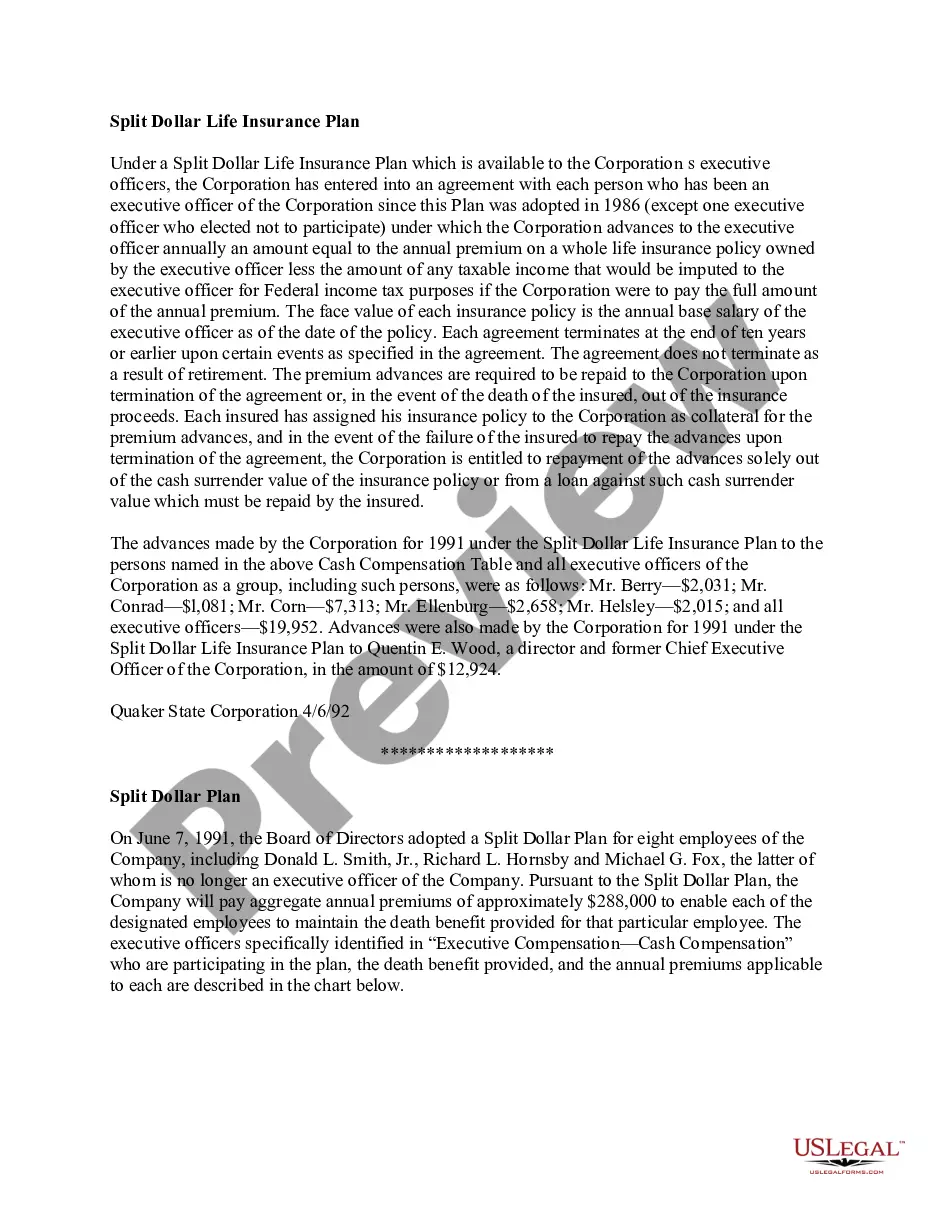
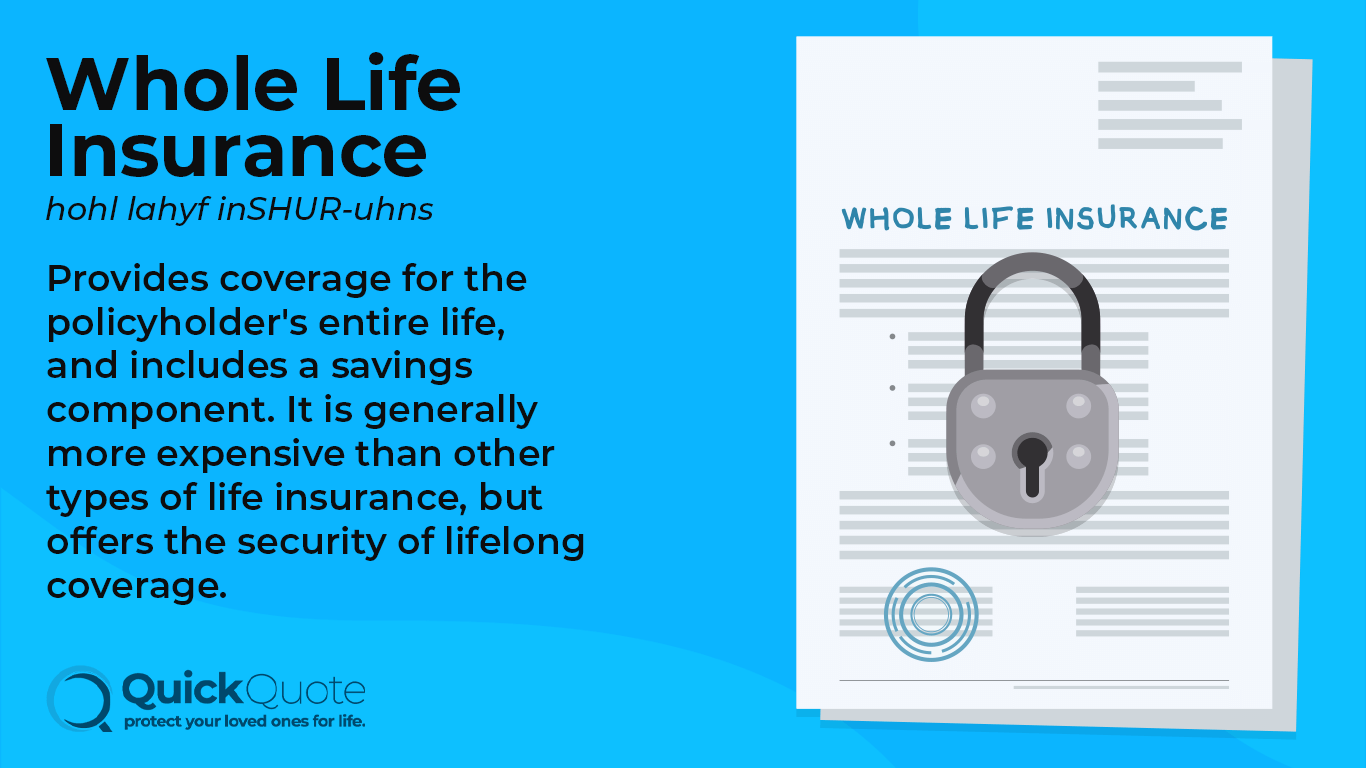
Split dollar life insurance is not a specific insurance product but rather a contractual method of sharing the costs and benefits of a permanent life insurance policy between two parties—typically an employer and a key executive. While split dollar arrangements have existed for decades, the regulatory landscape shifted significantly following the 2003 IRS regulations, which bifurcated these arrangements into two distinct tax regimes: the Economic Benefit Regime and the Loan Regime.
As of 2026, the Loan Regime (Employee Ownership) remains one of the most sophisticated tools for executive retention and wealth transfer, particularly for high-net-worth individuals and closely held corporations. By placing ownership in the hands of the employee, this arrangement offers unique advantages regarding policy control and estate planning that the alternative employer-owned model cannot match.
The Mechanics of Employee Ownership (The Loan Regime)
In an employee-owned split dollar arrangement, the employee is the legal owner of the policy. This means the employee has the right to designate beneficiaries, manage the policy’s investments (in the case of Variable Universal Life), and access the cash value, subject to the terms of the split dollar agreement and the collateral assignment.
The employer’s role is primarily that of a lender. Instead of simply paying a premium for a policy it owns, the employer provides a series of loans to the employee to cover the premium costs. Under IRS Regulation §1.7872-15, these payments are treated as a series of loans from the employer to the employee.
To secure these loans, the employee executes a collateral assignment in favor of the employer. This legal document grants the employer a lien against the policy. If the employee dies, the employer is repaid the loan amount (usually the total premiums paid) from the death benefit, and the remaining proceeds go to the employee’s beneficiaries. If the policy is surrendered or the arrangement is terminated during the employee's life, the employer is repaid from the policy’s accumulated cash value.
Comparing Employee Ownership vs. Employer Ownership
To understand why a company might choose employee ownership, it is necessary to compare it to the Endorsement Split Dollar (Economic Benefit) regime.
| Feature | Employee-Owned (Loan Regime) | Employer-Owned (Endorsement) |
|---|---|---|
| Legal Owner | The Employee | The Employer |
| Tax Treatment | Treated as a loan; governed by Section 7872 | Treated as an "Economic Benefit" (Section 61) |
| Taxable Amount | Imputed interest on the loan (based on AFR) | Value of "current life insurance protection" (Table 2001) |
| Cash Value Access | Primarily the Employee (after satisfying the lien) | Primarily the Employer |
| Best For | Wealth transfer, estate planning, long-term retention | Short-term protection, business continuity |
| IRS Regulation | Treas. Reg. §1.7872-15 | Treas. Reg. §1.61-22 |
The Role of the Applicable Federal Rate (AFR)
In 2026, the cost of an employee-owned split dollar plan is heavily dictated by interest rates. Because the arrangement is legally a loan, the IRS requires that the loan carry a "market" interest rate. This rate is defined by the Applicable Federal Rate (AFR), which is published monthly by the Treasury.
If the employer does not charge the employee interest—or charges a rate below the AFR—the difference is considered "imputed interest." This imputed interest is treated as taxable income to the employee. In a business setting, this is generally categorized as compensation (W-2 income). In a private or family setting, it may be treated as a taxable gift.
There are three main types of loans used in these arrangements:
- Demand Loans: These carry a variable interest rate that fluctuates with the short-term AFR. These are less common for long-term insurance planning due to interest rate volatility.
- Term Loans: These use the AFR in effect at the start of the loan for a set period.
- Hybrid/Life Expectancy Loans: Often used in executive carve-out plans, these loans use a fixed rate (the long-term AFR) that remains constant for the duration of the arrangement or the employee’s life.
Tax Implications and Advantages
The shift to employee ownership is often driven by the desire for favorable tax treatment on the policy’s growth.
Income Tax Efficiency
In the Loan Regime, the employee is not taxed on the "economic benefit" of the death benefit protection (which can become very expensive as the employee ages). Instead, they are only taxed on the interest associated with the premium loan. If the policy’s cash value grows faster than the interest accrues, the employee essentially builds tax-deferred wealth using the employer's capital.
Estate Tax Planning
Employee ownership is frequently utilized in conjunction with an Irrevocable Life Insurance Trust (ILIT). If an ILIT owns the policy and enters into the split dollar agreement with the employer, the death benefit can be kept out of the employee’s gross estate. Following the 2026 reversion of estate tax exemptions to pre-2018 levels (inflation-adjusted), this strategy has regained its status as a primary tool for liquidity planning for high-net-worth families.
Section 409A Compliance
Unlike many deferred compensation plans, split dollar arrangements that follow the Loan Regime are generally exempt from Internal Revenue Code Section 409A, provided they are structured correctly. This provides more flexibility in how and when the benefits are delivered compared to traditional non-qualified deferred compensation (NQDC) plans.
The "Exit Strategy" and Policy Rollout
One of the most critical aspects of an employee-owned split dollar policy is the "rollout"—the termination of the arrangement and the repayment of the employer’s lien. This typically occurs at retirement or a specified milestone.
There are several ways to handle the rollout:
- Policy Loans/Withdrawals: The employee may take a loan from the policy’s cash value to repay the employer. This is only viable if the policy has performed well enough to sustain the loan without lapsing.
- Bonus Arrangement: The employer may "bonus" the amount of the lien to the employee. The employee uses the bonus to pay off the employer, though the bonus itself is taxable income.
- Death Benefit Repayment: If the arrangement continues until the employee's death, the employer is simply repaid from the proceeds before the beneficiaries receive their share.
Risks and Operational Limitations
While powerful, these arrangements are complex and carry significant risks:
- Interest Rate Risk: If interest rates rise significantly, the cost of "imputing" the interest can become a heavy tax burden for the executive.
- Policy Performance: If the underlying insurance policy (often a Whole Life or Indexed Universal Life policy) underperforms, there may not be enough cash value to repay the employer's loan, requiring the employee to pay out of pocket or lose the coverage.
- Sarbanes-Oxley (SOX) Act: Section 402 of the Sarbanes-Oxley Act prohibits public companies from extending loans to their directors and executive officers. Consequently, the Loan Regime/Employee Ownership model is generally unavailable for public company executives. These companies must typically use the Endorsement (Economic Benefit) regime instead.
- IRS Scrutiny: The IRS requires strict adherence to the 2003 regulations. Failure to properly document the loan or track interest can result in the entire arrangement being recharacterized as a taxable bonus of the full premium amount.
Frequently Asked Questions
Is the employer's premium payment deductible?
No. In an employee-owned split dollar arrangement, the employer's premium payment is considered a loan. Just as a bank cannot deduct the principal of a mortgage it issues, an employer cannot deduct the premium it lends to the employee. The employer is only "made whole" when the loan is eventually repaid.
What happens if the employee leaves the company?
If the employee terminates employment, the split dollar agreement usually dictates what happens next. Typically, the employee must either repay the employer's lien (the "rollout") or the employer may exercise its rights under the collateral assignment to surrender the policy and recover its premiums.
Can this be used for business succession?
Yes. Split dollar is often used in "Buy-Sell" agreements. For example, a company can use a split dollar arrangement to fund a life insurance policy owned by a junior partner. Upon the senior partner's death, the junior partner uses the death benefit to buy the senior partner's shares, while the company is reimbursed for the premiums it paid.
How are the "interest" rates determined in 2026?
The interest rates are based on the Monthly AFRs published by the IRS. For a long-term arrangement (over nine years), the Long-Term AFR is used. If the loan is structured as a term loan, the rate is locked in at the time the loan is made. If it is a demand loan, the rate fluctuates annually.
Does the employee have to pay the interest in cash?
The employee does not necessarily have to pay the interest in cash. If the interest is not paid, it is "imputed" as income. This means the employee is taxed on the value of that interest as if they had received it as a cash bonus.
Practical Recommendation
For businesses considering an employee-owned split dollar plan in 2026, the first step is to conduct a feasibility study that compares the long-term tax costs of imputed interest versus the projected cash value growth of the policy. Because of the complexities involving Section 7872 and the Sarbanes-Oxley limitations for public firms, it is essential to involve both a specialized tax attorney and a qualified insurance professional.
Current economic conditions in 2026 suggest that fixing the interest rate (using a Term Loan or Life Expectancy Loan) is often more advantageous than a variable Demand Loan, as it provides the executive with cost certainty. Ensure that the collateral assignment is filed correctly with the insurance carrier to protect the corporation’s interest while maintaining the employee’s ownership rights.
Image Gallery