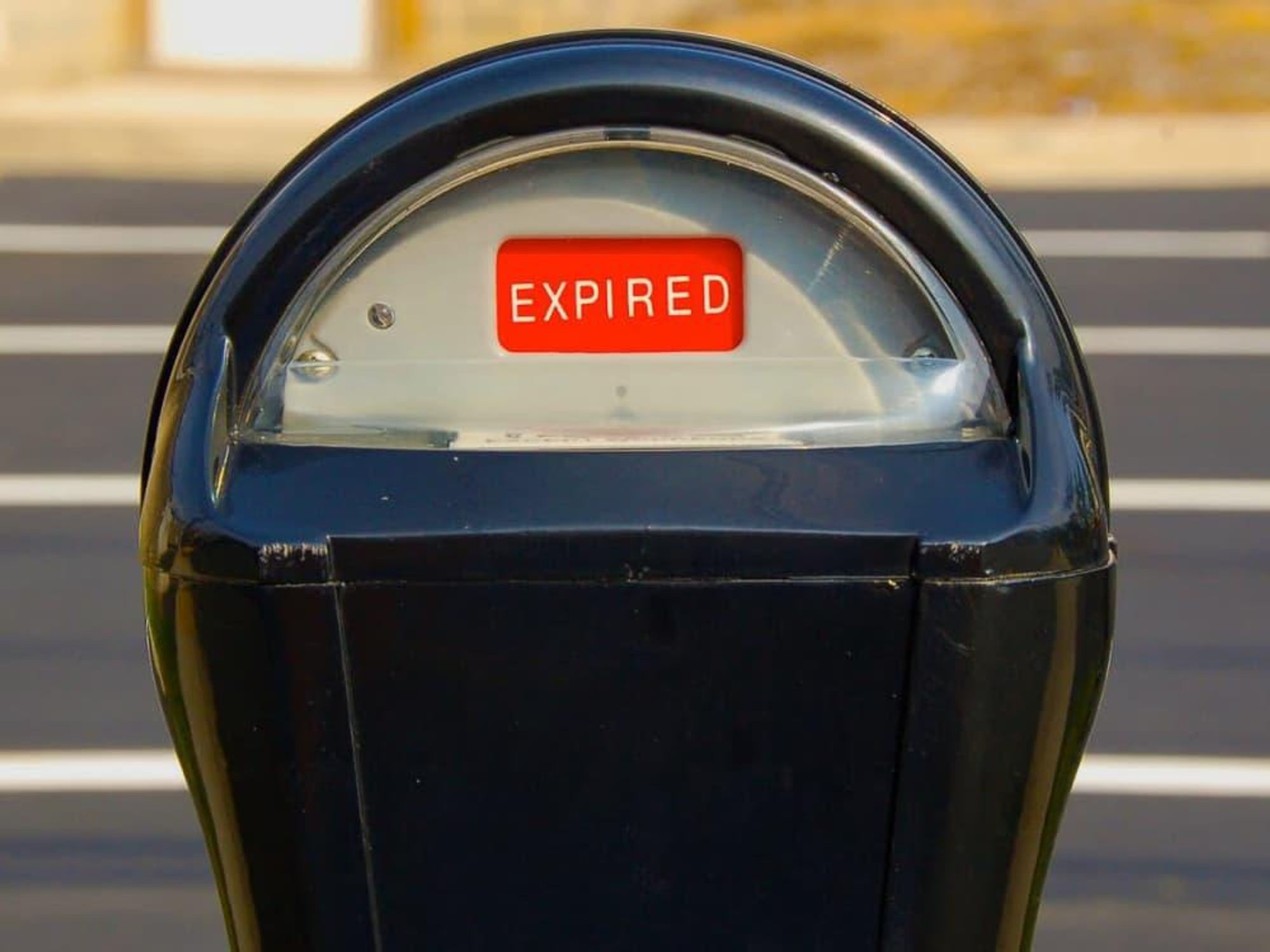
Changes to Austin Library Parking and Ongoing Debates
Navigating downtown Austin requires careful planning, particularly when visiting the city's flagship public spaces. Recent operational updates, fee restructurings, and policy modifications regarding Austin Central Library parking have...
Navigating downtown Austin requires careful planning, particularly when visiting the city's flagship public spaces. Recent operational updates, fee restructurings, and policy modifications regarding Austin Central Library parking have sparked substantial community debate, pitting the need for library accessibility against downtown real estate and transportation management goals.
Contents
Overview of the Austin Central Library Parking Facility
The Austin Central Library, located at 710 West César Chávez Street, serves as a architectural and cultural anchor for the city. Opened in May 2017, the facility was designed with a multi-level underground parking garage intended to accommodate visitors, event attendees, and downtown commuters. However, managing parking capacity in a rapidly growing urban core has introduced ongoing operational challenges.
The garage operates via an automated ticketing and payment system. Historically, parking rates were structured to provide short-term relief for library patrons while discouraging all-day commuter parking that would otherwise displace library users. Over the years, adjustments to hourly rates, validation policies, and grace periods have transformed how visitors interact with the space. These adjustments reflect broader municipal policies managed by the City of Austin and contracted parking operators, balancing revenue generation with public service mandates.
Recent Policy Shifts and Fee Adjustments
Recent modifications to the garage's fee schedule have directly impacted visitors seeking affordable access to library resources. Municipal parking management often fluctuates in response to downtown economic pressures, maintenance costs for the facility, and transportation demand management strategies aimed at reducing single-occupancy vehicle trips.
Key adjustments typically involve:
- Hourly Rate Increases: Escalating fees for stays exceeding standard library visit durations.
- Reduction or Elimination of Grace Periods: Shortening the window during which motorists can enter and exit without incurring a charge.
- Event Rate Implementations: Enforcing flat-rate pricing during major downtown festivals, SXSW, or Austin City Limits events hosted nearby.
These fiscal policy changes aim to ensure garage turnover, preventing spaces from filling up with non-library patrons. Yet, they simultaneously raise financial barriers for community members who rely on the library for extended periods, such as remote workers, students, and attendees of lengthy public lectures or council meetings.
Community Debates and Stakeholder Perspectives
The ongoing debates surrounding Austin library parking encapsulate a larger friction point between civic accessibility and urban commercial management. Stakeholders view the situation through fundamentally different lenses.
The Library Patron and Equity Perspective
Community advocates, regular library users, and certain local organizations argue that charging market-rate or punitive parking fees undermines the core mission of a public library. Public libraries are meant to function as equitable democratic spaces open to all socio-economic groups. When parking costs rise, lower-income residents or those with limited mobility who depend on personal vehicles may find themselves priced out of using the library's physical collection, meeting rooms, or digital labs. Furthermore, critics point out that the library is a public asset funded by taxpayers; therefore, accessing its amenities should not carry steep ancillary transportation fees.
The City and Transportation Management Perspective
Conversely, city planners, transportation officials, and downtown economic development entities emphasize the necessity of demand-responsive parking management. In a dense urban environment where space is scarce, free or heavily subsidized parking can quickly lead to overcrowded facilities, leaving actual library patrons unable to find a space. By implementing market-rate pricing and encouraging multi-modal transportation—such as Capital Metro buses, the MetroRail, bicycling, and walking—the city aligns downtown parking policies with broader climate and congestion-mitigation objectives. Revenue generated from the garage is also frequently earmarked to offset facility maintenance and support municipal transit initiatives.
Parking Options and Fee Comparison
To understand the practical implications of current policies, it helps to compare the Central Library garage structure with alternative transportation and parking choices available in the immediate vicinity.
| Parking or Transit Option | Estimated Cost / Pricing Structure | Primary Advantage | Main Disadvantage |
|---|---|---|---|
| Central Library Underground Garage | Standard hourly rates with daily maximums; special event flat rates apply. | Direct, indoor elevator access into the library building. | Can become fully occupied during peak hours; variable pricing. |
| Nearby Surface Lots & Private Garages | Varies widely by operator; often higher during peak downtown hours. | Alternative capacity when the library garage is full. | Often more expensive; requires walking outdoors. |
| On-Street Metered Parking | Hourly rates with strict maximum time limits (typically 2–3 hours). | Convenient for very brief drop-offs or quick visits. | Insufficient time for studying, attending events, or browsing extensively. |
| Capital Metro Transit (Bus / Rail) | Standard single-ride or day-pass fares. | Eliminates parking stress; cost-effective. | Requires route planning and travel time adjustments. |
Alternative Transportation and Mitigation Strategies
For visitors seeking to avoid parking fees or garage congestion altogether, Austin offers several alternative ways to reach the Central Library. Incorporating these options into a trip plan can significantly streamline the visit.
Public transit remains a cornerstone of municipal accessibility. The library is accessible via multiple Capital Metro bus routes, and it sits within a reasonable walking distance from downtown rail stations. For cyclists, the Ann and Roy Butler Hike-and-Bike Trail connects directly to the library grounds, and multiple bike racks as well as BCycle dock stations are positioned nearby.
Additionally, visitors with specific accessibility needs should note that designated ADA parking spaces are maintained within the garage. Patrons requiring parking accommodations or assistance regarding fee waivers for specific civic programs should consult the library's official accessibility guidelines prior to arrival.
Frequently Asked Questions
Are there any validation programs available for library visitors?
Historically, limited validation options have been discussed or implemented for specific user groups, but policies frequently change. Visitors should check current signage inside the library lobby or consult the Austin Public Library website before their visit to verify if any hourly waivers or validation partnerships remain active.
Why did the city increase parking rates at the Central Library?
Rate adjustments are typically driven by the need to manage high demand, encourage space turnover so that incoming patrons can find parking, and cover the operational and maintenance expenses associated with running a large multi-level underground parking structure in downtown Austin.
Can I park for free if I am only returning a book?
Grace periods for quick drop-offs have varied under different management contracts. Relying on a free grace period is discouraged; visitors should verify current operational rules at the garage entrance gates to avoid unexpected minimum charges.
How do special events affect library parking availability?
During major Austin festivals or downtown conventions, parking operators often implement flat event rates and restrict standard hourly options. This prevents non-library attendees from utilizing the garage for event parking, but it also increases costs for library users visiting during those windows.
What is the best way to avoid parking fees entirely?
Utilizing public transportation, such as Capital Metro buses or the MetroRail, or cycling via the downtown trail network eliminates parking fees and bypasses downtown garage congestion entirely.
Practical Recommendations for Visitors
When planning a trip to the Austin Central Library, preparation is essential to manage parking expectations and expenses. Arriving during off-peak hours—such as weekday mornings—increases the likelihood of finding a readily available space in the underground garage. Always review the posted rate schedules at the entrance kiosk before entering, as special downtown events can trigger unexpected flat fees. Finally, checking real-time transportation apps or the official municipal library portal for up-to-the-minute parking status alerts will ensure a smooth, cost-effective visit to one of Austin's premier public institutions.
Image Gallery