The Cuban White House Exhibition Highlights Heritage: A Deep Dive into National Identity
The Cuban White House exhibition highlights heritage by showcasing the architectural grandeur and complex political history of the former Presidential Palace in Havana. Now housing the Museum of the Revolution, the exhibition preserves...
The Cuban White House exhibition highlights heritage by showcasing the architectural grandeur and complex political history of the former Presidential Palace in Havana. Now housing the Museum of the Revolution, the exhibition preserves vital artifacts, including the Granma yacht and Tiffany-designed interiors, to educate visitors on Cuba’s transition from a republic to a revolutionary state.
Contents
The structure known colloquially as the "Cuban White House" is one of the most significant architectural landmarks in the Caribbean. Located in Old Havana, this building—officially the Museo de la Revolución—serves as a physical chronicle of the nation's identity. In 2026, the exhibition continues to draw global interest, not only for its revolutionary relics but for its role as a custodian of pre-1959 Cuban heritage, art, and neoclassical design. To understand the exhibition is to understand the layers of Cuban history that define the island today.
Understanding the "Cuban White House": Architecture and Legacy
The Presidential Palace was commissioned by President Mario García Menocal and completed in 1920. Designed by architects Rodolfo Maruri and Paul Belau, the building was intended to rival the world’s most opulent executive residences. Its nickname, the "Cuban White House," stems from its role as the seat of executive power for over 20 presidents and its sheer scale and white-toned aesthetic.
The building is a masterpiece of Eclecticism, a style that combines elements of various historical periods. The exterior features a massive dome covered in colorful tiles, while the interior is famous for its use of Carrara marble. For the modern visitor, the heritage highlighted here is not merely political; it is a testament to the wealth and craftsmanship present in early 20th-century Cuba. The exhibition ensures that the architectural prowess of the republican era is recognized alongside the historical narrative of the 1959 Revolution.
Tiffany & Co. and the Interior Design
A key technical detail often highlighted in the heritage exhibition is the involvement of Tiffany & Co. of New York. The luxury firm was contracted to design and decorate the interiors, including the furniture and glasswork. This connection highlights the deep economic and cultural ties between Cuba and the United States during the building's construction.
The Salón de los Espejos (Hall of Mirrors) was modeled after the famous gallery at the Palace of Versailles. With its gold-leaf ornamentation and expansive mirrors, it served as the backdrop for official ceremonies and the swearing-in of presidents. Preservation efforts in 2026 have focused heavily on maintaining these original Tiffany elements, ensuring that the "heritage" displayed is comprehensive, covering the artistic luxury of the past as well as the austerity of the revolutionary struggle.
The Core Exhibition: Preserving National Identity
The transition of the palace into a museum occurred in the early 1970s, but the exhibition has evolved significantly since then. In 2026, the focus has shifted toward a more holistic view of Cuban heritage, moving beyond purely military history to include social, cultural, and artistic developments.
The exhibition is organized chronologically, beginning with the pre-colonial indigenous cultures of Cuba and moving through the colonial struggle against Spain. However, the heart of the collection remains the struggle against the Batista dictatorship. The heritage being highlighted is one of resistance and sovereignty, expressed through a massive collection of photographs, documents, and physical artifacts.
Key Artifacts and the Memorial del Granma
Perhaps the most iconic part of the exhibition is the Memorial del Granma, located in a large glass enclosure behind the main building. The Granma is the yacht used by Fidel Castro, Che Guevara, and 80 other revolutionaries to travel from Mexico to Cuba in 1956.
The preservation of this vessel is a major technical undertaking. It is housed in a climate-controlled environment to prevent the tropical humidity of Havana from degrading the wood and metal components. Surrounding the yacht are other heritage vehicles, including the delivery truck used in the 1957 assault on the palace and various aircraft used during the Bay of Pigs invasion. These objects are presented not just as military hardware but as symbols of a pivotal moment in Cuban heritage that shifted the nation's trajectory.
Architectural Significance and Restoration Efforts
The heritage highlighted by the Cuban White House exhibition is inextricably linked to the building's structural integrity. By 2026, the Office of the Historian of the City of Havana (OHCH) has completed several phases of restoration aimed at preserving the neoclassical facade and the interior frescoes.
The dome, which is visible from much of the city, serves as a beacon of Cuban heritage. It is decorated with intricate murals by Cuban artist Armando Menocal. These paintings depict scenes of national importance and are meticulously restored to prevent fading from the intense Caribbean sun. The exhibition highlights this artistic heritage by providing detailed descriptions of the restoration process, allowing visitors to appreciate the technical skill required to maintain a century-old monument.
| Feature | Details of the Cuban White House Exhibition |
|---|---|
| Architectural Style | Neoclassical / Eclectic (Maruri and Belau) |
| Interior Designer | Tiffany & Co., New York |
| Primary Material | Italian Carrara Marble and Reinforced Concrete |
| Main Exhibition Focus | Cuban Independence, Republic Era, and 1959 Revolution |
| Key Attraction | Granma Yacht Memorial |
| Restoration Authority | Office of the Historian of the City of Havana (OHCH) |
| Museum Status | National Monument (declared in 2010) |
Visiting the Exhibition in 2026: Practical Information
For those planning to experience how the Cuban White House exhibition highlights heritage, several practical considerations are necessary. As of 2026, the museum remains one of the most visited sites in Havana, requiring visitors to navigate specific entry requirements and logistics.
Access and Ticketing
The museum is located at Refugio No. 1, between Misiones and Zulueta streets. While walk-in tickets are often available, the 2026 tourist season has seen a shift toward digital reservations to manage crowd flow and preserve the delicate interior environment.
- Entry Fees: Prices are typically segmented for national and international visitors. International tourists should expect to pay in foreign currency or via authorized digital payment methods.
- Operating Hours: Usually Tuesday through Sunday, 9:00 AM to 4:00 PM. It is advisable to arrive early, as the Granma memorial can get crowded in the afternoon.
- Guided Tours: Professional guides are available in multiple languages (Spanish, English, French, Russian). These guides are essential for understanding the nuance of the heritage on display, as they provide context that labels alone cannot convey.
Security and Regulations
Given its status as a repository of national history, security is stringent. Large bags must be checked in at the entrance. Photography is generally permitted in most areas, but flash photography is often restricted near delicate documents and the Tiffany-designed furniture to prevent light damage.
The Cultural Impact of the Heritage Exhibition
The "Cuban White House" is more than a museum; it is a site of collective memory. For Cubans, the exhibition highlights a heritage of perseverance. For international visitors, it offers a rare glimpse into the opulent "Paris of the Caribbean" era followed by the radical shift of the 1960s.
The exhibition's impact is visible in how it frames the "New Man" ideology of the revolution against the backdrop of the old-world luxury of the palace. This juxtaposition is intentional. By displaying revolutionary maps and blood-stained uniforms inside rooms decorated with gold leaf and fine marble, the exhibition forces a dialogue between two distinct eras of Cuban history. This synthesis is exactly how the exhibition highlights the complexity of Cuban heritage.
Common Misconceptions and Troubleshooting
When visiting the Cuban White House exhibition, some visitors may have misconceptions based on the name or the museum's dual nature.
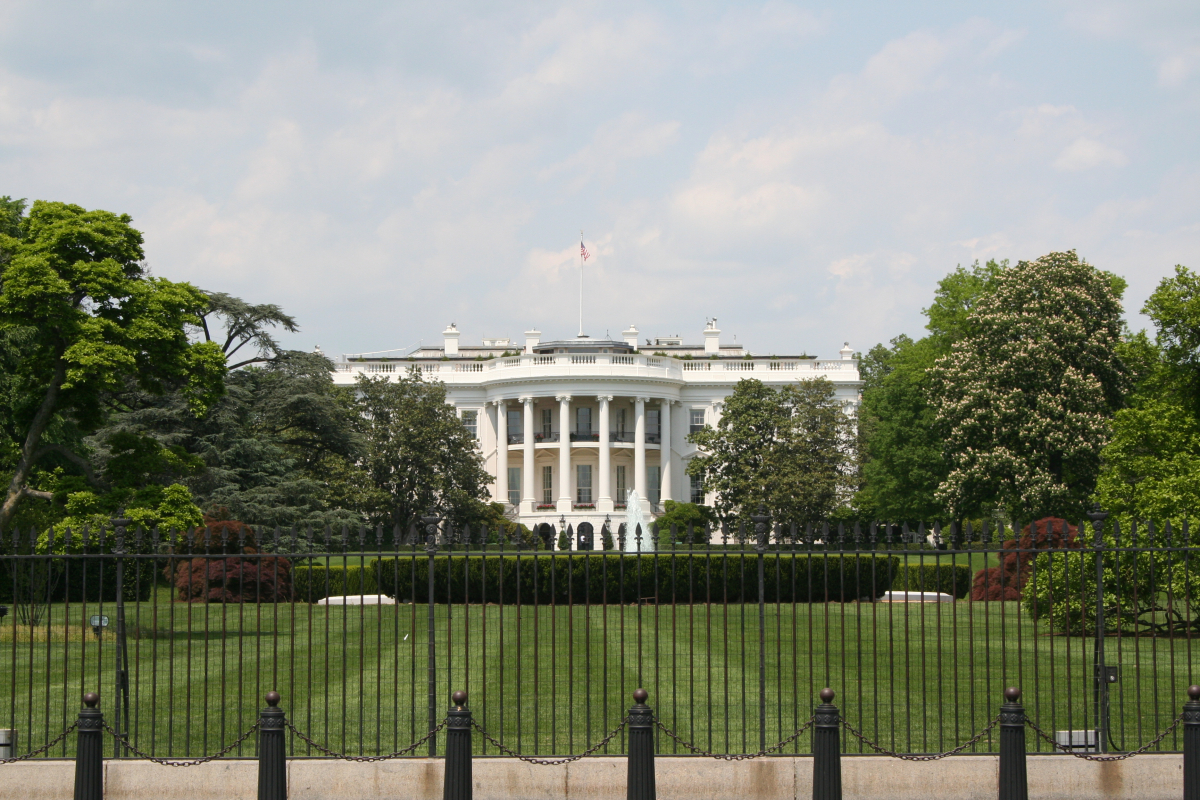
- The Name: Visitors often expect a building identical to the U.S. White House. While the scale is similar, the architectural style is vastly different, leaning more toward European neoclassical palaces than the Anglo-Palladian style of Washington D.C.
- Scope of History: Some assume the museum only covers the 1950s. However, the exhibition highlights heritage from the 15th century onward, providing necessary context for the eventual revolution.
- Renovation Closures: In 2026, certain wings may be closed for ongoing conservation. It is recommended to check the official OHCH portal before visiting to ensure the main galleries, such as the Hall of Mirrors, are accessible.
FAQs
What is the most famous item in the Cuban White House exhibition?
The most famous item is the Granma yacht. It is the centerpiece of the outdoor memorial and represents the beginning of the final phase of the Cuban Revolution. Its preservation is considered a national priority and a cornerstone of the heritage exhibition.
Why was Tiffany & Co. involved in the building's design?
During the early 20th century, Cuba had a booming economy based on sugar exports, and the government sought the highest level of international prestige. Tiffany & Co. was chosen to provide the interiors to reflect the wealth and global standing of the Cuban Republic at that time.
Can I see the bullet holes from the 1957 attack on the palace?
Yes, the exhibition intentionally preserves the bullet holes on the main staircase and facade from the March 13, 1957, student-led assault on the palace. These marks are considered vital "living heritage" that document the violent struggle for the building.
Is the exhibition accessible for non-Spanish speakers?
Yes, the Museum of the Revolution has invested significantly in multilingual signage and professional guides. By 2026, many displays also feature QR codes that provide detailed heritage information in several languages via smartphone.
How does the exhibition address the pre-revolutionary era?
The exhibition does not erase the pre-revolutionary era; instead, it uses the palace's own architecture and luxury to illustrate the social and economic disparities of the time. This contrast is used to explain the motivations behind the revolutionary movement.
Practical Recommendation
To fully appreciate how the Cuban White House exhibition highlights heritage, start your visit on the top floor and work your way down. This allows you to follow the chronological development of the Cuban nation. Pay close attention to the ceiling frescoes and the transition from the ornate presidential offices to the starker, more educational galleries of the lower floors. If visiting in 2026, prioritize a guided tour to gain insight into the recent restoration techniques used on the Tiffany interiors, as this adds a layer of technical appreciation to the historical experience.
Image Gallery