Can I Take Zyrtec and DayQuil Together Safely in 2026?
Generally, taking Zyrtec (cetirizine) and DayQuil (acetaminophen, dextromethorphan, and phenylephrine or pseudoephedrine) together is considered safe for most healthy adults, provided you check the active ingredients and follow package...
Generally, taking Zyrtec (cetirizine) and DayQuil (acetaminophen, dextromethorphan, and phenylephrine or pseudoephedrine) together is considered safe for most healthy adults, provided you check the active ingredients and follow package dosing instructions. However, because DayQuil contains multiple medications to treat cold and flu symptoms, you must carefully evaluate your total daily intake of active compounds, potential overlapping side effects like drowsiness or blood pressure changes, and any personal underlying health conditions before combining them.
Contents
Understanding the Active Ingredients in Zyrtec and DayQuil
To safely combine over-the-counter medications, you must first understand what each product contains. Taking medications without reviewing their formulations can lead to accidental double-dosing or unexpected physiological interactions.
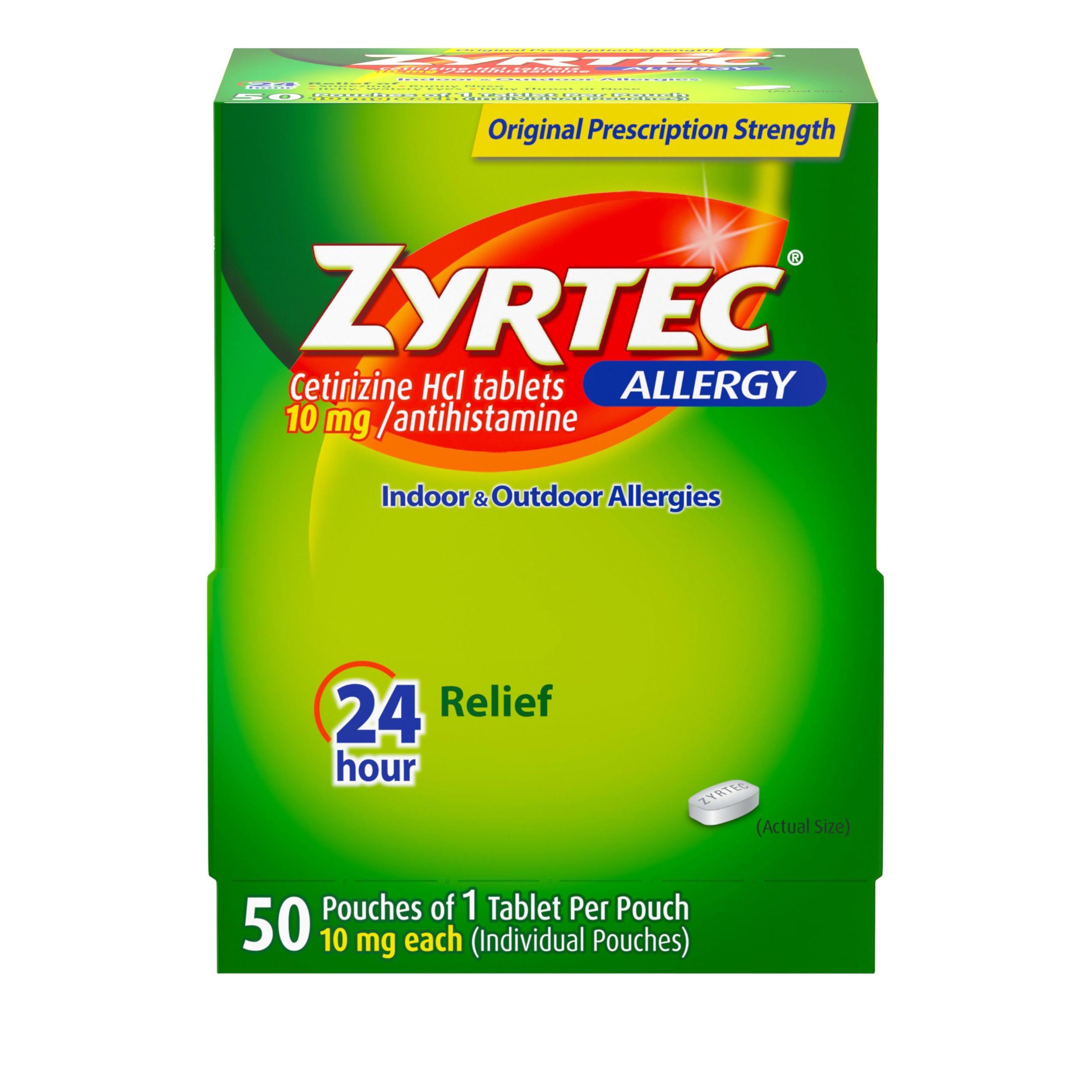
Zyrtec is a second-generation antihistamine containing cetirizine hydrochloride. Its primary purpose is to block histamine receptors to relieve allergy symptoms such as sneezing, runny nose, itchy or watery eyes, and itching of the throat or nose. Unlike first-generation antihistamines like diphenhydramine, second-generation options are engineered to cause significantly less sedation, though a small percentage of users may still experience mild drowsiness.
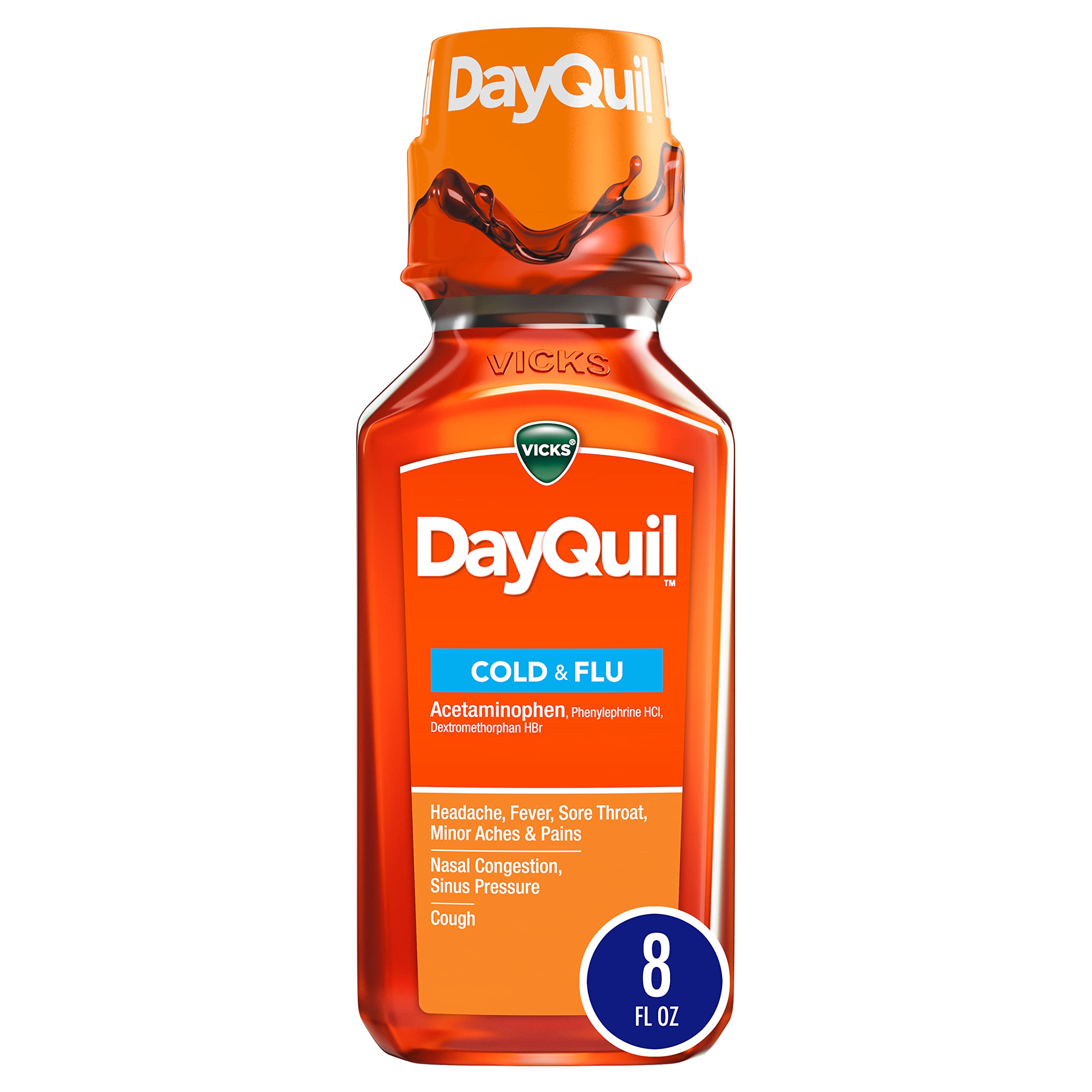
DayQuil is a multi-symptom daytime cold and flu relief product. The standard formulation typically features three core active ingredients:
- Acetaminophen: A pain reliever and fever reducer.
- Dextromethorphan HBr: A cough suppressant that affects the signals in the brain that trigger the cough reflex.
- Phenylephrine HCl (or pseudoephedrine in behind-the-counter variants): A nasal decongestant that shrinks blood vessels in nasal passages to relieve sinus congestion.
Because Zyrtec is an antihistamine and DayQuil contains a decongestant and cough suppressant, they target different symptom pathways. They do not have a direct, dangerous pharmacological counter-interaction with each other when taken at standard therapeutic doses.
Evaluating Potential Side Effects and Overlap Risks
While Zyrtec and DayQuil can be taken together, combining them requires caution due to overlapping side effects and active ingredient considerations.
The most common side effects associated with this combination involve the nervous and cardiovascular systems. Phenylephrine or pseudoephedrine in DayQuil can cause mild increases in heart rate or blood pressure, while Zyrtec is generally neutral in this regard. If you have hypertension, taking a decongestant requires careful monitoring.
| Symptom / System | Zyrtec (Cetirizine) | DayQuil (Standard Multi-Symptom) | Combined Impact & Precautions |
|---|---|---|---|
| Drowsiness | Low to Moderate | None (Designed for daytime use) | Usually minimal, but sensitive individuals may feel tired. |
| Blood Pressure | None | Potential increase (Decongestant) | Monitor blood pressure if you have pre-existing hypertension. |
| Liver Processing | Minimal hepatic metabolism | Metabolized via the liver (Acetaminophen) | Safe for healthy livers; avoid alcohol completely. |
| Drying Effect | Dries mucous membranes | Dries mucous membranes | May cause dry mouth, nose, or throat; stay well hydrated. |
Another critical factor to watch for is the total drug load if you are taking extended-release or specialized formulations. For example, if you mistakenly use DayQuil Severe, it may contain an expectorant (guaifenesin) or additional pain-relieving agents. Always read the "Drug Facts" label on the back of both packages before ingestion.
Critical Precautions for Specific Health Conditions
Certain health profiles demand heightened caution or professional medical guidance before combining cetirizine and multi-symptom cold formulations.
If you have high blood pressure, cardiovascular disease, thyroid disorders, diabetes, or an enlarged prostate (BPH), the decongestant component in DayQuil can exacerbate these conditions. Phenylephrine and pseudoephedrine constrict blood vessels, which can elevate blood pressure and make urination more difficult for individuals with prostate issues.
Furthermore, you must monitor your total acetaminophen intake across all medications. DayQuil contains acetaminophen, and taking additional pain relievers like Tylenol concurrently can lead to accidental overdose, placing severe stress on the liver. The maximum daily limit of acetaminophen for a healthy adult is typically 4,000 milligrams, but lower limits may apply if you consume alcohol regularly or have underlying hepatic concerns.
Consultation Rule: Always speak with a board-certified physician, clinical pharmacist, or healthcare provider before combining over-the-counter medications if you take prescription drugs for chronic conditions, are pregnant, or are nursing.
Step-by-Step Guide to Safely Managing Cold and Allergy Symptoms
When overlapping allergy and cold seasons strike, managing your medication schedule systematically prevents dosing errors and maximizes therapeutic relief. Follow this structured approach to ensure safe administration:
- Audit Your Symptoms: Identify which symptoms are dominant. Are you primarily dealing with clear nasal discharge and sneezing (allergies), or do you have a fever, body aches, cough, and thick congestion (cold/flu)?
- Read All Drug Fact Labels: Inspect the active ingredients section on both your Zyrtec package and your DayQuil package to confirm there are no duplicate ingredients.
- Check for Acetaminophen Overlap: Verify whether you have taken any other pain relievers, cold medications, or prescription painkillers containing acetaminophen within the last four to six hours.
- Stagger Doses If Needed: If you prefer an abundance of caution, space the administration of Zyrtec and DayQuil apart by one to two hours to monitor how your body responds to each individual compound.
- Monitor Your Blood Pressure and Heart Rate: If you are sensitive to stimulants or decongestants, check your vitals a few hours after taking DayQuil.
- Maintain Proper Hydration: Both antihistamines and decongestants can dry out mucosal linings. Drink plenty of water throughout the day to thin mucus and prevent throat irritation.
Frequently Asked Questions
Can I take Zyrtec and DayQuil at the exact same time?
Yes, healthy adults can generally take Zyrtec and DayQuil at the same time because their active ingredients target different bodily systems and do not have a direct negative interaction. However, always verify that you are not duplicating any active ingredients like decongestants or pain relievers.
Will taking Zyrtec and DayQuil make me extremely drowsy?
Zyrtec is a second-generation antihistamine that causes significantly less drowsiness than older allergy medications, and standard DayQuil is formulated specifically for daytime use without sedating ingredients. Most people can take them together without experiencing severe fatigue, though individual sensitivities vary.
Can I take NyQuil instead of DayQuil with Zyrtec at night?
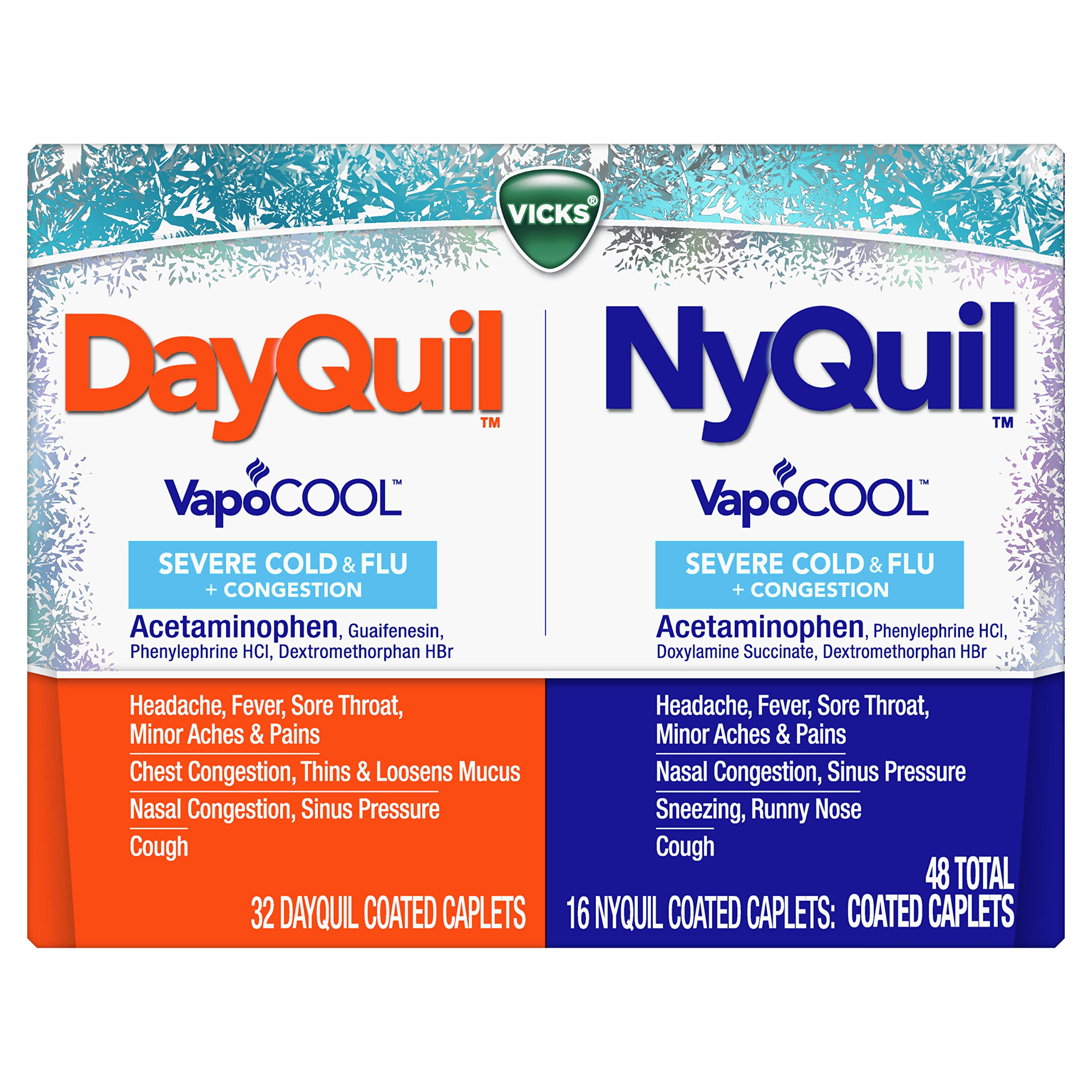
NyQuil contains antihistamines (such as doxylamine succinate) in addition to acetaminophen, dextromethorphan, and a decongestant. Combining Zyrtec with NyQuil can lead to excessive overlapping antihistamine effects and profound morning drowsiness, so it is usually unnecessary and increases side effect risks.
What should I do if my blood pressure increases after taking DayQuil?
The decongestant component (phenylephrine or pseudoephedrine) in DayQuil can temporarily elevate blood pressure. If you notice a significant spike, stop taking the decongestant immediately, rest, and contact your healthcare provider or pharmacist for guidance.
Are there alternative allergy medications that pair better with cold medicine?
If you are concerned about combining multiple complex medications, many healthcare providers recommend saline nasal sprays or single-ingredient options to target symptoms individually. Always consult a pharmacist to tailor an over-the-counter regimen to your specific medical history.
Professional Recommendation for Safe Medication Management
Navigating concurrent over-the-counter treatments requires vigilance regarding ingredient stacking and personal health vulnerabilities. Before initiating a combination of Zyrtec and DayQuil, take two minutes to review the active ingredient tables on both product boxes, evaluate your daily acetaminophen consumption, and assess your blood pressure history. When in doubt, consult a licensed pharmacist at your local pharmacy to verify compatibility with your current health status and prescription regimen.
Image Gallery