Trader Joe’s Rice Product Recalls: Safety Guidelines and Refund Procedures (2026 Update)
As of early 2026, there are no active nationwide recalls for Trader Joe’s standalone dry or frozen rice products. However, consumers should remain vigilant regarding specific rice-based prepared meals, such as the Steamed Chicken Soup...
As of early 2026, there are no active nationwide recalls for Trader Joe’s standalone dry or frozen rice products. However, consumers should remain vigilant regarding specific rice-based prepared meals, such as the Steamed Chicken Soup Dumplings, which were subject to a major recall in late 2024 due to potential foreign material contamination (plastic). If you possess any rice-related products with "Best By" dates spanning 2024 or 2025, you should verify the SKU and lot codes against the official Trader Joe’s recall list or return the item to any store location for a full refund.
Contents
Trader Joe’s has a long-standing reputation for a "no questions asked" return policy, which becomes particularly critical during food safety events. Whether a recall is initiated due to listeria concerns in frozen rice medleys or foreign objects in rice-based dumplings, the retailer prioritizes rapid removal from shelves and consumer notification. Understanding the nuances of these recalls—including how to identify affected batches and the health implications of contamination—is essential for any frequent shopper.
Significant Rice-Based Recalls: A Recent History
To understand the current safety landscape in 2026, we must look at the pivotal recalls that shaped Trader Joe's current quality control protocols. The most significant "rice-adjacent" recall in recent years involved the Trader Joe’s Steamed Chicken Soup Dumplings. Although categorized as a poultry product, the dumpling skins and thickeners heavily rely on rice flour and starch, and they are a staple in the "rice and grain" frozen aisle.
In March 2024, CJ Foods Manufacturing Beaumont Corp. recalled approximately 61,839 pounds of these dumplings. The issue was the presence of hard plastic pieces, reportedly originating from a permanent marker used in the manufacturing facility. This event highlighted the vulnerability of processed rice products to mechanical failures in the production line.
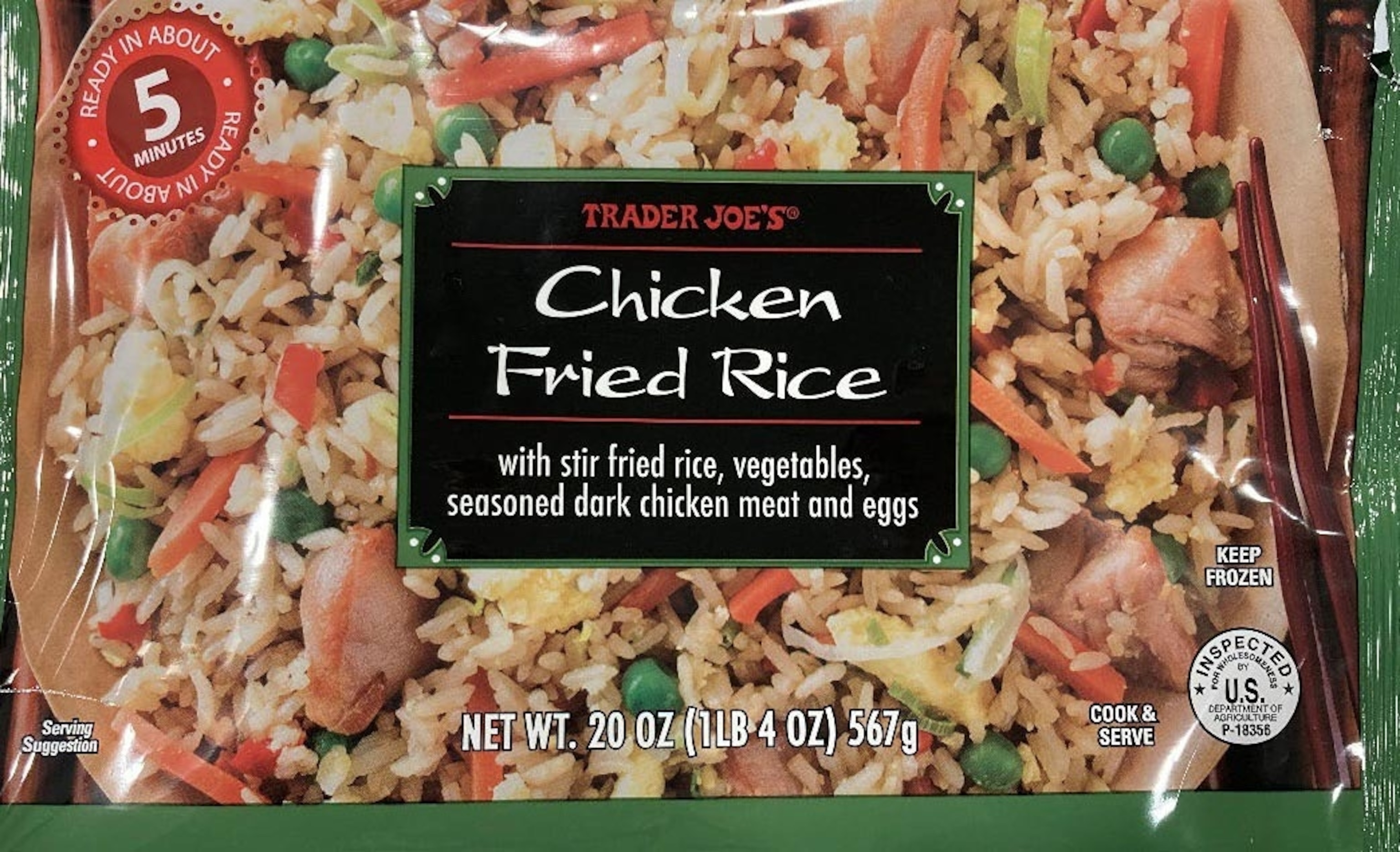
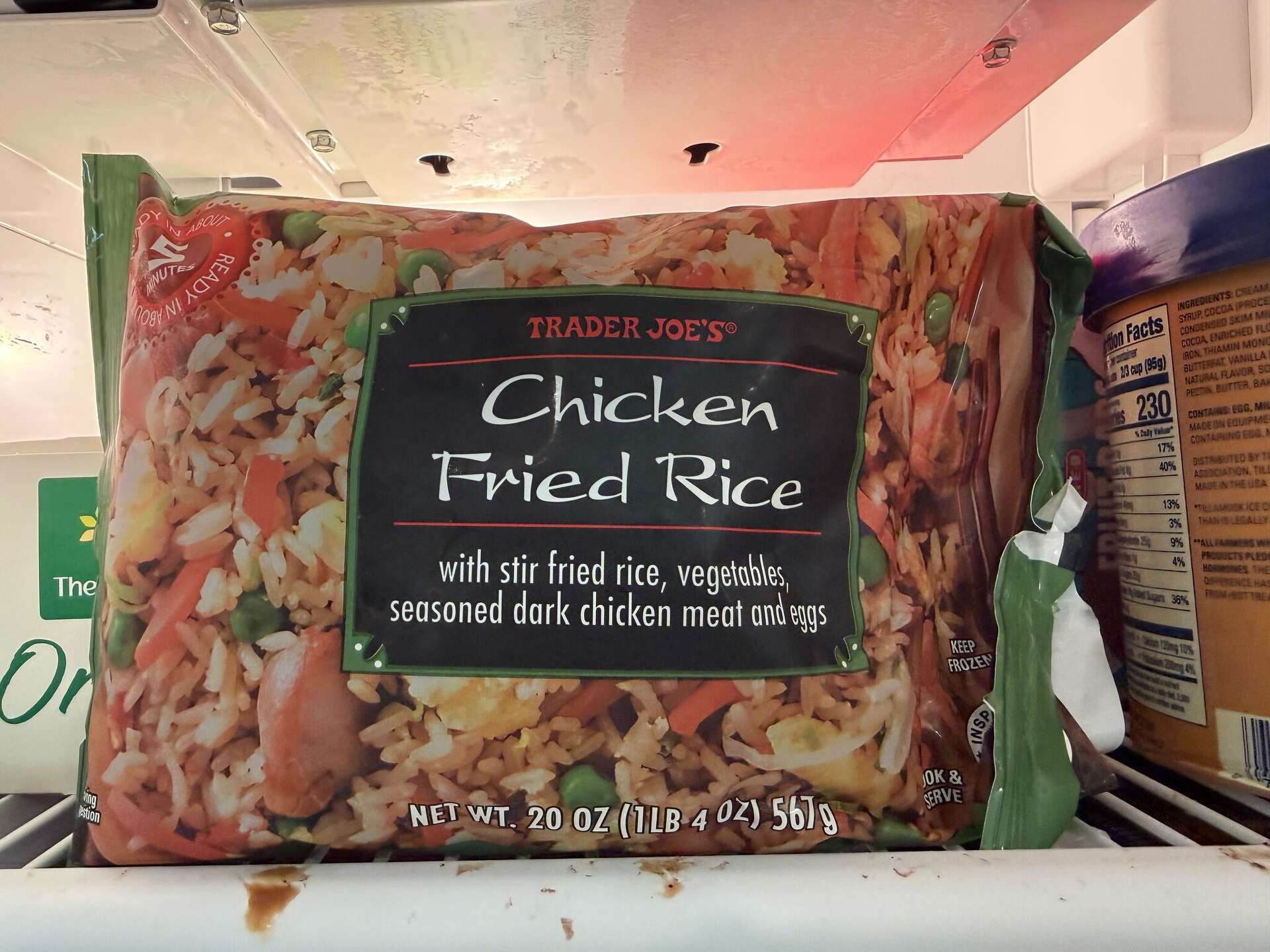
Historically, the rice category at Trader Joe’s faced its most severe challenge in 2016, when a massive recall coordinated by CRF Frozen Foods affected the Vegetable Fried Rice and Chicken Fried Rice. That recall was triggered by Listeria monocytogenes contamination, which eventually led to the closure of major processing facilities and a complete overhaul of how Trader Joe’s sources its frozen grain medleys.
Identifying Recalled Rice Products in Your Pantry
Identifying a recalled product requires more than just recognizing the name on the box. In 2026, Trader Joe’s continues to use a combination of SKU numbers and Lot Codes to pinpoint specific production windows. These details are typically printed on the back or bottom of the packaging in a heat-stamped or inkjet-printed format.
How to Locate the SKU and Lot Code
The SKU (Stock Keeping Unit) is a unique number assigned to every product at Trader Joe’s. For example, the 2024 dumpling recall specifically targeted SKU 60648. However, not every box of SKU 60648 was dangerous. The recall was limited to specific lot codes (e.g., "03.07.25.C1-1").
When checking your rice products:
- Check the "Best By" Date: If the date has already passed, the product should be discarded regardless of recall status.
- Locate the Lot Code: This is often a string of numbers and letters following the expiration date. It indicates the specific factory, line, and shift where the product was packaged.
- Cross-Reference with Official Lists: Do not rely on social media screenshots. Always visit the official Trader Joe's Recall Page or the USDA Food Safety and Inspection Service (FSIS) for the most accurate data.
Understanding the Risks: Plastic vs. Biological Contamination
The reasons for rice recalls generally fall into two categories: physical contaminants and biological pathogens. Both present distinct risks to the consumer.
Physical Contaminants (Foreign Materials)
In rice-based meals like the 2024 dumpling incident, the primary concern is "foreign material contamination." This typically involves plastic, metal fragments, or glass.
- Source: These materials usually enter the food stream due to broken equipment, loose screws, or, as seen in 2024, tools like permanent markers falling into the grinders or mixers.
- Risk: Ingesting hard plastic can cause dental injury, lacerations to the throat or esophagus, and internal blockages. While small pieces may pass through the digestive system, they pose a significant choking hazard, especially for children.
Biological Pathogens (Listeria and Salmonella)
Frozen rice products (like the Rice Medley or Japanese Style Fried Rice) are "low-moisture" foods, but when mixed with vegetables or sauces, they become susceptible to Listeria monocytogenes.
- Source: Listeria can live in the moist environments of food processing plants for years. If a facility's "cold chain" is broken or if sanitation protocols slip, the bacteria can contaminate the rice after it has been cooked but before it is frozen.
- Risk: Listeriosis is a serious infection. Symptoms include fever, muscle aches, and gastrointestinal distress. It is particularly dangerous for pregnant women (potentially leading to miscarriage), the elderly, and those with weakened immune systems.
Comparison of Notable Trader Joe's Rice-Related Recalls
The following table summarizes the most impactful recalls involving rice or rice-heavy products sold at Trader Joe's over the past decade, including the 2024 event that remains relevant for 2026 inventory checks.
| Product Name | Recall Year | Primary Reason | Identifying SKU | Hazard Level |
|---|---|---|---|---|
| Steamed Chicken Soup Dumplings | 2024 | Hard Plastic Contamination | 60648 | Moderate (Physical Injury) |
| BBQ Chicken Salad (w/ Rice) | 2017 | Listeria/Salmonella Risk | N/A (Fresh Item) | High (Biological Illness) |
| Vegetable Fried Rice | 2016 | Listeria monocytogenes | 92151 | High (Biological Illness) |
| Chicken Fried Rice | 2016 | Listeria monocytogenes | 92153 | High (Biological Illness) |
| Rice Medley (Frozen) | 2016 | Listeria monocytogenes | 94238 | High (Biological Illness) |
The Trader Joe’s Refund Process
One of the reasons Trader Joe’s maintains high customer loyalty despite occasional recalls is their streamlined refund process. In 2026, the procedure remains consistent:
- No Receipt Required: If you have a product that has been recalled, you do not need to find your original paper or digital receipt. The presence of the product (or even just the packaging) is sufficient evidence for a refund.
- Full Purchase Price: You will receive a full refund in the original form of payment, or as a store credit if you prefer.
- In-Store Return: Recalls cannot be processed via phone or email for a refund. You must visit a physical store location.
- Disposal Advice: If you are uncomfortable bringing a contaminated product into the store, Trader Joe's generally advises that you discard the product immediately and simply inform the "Captain" (store manager) during your next visit to receive your credit.
Prevention and Safe Handling of Rice Products
While recalls are the responsibility of the manufacturer and retailer, consumers can take steps to minimize risk when handling rice products at home.
- Proper Reheating: For frozen rice dishes, ensure the internal temperature reaches at least 165°F (74°C). While heat does not remove plastic, it kills biological pathogens like Listeria that may have been introduced during packaging.
- Storage Temperature: Keep frozen rice products at or below 0°F (-18°C). If a product thaws and is refrozen, the risk of bacterial growth increases significantly.
- Visual Inspection: When preparing "medley" style rice products, spread the rice out on a baking sheet or plate before cooking to look for any unusual colors or foreign objects that may have bypassed factory sensors.
Frequently Asked Questions
What should I do if I already ate a recalled rice product?
If you have consumed a product recalled for foreign material (like plastic) and feel no discomfort, medical intervention is usually not required. However, if you experience abdominal pain or difficulty swallowing, consult a physician. For biological recalls (Listeria), monitor your health for up to 70 days, as symptoms can take weeks to appear.
Why does it seem like Trader Joe's has more recalls than other stores?
Trader Joe’s does not necessarily have more safety issues; rather, they have a very aggressive and transparent recall policy. Because nearly all their products are private labels, they take direct responsibility for every item. Other grocery stores sell national brands where the manufacturer handles the recall quietly, whereas Trader Joe's must announce every incident under their own name.
Can I still buy frozen rice at Trader Joe's in 2026?
Yes. Following the major recalls of 2016 and 2024, Trader Joe's implemented the "Hold and Release" testing protocol. This means that batches of high-risk items are held at the warehouse and tested for pathogens and foreign materials before they are allowed to be shipped to stores. This has significantly reduced the frequency of nationwide recalls.
Is the "Rice Medley" currently safe?
As of early 2026, the Trader Joe's Rice Medley is not under recall and is considered safe for consumption. Always check the signage at the "New Items" or "Announcements" board near the store entrance, as this is where local or recent recalls are first posted.
How can I get automatic notifications about Trader Joe's recalls?
The most reliable way to stay informed is to subscribe to the Trader Joe’s E-Newsletter via their official website. They send out immediate alerts to subscribers whenever a product is removed from shelves for safety reasons. You can also monitor the FDA’s Safety Alerts for non-meat items.
Final Recommendation for Consumers
If you have any Trader Joe's rice products in your freezer or pantry that were purchased during a period of an active recall, do not consume them. Even if the product looks and smells normal, contaminants like Listeria are invisible, and small plastic shards can be hidden within rice grains or dumpling fillings. Take the product back to your local Trader Joe’s for a full refund. For those concerned about future safety, switching to dry bulk rice (which undergoes fewer processing steps) can reduce the risk of foreign material contamination compared to complex, pre-cooked frozen meals.
Image Gallery